Having trouble submitting? Email us directly at nicole@beauway.com and we'll get back to you within 24 hours.











Tail Lift Capacity, Size & Cost: 5 Questions Before You Order
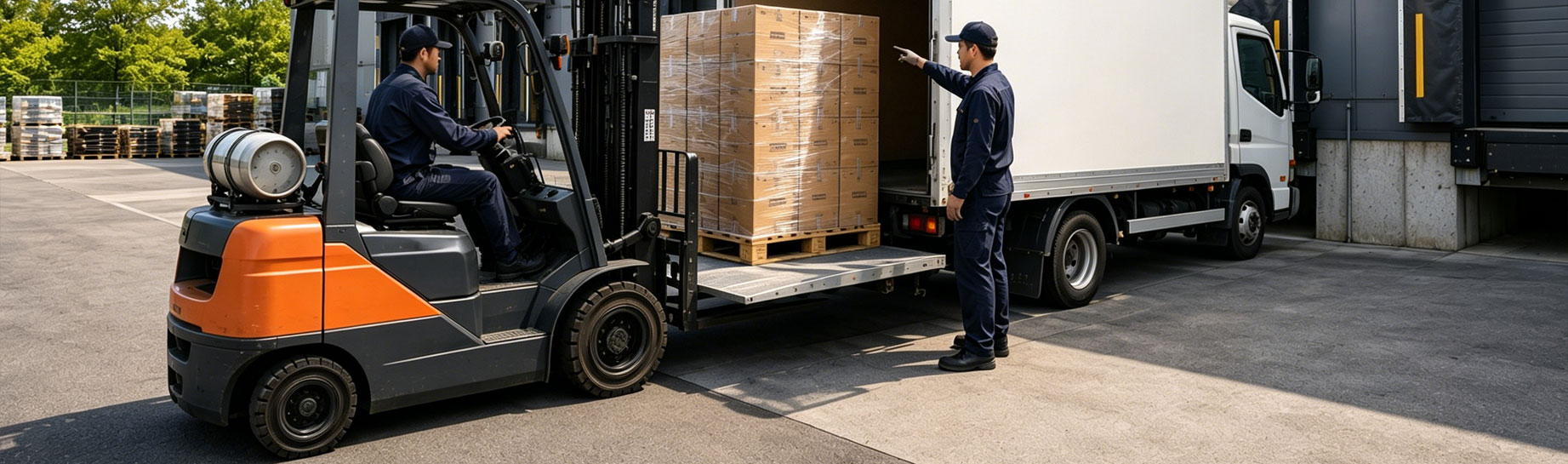
Tail lift capacity, platform dimensions, and total cost decide whether a lifting platform performs reliably for years. Get any one of them wrong, and the equipment can turn into a recurring maintenance problem within months. Before placing an order, five practical questions help prevent an expensive mismatch between the equipment and the vehicle it serves.
A common situation across the logistics and distribution industry starts with a simple decision. A buyer picks a tail lift by its rated capacity number alone. The buyer skips cross-checking platform size against the cargo. Nobody confirms the vehicle’s structural readiness for installation. The equipment arrives, and only then does the mismatch become clear. The platform is too narrow for palletized loads, or the rear chassis needs reinforcement work nobody budgeted for. These situations are avoidable. Working through five questions before finalizing an order reduces the risk of costly rework. It also keeps the equipment matched to real working conditions.
What Tail Lift Capacity Do You Actually Need?
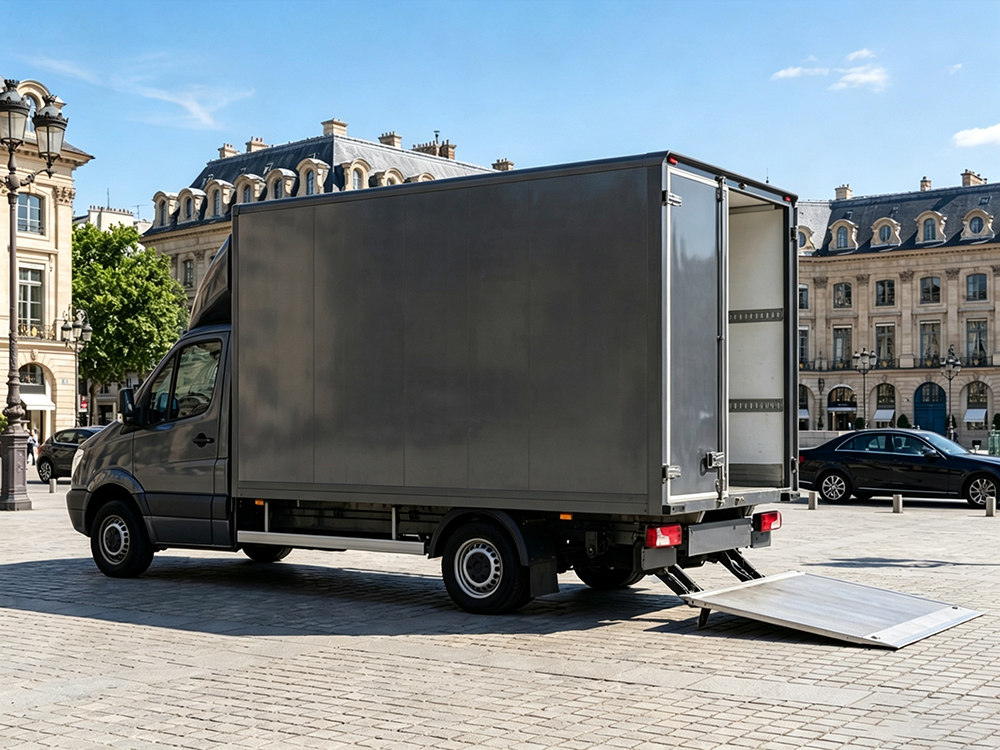
Tail lift capacity is the maximum weight a platform can safely handle. This includes the full weight of goods, pallets, and any handling equipment on the platform during loading or unloading. Matching this figure to actual operating conditions comes first — not a generic industry average. It sets the starting point for every other decision, including tail lift dimensions and installation planning.
Typical Tail Lift Weight Limits by Vehicle Type
Commercial load ranges fall into a few broad bands. Light vans and courier vehicles typically use a tail lift weight limit around 500–1,000 kg. That range covers parcels, small pallets, or boxed goods. Mid-sized delivery trucks commonly run platforms rated between 1,000 kg and 2,000 kg, covering standard palletized freight. Heavier trucks that handle machinery, bulk pallets, or industrial equipment often need capacities from 2,000 kg upward. Fleet managers asking how much can a tail lift lift should treat these figures as a starting range, not a final answer. The actual number depends on cargo type, frequency of use, and vehicle structure.
Setting a Safety Margin and Checking the Vehicle
A widely applied guideline is to pick a capacity that exceeds the heaviest regular load by at least 20 percent. This buffer covers uneven weight distribution and dynamic loading forces. It also covers the wear a hydraulic system accumulates over years of use. Running a lift near its rated maximum wears components faster and shortens service intervals.
Rated capacity also needs to match the vehicle, not just the cargo. The platform’s own weight adds to the maximum load it carries. That combined figure must stay within the vehicle’s gross vehicle weight (GVW) rating and the rear axle’s load limit. A tail lift with plenty of capacity for the cargo can still overload a vehicle. This happens when the chassis specification never accounted for the platform’s added weight.
Common mistakes when estimating required capacity include:
- Basing the decision only on the average load rather than the heaviest realistic load
- Ignoring how off-center or unevenly distributed cargo reduces effective lifting capacity
- Overlooking the platform’s own weight when calculating total load on the vehicle
- Assuming a higher-capacity unit is always safer, without weighing the added weight and cost
Getting this figure right before ordering avoids two costly outcomes. One is a lift that struggles under normal loads. The other is a lift that adds unnecessary weight and expense for capacity nobody will ever use.
What Platform Size and Tail Lift Dimensions Work for Your Vehicle?
Rated capacity determines how much weight a tail lift can carry. Platform dimensions determine whether that capacity is usable in practice. A unit sized incorrectly for the vehicle or the cargo can leave rated capacity technically available while making everyday loading awkward or unsafe.
Standard Tail Lift Dimensions
Platform width and length vary by application, but general industry ranges give a useful starting reference:
| Specification | Typical Range |
|---|---|
| Platform width | 1,800–2,500 mm |
| Platform length | 1.5–2.5 m |
| Floor height from ground | Varies by vehicle and capacity class, generally 600–1,600 mm |
Width is often the first constraint to check. A platform wide enough for standard pallets side by side cuts the number of lifting cycles per delivery. That matters most on routes with frequent stops. A platform too narrow forces single-item handling and slows operations. One too wide may extend beyond the vehicle body and interfere with rear sensors, lighting, or door clearance.
Floor height is the distance from the ground to the vehicle’s load floor. It affects how steep the platform’s operating angle needs to be during loading. Vehicles with a higher floor height generally need platforms with a greater vertical travel range. That range, in turn, shapes the mechanical design needed to move it smoothly.
Matching Size to Actual Cargo
Matching platform size to cargo dimensions works better than defaulting to whatever size is available. A few practical checks before ordering:
- Measure the largest and most common pallet or container size the fleet handles regularly
- Confirm the platform width leaves safe clearance on both sides, not just a tight fit
- Check that the vehicle’s rear door aperture and body width accommodate the platform when open
- Verify floor height compatibility, particularly for vehicles with non-standard suspension or body modifications
Undersized platforms create repeated inefficiencies that add up over the life of the equipment. Oversized platforms add unnecessary weight and cost without improving daily operations.
What Should You Compare Beyond the Price Tag?
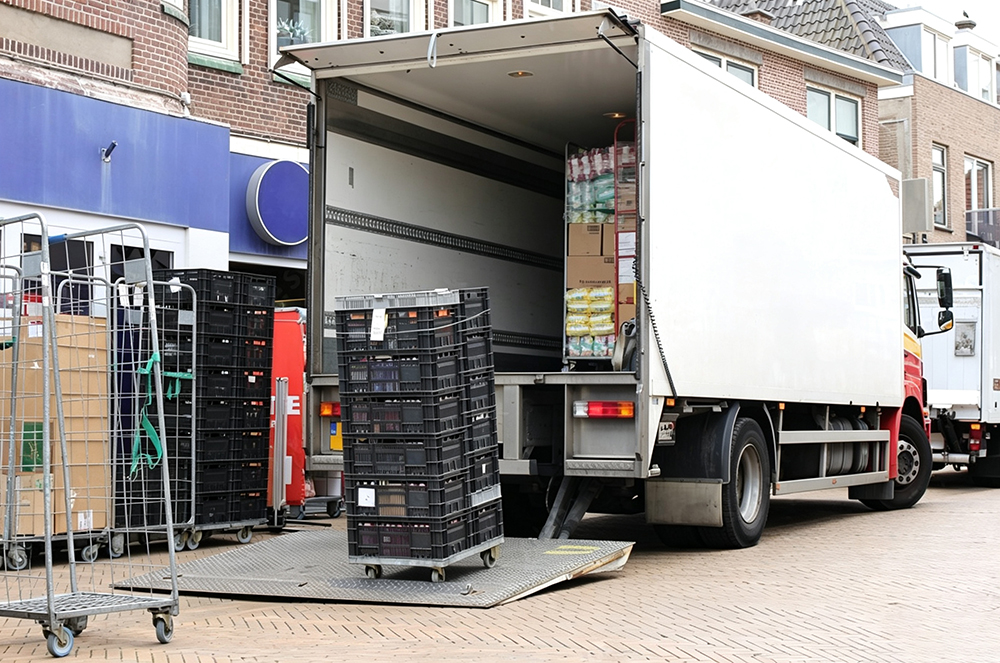
A price quote alone rarely tells the full story. Two quotes for the same rated capacity can differ substantially in build quality, included services, and long-term operating cost. Comparing on unit price alone often leads to an incomplete picture.
Material and Hydraulic System Quality
Material construction is one of the biggest cost and performance variables. Steel platforms cost less upfront and offer strong structural performance. They weigh more, though, and corrode faster in humid or coastal environments. Aluminum platforms cost more initially and cut overall vehicle weight. They typically resist long-term corrosion better, which can lower maintenance spend over the equipment’s service life.
Hydraulic system quality is harder to compare at a glance. Yet it affects reliability more than almost any other factor. Motor power, cylinder quality, and valve components determine how smoothly the platform runs under daily use. They also determine how well it holds up over years. A lower price paired with underspecified hydraulic components often shows up later as more downtime and more repairs.
What a Quote Should Include
Before comparing quotes side by side, confirm exactly what each price covers:
- Whether the supplier includes installation labor in the price or bills it separately
- Whether the quote includes shipping or freight costs
- The length and terms of the warranty period
- How fast the supplier can deliver replacement parts
Hidden costs affect total cost of ownership more than the sticker price does. Spare parts availability decides how fast a unit returns to service after a failure. That matters more for tight delivery schedules than the unit price itself. After-sales support responsiveness decides how much downtime a fleet absorbs when something breaks.
The most useful method compares quotes of the same structural type and capacity class. Comparing across different lift designs rarely works. Differences in mechanism and build complexity make direct price comparisons misleading.
Will a Tail Lift Fit Your Installation Conditions?
Even a correctly sized, well-built tail lift can cause problems if it doesn’t fit the vehicle’s structural and electrical conditions. Confirm installation compatibility before ordering, not after the equipment arrives.
Frame Strength and Mounting Space
Frame strength is the first and most critical check. Tail lift installation changes how load forces travel through the vehicle’s chassis. This matters most at the rear crossmember, where the unit’s weight and the dynamic torque from lifting concentrate. Vehicles with lighter-duty frames may need structural reinforcement before installation. In some cases, a structural engineer needs to confirm the frame can safely carry the added load over time.
Mounting space comes second. The rear of the vehicle needs enough clearance for the platform’s folded and operating positions. It also needs to avoid blocking rear doors, reversing sensors, lighting, or the license plate. This matters most for vehicles with drawbar couplings, tow hitches, or underrun protection bars, where mounting space runs tight already.
Electrical Compatibility and Installation Cost
Electrical compatibility is the third factor, and an easy one to overlook. Most tail lifts run on 12V or 24V systems depending on vehicle class. Confirming voltage compatibility early avoids wiring changes or component mismatches during installation.
Tail lift installation cost also depends heavily on how much structural work the vehicle needs. Vehicles requiring significant reinforcement typically face longer installation timelines and higher costs than standard installations. Identifying this before ordering, not after the equipment has arrived, matters. It lets buyers factor the real installation cost and timeline into the purchasing decision from the start.
A practical pre-installation checklist typically includes:
- Confirming rear frame condition and whether it needs reinforcement
- Measuring available mounting width, height, and clearance space
- Verifying electrical voltage and system compatibility
- Checking that installation won’t block required safety equipment, such as sensors or lighting
- Confirming whether local regulations require re-registration or compliance documentation after installation
Can the Supplier Support You Beyond the Sale?
Equipment quality matters, but ongoing supplier support often decides how well a tail lift performs over its full service life. This factor gets underweighted most often during the ordering process. It never shows up on a spec sheet the way capacity or dimensions do. Anyone working out how to choose the right tail lift needs to look past the unit itself. The supplier behind it matters just as much.
Certification, Installation Support, and Customization
Compliance certification is a reasonable starting point for judging supplier credibility. Reputable manufacturers typically hold recognized quality management certifications. They test products against applicable regional standards for load-handling equipment. Ask for documentation of these certifications instead of taking compliance claims at face value. It gives a verifiable basis for comparing suppliers.
Installation support matters just as much, especially for fleets working across multiple vehicle types or planning international shipment. Suppliers who provide detailed installation drawings, in the format the installing workshop needs, cut the risk of measurement errors and rework during fitting. This matters most for a cantilever tail lift, where mounting accuracy directly affects how smoothly the platform runs once installed.
Customization capability also varies a lot between suppliers. Fleets with non-standard platform sizes, voltage requirements, or coating specifications benefit most from a flexible supplier. Many established truck tail lift manufacturers and tail lift suppliers, including several based in China, treat this kind of flexibility as standard practice for export orders.
Questions to Ask Before You Order
Spare parts availability and after-sales responsiveness deserve direct questions before ordering, not after a breakdown occurs:
- How fast can the supplier source replacement components?
- Does the supplier offer technical support for installation or operational issues?
- What documentation comes with the unit for maintenance and servicing?
A supplier who answers these questions clearly, backed by documentation rather than general assurances, usually makes a more reliable long-term partner. That reliability often matters more than deciding which tail lift is best on paper.
Frequently Asked Questions
How much can a tail lift carry?
Tail lift capacity generally ranges from around 500 kg for light vans to 2,000 kg or more for heavier trucks. The tail lift weight limit for a specific application should exceed the heaviest regular load by at least 20 percent. It should also match the vehicle’s gross vehicle weight rating.
What is the standard platform size for a tail lift?
Platform width commonly ranges from around 1,800 mm to 2,500 mm. Lengths typically fall between 1.5 and 2.5 meters. The right size depends on the cargo dimensions and the vehicle’s rear body width. Matching platform size to actual cargo produces better loading efficiency than choosing a default size.
How do I know if a tail lift will fit my truck?
Fit depends on three factors: frame strength, mounting space, and electrical compatibility. The frame needs to support the added weight and torque. The mounting space needs to leave doors and sensors clear. Confirming these conditions with a structural assessment before ordering avoids costly rework discovered too late.
What questions should I ask before ordering a tail lift?
Beyond load capacity and platform size, ask what the quoted price includes. Confirm whether installation and shipping are separate costs, what the warranty covers, and how quickly spare parts are available. Checking supplier certifications and installation support in advance helps avoid unexpected costs and delays.
Selecting the right tail lift comes down to matching, not maximizing. The goal isn’t the highest available capacity, the largest platform, or the lowest price. It’s finding the combination of capacity, size, installation fit, and supplier reliability that fits actual operating conditions. Working through tail lift capacity, platform dimensions, cost structure, installation compatibility, and supplier support pays off before finalizing an order. It gives fleet operators a clear basis for comparison, and it reduces the risk of costly mismatches once the equipment goes into daily use.
Trusted by Fleet Operators Across 60+ Countries
Stop Losing Time at the Loading Dock.
Get a Custom-Matched Tail Lift Quote in 24 Hours.
60
Countries Served
24h
Quote Turnaround
99.9
Field Uptime
5.0
Customer Rating
No Obligation
CE & UKCA Certified
Standard & Custom Builds
Worldwide Shipping