Having trouble submitting? Email us directly at nicole@beauway.com and we'll get back to you within 24 hours.











Truck liftgate weight capacity: How to choose the right model for your fleet
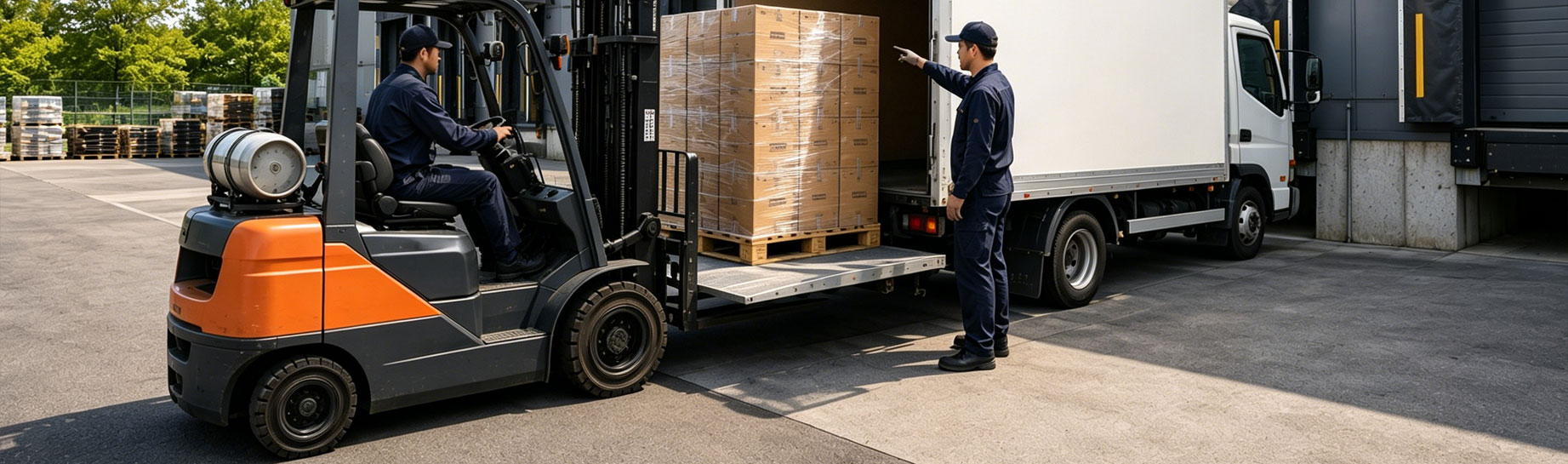
Understanding truck liftgate weight capacity is essential if you manage a commercial delivery fleet, because logistics bottlenecks rarely happen on the highway. They happen at the tail end of the delivery—when a driver arrives at a tight urban storefront with a heavy pallet, staring down from the truck bed at street level.
In modern commercial freight distribution, the liftgate has become an important part of daily commercial transport operations. Specifying the correct truck liftgate weight capacity is critical. Fleet managers often fall into two opposite traps. They either over-spec a massive industrial unit just in case, or pinch pennies on a light unit that fails under daily pounding.
Getting the right truck liftgate weight capacity isn’t just about matching numbers on a spec sheet. It’s an exercise in physics, vehicle dynamics, and operational realism. Whether you need a nimble light-duty solution or a robust heavy industrial system, your truck liftgate weight capacity requires analyzing exact load profiles. Let’s break down how truck liftgate weight capacity impacts your operations without falling for common engineering myths.
Decoding truck liftgate weight capacity: Understanding limits
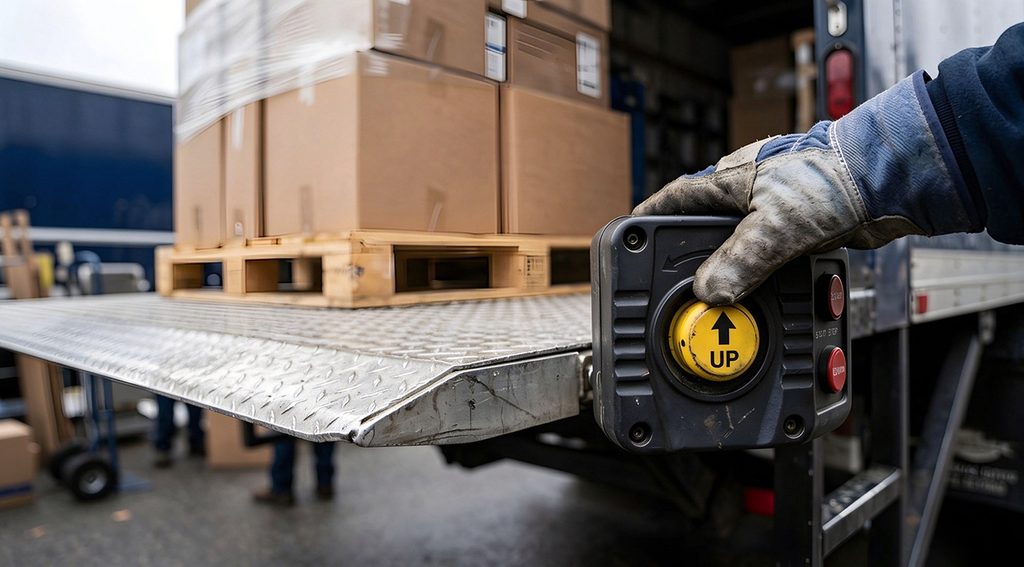
Let’s clear up how liftgate ratings actually work in the real world.
When a spec sheet lists a liftgate capacity or weight limit, it’s easy to assume that number is an absolute guarantee. If cargo weighs 950kg, buyers assume a 1000kg liftgate handles it effortlessly.
Not necessarily. Buyers frequently ask how much weight can a liftgate hold under actual working conditions. The answer always comes down to two foundational engineering concepts: Load Center and Load Moment.
1. The physics of the load center and truck liftgate weight capacity
A liftgate’s rated capacity is calculated based on a specific horizontal distance. This distance establishes the liftgate’s rated capacity from the vehicle body outward.
- The Lever Arm Reality: As your driver rolls a heavy pallet away from the truck bed toward the outer edge, the effective lever arm lengthens.
- The Linear Load Moment Formula: In mechanical statics, stress on support arms and hydraulic cylinders follows a direct linear relationship:$$\text{Load Moment} = \text{Load Weight} \times \text{Distance from Pivot Point}$$
- What This Means for Drivers: Moving the load farther from the vehicle body increases the load moment. This reduces the allowable load at that position. Respecting load center boundaries is the best way to protect your truck liftgate weight capacity limits.
2. Interpreting manufacturer load charts
Every quality manufacturer provides a detailed load chart. Lifting capacity decreases as the center of gravity moves outward. Fleet managers should never rely solely on headline capacity ratings. Review load charts against your heaviest typical cargo configuration. If your pallets are wide, factor in the resulting reduction in effective truck liftgate weight capacity.
Why truck liftgate weight capacity matters for higher-capacity models
There’s a persistent myth in fleet management that bigger is always better. Putting a heavy-duty lift on a 16-foot box truck sounds smart. In practice, over-specifying creates hidden operational penalties:
- The Payload Penalty: Heavier liftgates require thicker steel and larger hydraulic cylinders. Every extra kilogram of equipment deadweight steals from your legal payload capacity. Hauling dead weight burns extra fuel and drains electric truck battery range.
- Chassis and Frame Conflicts: Heavy-duty lifts demand deep clearance beneath the chassis. Forcing a massive lift onto a light-duty frame creates frustrating clashes with fuel tanks and exhaust routing.
- Slower Cycle Speeds: Industrial systems cost more upfront and operate with slower cycle times. On high-frequency routes, small cycle time differences accumulate into meaningful downtime.
The goal is precise operational alignment with your actual cargo profile.

Comparing truck liftgate weight capacity classes: 500 kg to 2000 kg
This guide compares four liftgate capacity classes: 500 kg, 1000 kg, 1500 kg, and 2000 kg. Let’s examine how each tier fits commercial freight.
1. The 500 kg class for urban distribution
- Best Suited For: Light commercial vehicles, courier vans, and electric logistics vehicles navigating narrow urban alleyways.
- Typical Cargo: E-commerce parcels, boxed retail goods, small home appliances, and light merchant drops.
- Operational Fit: This tier is engineered for high-frequency urban delivery. Preserving maximum vehicle payload helps fleets stay within Gross Vehicle Weight Rating limits.
2. The 1000 kg class for standard palletized deliveries
- Best Suited For: General commercial distribution paired with standard box truck with liftgate setups.
- Typical Cargo: Palletized dry freight, beverage crates, boxed furniture, and regional retail restocking supplies moved via manual pallet jacks.
- Operational Fit: The 1000 kg class offers robust lifting power while keeping equipment deadweight lean and efficient.
3. The 1500 kg class for heavy-duty logistics
- Best Suited For: Mid-to-full-size commercial distribution trucks tackling multi-stop routes with intense daily cycle counts.
- Typical Cargo: Heavier palletized loads, industrial components, building materials, and cold-chain logistics.
- Operational Fit: Built with enhanced platform torsional rigidity and high-flow hydraulic power units designed to resist thermal fatigue.
4. The 2000 kg class for industrial applications
- Best Suited For: Heavy commercial transport, industrial flatbeds, and specialized logistics trucks moving high-density industrial cargo.
- Typical Cargo: Heavy machinery parts, large metal molds, automotive components, and heavy industrial generators.
- Important Operational Caution: Verify whether high-capacity models are certified to support powered material handling equipment like riding electric pallet trucks. Always cross-reference manufacturer load charts.

Practical truck liftgate weight capacity selection and vehicle compatibility
Looking at cargo weight alone is a rookie mistake. A bulletproof procurement decision requires a holistic look at vehicle integration, geometry, and electrical demands.
1. Factoring in total cumulative weight
One common cause of accidental overload is forgetting to calculate the entire weight moving onto the platform. Your total lift mass equation should account for all contributing factors:
$$\text{Total Lift Mass} = \text{Net Cargo Weight} + \text{Pallet Weight} + \text{Handling Equipment Weight} + \text{Personnel Weight}$$
Remember, if an operator steps onto the platform while managing a pallet jack, that extra weight counts toward the total load.
2. Vehicle payload, GVWR, and axle loading
Adding a hydraulic liftgate fundamentally changes your truck’s weight distribution:
- GVWR Limits: Combined weight of chassis, body, fuel, passengers, liftgate deadweight, and cargo must never exceed certified Gross Vehicle Weight Rating.
- Rear Axle Loading: Rear-mounted liftgates increase rear-axle loading and impose bending moments on the chassis. Ensure your rear suspension and tire ratings are adequate.
3. Platform dimensions and material choice
- Depth and Width: Deeper platforms make loading easier with pallet jacks, but they amplify the load moment, reducing outer-edge lifting capacity.
- Materials: Aluminum platforms reduce equipment weight and preserve available payload. Steel platforms offer unmatched impact resistance for rough industrial yards.
4. Electrical system and hydraulic integration
Hydraulic Power Units draw heavy instantaneous electrical current.
- Electrical Integration: Frequent liftgate cycles increase electrical demand, making battery capacity, alternator output, and cable sizing vital considerations.
- Power Supply: Follow manufacturer installation requirements rather than assuming the engine must remain running during every lift.
- Duty Cycle: High-frequency operation increases thermal and electrical loads. Select HPUs according to expected operating frequency and environmental conditions.
When evaluating a lift gate truck or designing a custom truck lift gate configuration, ensuring that both the truck lift gate capacity and vehicle electrical system match the intended duty cycle prevents unexpected downtime.
Strategic procurement and truck liftgate weight capacity maintenance
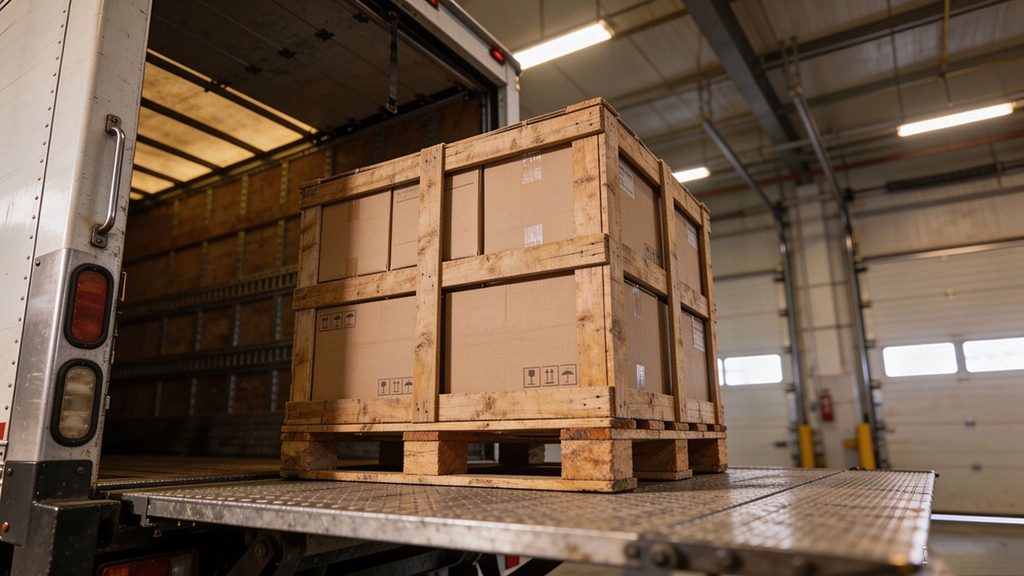
Selecting the right capacity during procurement is only half the battle. To maximize return on investment, fleet managers must integrate long-term operational strategies into vehicle planning.
1. Preventive maintenance and inspection protocols
Hydraulic systems, electrical solenoids, pivot pins, and platform hinges undergo immense stress during daily delivery cycles. Establish a rigorous preventive maintenance schedule:
- Monthly Checks: Inspect hydraulic fluid levels, check hoses for micro-leaks, and test battery cable connections.
- Quarterly Inspections: Grease pivot points, check hinge pins for excessive play, and verify safety latches operate smoothly.
- Annual Load Testing: Conduct authorized pressure and load testing to confirm relief valves are calibrated correctly.
2. Operator training and safety compliance
Even robustly specified liftgates fail prematurely if operators are improperly trained. Institute mandatory training modules covering:
- Proper centering of cargo to prevent off-center loading stress.
- Safe operation of folding platforms and extension ramps.
- Emergency stop procedures and manual override operations.
Conclusion on truck liftgate weight capacity
Choosing the right truck liftgate weight capacity isn’t about guessing or defaulting to the heaviest model. It’s an exercise in precise operational alignment. By calculating total cumulative load, respecting load center physics, and matching equipment classes to your exact route profiles, you protect your operators, eliminate maintenance headaches, and keep your fleet moving efficiently.
Analyzing fleet duty cycles for truck liftgate weight capacity
To truly master liftgate specification, fleet engineers must look beyond static payload numbers and evaluate harsh environmental and operational variables. Different industries impose drastically different stresses on hydraulic lifting systems.
1. Temperature extremes and hydraulic fluid viscosity
Hydraulic fluid performance varies across climate zones. In freezing northern winters, standard oils thicken, causing sluggish cycle times and pump cavitation. Scorching summer temperatures or intense urban delivery cycles can thin oil, leading to reduced volumetric efficiency.
- Cold-Weather Best Practices: Specify low-temperature synthetic hydraulic fluids and install thermal battery wraps in sub-zero climates.
- Hot-Weather Operations: Utilize high-viscosity index anti-wear oils and ensure adequate airflow around the HPU enclosure.
2. Multi-drop urban density vs. long-haul regional freight
Operation frequency dictates component wear:
- High-Frequency Urban Distribution: Delivery fleets executing 40 to 60 drops per shift place cyclical fatigue on electrical switches and battery banks. Heavy-duty connections and dual-battery setups are non-negotiable.
- Low-Frequency Regional Logistics: Fleets operating 3 to 5 drops per day prioritize structural durability against heavy industrial pallets over high-cycle electrical endurance.
Advanced hydraulic architecture for truck liftgate weight capacity
Understanding mechanics beneath the truck bed helps fleet managers make informed purchasing decisions when comparing manufacturer designs.
1. Gravity-down vs. power-down systems
- Gravity-Down Platforms: These systems use hydraulic power exclusively to raise the platform, relying on gravity to lower it. They draw less electrical current and feature fewer components prone to wear.
- Power-Down Platforms: These systems use active hydraulic pressure in both directions. They provide positive platform control, essential on steep inclines or in sub-zero freezing temperatures.
2. Level-ride vs. conventional tuckunder and railgate designs
- Parallel Arm Lifts: These platforms remain level throughout vertical travel, ideal for delicate cargo, rolling carts, and unstable stacks.
- Tuckunder Lifts: Storing neatly beneath the truck bed, tuckunders offer maximum dock-loading flexibility without requiring the liftgate to swing open.
- Railgates and Cantilever Lifts: Offering massive platform stability and heavy weight ratings, railgates are the gold standard for heavy industrial delivery.
Financial TCO optimization for truck liftgate weight capacity
When procurement committees evaluate liftgate investments, they often focus solely on initial purchase price. A comprehensive financial model must account for Total Cost of Ownership over a 5-to-7-year vehicle lifecycle:
- Initial Acquisition vs. Maintenance: Saving money on an undersized liftgate results in thousands of dollars in premature cylinder repacking and vehicle downtime.
- Fuel and Payload Efficiency: Choosing lightweight aluminum platforms preserves payload capacity and yields cumulative fuel savings over highway miles.
- Resale and Residual Value: A well-maintained commercial truck equipped with a reputable, properly rated liftgate commands higher resale value in the secondary market.
Summary matrix for truck liftgate weight capacity procurement
To summarize your purchasing workflow, always cross-reference vehicle chassis limits, electrical charging output, route frequency, and cargo weight against manufacturer load charts. Treating liftgate selection as an exact engineering science ensures maximum fleet uptime, enhanced operator safety, and superior long-term profitability.
Trusted by Fleet Operators Across 60+ Countries
Stop Losing Time at the Loading Dock.
Get a Custom-Matched Tail Lift Quote in 24 Hours.
60
Countries Served
24h
Quote Turnaround
99.9
Field Uptime
5.0
Customer Rating
No Obligation
CE & UKCA Certified
Standard & Custom Builds
Worldwide Shipping