Thank You for Your Inquiry!
We've received your message and truly appreciate your interest. Our team will get back to you within 24 hours.
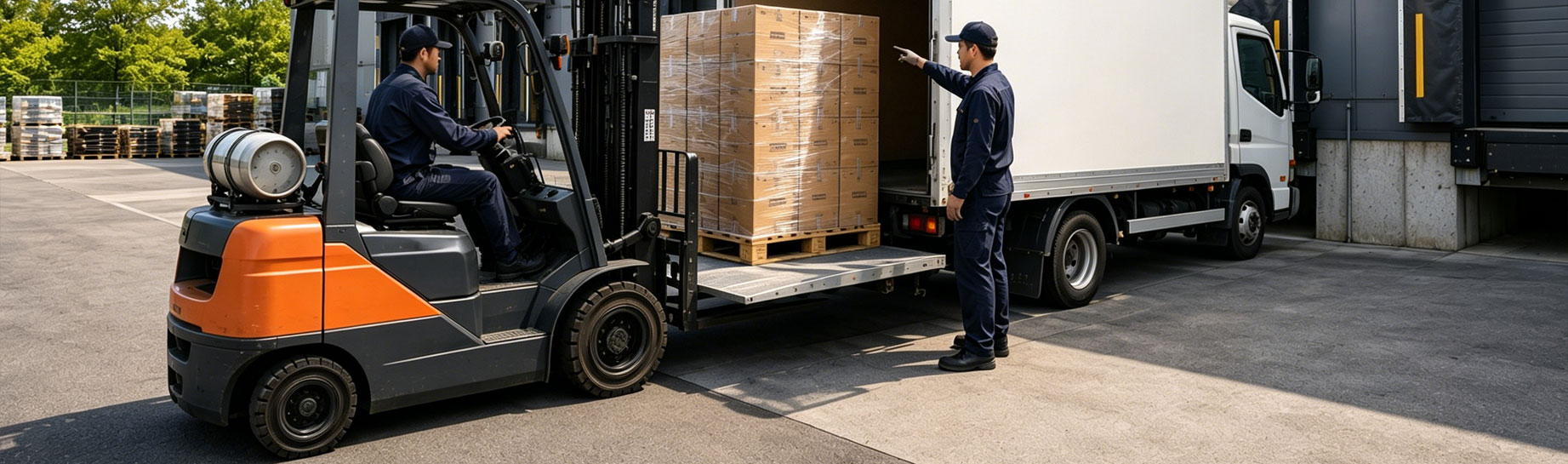
After nearly ten years in commercial vehicle modification and logistics equipment selection, I have seen too many fleets run into problems caused by loading and unloading operations—either workers get injured, cargo damage occurs frequently, or efficiency gets stuck in the last mile. Every time we analyze these issues in depth, the problem often points to the same thing: improper tail lift configuration, or simply the lack of a proper hydraulic tail lift.
In this article, I want to clearly explain where the real advantages of hydraulic tail lifts are. No empty talk—only practical insights. The target readers are tail lift maintenance personnel, fleet managers, and equipment procurement staff. Everyone’s time is valuable, so I will keep it to the point.
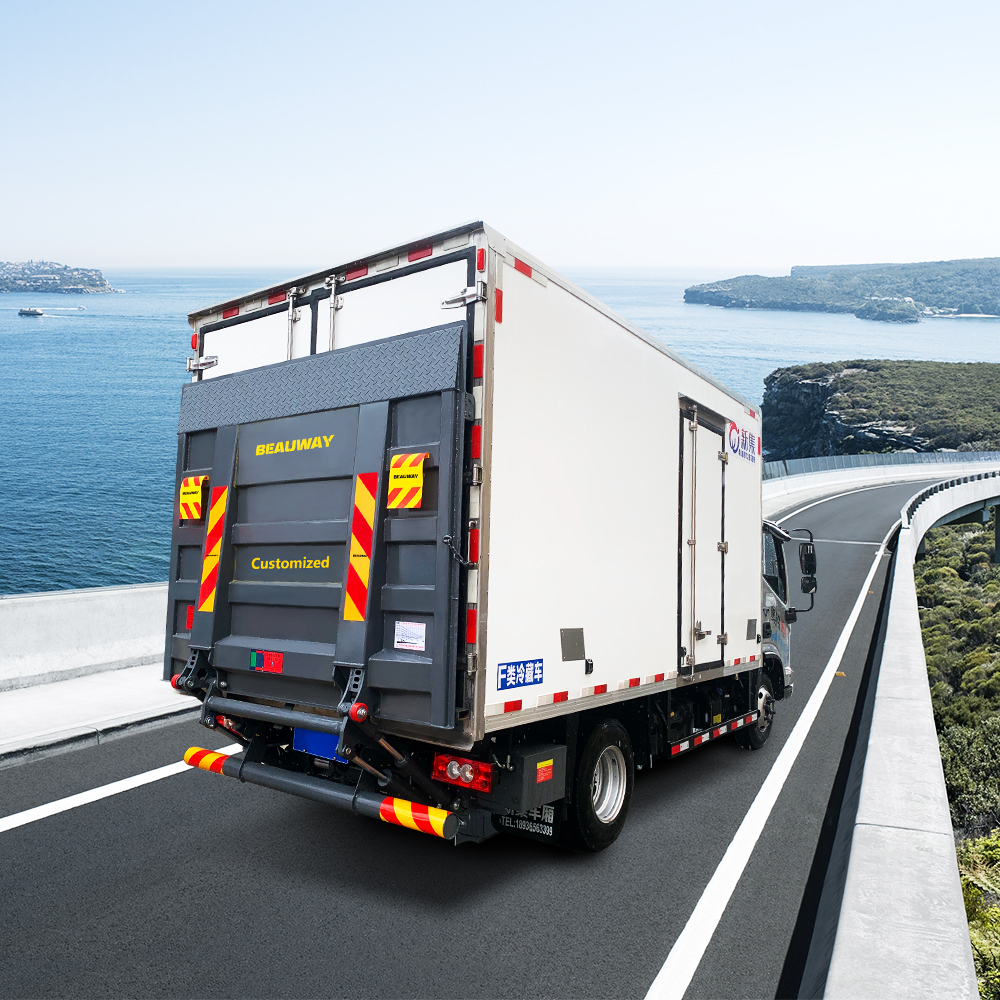
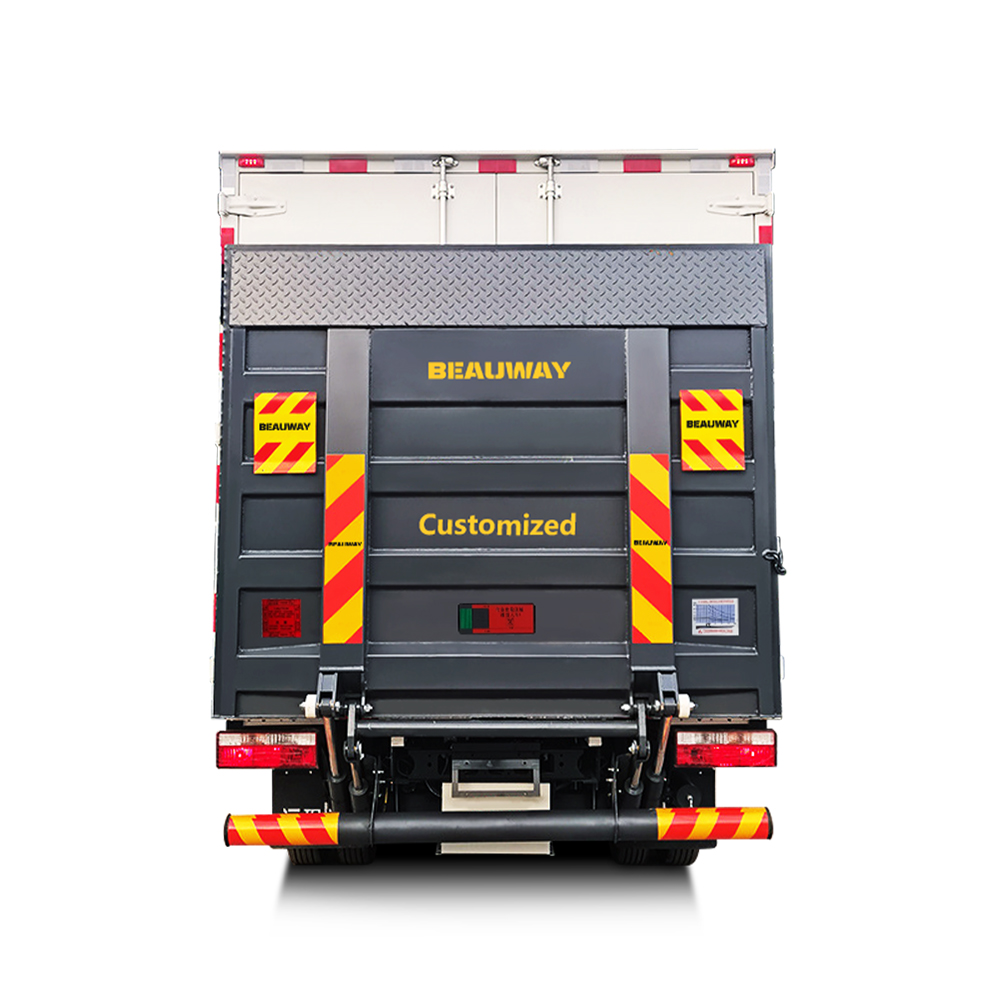
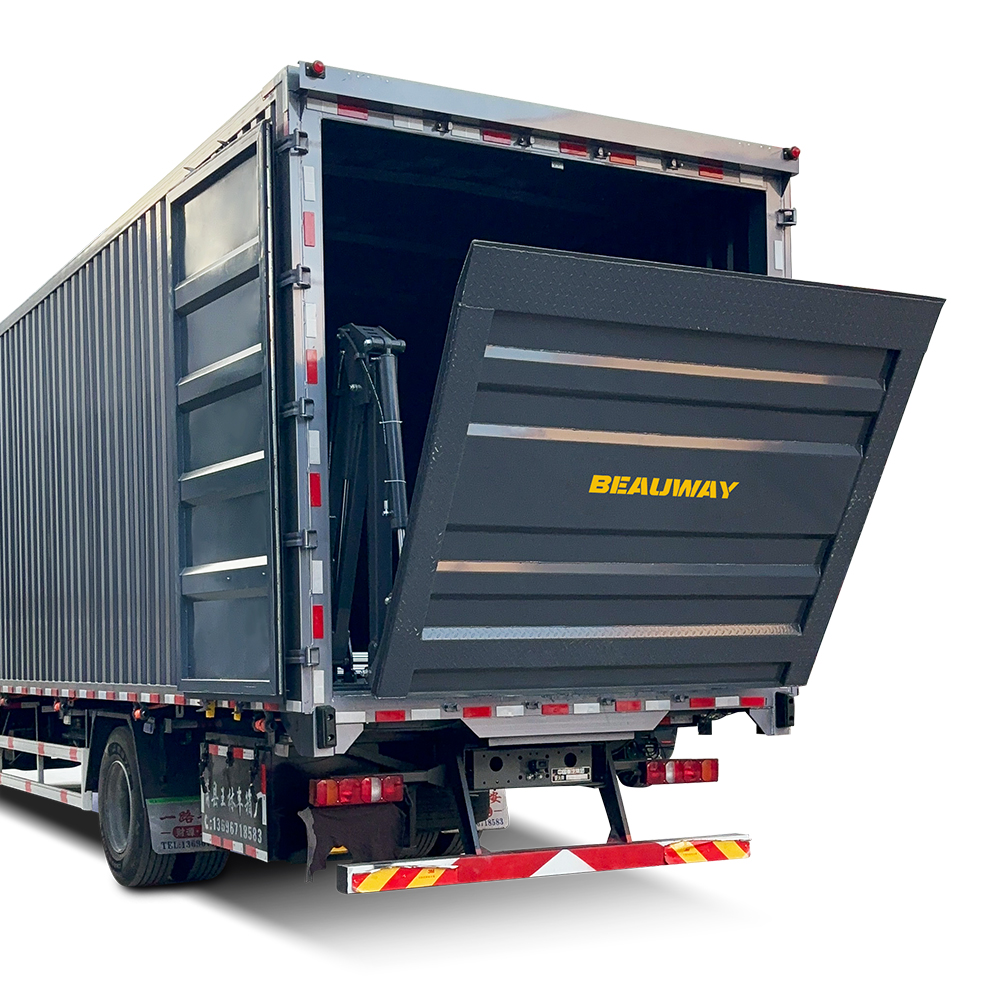
A hydraulic tail gate lift, commonly referred to as a hydraulic tail lift, is a mechanical lifting device installed at the rear of a vehicle (usually a truck or box van). The core principle is that a hydraulic system drives the platform to move up and down. The operator only needs to control buttons or switches to transfer cargo between the ground and the truck bed.
Hydraulic tail lifts are widely used in logistics, distribution, and transportation industries. They come in multiple sizes and load capacities, allowing them to match different vehicle types and cargo requirements. As a professional hydraulic tail lift manufacturer, Beauway has been deeply engaged in tail lift manufacturing in China for many years, with a product line covering everything from light vans to heavy-duty trucks.
This is the most direct value of a hydraulic tail lift. In the past, using manual rollers or ramps for loading required three or four people to handle a standard pallet. If the cargo was heavy or ground conditions were poor, the process took even longer.
After using a hydraulic tail lift, a single operator can complete the lifting process independently. The entire loading and unloading cycle can be reduced by 40%–60%.
I worked with a cold-chain distribution company that had hydraulic tail lift trucks stopping at more than 20 delivery points per day. Before upgrading, loading and unloading alone took nearly two hours daily. After installing hydraulic tail lifts, this was reduced to under one hour. Driver fatigue dropped significantly, and complaint rates decreased noticeably.
High-quality hydraulic tail lifts are not made with compromises on materials. Mainstream hydraulic tail gate lift platforms and frame components are usually made of high-strength steel or aluminum alloy:
Structural components such as lifting platforms, main frames, and support arms are all designed for heavy-duty conditions. Reputable hydraulic tail lift manufacturers typically conduct static load testing at 1.25 times the rated capacity before leaving the factory.
From a maintenance perspective, wear parts are mainly seals, hydraulic hoses, and hinge points. As long as there is no collision damage, structural components often last longer than the vehicle itself.
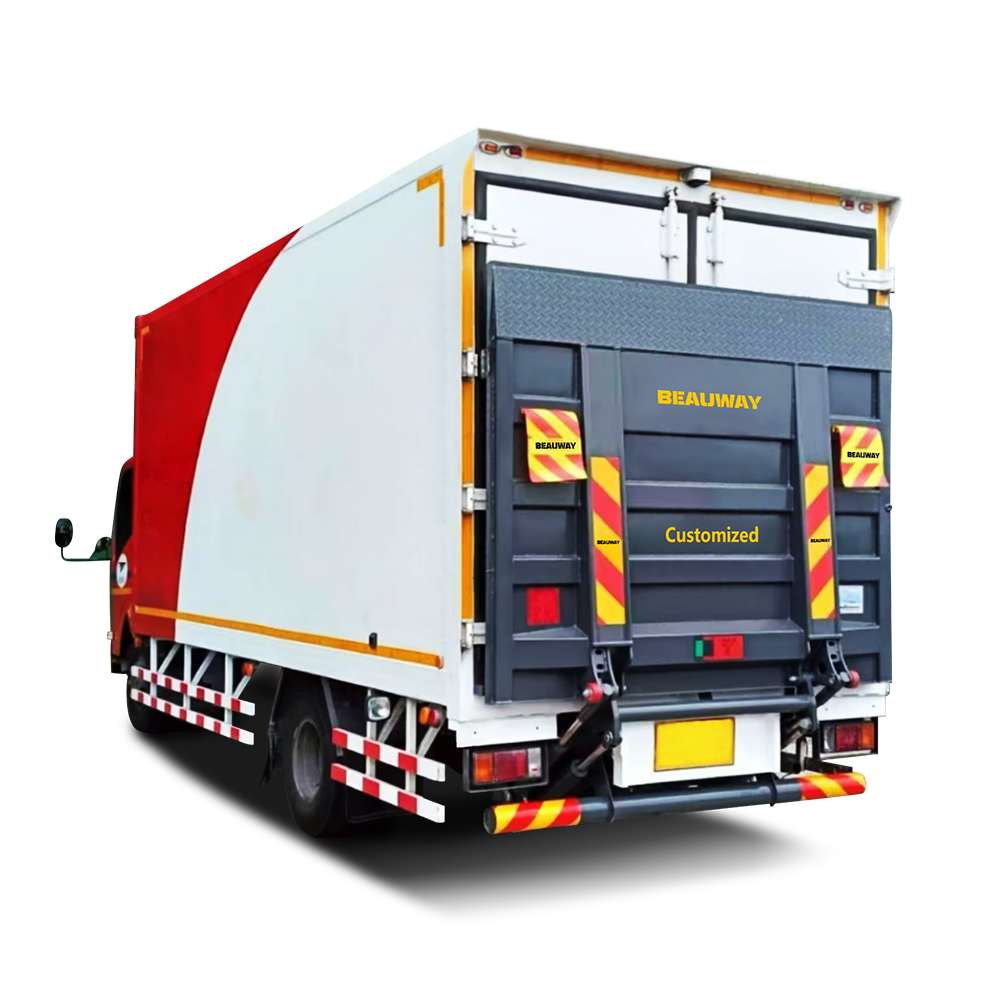
The application scope of hydraulic tail lift platforms is not limited to logistics and delivery. Any industry involving vertical heavy cargo handling can use them:
A properly configured hydraulic tail lift truck can handle palletized goods, boxed cargo, and loose items without additional specialized tools.
This is a key point for fleet procurement teams. Both hydraulic cantilever tail lifts and hydraulic column tail lifts are designed with standardized installation methods. They can be directly mounted on the rear chassis or integrated into the vehicle body during factory production.
In most cases, installation does not require major structural modification. Professional teams can complete installation and testing within half a day to one day per vehicle. Compared with forklifts or lifting platforms, hydraulic tail lifts for vans and trucks require lower initial investment and maintenance costs.
The hydraulic pump for tail lift is the core power source of the entire system. It pressurizes hydraulic oil and drives the cylinder to move, resulting in smooth, continuous, and precisely controlled motion—unlike pneumatic or electric screw systems that may produce jerky movement.
This smoothness is critical for cargo protection, especially for precision equipment, fragile goods, or frozen products. Hydraulic pump systems typically operate within 80% of rated pressure to ensure stability and extend service life.
Some hydraulic tail gate lifts are equipped with foldable platforms. When not in use, the platform can be folded vertically.
Practical benefits include:
For hydraulic tail lifts for vans operating in urban environments, folding design is almost a standard requirement.
This point is often underestimated by fleet managers.
According to industry data, over 35% of occupational injuries in logistics workers are related to manual lifting and bending operations. After introducing hydraulic tail lifts, operators no longer need to lift heavy loads manually. They only operate controls in a standing position, significantly reducing back and muscle strain risks.
This leads to lower injury rates, reduced employee turnover, lower compensation costs, and more stable operations overall.
Hydraulic tail lift platforms usually include anti-tilt protection systems. Sensors or limit switches monitor platform balance in real time. If uneven load distribution or unsafe tilt angles are detected, the system will restrict movement or trigger alarms to prevent cargo tipping or platform instability.
This feature is often overlooked, but it is critical when handling long goods or uneven pallet loads.
Safety features are a key indicator of hydraulic tail lift manufacturers’ product quality. Mature systems typically include:
Hydraulic cantilever tail lifts and hydraulic column tail lifts may differ in safety configurations depending on design focus.
Standard products solve general problems, while customized solutions handle special scenarios. Hydraulic tail lifts can be equipped with:
For large fleets with complex operations, customization from professional hydraulic tail lift manufacturers is often more cost-effective than forcing standard solutions.
| Comparison Item | Hydraulic Cantilever Tail Lift | Hydraulic Column Tail Lift |
|---|---|---|
| Structure | Cantilever design, compact | Column-guided, high stability |
| Vehicle Type | Light to medium vehicles | Medium to heavy-duty vehicles |
| Load Capacity | Lower | Higher |
| Applications | Urban delivery, last-mile logistics | Heavy transport, warehouse loading |
Procurement Advice: When selecting a model, provide vehicle total weight, daily loading frequency, operating environment (indoor/outdoor/slope), and maximum load per operation to the supplier for proper configuration recommendations.
Many fleets invest heavily in equipment but neglect maintenance, leading to premature failures such as hydraulic pump leakage or cylinder seal damage.
Basic maintenance checklist:
Maintenance records for hydraulic tail lift trucks should be integrated into fleet documentation for traceability and warranty support.
The value of hydraulic tail lifts is not just about “reducing labor.” It affects the entire logistics chain in terms of safety, efficiency, and operating cost.
From anti-tilt protection in hydraulic tail lift platforms, to stable output from hydraulic pumps, to adaptability of hydraulic tail lifts for vans in urban delivery, each feature has real operational significance.
This article focuses on practical scenarios rather than theory, making it useful for maintenance personnel, fleet managers, and procurement teams.
As one of the professional hydraulic tail lift manufacturers in China, Beauway has been deeply involved in commercial tail lift systems for years, offering solutions covering hydraulic tail lifts for vans, hydraulic tail lift trucks, and heavy-duty hydraulic column tail lifts. The engineering team provides tailored selection support based on vehicle parameters and operational needs, covering design, production, and after-sales service.
For more technical details or customized solutions, you can contact the Beauway professional team at any time.