Having trouble submitting? Email us directly at nicole@beaway.com and we'll get back to you within 24 hours.











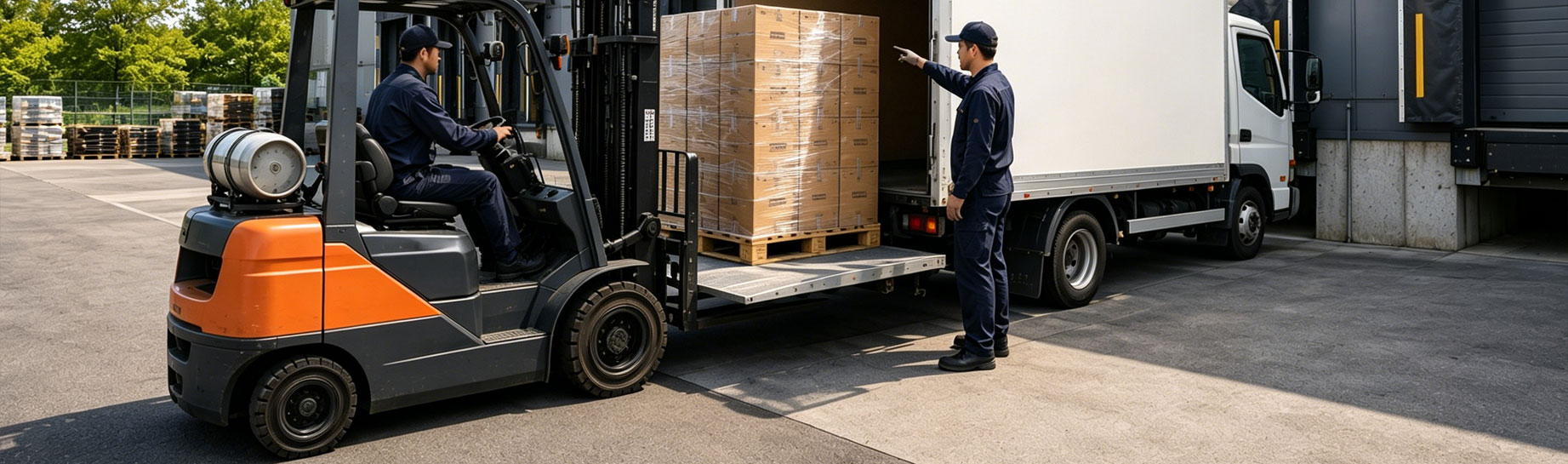
Folding Tail Lift: How It Works, Maintenance Tips & Buying Guide
Introduction
Over a decade in logistics loading equipment. The hydraulic tail lift for truck world has more variation than specs sheets suggest, and folding designs sit in a strange spot — fleet managers either get them immediately or spend months second-guessing the fit. This is the field version of that conversation, written for people who need to actually decide something or fix something.
How a Folding Tail Lift Works
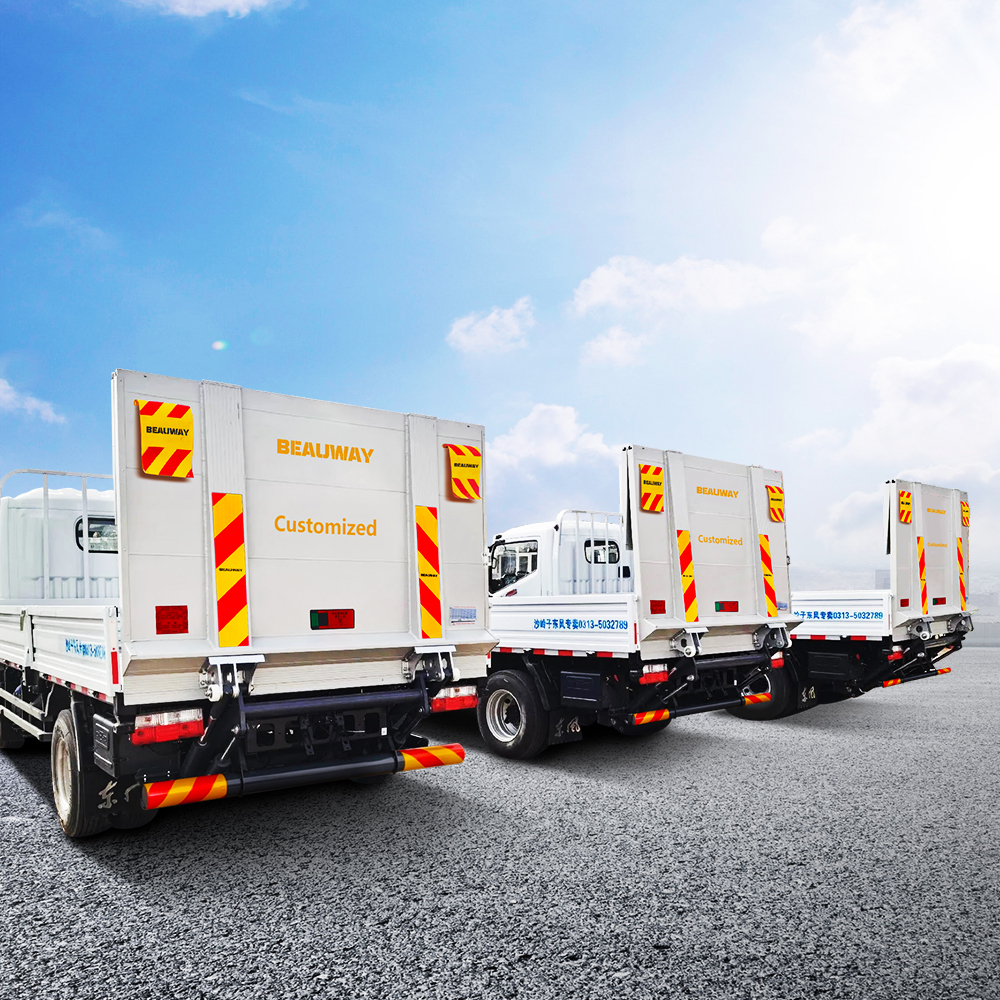
Stowed, the platform folds back against the truck’s rear. Nothing below the chassis, ground clearance intact, no surprises pulling into a low bay. Same rear position as a cantilever lift — just a different mechanism getting it there.
Using it is four moves: unfold, lower to ground, load or unload, raise and fold away. The truck tail lift system running underneath is a hydraulic circuit, double-acting cylinder on the lift side. Pump near the chassis rail, fed off vehicle electrics or a separate battery depending on how it was installed.
Mechanically it’s not complicated. The hinge points are where things eventually go wrong — more on that below.
Where It Fits, Where It Doesn’t
Works well on urban delivery routes. Variable kerb heights, unpredictable stopping conditions, docks that weren’t designed with any particular vehicle in mind. Refrigerated box trucks are another strong match — platform folds flush, which actually helps with door sealing in a way a lot of people don’t think about until they’ve had a cold chain problem.
High-frequency runs with loads in the 500 kg to 2000 kg range per lift, sites with height restrictions at the entrance — both suit a folding tail lift for truck body well. The flat stow is the whole point in those cases.
Where I’d slow down: rough terrain operations. Quarry sites, active construction. Hinge points on these units were not designed for constant vibration loading and the wear shows up faster than the service schedule assumes. Irregular oversized cargo is another issue — the platform is what it is, dimensionally. And for fleets watching tail lift for sale pricing closely, folding mechanisms cost more to build to a decent standard than basic tilt-down designs. That gap is usually real, not negotiable.
What Happened in Germany — April 2023
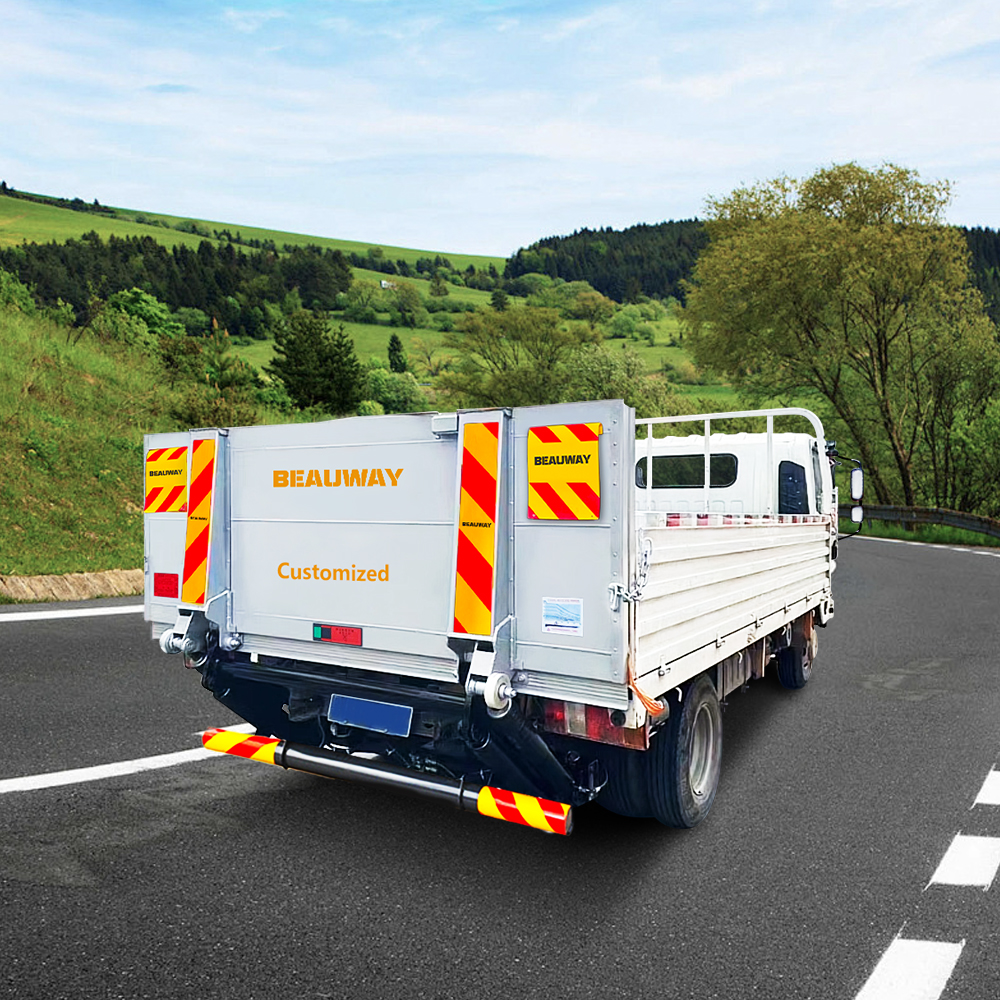
Distribution centre outside Hamburg. Folding hydraulic tail lift, 1500 kg rated capacity, on a 7.5-tonne box truck. Five years in service.
Driver came in saying the platform was dropping on the left after unfolding. Three to five centimetres lower than the right side. Not usable in that condition.
Static check first — platform at lowest position, no load, eyes on the hinge area. Two bolts on the left bracket had worked loose over time. Bushing worn past tolerance. Pulled it apart and found uneven pin wear on one face, depth right at the edge of the replacement window — 0.5 to 1.0 mm for this type of unit.
What we did:
- Retorqued every fastener in the fold mechanism to manufacturer spec — proper torque wrench, no estimating
- Left hinge pin and bushing assembly replaced
- Right side checked while open — borderline wear, replaced it too rather than come back in two months
- One hydraulic line protective sleeve was cracked, fitted a replacement abrasion guard
- Correct grease packed in, ran the full fold/unfold cycle until movement was consistent throughout
The pattern repeats on similar jobs: drivers don’t report this early because three centimetres of drop feels like something they can work around. By the time it lands in the workshop, the pin wear is usually advanced and you’re into fold arm replacement territory — a completely different scale of intervention. Quarterly hinge clearance checks on the mandatory service list, not discretionary, is the fix for this before it starts.
Keeping It Running
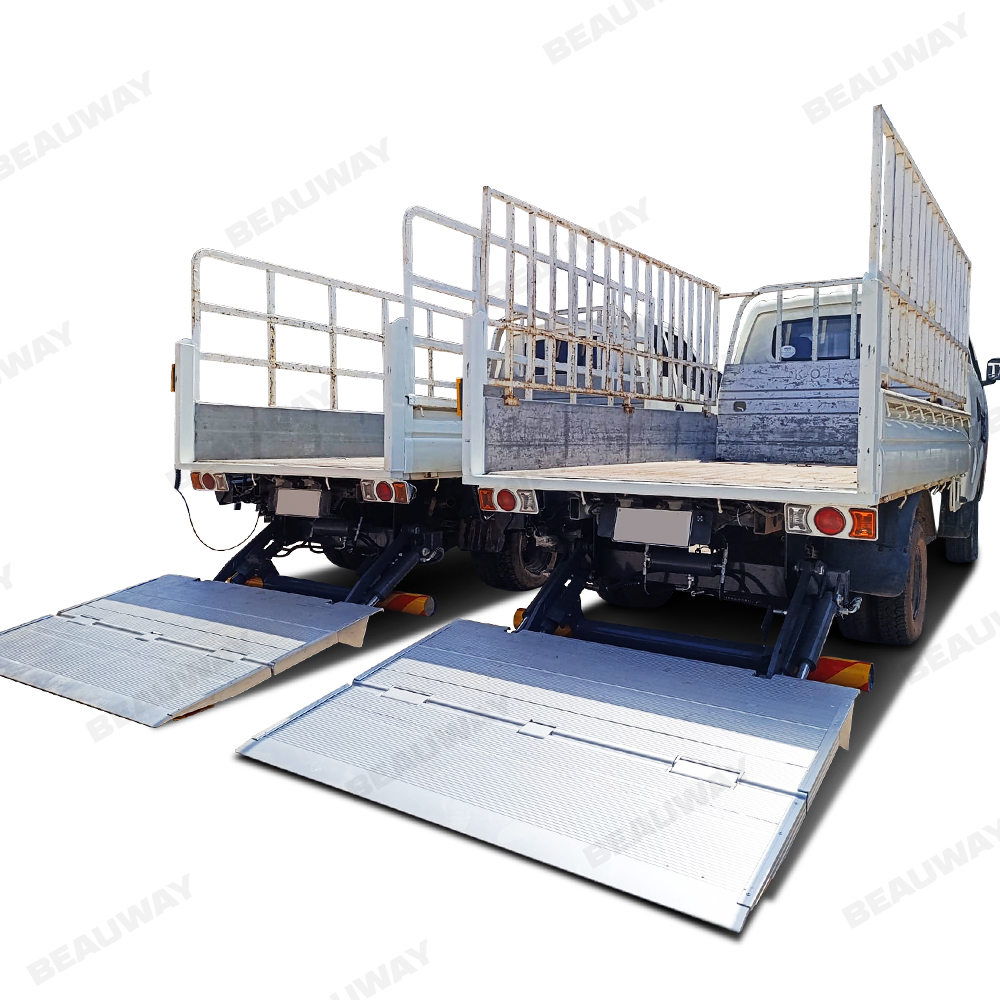
Checks that actually make a difference:
- Hinge bearing clearance every 500 cycles or monthly. Any play found, deal with it that day
- Oil level monthly, visual. Annual change, filter cleaned at the same time — not one without the other
- Travel lock weekly. Does it hold for the road or does it feel marginal? Check it properly
- Anti-slip surface: past 50% wear it needs attention, not a note for next time
- Wiring harness quarterly, especially sections running through the hinge movement zone. Abrasion and moisture, those two things account for most electrical faults on tail lift for logistics vehicles
When something’s actually wrong:
| Symptom | Likely Cause | Where to Start |
|---|---|---|
| Slow or weak lift | Pump wear, oil viscosity, relief valve | Oil level first, then pressure test |
| Sticks during unfolding | Hinge corrosion, cylinder stroke | Clean the hinge, check cylinder travel |
| Platform creeps down | Check valve leak, piston seal | Pressure hold test, then pull the valve |
| Uneven after folding | Hinge distortion, lock pin wear | Measure hinge geometry |
| Controls dead | Fuse, wiring break | Power supply first, then trace |
The relief valve thing — comes up constantly. Someone winds it up because the lift felt slow, it works for a while, then the seals and pump pay for it. Leave the valve alone and find the actual cause.
Buying One
tail lift installation on truck evaluation works better in this sequence than any other I’ve tried:
- Daily cycle count and peak load per lift first. Everything else follows from the capacity class — 500, 1000, 1500, 2000 kg
- Chassis model and body construction confirmed before shortlisting anything. Mounting points either work or they don’t
- Site conditions — surface, gradients, how much room there actually is to maneuver and stop
- Workshop capability honestly assessed. If the team hasn’t touched hydraulic equipment before, training isn’t optional
- Parts lead times, asked directly. Some tail lift manufacturer China suppliers — the smaller operations especially — have slow component pipelines that only become obvious the first time something needs replacing
The best tail lift for delivery truck question doesn’t have a clean answer. What does narrow it down: manufacturing precision and traceable hydraulic components. Those two things predict how the unit holds up at year three better than most of what’s on the spec sheet. Understanding how does a folding tail lift work before those conversations changes the questions you ask — and which answers actually mean something.
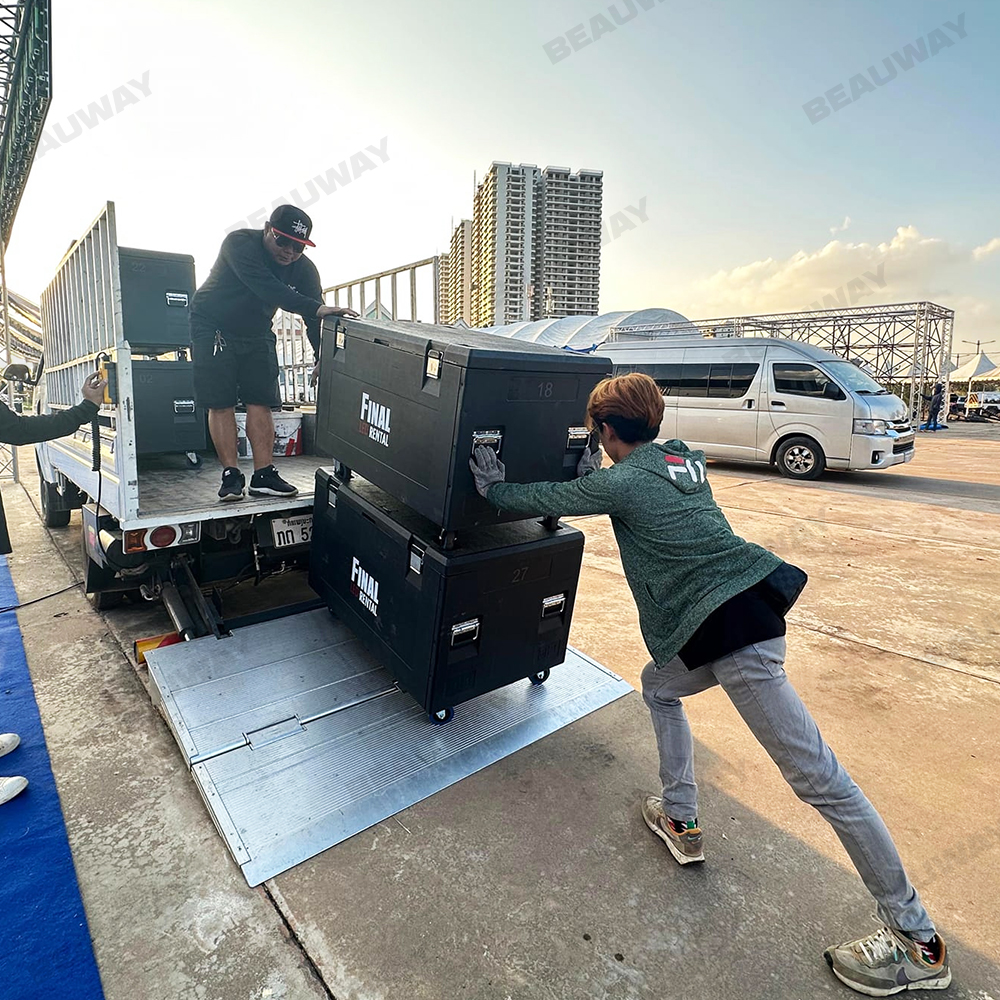
Installing It
Mounting brackets on the primary load-bearing structure of the body. Not the outer skin panels — skin mounting cracks, timeline varies but the outcome doesn’t.
Hydraulic lines away from exhaust heat. Damping clamps wherever vibration is consistent, not just where it’s convenient. Control wiring in its own run, away from main vehicle power — shared conduit causes interference that shows up intermittently and takes a while to trace.
Before the truck goes to work: full-stroke functional test, static load hold at rated capacity, check for leaks, check for platform drift. Not a formality.
For any truck loading tail lift solution, get the supplier involved while the vehicle is still being specced. Retrofitting after the body is built always means structural compromises. Sometimes minor, sometimes not.
A folding tail lift maintained properly runs for the life of the truck in most urban distribution applications. The folding tail lift advantages — compact stow, consistent height, no chassis intrusion — hold up in practice. The condition is that the unit was built well enough to survive daily use at volume. Worth confirming before signing anything.
Beauway has specialised in logistics loading equipment for many years, covering tail lifts, dock levellers, and lifting platforms across the full product range. To discuss a solution matched to your specific operating conditions, reach out to arrange a technical consultation.
Trusted by Fleet Operators Across 60+ Countries
Stop Losing Time at the Loading Dock.
Get a Custom-Matched Tail Lift Quote in 24 Hours.
60
Countries Served
24h
Quote Turnaround
99.9
Field Uptime
5.0
Customer Rating
No Obligation
CE & UKCA Certified
Standard & Custom Builds
Worldwide Shipping