Having trouble submitting? Email us directly at nicole@beaway.com and we'll get back to you within 24 hours.











Dock Leveler Total Cost of Ownership: What Purchase Price Doesn’t Tell You
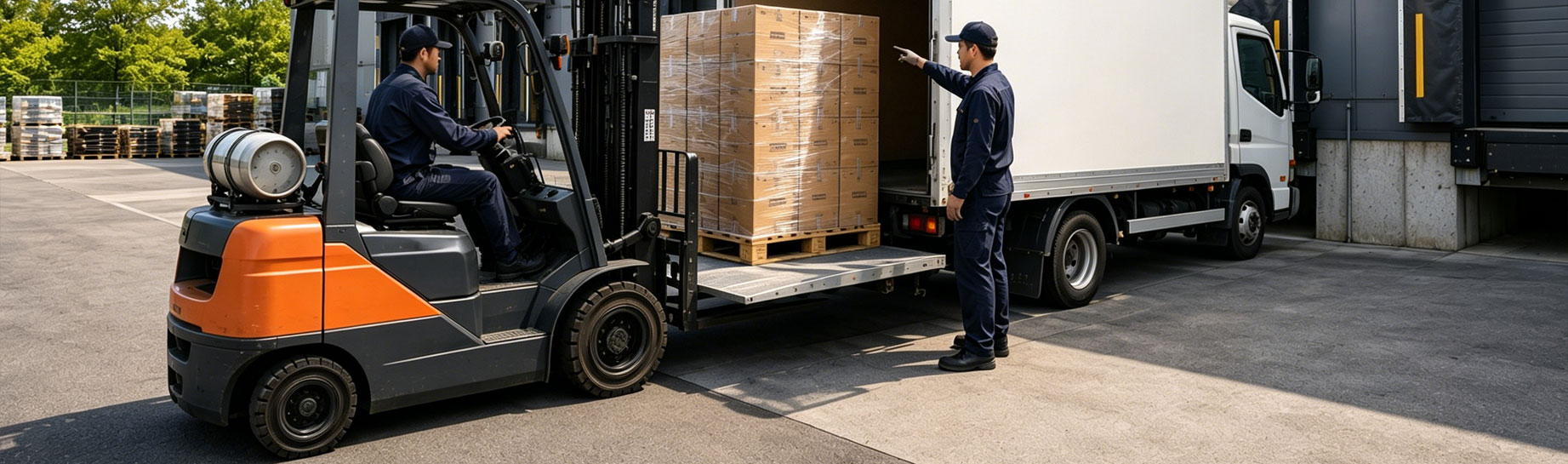
Two vendor quotes for the same dock position can differ by several thousand dollars. The lower number often looks like the safer choice. But purchase price is only the first line of a much longer ledger. Dock leveler total cost of ownership is the combined cost of purchase, installation, maintenance, repairs, downtime, and eventual replacement. That combined figure is what actually determines whether a piece of equipment was a good investment. Reading a quote with that fuller picture in mind changes the comparison entirely.
It is common across the industry for a facilities manager to select equipment based on the lowest quoted price. The savings can disappear within the first few operating years. A unit that needs frequent adjustment can offset its lower price many times over. So can one that runs into parts delays, or one that takes a dock out of service during a peak shipping period. This pattern shows up often enough that experienced procurement teams learn to ask a different question before signing off. The question is not which unit is cheapest, but which unit costs the least over its working life.
What Total Cost of Ownership Means for a Dock Leveler
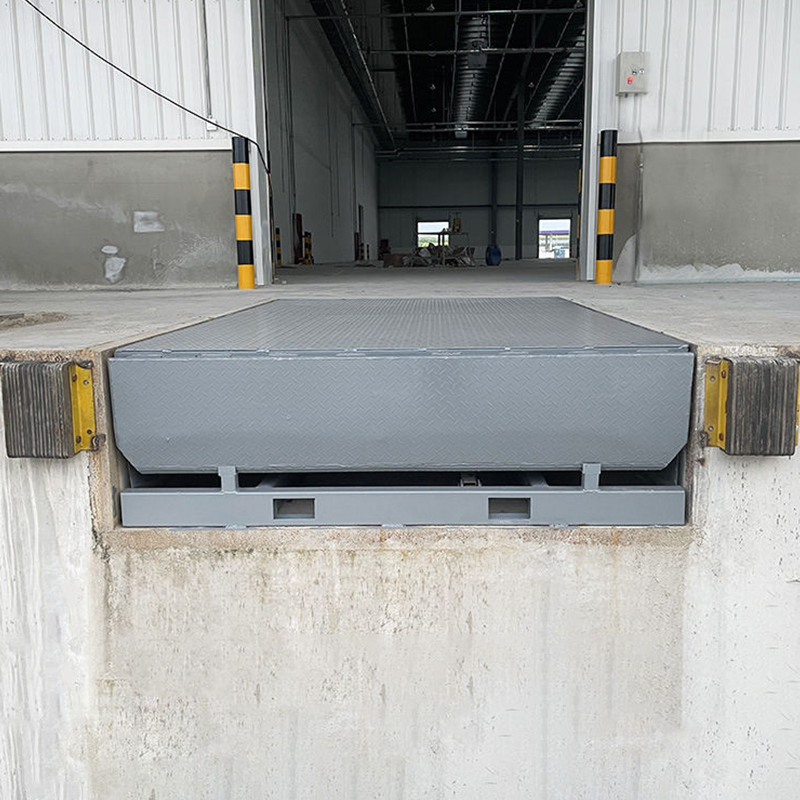
Total cost of ownership for a dock leveler is the sum of every cost the equipment generates from acquisition through disposal. It is not just the number on the purchase order. A dock leveler is typically kept in service for a decade or longer. Small differences in maintenance frequency or repair pattern compound significantly over that timeline.
A complete total cost of ownership calculation generally includes:
- Purchase price of the leveler itself
- Installation, including any pit work, wiring, or structural preparation
- Planned (preventive) maintenance over the equipment’s service life
- Unplanned repairs and replacement parts
- Downtime and the lost throughput or labor cost it creates
- Eventual replacement or disposal cost, offset by any residual value
Two units with an identical invoice price can have very different lifetime costs once these factors are added in. That is why price comparison alone is an incomplete way to evaluate a purchase.
The length of that ownership period is exactly why small differences matter so much. A facility that keeps a dock position running for ten or fifteen years will accumulate far more maintenance visits and downtime events. A facility that turns equipment over every few years will not see nearly as much. Traffic volume, shift pattern, and climate all influence how quickly those events occur. A single-shift facility in a mild climate will generally see a slower accumulation of cost. A multi-shift, high-cycle dock exposed to temperature extremes will feel the same wear much sooner, even with identical equipment.
Purchase Price vs. Long-Term Ownership Costs
How Activation Type Shapes the Starting Quote
Dock leveler purchase price is shaped by activation method, load rating, platform size, and construction quality. The three common activation types tend to sit in a recognizable pattern relative to one another. A dock leveler price comparison that stops at the invoice line will miss most of this pattern. The gap between two quotes usually reflects a real difference in what happens after installation, not just a difference in markup.
| Type | Typical Purchase Cost Tier | Installation Complexity | Typical Maintenance Pattern | Service Life Tendency |
|---|---|---|---|---|
| Mechanical (spring-loaded) | Lowest | Low — no wiring required | Periodic spring and hold-down adjustment | Shorter before major component work is needed |
| Air-powered | Mid-range | Moderate — blower and airbag system | Airbag, hose, and blower servicing | Moderate |
| Hydraulic | Highest | Highest — power supply and pit work | Mainly fluid checks and seal inspection | Longer between major repairs |
The pattern that shows up repeatedly across facilities is straightforward. Mechanical units cost less to buy but tend to need more frequent adjustment as cycle counts rise. Hydraulic units cost more upfront but generally ask for less hands-on intervention over time. Neither is a universal answer. A lower-traffic dock may never generate enough cycles for the difference to matter. A high-cycle, multi-shift dock will feel it within a few years.
Why Capacity and Size Change the Comparison
Within each activation type, price also scales with load capacity and platform width. A wider platform or a higher rated capacity generally commands a higher purchase price, regardless of activation method. A fair comparison should hold capacity and dimensions constant across quotes, rather than comparing a lightly rated unit against a heavy-duty one on price alone. Facilities that undersize a leveler to save on the initial quote often find that the mismatch itself becomes a hidden cost later. Added wear or an earlier-than-expected upgrade is the usual result. Framed this way, a dock leveler purchase price vs long term cost comparison is really a comparison of two different bets. One is a lower number today. The other is how much future maintenance and downtime a facility is willing to absorb in exchange.
Where the Real Costs Show Up: Installation, Maintenance and Repair
Installation
Dock leveler installation cost is rarely limited to the leveler itself. Pit preparation, curb repair on retrofits, and — for hydraulic units — bringing adequate electrical supply to the dock wall are all real cost drivers. A purchase-price comparison won’t show any of them. Facilities replacing an existing unit should also expect some probability of finding a deteriorated pit or curb angle once the old leveler is removed. That comes with the added labor and disposal cost of taking the previous unit out of service.
New-build installations tend to be more straightforward. The pit and electrical routing can be planned into the original construction drawings. Retrofits into an existing dock wall carry more uncertainty. The condition of the pit, the age of the surrounding concrete, and the availability of nearby power are all unknowns until the old equipment is opened up. This is one reason installation quotes for otherwise identical leveler models can vary noticeably between sites. The equipment cost is the same, but the site conditions are not.
Maintenance
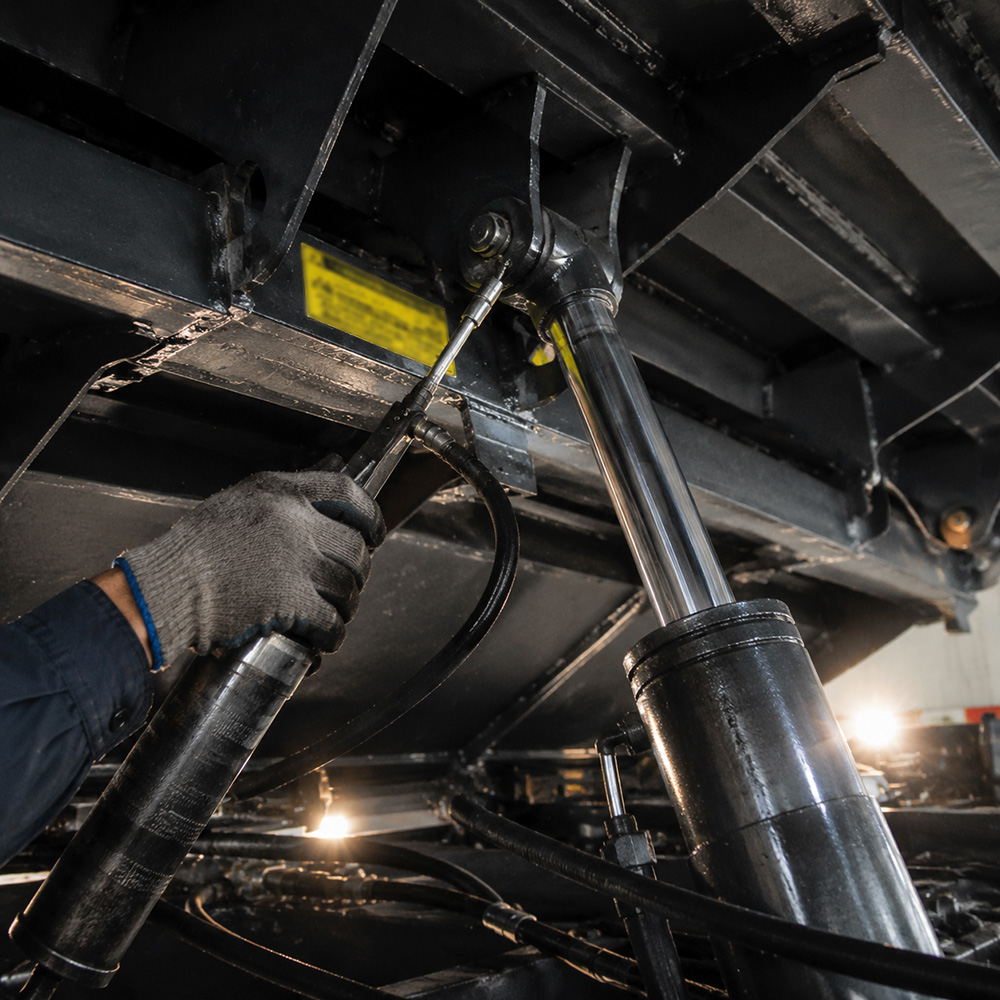
Dock leveler maintenance cost follows a fairly predictable rhythm when a facility keeps to it. A routine visual inspection checks for leaks, worn welds, or excessive corrosion. Lubrication of hinge, lip, and ratchet points happens on a recurring schedule. Periodic functional testing cycles the leveler through its full range under load to confirm smooth operation. Facilities that skip this cadence typically don’t save the maintenance cost so much as defer it. Neglected wear tends to surface later as a larger repair rather than disappearing on its own. Documented maintenance also supports compliance. It aligns with equipment-handling requirements under OSHA’s powered industrial truck standard. It also aligns with the ANSI dock-leveling device standards that govern design, testing, and performance for this equipment category.
Repair
Dock leveler repair cost tends to cluster around the components each activation type relies on most. Mechanical units rely on springs and hold-down assemblies. Hydraulic units rely on cylinders and seals. Air-powered units rely on airbags, hoses, or blower components. A mechanical unit’s springs and hold-down hardware typically see the most wear-related attention over the years. A well-installed hydraulic system’s most common service need is closer to fluid and seal inspection than component replacement. Facilities evaluating a pit-mounted hydraulic dock leveller category often weigh this narrower, more predictable repair profile against the higher purchase and installation cost. Fewer emergency repairs can mean fewer unplanned dock closures.
Downtime, Lifecycle Planning and When to Replace
The Cost of a Dock Standing Still
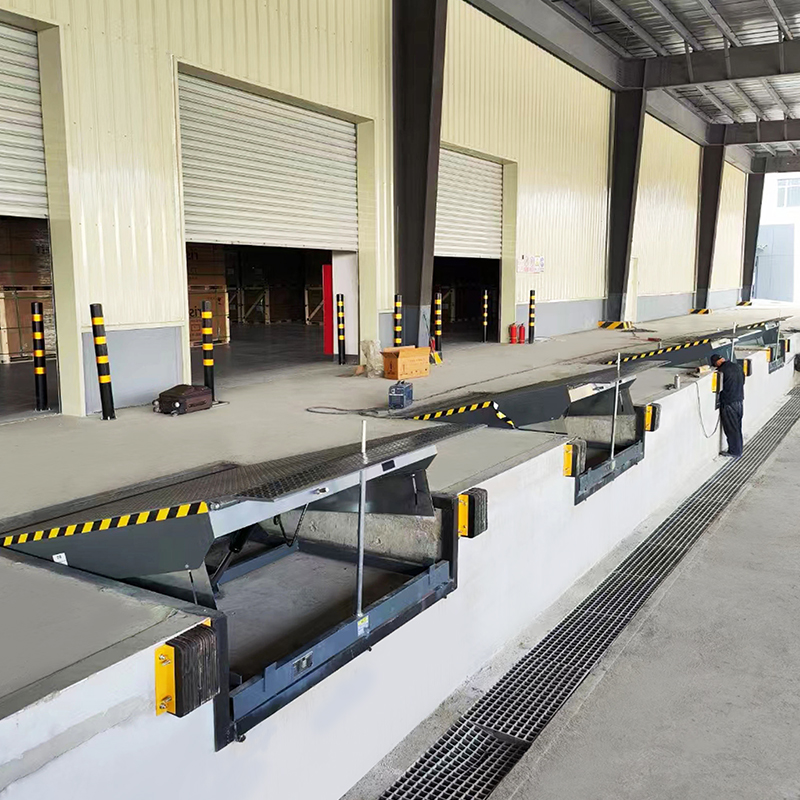
Dock leveler downtime cost is the piece most often left out of a purchase decision. Yet it can be the largest single line item over the equipment’s life. A dock position that goes out of service — even briefly — during a high-volume shift creates a ripple effect. Idle labor waits on a blocked position. Trailers get rescheduled. Neighboring docks absorb the overflow, and overall throughput slows for the shift. On a multi-dock facility running multiple shifts, the cumulative cost of even occasional downtime can exceed several years of routine preventive maintenance. This is part of why downtime avoidance is often the strongest financial argument for choosing a more durable unit in the first place.
Building a Lifecycle View
Mapping dock leveler lifecycle cost across a 3-, 5-, and 10-year horizon is a useful way to see how these pieces interact. In year one, the lower-cost unit almost always looks more attractive, since the purchase price gap is the only cost that has been realized. By year three to five, a mechanical unit in a higher-cycle environment has typically absorbed several rounds of spring or hold-down adjustment, narrowing the gap. By year ten, a well-maintained hydraulic unit has often required comparatively few major interventions. A mechanical unit under the same traffic load may be approaching a second or third significant repair cycle by then. Averaging total spend into a dock leveler cost per year figure over each horizon helps. It is easier to communicate to a budget owner than a lump-sum total. It shows directly whether the annualized cost is trending down, flat, or up as the unit ages. Plotted together, the cost curves of different equipment types tend to converge over time. In higher-cycle environments, they eventually cross — the point after which the higher-priced option would have been cheaper overall.
Repair or Replace
Deciding between dock leveler replacement cost and continued repair generally comes down to a few practical checks:
- Track whether repair frequency for a given unit is increasing year over year rather than staying flat.
- Compare the cost of the most recent repair against a realistic replacement quote for an equivalent unit.
- Factor in whether downtime from repeated failures is becoming a recurring operational risk rather than an occasional event.
- Confirm whether spare parts for the existing unit are still readily available, since aging or discontinued models can extend repair timelines.
- Weigh the cost of a planned replacement, scheduled during a slower period, against the risk of an unplanned failure during peak season.
None of these checks require guesswork. Most facilities already have the repair history and vendor quotes on file. The exercise is less about generating a new number. It is more about pulling existing records into one place, so the repair-versus-replace decision rests on a documented pattern rather than a single recent invoice.
Hidden Costs and Budget Planning
Common Hidden Costs
Dock leveler hidden costs are the items that rarely appear on an initial quote but still land on the facility’s books:
- Electrical upgrades needed to power a hydraulic unit where none previously existed
- Curb or pit repair discovered during removal of an old unit
- Disposal or scrap-removal fees for the equipment being replaced
- Documentation and compliance costs tied to periodic safety inspections
- Spare-parts inventory and technician training for in-house maintenance programs
- Seasonal factors such as cold-weather sealing or heating for units in unheated dock areas
- The operational cost of running a dock position at reduced capacity while a repair is scheduled
Turning This Into a Budget
Building these into a dock leveler budget planning exercise beats treating them as surprises. It gives a facilities team a dock leveler cost breakdown that holds up over the full ownership period, not just at the point of purchase. A useful practice is to request itemized figures from vendors for each of these categories up front, rather than a single bundled quote. That way, the categories which matter most for a given facility’s traffic pattern can be compared directly across proposals. Some facilities formalize this by building a simple internal dock leveler cost calculator. It is often just a spreadsheet that lays out purchase, installation, expected maintenance, and a downtime-risk estimate side by side for each vendor option. The comparison then stays consistent even as more quotes come in.
Purchase price will always be the easiest number to compare between quotes, but it is the smallest part of the real picture. A clearer view of dock leveler total cost of ownership gives a far more reliable basis for comparing two seemingly similar quotes. It weighs installation realities, maintenance cadence, likely repair pattern, downtime exposure, and expected service life together. The specific figures will vary by facility, traffic volume, and climate. They are worth verifying against actual usage patterns and vendor documentation before a final decision is made.
Frequently Asked Questions
Q: What is total cost of ownership for dock levelers?
A: It is the combined cost of purchasing, installing, maintaining, repairing, and eventually replacing a dock leveler across its full service life. It also includes any downtime it causes along the way. This is different from just the upfront purchase price shown on a quote.
Q: How much does a dock leveler cost to maintain?
A: Maintenance cost depends on activation type and usage intensity. Mechanical units generally need more frequent spring and hold-down adjustment. Hydraulic units mainly require fluid checks and seal inspection. Their ongoing maintenance patterns tend to look different even at similar traffic levels.
Q: Why doesn’t purchase price reflect the true cost of a dock leveler?
A: Purchase price captures only the invoice amount at the time of sale. It does not include installation complexity, the maintenance schedule a unit will require, likely repair frequency, or the cost of downtime. All of these accumulate over a decade or more of service.
Q: Can a cheaper dock leveler cost more in the long run?
A: Yes. A lower purchase price can be offset by more frequent maintenance visits, higher repair frequency, or more downtime exposure over time, particularly on high-cycle docks. Whether that trade-off matters depends on traffic volume and how the facility values lost throughput.
Q: What is a reasonable way to budget for dock leveler ownership costs?
A: Facilities are better served by itemizing a few things up front. These include expected preventive maintenance, a reserve for likely repairs based on activation type, and a rough downtime-risk estimate tied to the dock’s traffic volume. That beats budgeting only for the purchase and installation invoice. Comparing that full estimate across vendors, not just the initial price, produces a more reliable budget.
Trusted by Fleet Operators Across 60+ Countries
Stop Losing Time at the Loading Dock.
Get a Custom-Matched Tail Lift Quote in 24 Hours.
60
Countries Served
24h
Quote Turnaround
99.9
Field Uptime
5.0
Customer Rating
No Obligation
CE & UKCA Certified
Standard & Custom Builds
Worldwide Shipping