Thank You for Your Inquiry!
We've received your message and truly appreciate your interest. Our team will get back to you within 24 hours.
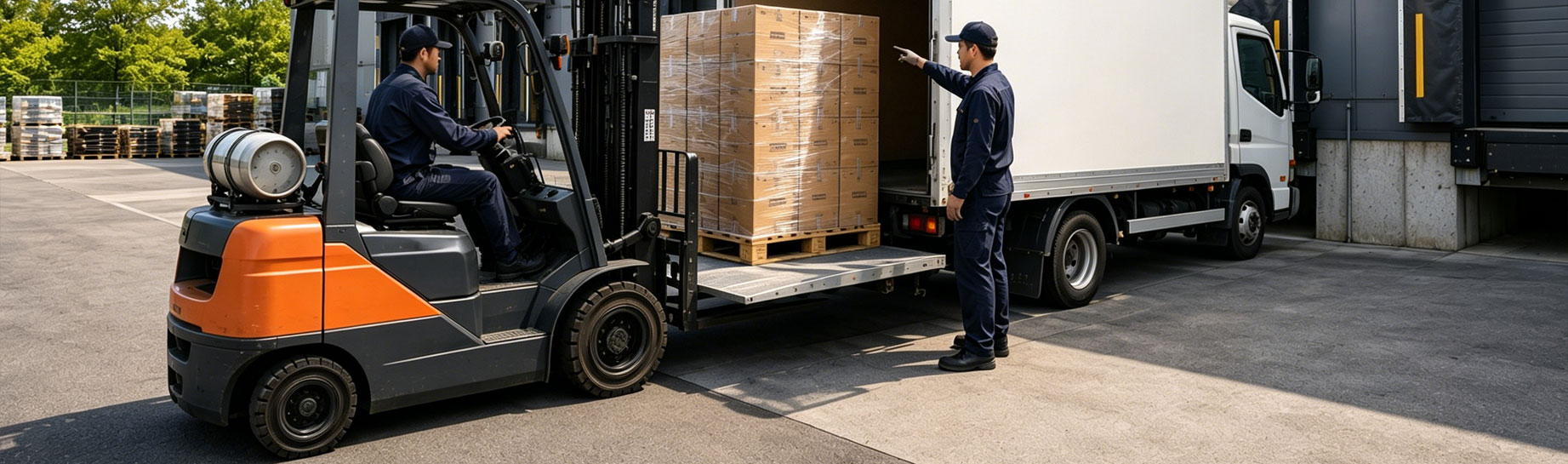
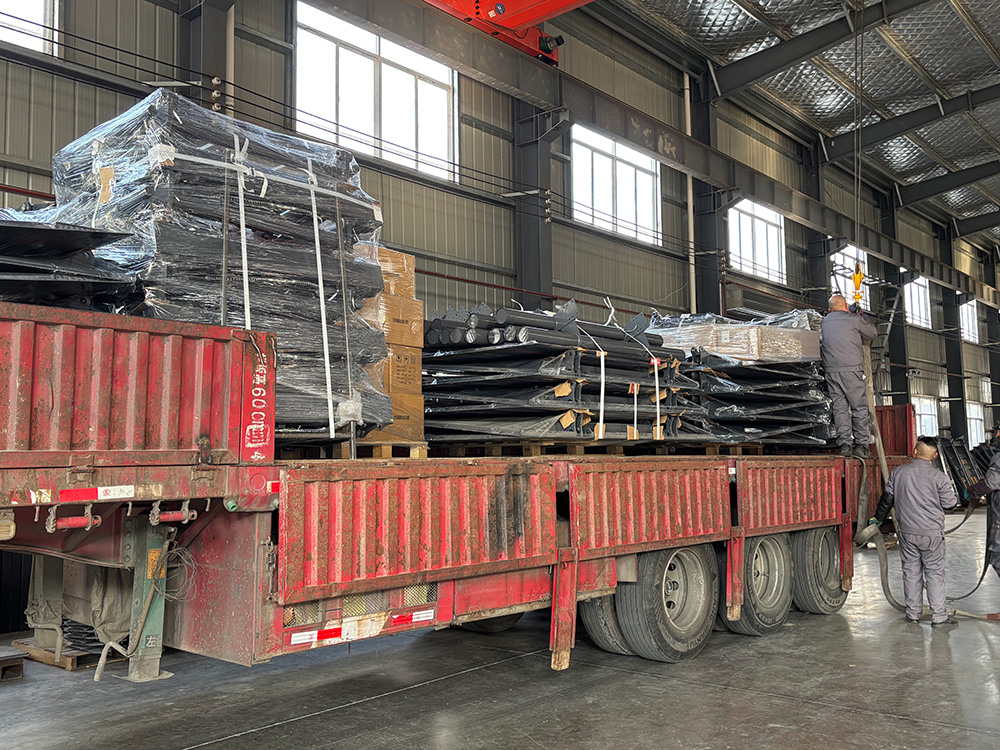
A structured tail lift maintenance programme separates reactive repair costs from predictable, budgeted upkeep. This applies whether you manage three vehicles or three hundred. For fleet operators, logistics companies, and tail lift service providers, a missed inspection is never just a paperwork issue. It is a breakdown waiting to happen at the worst possible moment.
This guide covers what procurement managers, fleet maintenance leads, and service companies actually need. That includes inspection interval logic, component-level guidance for sourcing tail lift spare parts and hydraulic components, and how to structure service agreements that hold up under audit.
Tail lifts face some of the harshest conditions of any vehicle-mounted equipment. They endure repeated load cycles, road vibration, temperature extremes, salt spray, and constant hydraulic pressure cycling. Unlike engine maintenance, tail lift systems often fall into a reactive pattern. Most operators only act when something fails.
The cost of that approach is well-documented. Industry fleet management data shows that reactive repairs cost 3 to 9 times more per event than planned preventive maintenance. That figure excludes vehicle downtime, schedule disruption, and expedited parts shipping. Those additional costs can add a further 3 to 5 times to the price of parts alone.
For multi-vehicle fleets, the business case for a structured tail lift maintenance contract is straightforward. It delivers predictable costs, documented compliance, and an established supply relationship when components need replacing under time pressure.
Most published checklists rely on calendar-based intervals. In practice, usage intensity is the more operationally relevant variable. Manufacturers state clearly in their maintenance documentation that lubrication frequency should increase for vehicles in very severe duty. This includes multi-shift or 24-hour operations. The same logic applies to all other inspection tasks.
A practical approach is to use calendar intervals as the minimum baseline. Then adjust based on two factors:
Operating environment: Some vehicles face road salt, strong detergent pressure washing, coastal humidity, or sub-zero temperatures. These conditions accelerate seal degradation and bearing wear. They require more frequent inspection than the calendar minimum. This applies regardless of cycle count.
Duty intensity: A vehicle completing 15 or more delivery cycles per day places very different demands on the hydraulic system than one completing two or three. High-duty vehicles need proportionally shorter service intervals.
Always defer to your tail lift manufacturer’s maintenance manual. Beauway’s technical team can help identify the correct service schedule and compatible maintenance parts and seal kits for your lift model and operating profile.
Standard monthly inspection points are well-established. They include hydraulic fluid levels, lubrication of pivot points, platform condition, electrical connections, and safety label legibility. What is less commonly addressed is how to document findings in a way that drives parts procurement. Good documentation catches deterioration before it becomes a failure event.
Every monthly tail lift maintenance visit should produce a condition log with component-level ratings. Pass/fail alone is not enough. This matters most in three areas:
Seal condition tracking: Hydraulic seals degrade gradually before they fail visibly. This applies to both cylinder rod seals and pump seals. Rate seal condition on a simple 1-to-5 scale at each monthly visit. This allows you to forecast seal kit purchases one or two cycles in advance. For fleet operators buying tail lift maintenance parts wholesale, this eliminates emergency sourcing premiums entirely.
Hydraulic hose condition: Surface cracking, abrasion near fittings, and early corrosion at connectors are visible long before a hose fails. Noting these monthly allows planned replacement on a scheduled visit. Always cross-reference hose specifications against your lift’s serial number. This ensures correct pressure ratings and fitting types when ordering replacements.
Control response characteristics: Slow or hesitant platform response is an early warning sign. It can indicate pump wear, voltage drop, or relief valve drift. Identifying these symptoms monthly allows correction at far lower cost. Waiting for a full hydraulic failure is significantly more expensive.
The correct lubricant type is not universal across tail lift platforms. Using an incompatible grease viscosity or base oil on pivot pins and sliding rails can actively accelerate wear.
As a documented example: Palfinger’s official service documentation specifies Shell Gadus S2 heavy-duty grease for bearing points on tilt and lifting cylinders. It specifies Interflon Grease OG for movement rails on retractable models. Other manufacturers publish equivalent specifications in their own maintenance manuals.
Most tail lift manufacturers also recommend VG22 grade hydraulic oil. Specifications can vary by model and climate. Always verify against the manufacturer’s documentation before topping up or replacing fluid.
When sourcing a tail lift maintenance kit or hydraulic parts through Beauway, confirm the lubrication specification for your lift brand and model. Supplying the wrong lubricant voids manufacturer warranty. It also creates direct liability exposure.
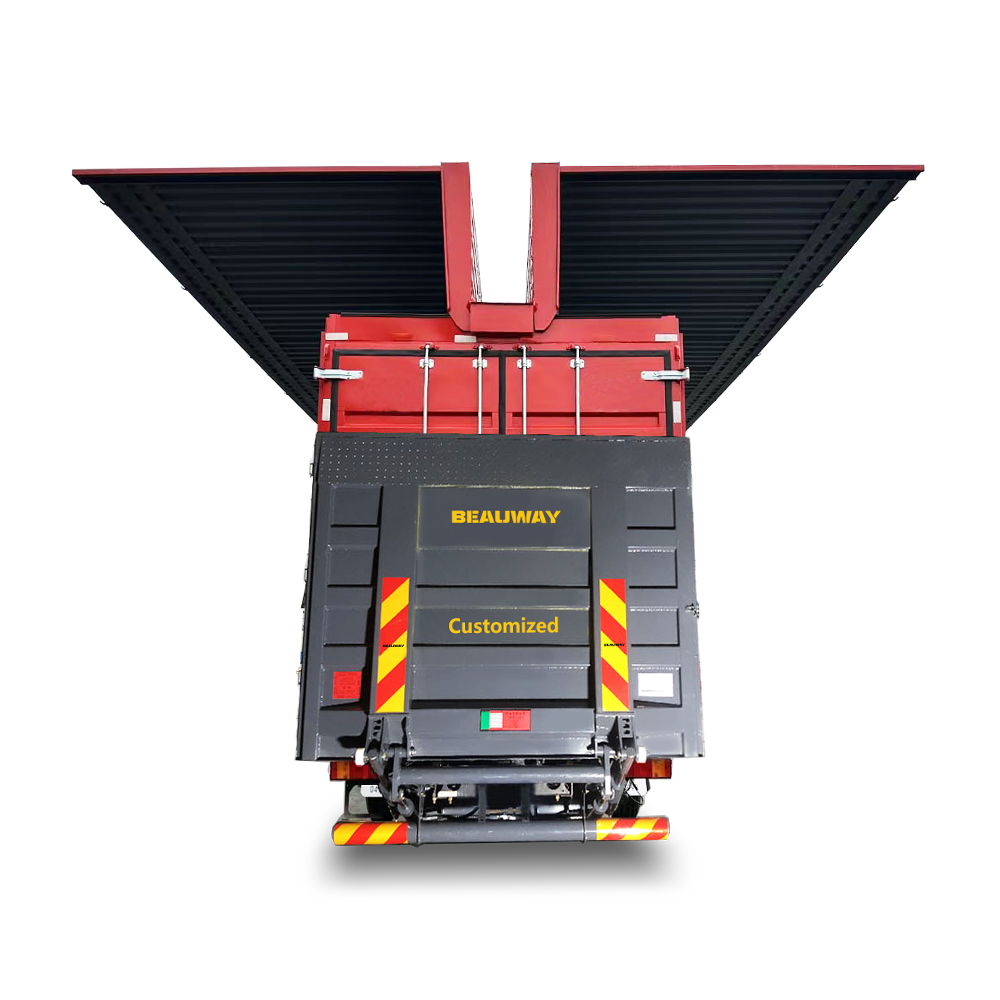
Annual inspections are where compliance requirements, structural integrity, and parts procurement converge. Getting this stage right protects both your fleet and your business.
For UK fleet operators, the governing legislation is the Lifting Operations and Lifting Equipment Regulations 1998 (LOLER). It is enforced by the Health and Safety Executive. The legal requirements for tail lifts are as follows:
These examinations must be carried out by a competent and impartial person. The LOLER Approved Code of Practice defines this as someone with appropriate practical and theoretical knowledge of the specific equipment being examined.
For operators outside the UK, equivalent frameworks apply. Always verify the legal standard for your operating country.
Structural and weld examination: The mounting subframe connects the tail lift assembly to the vehicle chassis. It is one of the highest-stress points in the system. Annual inspection should include a torque check on all mounting bolts. It should also cover close examination of weld zones for fatigue cracking. For very high-cycle fleets, magnetic particle inspection (MPI) of critical welds detects subsurface cracking. Visual examination alone will miss this.
Hydraulic cylinder internal bypass testing: A cylinder can pass visual inspection and still exhibit internal bypassing. This occurs when hydraulic fluid crosses the piston seal internally. The result is the platform drifting downward slowly under load. This failure produces no external leak. It is undetectable without specific testing. The standard procedure involves isolating the cylinder under load. The technician then monitors for pressure drop or platform drift over a defined hold period. If your inspection provider does not perform this test, raise it explicitly in your tail lift service agreement.
Hydraulic fluid replacement: Palfinger’s official documentation recommends changing hydraulic oil annually. Timing before the onset of winter is advised where possible. For other manufacturers, the interval is similarly annual or as specified in the maintenance manual. Always follow manufacturer documentation. Operators running large fleets can also consider hydraulic fluid sampling and laboratory analysis. Fluid analysis identifies metal particle contamination, water ingress, and oxidation before they cause a failure.
Safety device functional testing: Pressure relief valves, emergency stop functions, and roll-stop or cart-stop mechanisms must be functionally tested. Visual confirmation that they are present is not sufficient. A non-functional safety device is a compliance failure. It is also a liability exposure regardless of the lift’s overall condition.
Platform alignment verification: The platform’s levelness relative to the vehicle bed affects load distribution across the lifting mechanism. Misalignment develops gradually from wear in pivot pin bores. It accelerates structural fatigue at the frame and mounting points. Checking and correcting alignment at the annual inspection prevents compounding wear.
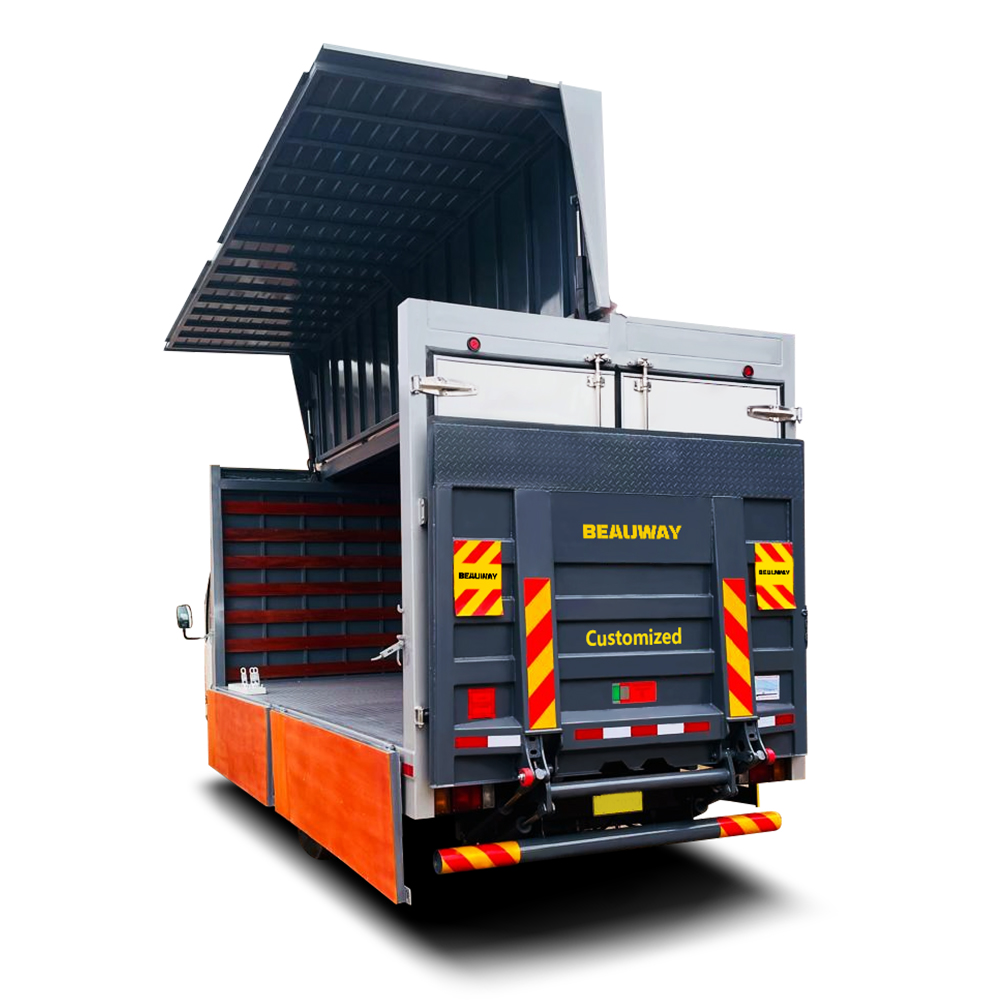
Ad hoc service calls are inefficient for fleets with multiple tail-lift-equipped vehicles. A structured tail lift maintenance service agreement shifts the relationship from transactional to partnership-based. It also protects both parties when things go wrong.
Defined response commitments: Specify response times for breakdown callouts separately from scheduled maintenance visits. A vehicle fully out of service is not the same as one with a non-critical fault. The response priority and cost implications are materially different.
Parts availability commitments: A competent service company maintains local stock of fast-moving components. This includes seal kits, solenoid valves, control switches, and hydraulic filters. Your contract should require minimum stock levels for your fleet’s specific models. This matters most for operators running less common tail lift platforms where sourcing lead times can be significant.
Inspection documentation standards: Specify that all LOLER thorough examination reports are compatible with your fleet management system. Set a clear timeframe for certificate delivery after each inspection visit.
Wholesale parts pricing access: Fleet operators should negotiate tail lift maintenance parts wholesale pricing as part of their service contract. Beauway works directly with fleet operators and service companies on parts procurement arrangements. This includes bulk orders of seal kits, hydraulic components, and wear parts. Pricing is structured to support planned maintenance budgets rather than emergency purchasing.
Technician qualification requirements: Explicitly require that all inspection technicians hold the relevant certifications for your operating jurisdiction. Do not assume this. Specify it in writing within the contract.
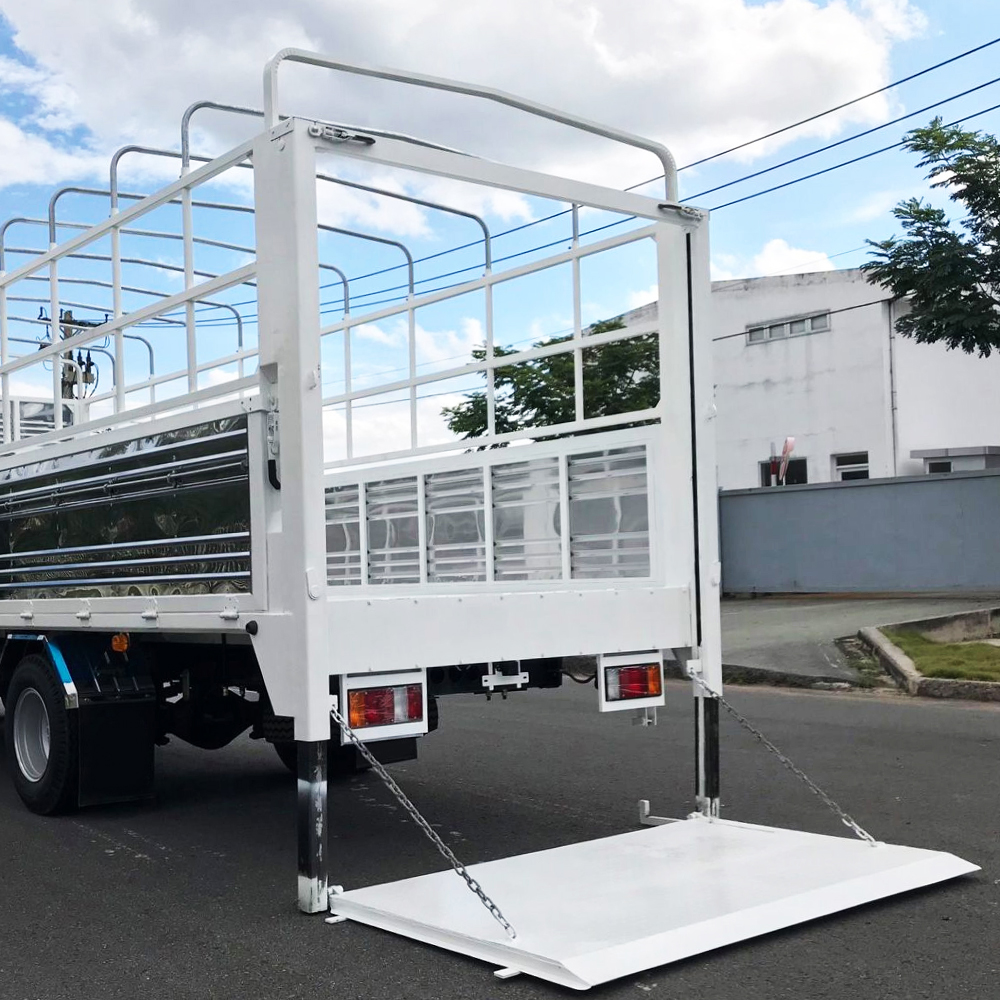
Reactive parts buying is one of the most controllable cost variables in tail lift maintenance. It is also one of the least-managed in practice.
Stock proactively: Hydraulic seal kits, solenoid valves, control switch assemblies, and hydraulic filters. These components most commonly cause out-of-service events. Hold them in inventory rather than ordering reactively.
Order on maintenance cycle: Hydraulic fluid (VG22 grade as applicable), platform anti-slip surfaces, cable assemblies, and wear pads. These are predictable consumables. Forecast from your maintenance schedule and order in advance to access bulk pricing.
Source with lead time awareness: Cylinders, mounting brackets, and platform sections. These require OEM-specification sourcing and carry longer lead times. Maintain awareness of your supplier’s current stock position. This is especially important for older units where availability may be limited.
When issuing a tail lift spare parts trade inquiry or running a maintenance tender, evaluate suppliers against these criteria:
Beauway’s tail lift parts catalogue covers a wide range of platforms. We support fleet operators with both standard procurement and specialist sourcing. Contact our trade team for bulk order pricing or a parts catalogue request.
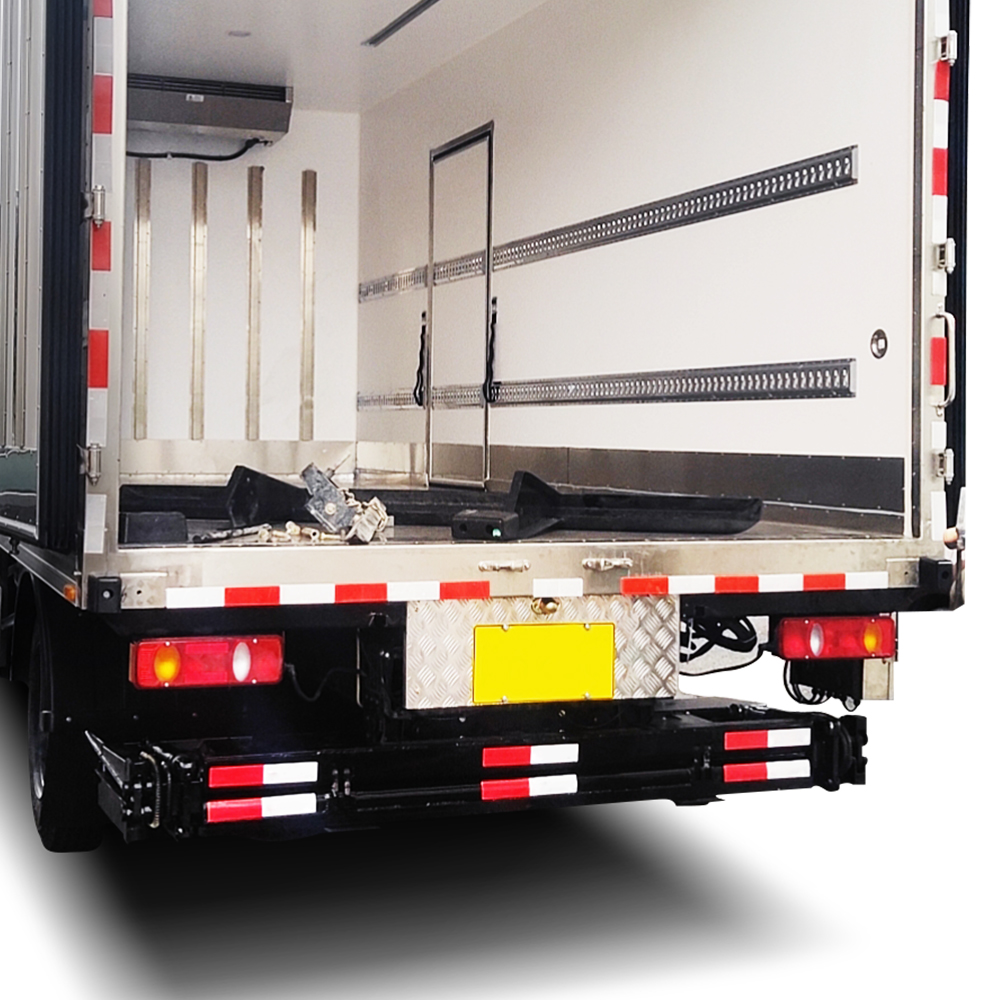
Outsource when: Your fleet operates across multiple locations or runs different tail lift models. Also outsource when your maintenance team lacks technicians qualified to your jurisdiction’s lifting equipment regulations. A specialist service company brings brand-specific tooling, calibrated test equipment, and certification credentials. These are prohibitively expensive to replicate in-house.
Consider a hybrid approach when: You operate a large single-model fleet from a centralised depot. Train in-house technicians to perform monthly checks and minor component replacements. Outsource annual LOLER certification inspections to a qualified examiner. This reduces total tail lift maintenance cost without compromising compliance.
Always compare before committing: Obtain formal quotes from multiple providers before signing any agreement. Specify your fleet composition, operating locations, response commitments, and documentation requirements in writing. How providers respond to a detailed brief is as informative as the pricing itself.
Before finalising a tail lift maintenance service agreement, ask every provider these questions:
A provider who answers all eight with specificity — not generalities — is worth working with.
Beauway supplies tail lift spare parts, seal kits, hydraulic components, and maintenance kits to fleet operators, service companies, and distributors worldwide. For parts catalogue requests, bulk order inquiries, or tail lift maintenance trade partnerships, contact our team.