Having trouble submitting? Email us directly at nicole@beauway.com and we'll get back to you within 24 hours.











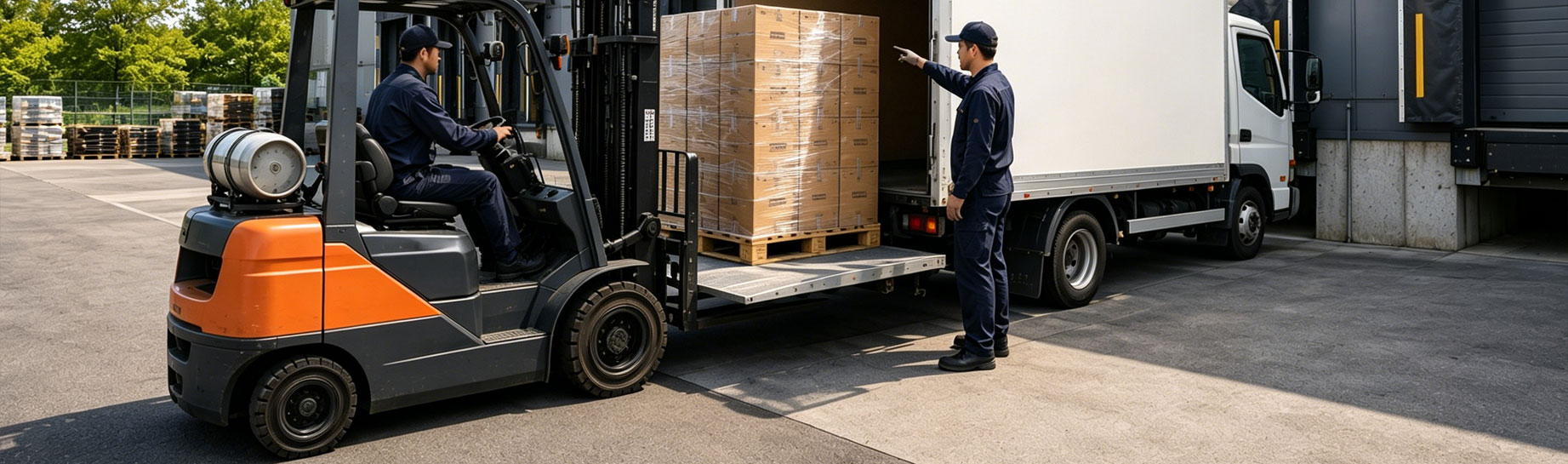
Tail Lift Applications in Removals, Medical, Retail, Construction and Cold Chain
When One Loading Platform Meets Five Different Industries
Rotterdam, winter 2019. Near the port. Four degrees below zero, maybe colder. A driver lowered a full pallet of frozen fish from the truck floor to the ground — under 90 seconds, completely alone. Three curtainsider vans parked right next to him, none with tail lifts. Two workers nearby doing it the old way, hand trolleys, one box at a time.
Couldn’t stop thinking about it afterward. Same tail lift truck setup in theory, completely different outcomes depending on who’s running it and what they’re moving. Spent years visiting sites across the UK, Germany, Australia trying to understand why. The answer isn’t complicated — a taillift solves one specific problem, that last metre between cargo floor and ground. The problem is every industry has a different version of that metre.
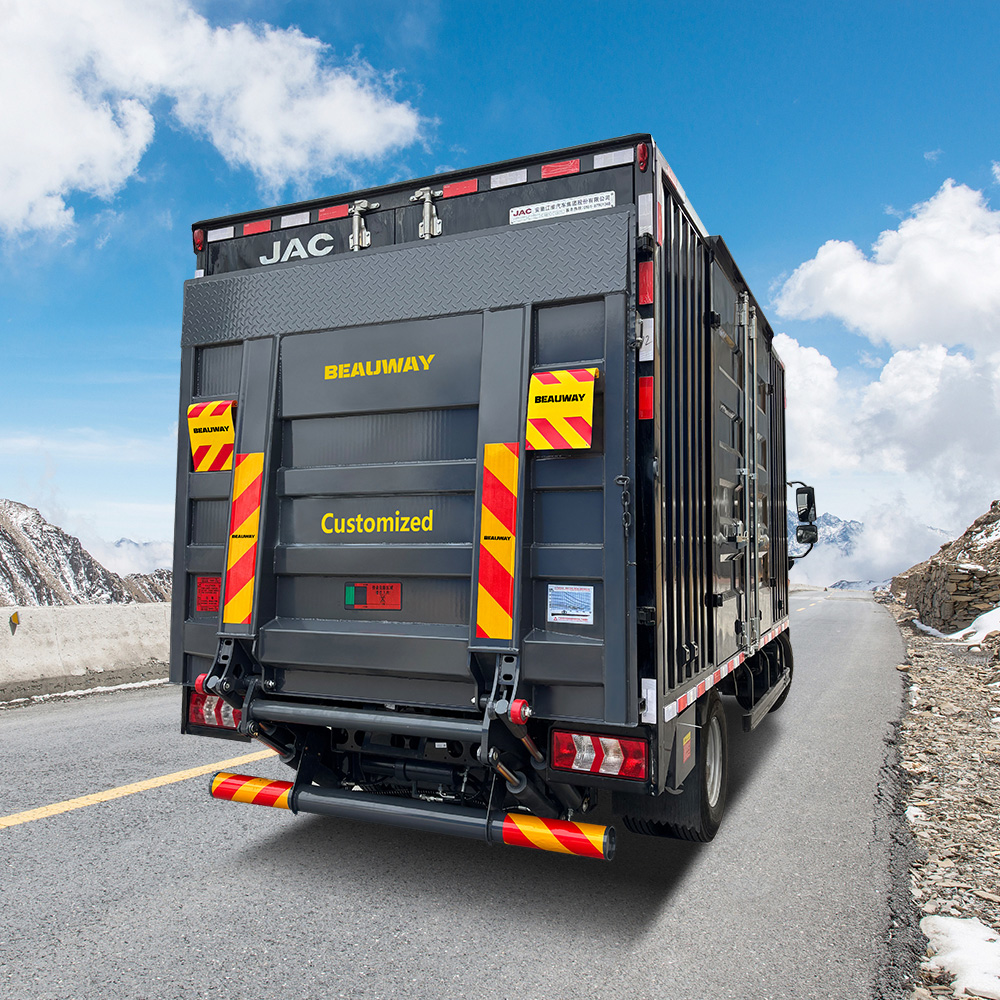
How Five Industries Put Tail Lifts to Work
Removals and Home Delivery
UK removals is probably the most tail lift-dependent sector I’ve worked around. HSE weight limits on manual handling aren’t a guideline — over 20kg needs mechanical assistance, full stop. Inspection records, enforcement history, the works.
Birmingham. Eight Mercedes-Benz Sprinter 519 long-wheelbase vans, mid-to-high-end residential relocations, all running Anteo folding tail lifts. Rated payload 2.8 tonnes, platform capacity 750kg. Their operations director said something that stuck:
“We can’t get liability insurance without documented lift-assist on heavy items.”
No records, no cover. That’s the reality across most of the UK removals sector now.
What makes this application genuinely awkward is the ground conditions. Victorian terraced street one day, basement car park ramp the next. No fixed infrastructure, no fixed dock leveler system to fall back on. The tail lifting van has to handle whatever surface shows up. That means platform tilt compensation matters a lot — any single-side drop on uneven ground is an immediate safety issue.
Anteo folding units are solid here. One honest weak point though: the folding hinge. High wear, no way around it. That Birmingham fleet does tail lift repairs roughly every 18 months per vehicle — hinge replacement, hydraulic seal rebuild. Manageable cost compared to injury claims. Ignore the early warning signs and wait for structural failure, different story entirely.
Medical Equipment Delivery
Munich. A logistics company that does nothing but hospital equipment delivery — MRI coils, mobile X-ray units, operating tables. Individual unit values from €15,000 upward. Rated capacity stops being the main concern pretty quickly when you’re moving that kind of cargo.
Control precision is what actually matters. No vibration during lift. Descent speed adjustable — equipment shifts under its own inertia if the drop is too abrupt. Platform surface needs anti-slip treatment but can’t have anything that scratches sensitive undersides.
Their setup is Dhollandia DHKF series column lift. Platform 2000mm × 1600mm, rated 1500kg, proportional valve hydraulic control, three-speed adjustment on the panel. Installed on a Mercedes-Benz Actros light truck chassis, lift van dimensions put the working height at 1380mm from ground — lines up with the hospital loading bays they use regularly.
Worth noting: main hospital docks usually have a fixed dock leveler system. But mobile medical deliveries often go somewhere else entirely — radiology side entrance, basement surgical wing, places with no dock infrastructure at all. The tail lift handles the full height every time in those situations.
Tail lift maintenance runs on strict intervals here. Full inspection every 500 operating hours — hydraulic pressure testing, electrical harness insulation, platform level calibration. About double the standard fleet frequency. One damaged piece of precision equipment costs more than years of scheduled servicing. The maths isn’t complicated.
Retail and Supermarket Replenishment
Western Sydney. 23 Isuzu NLR trucks doing overnight supermarket replenishment, all converted through tail lift installation with Zepro ZHF slide-out units.
Rhythm looks like this: out at 2am, 8 to 12 stores per truck, 25 minutes maximum per stop. Daily platform cycles average 60 to 80 lifts. Over a full year that’s over 25,000 cycles per vehicle.
That number drives everything about the selection:
- Folding units — ruled out. Too many moving parts, hinge and pin wear at that cycle rate becomes a management problem
- Column lifts — ruled out. Rear projection gets in the way of roadside night operations
- Slide-out units — selected. Simpler structure, fewer hydraulic cylinders, lower fault rates in high-cycle applications
Three years in with the Zepro ZHF. Tail lift repairs settled into two patterns: hydraulic pump motor brush wear between 18 and 24 months, platform anti-slip rubber strip replacement every 12 months. Annual maintenance spend per vehicle came in below the folding unit figures from before. Fleet manager called it straightforwardly better. Hard to argue.
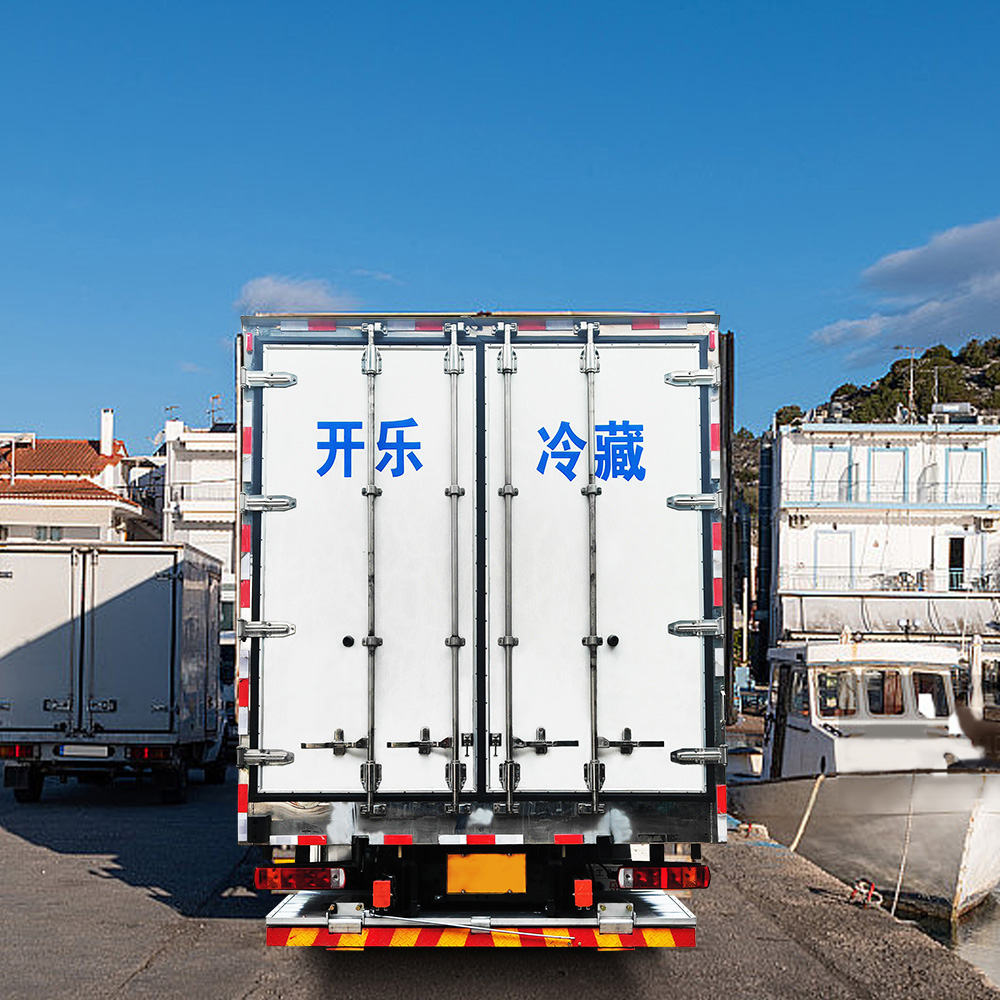
Construction Materials Delivery
Dublin suburbs. Building materials — ceramic tiles, cement board, aluminium sections. Individual pallet weights regularly over a tonne. Ground conditions are whatever the site happens to be that day, usually not great.
One selection criterion here: weight.
Standard fit in that market is MBB Palfinger heavy-duty column lift. Rated 2000kg, twin parallel hydraulic cylinders, 12mm steel plate platform deck, hot-dip galvanised. Chassis is usually MAN TGL 12-tonne. Lift van dimensions give a platform deployment width of 2400mm — matches cargo floor width, pallet truck drives straight on.
Concrete case from 2022: a Dublin distributor took four vehicles in this spec. One developed unstable hydraulic pressure around seven months in. Descent speed went inconsistent — sometimes sluggish, sometimes too fast. Turned out to be internal wear on the proportional valve, caused by construction dust getting into the hydraulic circuit. Entirely preventable. Dust sealing needs to happen at the tail lift installation stage, not after the fact. That repair meant two days off the road, cost sitting in the mid-range for that fault type.
Hydraulic oil changes every 6 months in site environments. Not the standard interval — half of it. Dust contamination builds up silently and doesn’t announce itself until something actually fails.
Cold Chain Food Distribution
Back to Rotterdam. Cold chain’s real tail lift problem isn’t rated capacity. It’s what low temperature does to hydraulic oil.
Viscosity climbs as temperature drops. Flow characteristics deteriorate. Platform lift speed and control response both suffer. That distributor runs Anteo heavy-duty column lifts with Shell Tellus S2 MX 32 — wide temperature range spec, rated for -20°C to 40°C. Handles Dutch winters without issue.
Tail lift maintenance programme: quarterly oil viscosity checks, full system inspection before each winter. Main focus is seal condition and electrical connector waterproofing. Temperature differential between refrigerated cargo hold and outside air produces condensation consistently. Connectors without proper sealing corrode three to five times faster in this environment than in ambient conditions — the maintenance logs confirm it.
Where a fixed dock leveler system exists, this fleet uses it for distribution centre loading. Tail lift independent operation handles the final delivery points where no dock is available. Running both in combination delivers around 30% better throughput than relying on the tail lift across the entire cycle.
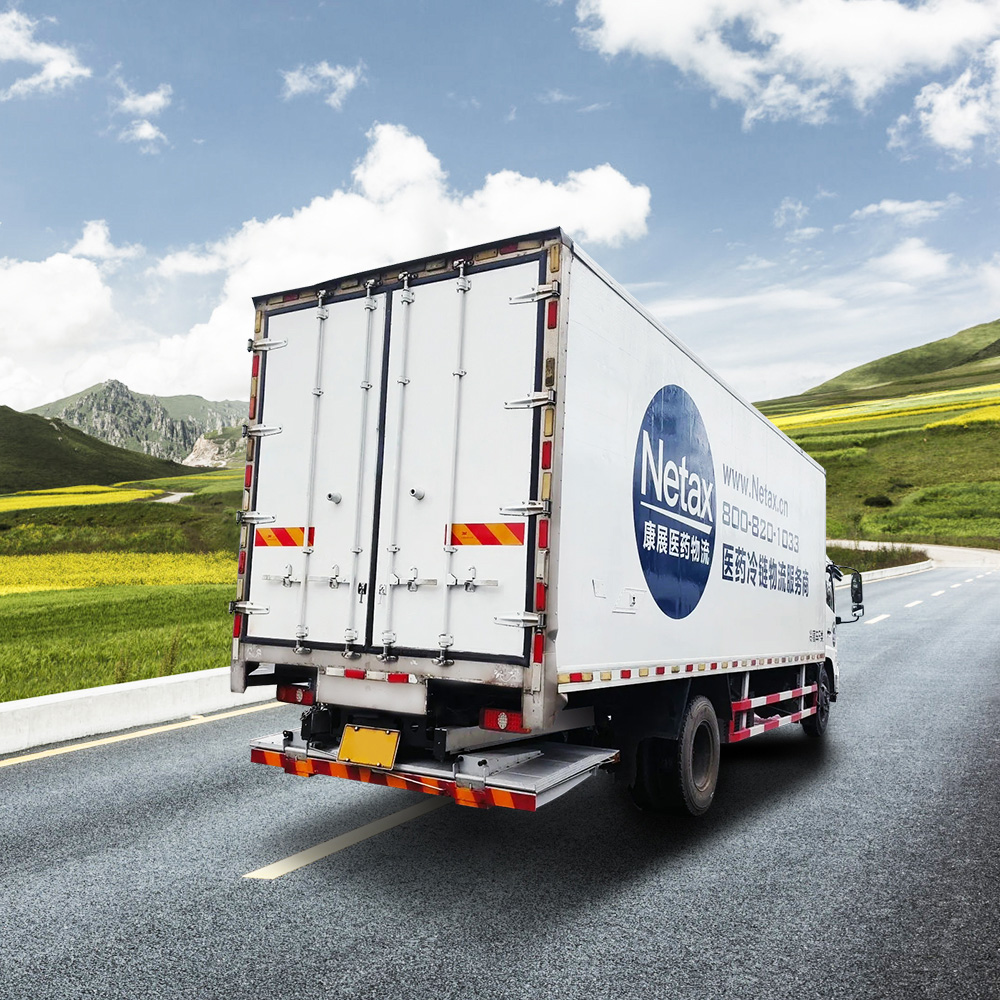
Five Industries, One Comparison
| Industry | Recommended Lift Type | Suggested Rated Capacity | Daily Lift Cycles | Key Maintenance Focus |
|---|---|---|---|---|
| Removals / Home Delivery | Folding | 750kg | 20–40 | Hinge wear, hydraulic seals |
| Medical Equipment | Column (proportional valve) | 1000–1500kg | 10–20 | Control precision, insulation testing |
| Retail Replenishment | Slide-out | 500–750kg | 60–80 | Hydraulic pump, anti-slip strips |
| Construction Materials | Heavy-duty column | 1500–2000kg | 15–30 | Dust sealing, hydraulic oil |
| Cold Chain Food | Column (wide temp range) | 1000–1500kg | 30–50 | Oil viscosity, electrical waterproofing |
Five industries, five completely different versions of the same problem. Spec that matches the actual site conditions from day one is what separates equipment that lasts from equipment that becomes a maintenance headache six months in.
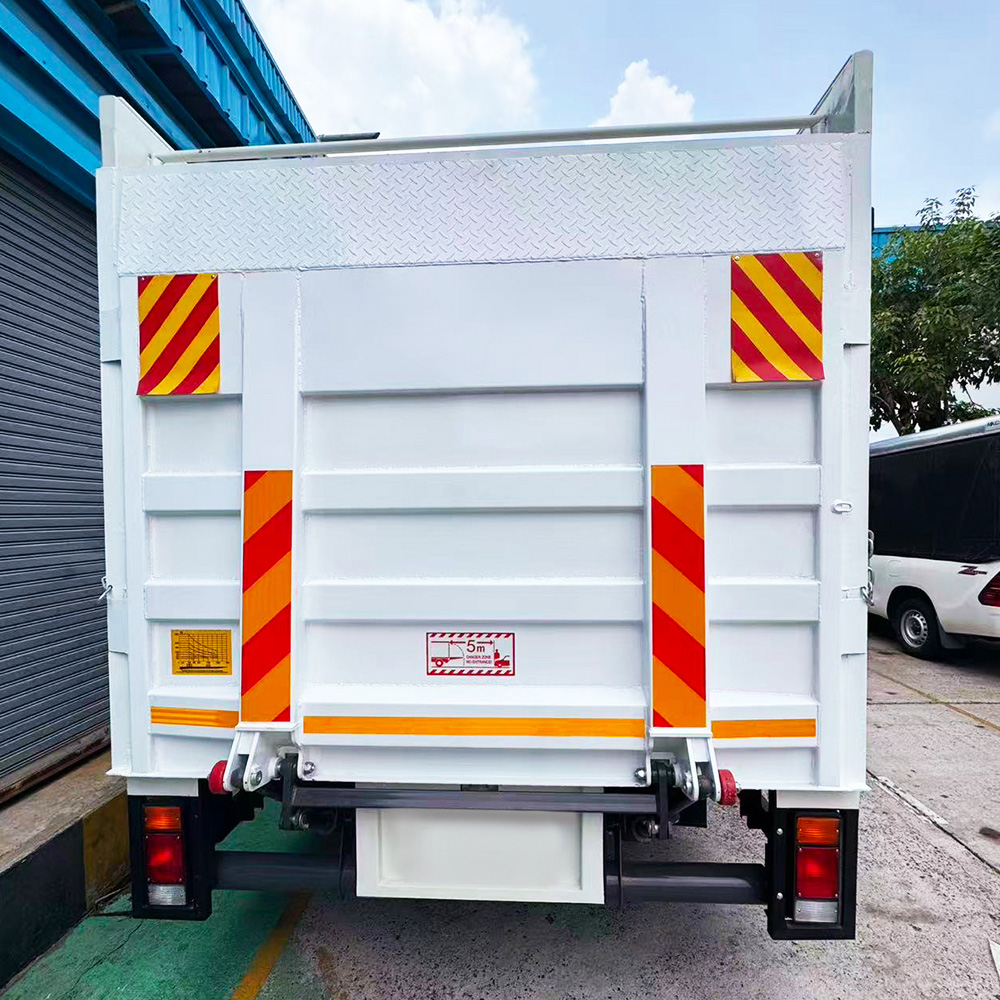
Beauway has been focused on logistics loading equipment for many years, covering tail lifts, dock levellers, and lifting platforms across the full product range. To discuss a solution matched to your specific site conditions, get in touch to arrange a technical consultation.
Trusted by Fleet Operators Across 60+ Countries
Stop Losing Time at the Loading Dock.
Get a Custom-Matched Tail Lift Quote in 24 Hours.
60
Countries Served
24h
Quote Turnaround
99.9
Field Uptime
5.0
Customer Rating
No Obligation
CE & UKCA Certified
Standard & Custom Builds
Worldwide Shipping