Having trouble submitting? Email us directly at nicole@beauway.com and we'll get back to you within 24 hours.











5 Signs Your Tail Lift Needs Repair (Not Replacement)
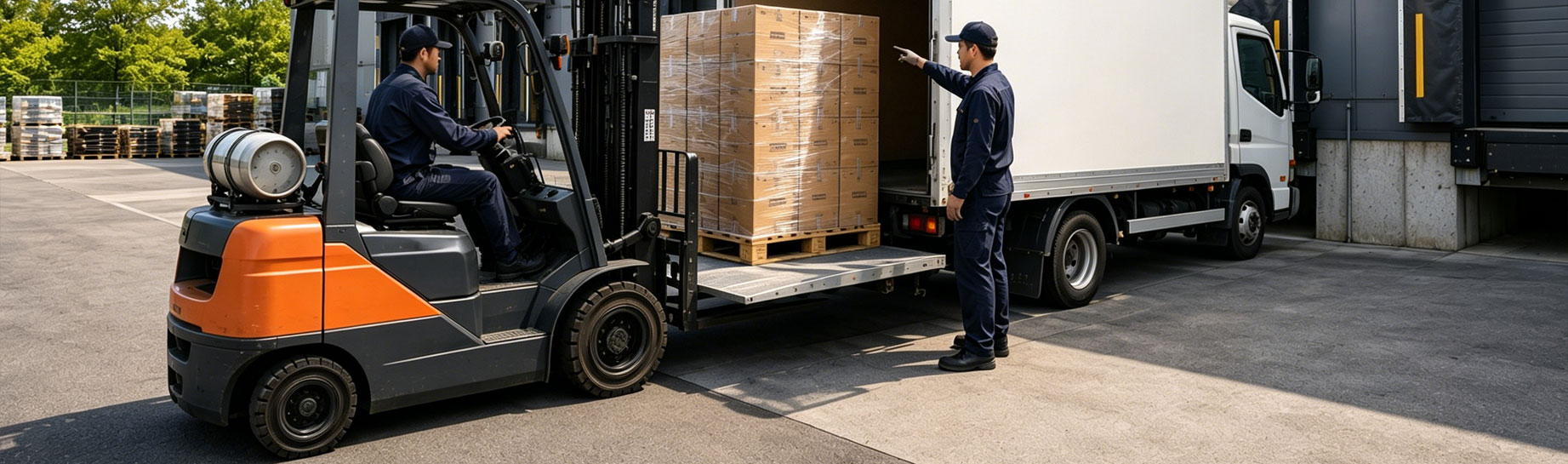
A tail lift that hesitates, drags, or won’t fully extend rarely needs a full replacement. In most cases, tail lift repair costs far less than replacement. It also returns a vehicle to service within days. The real challenge is spotting which symptoms point to a fixable fault. Some symptoms instead signal the platform has reached the end of its working life. This guide covers five warning signs worth acting on. It explains how to read them correctly. It also covers when repair genuinely stops making sense.
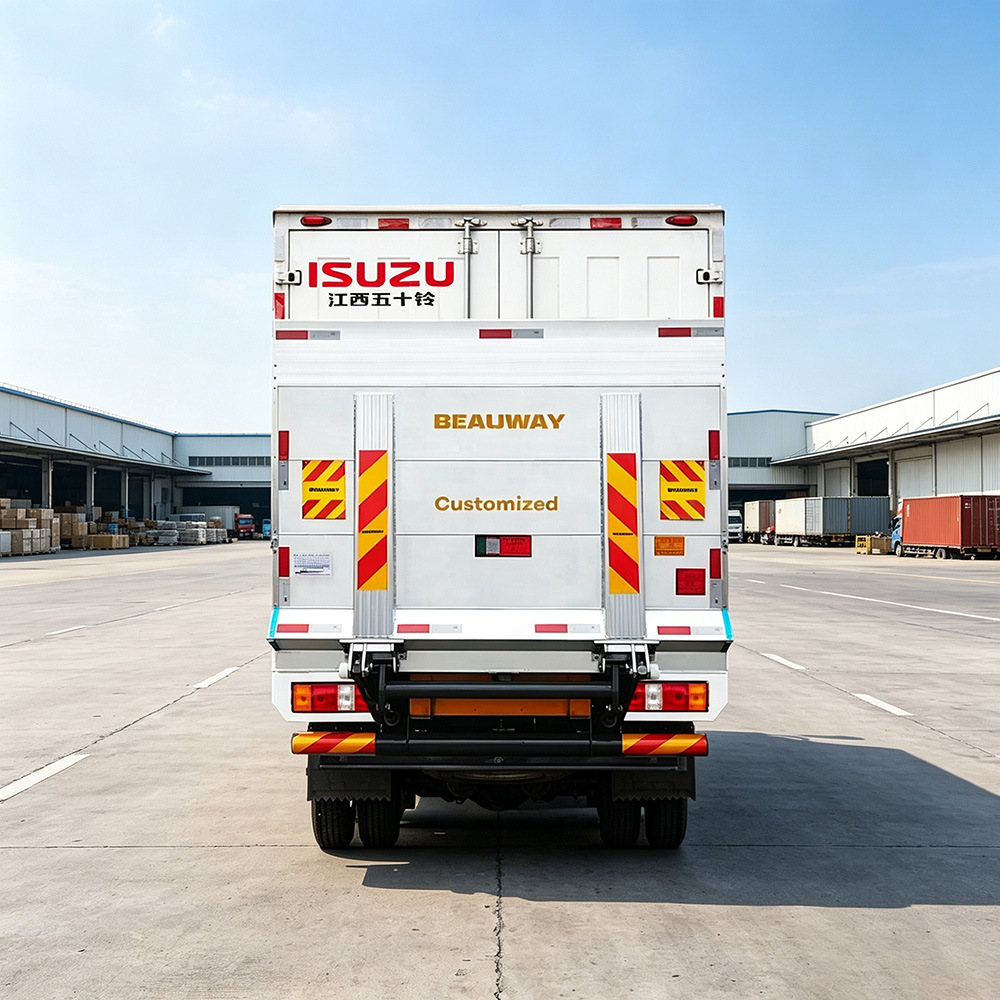
Whether a fleet calls it a tail lift, a liftgate, or a tailgate lift, the troubleshooting logic stays the same. Liftgate troubleshooting and tailgate lift problems tend to fall into the same few categories. These categories include hydraulic wear, electrical faults, and structural fatigue. Recognizing the right category gives the fastest route to an accurate repair estimate. Regular tail lift maintenance builds this recognition skill over time.
Fleet operators commonly report a tail lift that starts lowering unevenly after months of steady use. One side drops faster than the other, and the platform tilts slightly. The driver often assumes the whole unit is failing. In cases like this, a worn cylinder seal usually causes the problem. An unbalanced hydraulic line can also be the culprit, not a structural failure. A technician can usually confirm the fault within an hour using a pressure test. Recognizing this pattern early stops drivers from parking a functional lift out of caution. It also stops fleet managers from budgeting for a tail lift replacement that isn’t actually needed.
Common Signs Your Tail Lift Needs Repair
1. Slow or Jerky Movement
If the platform takes noticeably longer to raise or lower, the hydraulic system usually loses efficiency. The same applies if the motion feels jerky instead of smooth. Low fluid levels, trapped air, or a failing pump can all cause tail lift moving slowly symptoms. Cold weather can temporarily worsen the same symptoms. Operators should check whether the issue persists once the vehicle warms up. These issues rarely require a full teardown on their own. A fluid check and pump inspection often resolve the problem in a single visit.
2. Tail Lift Won’t Raise or Lower Fully
A tail lift that won’t lower fully, or stops short when raising, usually points to a specific fault. This fault is typically mechanical or electrical, not a total system failure. Common causes include a tripped overload sensor, a faulty limit switch, or a blocked hydraulic valve. Drivers sometimes mistake this for a dead unit and request a full replacement quote. In most cases, though, the fix needs only one part. Replacing that single part typically costs far less than replacing the whole lift.
3. Unusual Noise During Operation
A tail lift that grinds, clicks, or whines during operation almost always points to a specific component under stress. Worn bushings, a failing pump motor, or metal-on-metal contact in the hinge assembly are frequent culprits. Never ignore the noise, but don’t assume it means the unit needs replacing. Left unaddressed, the noise can accelerate wear on surrounding parts. Within a few months, it can turn a minor repair into a larger one.
4. Visible Hydraulic Fluid Leaks
A tail lift hydraulic leak is one of the most common reasons operators give up on repair. Most leaks, however, trace back to a single seal, hose, or fitting. A trained technician can usually isolate the source in under 30 minutes. Fluid pooling under the vehicle overnight is often the first sign a driver notices. This often happens well before performance drops. As a result, a targeted seal or hose replacement resolves most leaks. It rarely requires a full hydraulic overhaul.
5. Frequent Breakdowns and Rising Downtime
If the same lift needs three or more service calls within a year, the pattern matters. Steadily climbing downtime matters just as much, even without three separate calls. Frequent breakdowns often signal that several components are wearing out at once. This suggests the lift is approaching, but not necessarily past, its useful service life. Common tail lift breakdown causes at this stage rarely involve one isolated part. An aging pump, worn seals, and fatigued electrical connectors often fail together. Tracking tail lift downtime cost over a full year gives a clearer picture. One bad month alone can be misleading.
Tail Lift Troubleshooting: Diagnosing Common Problems
| Symptom | Likely Cause | Recommended Action |
|---|---|---|
| Slow or jerky movement | Low hydraulic fluid, air in lines, worn pump | Fluid check, bleed lines, inspect pump |
| Won’t raise or lower fully | Faulty limit switch, tripped overload sensor | Test and replace the specific sensor or switch |
| Grinding or clicking noise | Worn bushings, stressed hinge assembly | Inspect and lubricate or replace worn parts |
| Visible fluid leak | Damaged seal, hose, or fitting | Isolate source and replace the affected part |
| Repeated breakdowns | Multiple components nearing end of service life | Full inspection to assess remaining lifespan |
What Tail Lift Repairs Typically Cost
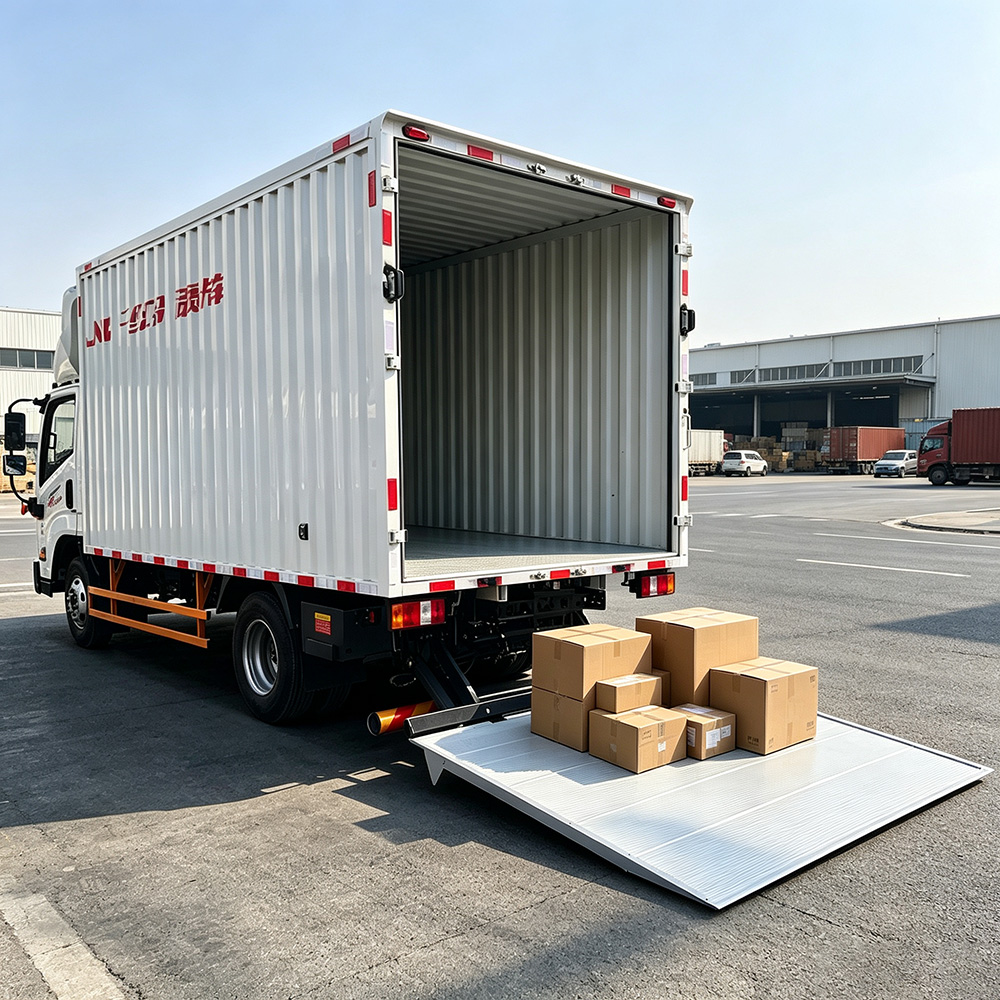
Tail lift repair cost varies widely depending on the fault. Isolated issues — a sensor, a seal, a hose — generally cost less and often resolve in a single visit. Costs climb when a repair uncovers secondary damage. For example, a leak may have already damaged a nearby electrical connector. Costs also rise when a technician must source a part for an older model. Commercial vehicle tail lift issues involving the pump or main hydraulic ram tend to cost more. These are core components, not accessories. Get a written estimate before work begins. Ask whether the quote covers parts, labor, or both. This simple step helps avoid surprises once the vehicle returns to the workshop.
Tail Lift Repair vs Replacement: How to Decide
Most well-maintained hydraulic tail lifts remain in service for roughly 8 to 12 years. Usage intensity, load frequency, and outdoor exposure shift that range considerably. A unit used several times daily on a refrigerated route wears faster than one used occasionally on light deliveries. Fleet managers often ask how long does a tail lift last. Treat that range as a starting point, not a fixed deadline. A lift maintained on schedule can outperform it. A neglected lift can fall well short.
As a general guideline, replacement often makes more sense once repair costs pass 40–50% of a replacement unit’s price. This especially applies if the lift already sits near the upper end of its expected lifespan. However, a lift that is otherwise structurally sound is almost always worth repairing, regardless of age. This holds true even if the fault involves just one isolated component.
Fleet managers weighing tail lift repair vs replace decisions should also factor in downtime cost. The repair invoice alone doesn’t tell the full story. A vehicle sitting idle for a week can cost more than the repair itself in lost revenue. Sometimes this makes an expedited repair the more economical choice, even at a higher price. A tail lift that simply stops working after years of reliable service usually still qualifies for repair, not replacement. Age alone rarely decides the outcome.
Why a Safety Inspection Should Come First
Before authorizing any tail lift repair, a safety inspection should confirm the fault stays isolated. The inspection should also confirm the fault hasn’t damaged structural integrity elsewhere. In the UK, for example, LOLER — the Lifting Operations and Lifting Equipment Regulations — applies to tail lifts. It requires a thorough examination by a competent person. Goods-only lifts need this exam every 12 months. Lifts that also carry people need the exam every 6 months instead. The UK Health and Safety Executive publishes further detail on these inspection intervals.
Equipment built and certified to EN 1756-1 safety requirements is generally easier to diagnose accurately. Documented specifications give technicians a clear baseline to test against. A tail lift safety inspection isn’t just a compliance step. It’s also the fastest way to tell a simple repair from a lift genuinely reaching end of life. Fleets that build inspection findings into their regular maintenance schedule catch these warning signs early. This stops small faults from turning into a full breakdown.
FAQ
How do I know if my tail lift needs repair or replacement? Isolated faults — a leak, a noise, a slow cycle — are usually repairable, especially on lifts under 8 years old. Replacement becomes the stronger option in three cases. Multiple systems fail at once, or repair costs approach half the price of a new unit. A documented history of repeated breakdowns also points to replacement.
What causes a tail lift to move slowly? Low hydraulic fluid, trapped air in the lines, or an aging pump losing efficiency most often cause slow movement. A technician can usually confirm the exact cause with a pressure test in under an hour.
Can you repair a tail lift hydraulic leak? Yes, in most cases. The majority of leaks trace back to a single seal, hose, or fitting rather than a failure of the whole hydraulic system, so a targeted repair is usually sufficient.
How often should a tail lift be inspected? Under LOLER in the UK, goods-only tail lifts need a thorough examination every 12 months, and every 6 months if the lift also carries people. Manufacturers may recommend more frequent routine checks depending on usage.
Why does a tail lift stop working suddenly after years of reliable use? A sudden fault after years of normal operation usually points to one failing component — a sensor, a seal, or a switch. The whole system rarely fails at once. This is why an isolated, sudden fault often costs less and repairs faster than a gradual decline across multiple parts.
For fleets that reach the end of a lift’s service life, folding and cantilever tail lift systems remain common replacement choices. Vehicle type, load capacity, and delivery frequency usually drive the selection. Reviewing total cost of ownership alongside repair history often gives a clearer picture than looking at either figure alone. In the meantime, consistent maintenance remains the most reliable safeguard. Prompt attention to these five signs helps fleets avoid an unplanned replacement.
Trusted by Fleet Operators Across 60+ Countries
Stop Losing Time at the Loading Dock.
Get a Custom-Matched Tail Lift Quote in 24 Hours.
60
Countries Served
24h
Quote Turnaround
99.9
Field Uptime
5.0
Customer Rating
No Obligation
CE & UKCA Certified
Standard & Custom Builds
Worldwide Shipping