Having trouble submitting? Email us directly at nicole@beauway.com and we'll get back to you within 24 hours.











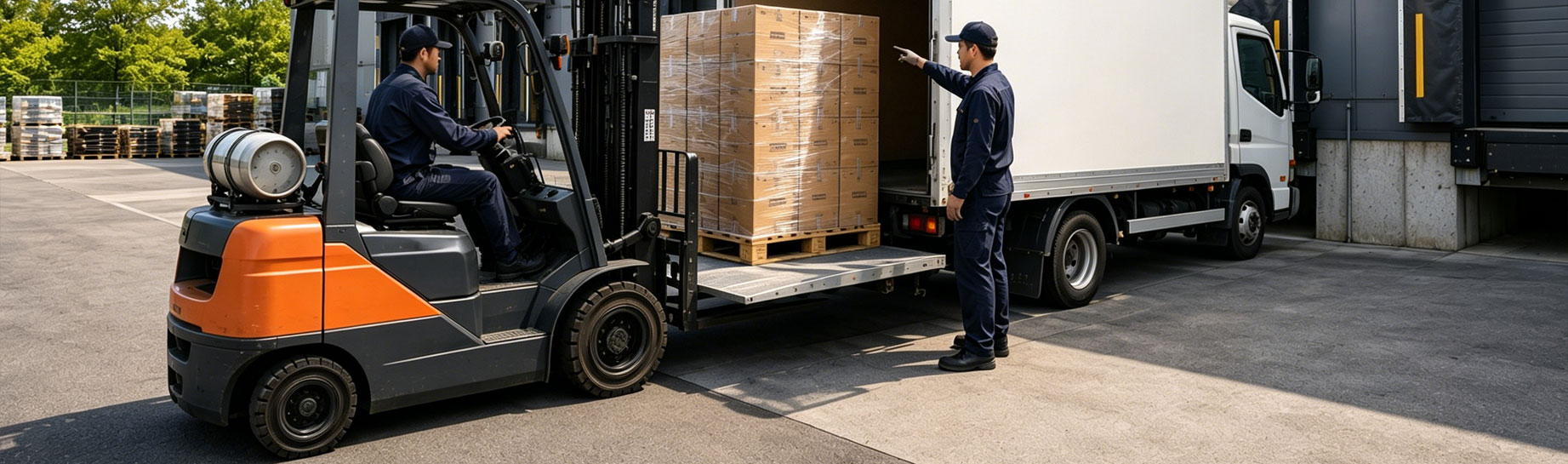
Tail Lift Motor Runs But Platform Won’t Lift — What’s Wrong?
You press the button. The motor hums, whirs, sounds like it’s doing exactly what it should. But the platform doesn’t move an inch. For any driver relying on a truck tail lift to get through a delivery route, this is one of the most confusing versions of a tail lift not working. On the surface, everything seems fine. Power is there. Sound is there. Movement is not.
This is a different problem from a tail lift that won’t turn on at all. It’s also different from one that’s stuck fully raised and won’t come down. When the motor runs but the platform stays put, the issue almost always lives inside the hydraulic system. It’s rarely an electrical problem. That distinction matters. It changes where you should start looking. It also changes whether this is a five-minute fix or something needing a proper repair before the vehicle goes back on the road.
This guide covers why this specific failure happens. It walks through the most common causes, how to narrow down which one you’re dealing with, and when to stop troubleshooting and call in help. Knowing how to read these early signals can save a lot of time the next time a tail lift starts acting up.
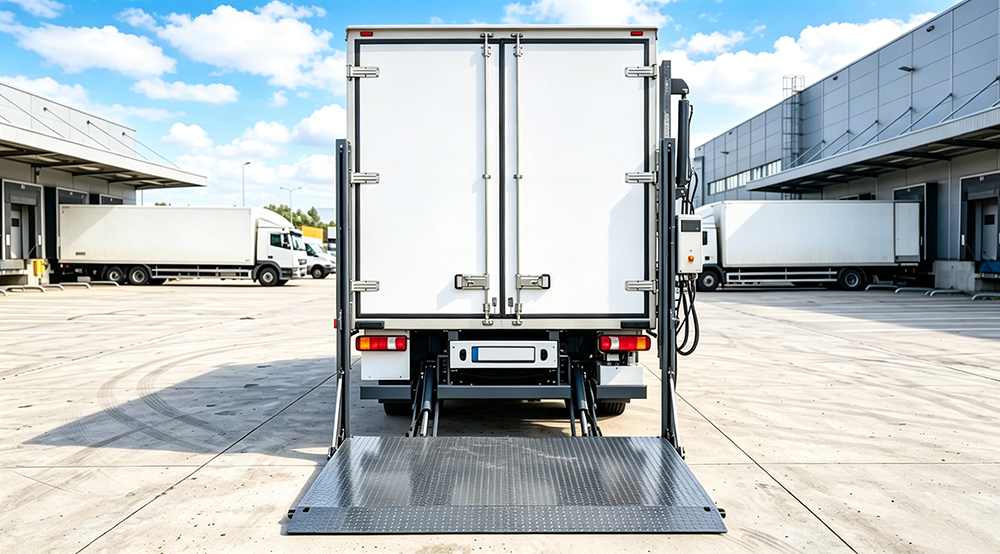
Why a Running Motor Doesn’t Always Mean a Working Lift
A hydraulic tail lift works on a fairly simple principle. An electric motor drives a pump. That pump pressurizes hydraulic oil. The pressurized oil pushes against a piston inside the lift cylinder, and that motion raises the platform. The motor’s only job is to turn the pump. Whether the platform actually rises depends on what happens after that point. It depends on whether the oil builds real pressure, whether it reaches the cylinder cleanly, and whether the cylinder can hold that pressure once it gets there.
So when the motor runs but nothing lifts, the fault sits somewhere between the pump and the platform. It’s not in the wiring that powers the motor. The motor spinning tells you the electrical side is doing its job correctly. It’s the hydraulic side that’s failing to convert that spinning motion into usable lifting force. This distinction narrows things down considerably. It’s also why a tail lift not working in this specific way is rarely solved by checking fuses or battery terminals. Those checks matter for a lift that won’t respond at all. But they won’t explain a motor that runs fine while the platform sits still.
Most fleets encounter this exact symptom at some point, especially on a truck tail lift that sees frequent daily cycles. The good news is that the list of likely causes is fairly short. Several of them are things a driver or fleet technician can check without special tools.
It’s also worth noting that a hydraulic tail lift is a closed system by design. Oil doesn’t disappear — it simply stops going where it’s supposed to go. That framing helps when troubleshooting. Rather than assuming something is broken beyond repair, the goal is usually to figure out where the oil is losing its path. Most cases of a tail lift not working in this exact way trace back to one of a small handful of points along that oil path, from the reservoir all the way to the cylinder.
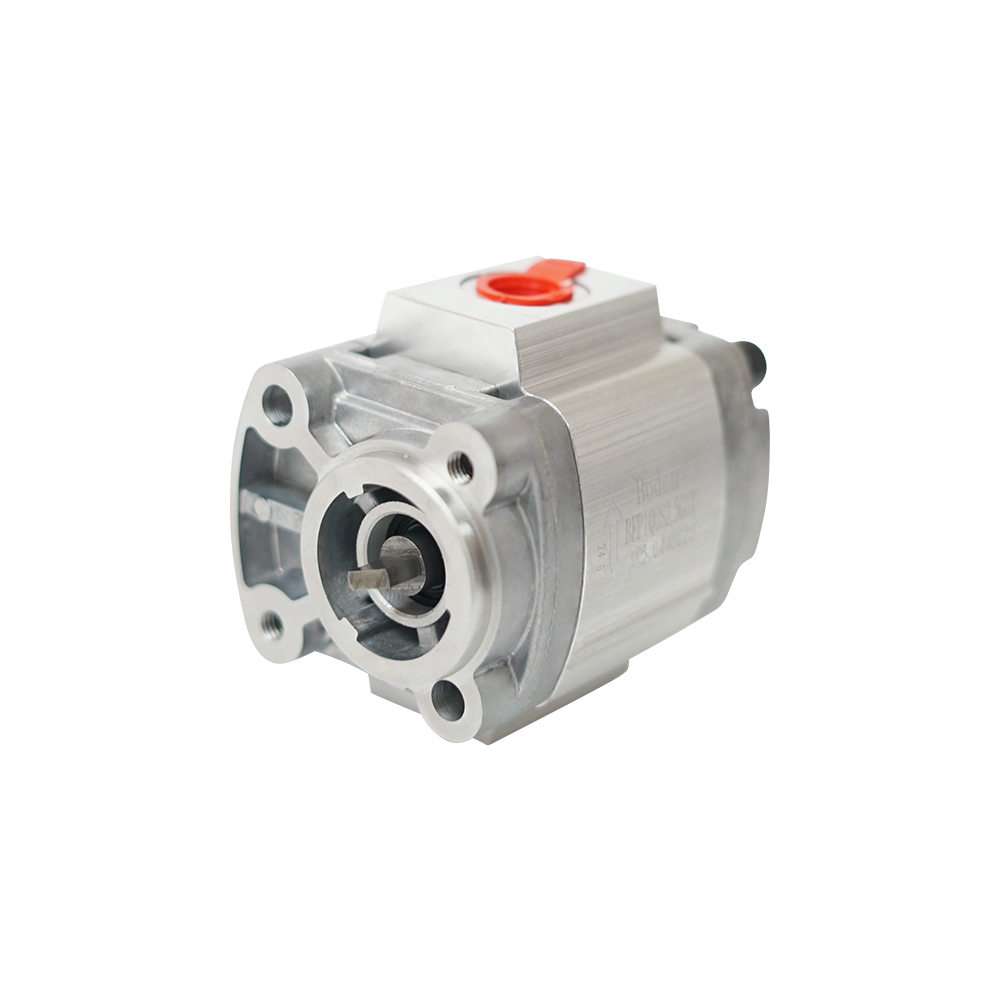
Common Causes Behind This Type of Tail Lift Not Working
- The Hydraulic Pump Is Worn or Bypassing Internally A worn pump can still spin freely without building real pressure. Oil slips back past worn parts inside the pump housing. Engineers call this “bypassing.” The motor sounds normal, but it produces almost no usable force. This is a common cause of a tail lift not working after years of daily cycles. Wear tends to build up gradually, not overnight. A pump starting to bypass may still lift an empty platform slowly. It often fails completely once a real load is added.
- The Relief Valve Is Stuck Open Every hydraulic tail lift has a relief valve. This safety valve sends oil back to the tank if pressure climbs too high. It protects the pump and cylinder from overload damage. Sometimes debris holds the valve open when it shouldn’t be. Oil then cycles harmlessly back to the tank instead of reaching the cylinder. The motor runs and the pump spins, but the platform gets no pressure. A stuck relief valve is a common but easy-to-miss cause of a tail lift not working. Nothing about it looks visibly broken.
- The Check Valve Is Fouled or Failing A check valve holds system pressure once the lift stops moving. It also directs oil correctly during the lifting stroke. Dirt or wear can keep the valve seat from sealing. Oil then flows back toward the tank instead of into the cylinder. On some units, the lift works, then suddenly stops. That kind of inconsistency often points to a valve problem. A failing pump usually weakens steadily instead of coming and going.
- Low Hydraulic Fluid or Air Trapped in the System If fluid drops too low, the pump’s intake line can pull in air. Air compresses far more easily than hydraulic fluid. Instead of transferring force, the system just compresses that trapped air pocket. The motor runs normally because it isn’t working against real resistance. This is common on a truck tail lift parked on a slope. Fluid inside the reservoir can shift away from the pickup point, leaving the pump briefly dry.
- Cold Weather Has Thickened the Hydraulic Oil Cold hydraulic oil naturally thickens and resists flow. A too-viscous oil makes the pump struggle to draw it in. Pressure then takes longer to build. This often shows up as sluggish or absent movement on a cold morning. It usually improves once the system warms up. Fleets in cold climates should check whether their tail lift maintenance routine covers seasonal fluid changes. The wrong viscosity oil can make this problem worse.
- The Cylinder Has Internal Seal Wear Even with a working pump and valves, a worn cylinder seal can let oil bypass the piston. Pressure builds briefly, then leaks past the worn seal. The piston stops moving upward instead of continuing. Over time and heavy use, this wear shows up on almost any hydraulic tail lift. It’s one of the harder issues to diagnose without opening the cylinder.
How to Narrow Down the Cause Yourself
Before assuming the worst, a short and structured check can help. It often points you toward the right answer without removing any major components. A little patience goes a long way here. Rushing straight to a full teardown often means replacing a part that was never actually the problem — when a simpler fix on the tail lift would have worked just as well.
- Check the fluid level first. Open the reservoir and look at the actual oil level inside it, not just for leaks underneath the vehicle. Low fluid is the simplest explanation to rule out. It takes less than a minute to check.
- Listen for changes in sound. A pump that’s bypassing internally sometimes has a slightly different tone than one that’s simply air-locked. It won’t tell you the exact cause. But it can help you tell whether the issue is consistent or comes and goes.
- Try a short cycle test with no load. Run the platform up and down a few times empty. Intermittent movement often points to a valve issue rather than a worn pump. Pumps tend to fail more consistently once they start slipping.
- Check for temperature patterns. If the problem is worse in the morning or in cold weather, and improves once the vehicle has been running, oil viscosity is a likely factor. It’s less likely to be a mechanical failure.
- Inspect visible tail lift parts for residue. Look closely at hose fittings, valve bodies, and the exposed cylinder rod. Oil film or wet patches can point directly toward where pressure is escaping.
This kind of basic check is part of good tail lift maintenance practice. Most fleets that catch problems at this stage avoid the situation where a tail lift not working turns into a full day of downtime.
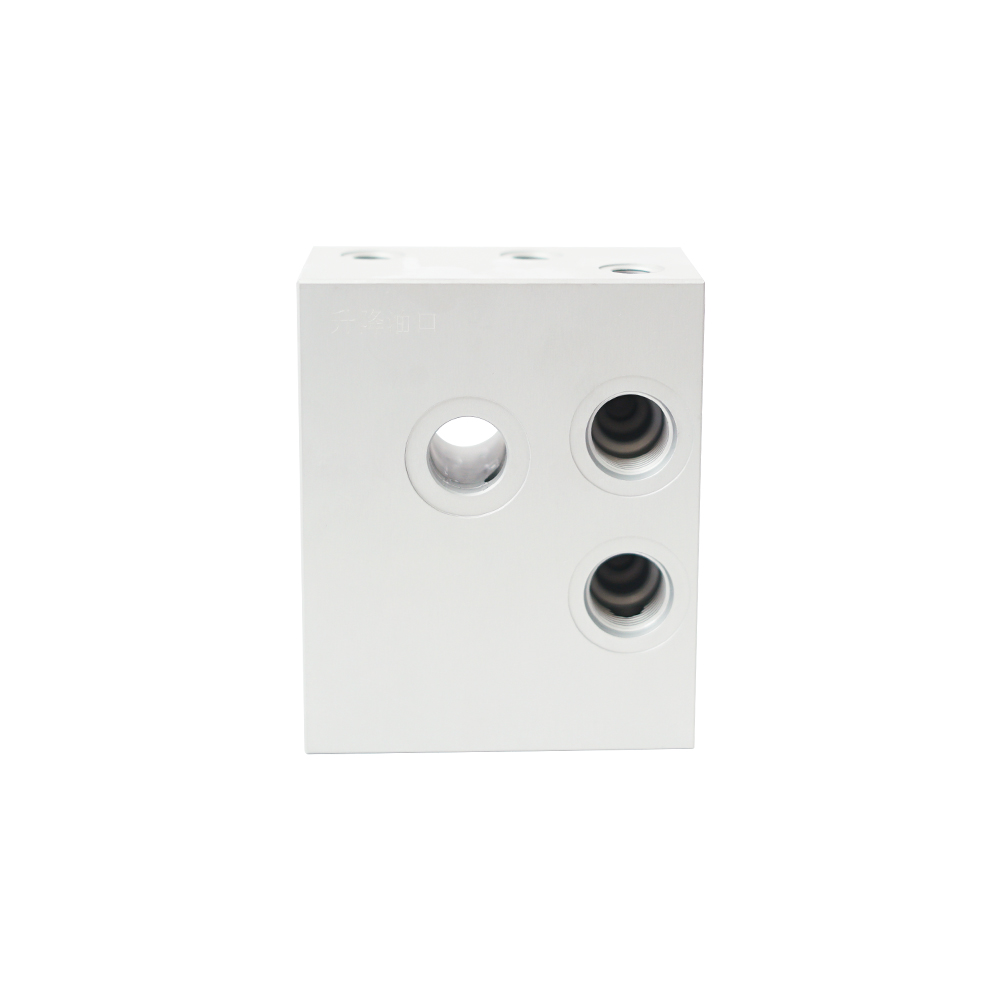
When to Stop Troubleshooting and Call for Repairs
Some of the causes above are safe to check yourself with basic tools and a bit of patience. Others aren’t. Pushing forward without the right equipment can turn a manageable issue into a bigger one. If you’ve confirmed the fluid level is fine and the platform still won’t lift, it’s usually time to bring in someone qualified rather than continuing to guess.
A pump that’s worn internally, a relief valve that needs replacing, or a cylinder with seal damage typically calls for proper tail lift repairs. A temporary workaround usually isn’t enough. Trying to force a lift to operate under partial pressure can strain other components down the line. In a worst-case scenario, it can create a real safety risk if the platform loses pressure while carrying a load.
If your truck tail lift is still under warranty, it’s worth reaching out to your manufacturer first. The same goes if you’re unsure whether a component needs a full replacement or just a rebuild kit — a certified technician can make that call better than a guess. Genuine tail lift parts matched to your specific model matter here too. Mismatched valves, seals, or pump components are a common reason a repair doesn’t fully solve the problem on the first attempt.
Preventing This Problem Before It Starts
Most of the causes behind this type of tail lift not working build up gradually rather than happening overnight. Fluid slowly degrades with use and heat cycling. Seals slowly wear down with every lifting cycle. Valves slowly collect debris that eventually keeps them from sealing properly. Regular, scheduled attention is the most reliable way to avoid getting stranded. Checking fluid levels, watching for early signs of sluggish movement, and replacing worn components before they fail completely — all of it adds up.
A tail lift is a piece of equipment your operation depends on every single day, often multiple times per stop. Catching a small hydraulic issue early keeps your truck tail lift reliable. It also keeps loading and unloading running on schedule, instead of grinding to a halt at the worst possible moment.
Quick Questions Drivers Often Ask
Does a running motor mean the electrical system is fine? Generally, yes. If the motor spins and makes normal sound, the power supply, switch, and motor itself are almost certainly working. The problem lies further down the chain, inside the hydraulic components that turn that spinning motion into lifting force.
Can I keep using the tail lift while I wait for parts? It depends on the cause. A slow, mild loss of lift on an empty platform might still be usable short-term with caution. But if the platform can’t hold pressure under any load, continuing to use it risks a sudden drop. When in doubt, take the vehicle out of service until proper tail lift repairs are completed.
How do I know if I need a new pump or just new tail lift parts? A full pump replacement is usually only necessary when internal bypassing is severe and consistent. Many cases only need one worn component replaced — a valve, a seal kit, or a filter. That’s far less expensive than swapping the entire hydraulic tail lift power unit. A technician can usually tell the difference with a basic pressure test.
Is this problem more common on older tail lifts? Age plays a role, but usage matters more. A tail lift running two or three cycles a day for years will develop wear at a different pace than one used occasionally. A well-maintained tail lift can often outlast a newer unit that’s been neglected. Fleets running heavier daily volumes through a truck tail lift tend to see pump and seal wear show up sooner, simply because the components go through more cycles overall.
Key Takeaways
- A tail lift not working in this specific way — motor running, platform staying still — is almost always a hydraulic issue rather than an electrical one.
- The most common causes are a worn pump, a stuck relief valve, a fouled check valve, low or aerated fluid, cold-thickened oil, or a cylinder with worn internal seals.
- A short self-check covering fluid level, sound, load behavior, and temperature patterns can often narrow down the cause.
- Once fluid level is ruled out and the platform still won’t lift, proper tail lift repairs from a qualified technician are the safer path forward.
- Routine attention to fluid condition and worn components remains the most effective way to prevent this failure, keeping a tail lift dependable through years of daily use.
Trusted by Fleet Operators Across 60+ Countries
Stop Losing Time at the Loading Dock.
Get a Custom-Matched Tail Lift Quote in 24 Hours.
60
Countries Served
24h
Quote Turnaround
99.9
Field Uptime
5.0
Customer Rating
No Obligation
CE & UKCA Certified
Standard & Custom Builds
Worldwide Shipping