Having trouble submitting? Email us directly at nicole@beauway.com and we'll get back to you within 24 hours.











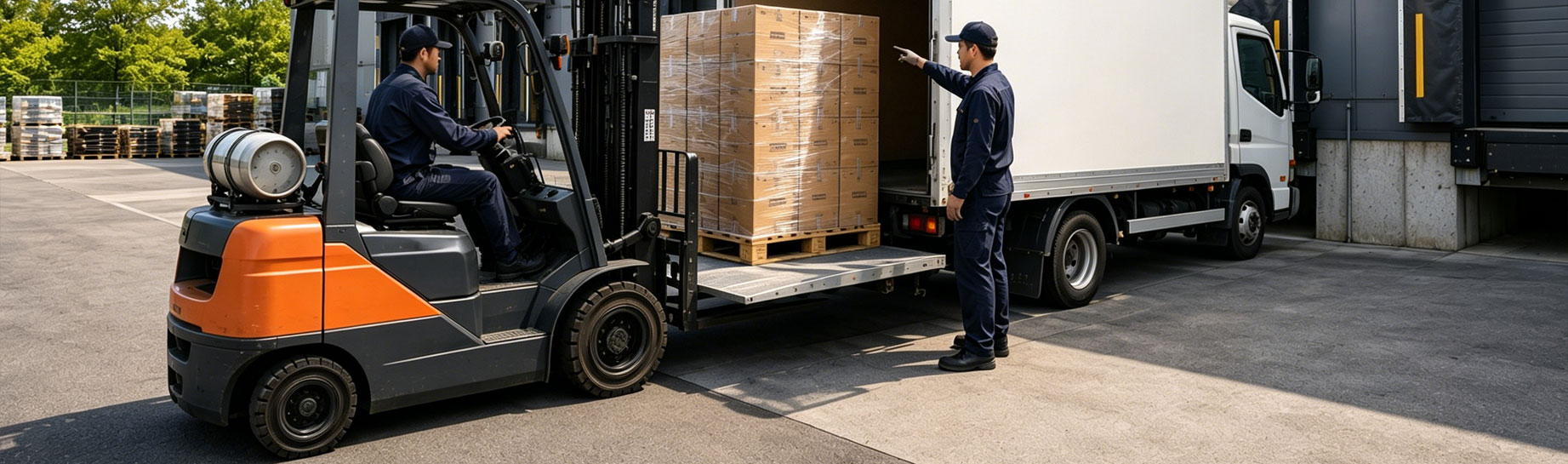
Storytelling or Hard Selling: Two Ways Tail Lift Brands Do Content
Search for any china tail lift manufacturer online, and the results split into two camps. One camp shows a product photo, a spec table, and a “Request a Quote” button. The other camp explains something. Why does a hinge design fail on rough roads? How do platform materials compare? What happens to a lifting mechanism under an uneven load? Same industry. Same buyers. Two very different instincts about what content is for.
That split has little to do with company size. A small workshop can publish solid engineering write-ups. A large group can settle for the thinnest catalog copy. Age doesn’t predict it either. A factory running for thirty years can still read like it wrote its site in an afternoon. A brand-new company might explain its process clearly from day one.
What separates the two comes down to one question: does this china tail lift manufacturer think buyers need to be persuaded, or educated first and persuaded second? Almost every page a company publishes answers that question, whether it means to or not.

What a Hard-Selling Tail Lift Manufacturer Website Looks Like
Most catalog sites run on one assumption. The buyer already knows what they want. So the page’s only job is to push them to a quote form fast. A typical tail lift manufacturer built this way shares a few habits:
- Product names double as keywords
- Category pages repeat the same phrase in different orders
- Copy reads like a directory listing, not something written for a person
- The site claims to be an “established factory” with no proof behind it
- The word “wholesale” appears in nearly every paragraph
The visitor learns the dimensions and the price. Nothing else.
This instinct isn’t irrational. For a routine purchase, a short path to a quote helps. The problem shows up later. A buyer opens five nearly identical pages from five different tail lift factory sites. Each one repeats the same claims in the same order. None of it builds trust. It just adds a line to the comparison sheet the buyer is quietly building.
There’s a structural weakness too. Any page built purely on specs and a contact form can be copied. A rival factory matches the layout, borrows the same “quality guaranteed” language, and undercuts the price within a season. If a company’s whole strategy is a catalog and a form, it is one aggressive competitor away from becoming interchangeable. Dozens of active tail lift manufacturers chase the same buyers. Someone always shaves the margin further.
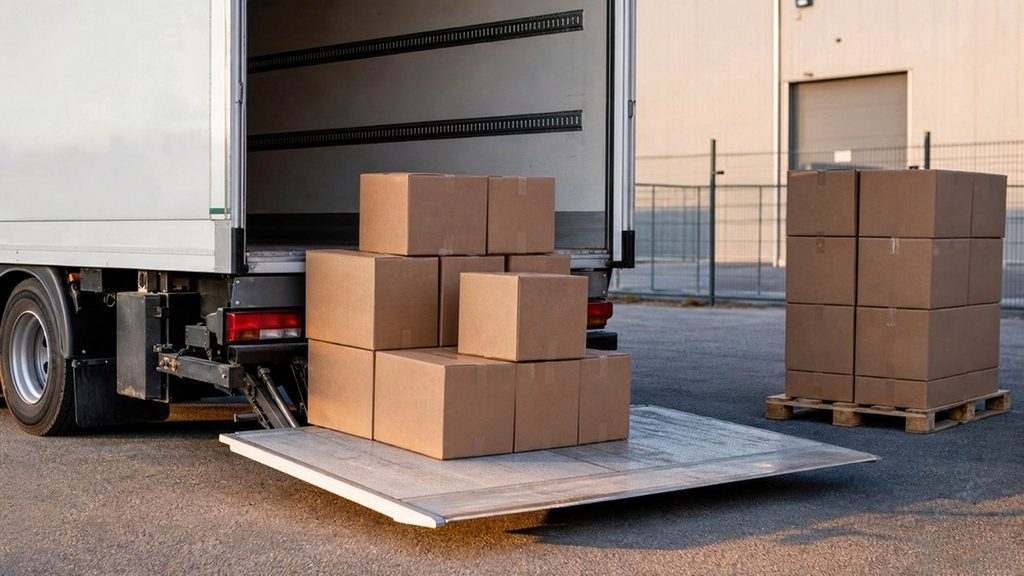
How a China Tail Lift Manufacturer Wins With Education, Not Ads
The second group treats content as a way to teach, not just to list. A product page doesn’t stop at the word “hydraulic.” The “About Us” page isn’t filler. Instead, this kind of china tail lift manufacturer walks through real trade-offs:
- How a hydraulic system distributes load compared with a mechanical or electric one, and why that matters for a fleet making a dozen stops a day
- Why a column-style platform suits a tight urban route better than a cantilever design
- What goes wrong when a unit is specified against the wrong gross vehicle weight
None of this is marketing dressed up as education. It’s information a buyer wants, regardless of who wrote it. That’s exactly why it works. A logistics manager rarely wants to hear “we’re the best.” They want the trade-offs laid out clearly enough to decide for themselves. Whoever helps them do that — a large hydraulic tail lift manufacturers group or a small specialist workshop — tends to get the first call.
This is how a company can call itself a tail lift factory without sounding like an ad. Explaining how welds get pressure-tested, why a certain steel gauge was chosen, or how units get quality-checked before shipping — that’s proof, not a pitch. The same logic applies to supply pages. A page that honestly explains lead times, minimum order quantities, and how an order moves from the floor to a container beats any banner promising “fast and reliable service.” It reads like someone who actually did the work.
Factory A vs. Factory B: A Direct Comparison
Two companies sell nearly the same equipment to nearly the same buyers.
Factory A
A homepage. A product grid. A contact form. That’s it. Every page repeats the same phrases, written for search engines, not people. The visitor learns the dimensions and the price. Nothing about the company behind them.
Factory B
Sells something similar, but its site has a section that reads like a trade publication:
- An explainer on choosing a column lift versus a tuckaway lift for refrigerated trucks
- A plain-language breakdown of recommended maintenance intervals
- A short piece on why coastal welds fail earlier than inland ones
None of it mentions price. All of it signals competence.
A buyer browsing both for the first time might not notice the difference right away. But by the time they decide, Factory B has already answered questions Factory A never tried to address. That quietly decides who gets the first call, long before pricing comes up.
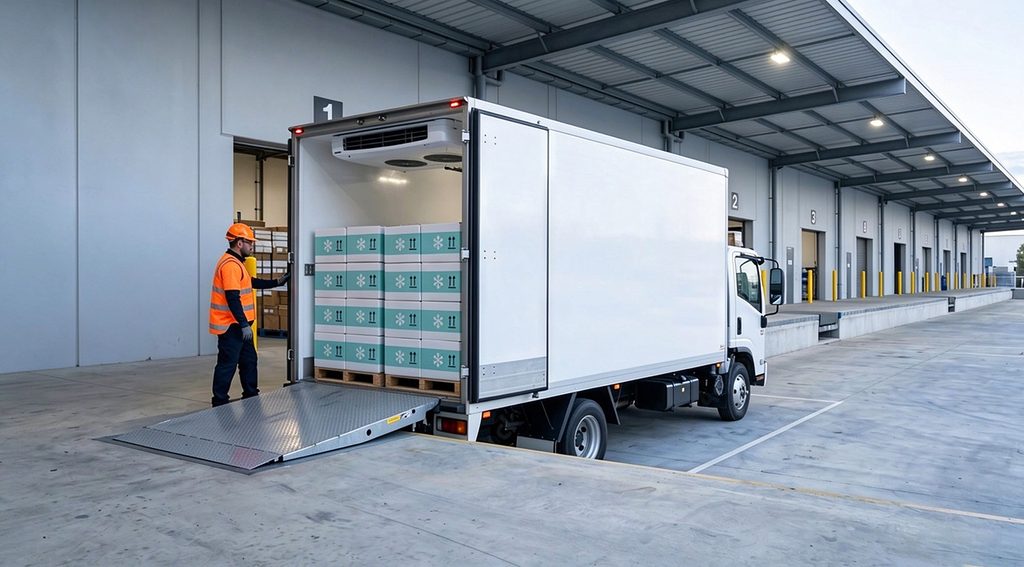
Why Every China Tail Lift Manufacturer Needs This Now
Buyers don’t behave the way they did a decade ago.
Independent research on business purchasing consistently finds that buyers complete more than half of their research before ever speaking to a sales rep, comparing several sources before narrowing things to a shortlist.
By the time someone fills out a contact form, they’ve usually formed a settled opinion. Which companies seem credible? Which seem interchangeable?
Part of this comes down to risk. Ordering the wrong capacity, or picking a supplier who disappears after the sale, is expensive to fix. So buyers read for an extra hour instead of gambling on a call. A sales conversation is persuasive by design. That’s why buyers delay it until they’ve formed their own view from what they found written down.
The moment that used to happen on a phone call now happens on a web page, days or weeks earlier. Someone comparing a china tail lift manufacturer against competing factories usually isn’t browsing for fun. They’re narrowing a shortlist, often for a purchase that repeats as a fleet grows. If every page reads like the same brochure with a different logo, price becomes the only variable left. But if one source explains something new, that source gets remembered when the budget clears.
The Compounding Payoff No China Tail Lift Manufacturer Notices at First
Educational content has a slower payoff. It rarely shows up in a single month’s numbers. A page that only lists a product and a price gets read once, then forgotten. A page that actually explains something gets found again and again, over months and years. It keeps answering the same question each time it resurfaces in search. Forums link to it. People bookmark it, even before they’re ready to buy. None of that shows up on a dashboard the week it’s published. That’s why so many companies quit before it works.
Hard-selling pages have a shelf life tied to keyword competition that week. A rival copies the layout, undercuts the price, and the advantage disappears. There was never anything under the page but the price itself. Educational content is harder to copy convincingly. It requires the writer to actually understand the subject. A competitor can paste the same paragraph elsewhere, but next to the original, it reads thin. Readers notice, even without knowing why.
This is why educational content ages well while price-led content doesn’t. A “lowest price this month” page is only true for a month. A page explaining how a hinge holds up over years stays useful long after the price next to it has gone stale.
How Buyers Judge a China Tail Lift Manufacturer From a Distance
This pattern shows up clearly when a buyer can’t walk the production floor in person. A buyer weighing several factories — or comparing one china tail lift factory against another with a near-identical brochure — leans almost entirely on written content. Detailed, specific writing does the job a factory tour would normally do. It shows understanding instead of just claiming it.
The same logic runs the other way. Anyone comparing a china tail lift supplier — or any tail lift supplier — for a long-term relationship isn’t only checking dimensions. They’re judging whether the company truly understands its product, or is just repeating the same three claims as everyone else. Content that explains reasoning, not just output, wins that comparison even when the equipment is nearly identical on paper.
Where Sales Pages and Education Meet
None of this means spec sheets are a mistake. A buyer who knows exactly what they need still wants a clear spec page: dimensions, capacity, and a fast way to request a quote. The failure isn’t having that content. It’s having only that content, with nothing underneath showing judgment or experience.
A resilient website runs two tracks at once:
- Transactional pages for buyers who already know what they want. Someone placing a repeat order for a wholesale tail lift mainly needs speed and a clean order form.
- Explanatory content for buyers still deciding what “good” looks like. A first-time buyer needs context, honest comparisons, and clear trade-offs before committing real money.
Parts and Aftermarket Content From a Tail Lift Parts Distributor
Aftermarket content follows the same split. A tail lift parts distributor page that only lists part numbers serves a buyer who already knows the exact component they need. But a page explaining how to diagnose a failing seal, how often a hydraulic reservoir should be serviced, or what a worn hinge looks like reaches a wider audience. That includes buyers who haven’t decided whether to repair or replace. They’ll remember whichever source helped them figure it out.
The Long Game: Why a China Tail Lift Manufacturer Should Play It
Hard-selling content chases the buyer ready to buy today. Educational content builds the reputation that earns a shortlist spot every time after that — for future orders, informal referrals, and every buyer still comparing tail lift suppliers without knowing who they’ll pick. In a field crowded with interchangeable factories, the ones willing to explain their reasoning, rather than quote a price and wait, are the ones buyers remember when it’s time to order.
That’s the real split running through this industry: talking at buyers, or talking to them. One approach fills a form today and moves to the next lead. The other builds trust that brings a buyer back long after the invoice is paid.
None of this means dropping the practical pages a business needs — dimensions, capacities, a fast way to reach sales. It just means those pages shouldn’t be the whole strategy. The companies still trusted a year from now are rarely the loudest in search results. They usually took extra time to explain something clearly, without asking for anything in return.
In the end, the choice isn’t really about content. It’s about which company a china tail lift manufacturer wants to be — one more name in a list of near-identical quotes, or the source a buyer trusts enough to come back to, quote or no quote.
Trusted by Fleet Operators Across 60+ Countries
Stop Losing Time at the Loading Dock.
Get a Custom-Matched Tail Lift Quote in 24 Hours.
60
Countries Served
24h
Quote Turnaround
99.9
Field Uptime
5.0
Customer Rating
No Obligation
CE & UKCA Certified
Standard & Custom Builds
Worldwide Shipping