Having trouble submitting? Email us directly at nicole@beauway.com and we'll get back to you within 24 hours.











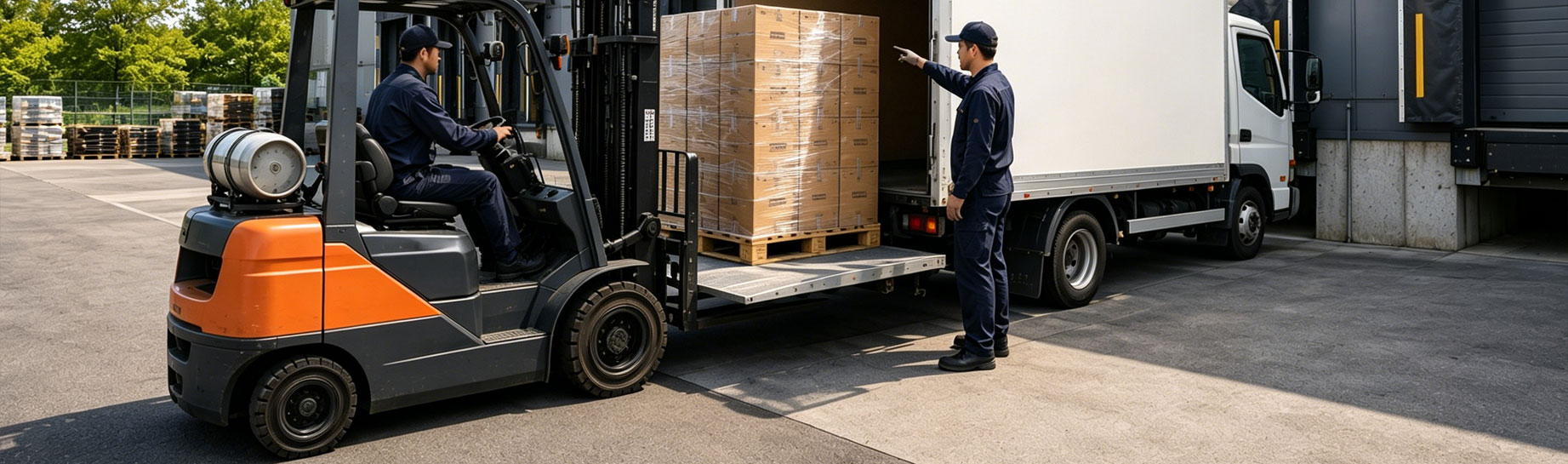
Hydraulic Dock Leveler Won’t Lift? It’s Rarely the Pump
The Truck Is Waiting and Everyone Blames the Same Part
It’s 7:30 in the morning. A truck sits backed into the bay. The driver waits. You hit the button — nothing happens. Or worse, the platform groans, twitches an inch, and stops. In that moment, almost everyone reaches for the same explanation: the pump must be dead.
Maybe you searched “hydraulic dock leveler won’t lift” because you’re staring at exactly this right now. The bay is blocked. The schedule is slipping. You want to order a new pump and move on.
Here’s the thing worth knowing first: pumps do fail, but they rarely start the trouble. Most of the time, something cheaper and easier to check leaves a dock leveler stuck — not the loudest, most obvious part. These smaller culprits don’t make noise when they fail, so nobody thinks to look at them first.
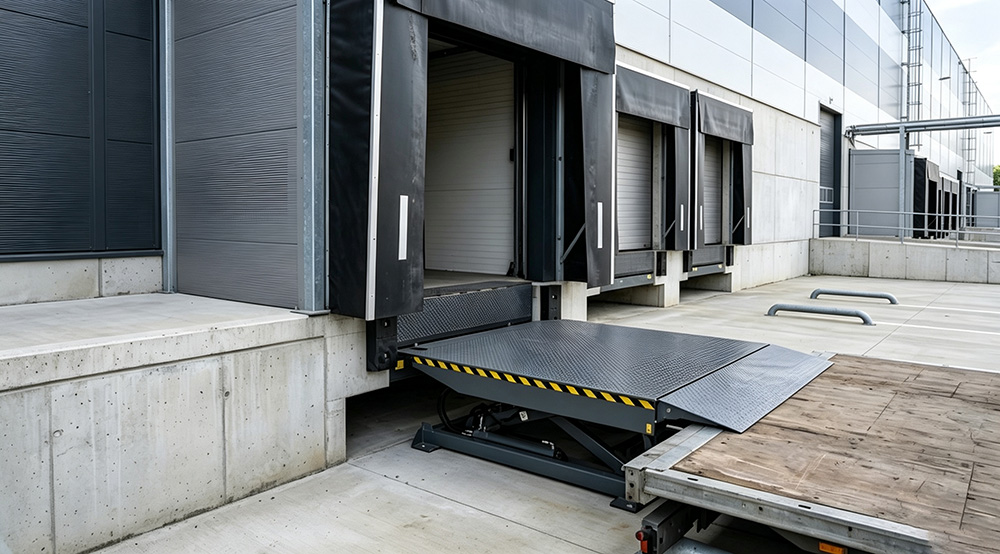
Why Everyone’s First Guess Is the Pump
The instinct isn’t crazy. You can hear the pump. It hums, it kicks on, and when something’s wrong, you feel the system lose its usual push. A pressure switch that’s drifted, or a solenoid valve with a speck of debris in it, doesn’t announce itself the same way. It makes no sound, gives off no smell, offers nothing to point you toward it.
Plenty of people troubleshooting hydraulics carry over habits from cars or forklifts. “No power” usually meant a pump or motor problem there, so the same logic follows them here. But a dock leveler’s hydraulic circuit has more links in the chain, and the pump sits near the end, not the front. Look at a real list of common dock leveler problems and most of them cluster around what happens before fluid ever reaches the pump.
The Oil Is Low, or It’s Just Tired
This is the check people skip fastest — and usually the first thing worth doing.
What it looks like: The platform moves noticeably slower than usual, not a hard stop but a labored, hesitant lift. You might hear a faint sighing sound instead of the steady hum. Sometimes the leveler lifts partway, then loses steam entirely.
Why people blame the pump instead: Low fluid or degraded oil starves the system of pressure. That symptom — a leveler moving slowly or refusing to lift — looks almost identical to a worn-out pump. Swap the pump on a low-oil system, and you’ve spent money on the wrong part.
How to check it yourself: Pop the reservoir cap and check the fluid level against the sight gauge. Dark, cloudy, or burnt-smelling oil is a red flag on its own, even with the level looking fine — heat-degraded fluid loses its ability to hold pressure. Walk around the cylinders and fittings and look for a thin sheen of oil. Even a small, slow weep adds up over months.
When to stop and call someone: If you find metal flecks or rubbery debris in the fluid, don’t just top it off. Something inside the system is already wearing down, and fresh oil won’t fix that.
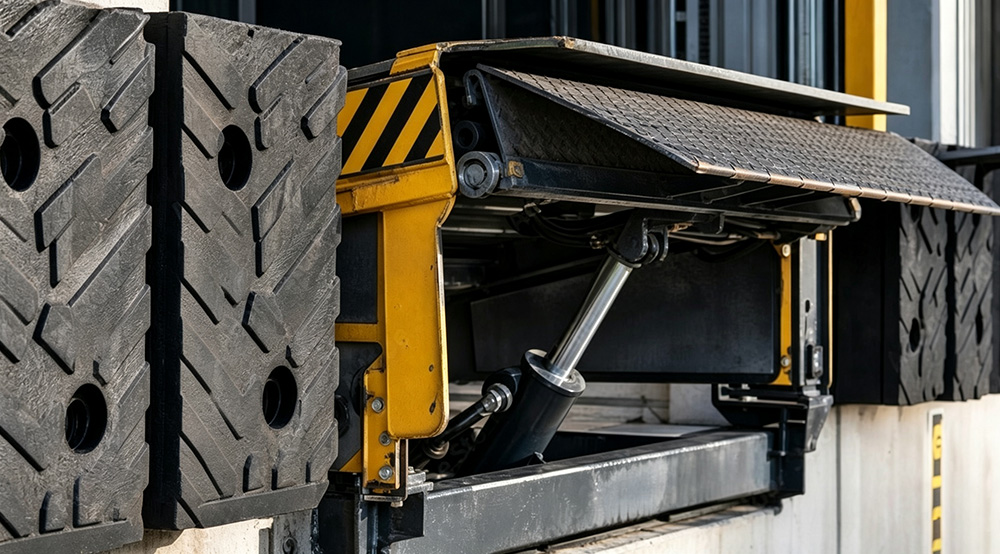
The Valve Isn’t Getting the Signal Through
What it looks like: You press the button and get total silence, or a sluggish, delayed response — like the command went out but nobody picked up.
Why people blame the pump instead: The control valve or solenoid sits quietly in the middle of the circuit. It doesn’t spin, doesn’t heat up, doesn’t do anything you’d notice on a normal day. So when the system won’t move, your eye goes straight to the part that’s actually spinning — the pump — instead of the quiet block of metal in the middle of the hoses.
How to check it yourself: Listen the instant you press the button. A faint click means the solenoid coil is energizing — a good sign that points you toward the valve body or downstream. No click usually means the valve isn’t getting power, which sends you back to the electrical side first.
When to stop and call someone: A sticking spool or worn internal seals need disassembly with the right tools. Get it wrong, and you can score the bore or reassemble it out of sequence. This is one of the more common reasons people end up needing real dock leveler repair instead of a quick fix.
The Pressure Switch Has Quietly Drifted
Most people don’t even know this part exists, which is exactly why it gets missed.
What it looks like: The platform either won’t move at all, or behaves strangely — stopping short before full height, or refusing to stop where it should.
Why people blame the pump instead: The pressure switch senses system pressure and signals accordingly. Its setpoint drifts gradually with age and vibration. When it drifts far enough, the system misreads normal pressure as too low or too high and simply refuses to continue. From the outside, that looks exactly like a system that’s lost power — so the pump takes the blame again.
How to check it yourself: You can’t really eyeball this one with confidence; it involves an actual pressure value most people can’t verify without a gauge. Rule out oil and the valve first. If the symptoms persist past those two checks, move the pressure switch up your list.
When to stop and call someone: Adjusting a pressure switch means recalibrating the system’s operating pressure. Get the number wrong, and you risk more than a leveler that still won’t work — you could create a situation where the platform drops unexpectedly under load. Don’t guess at this one.
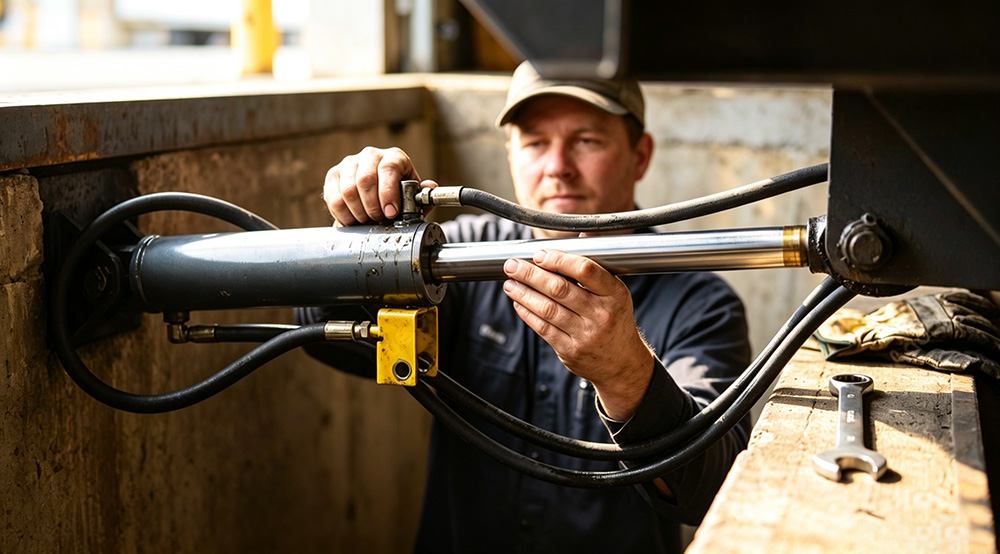
The Cylinder Is Leaking on the Inside
What it looks like: The platform lifts fine, but creeps back down on its own. Sometimes it happens mid-cycle. Sometimes you just notice it sitting lower in the morning than where you left it.
Why people blame the pump instead: This cause fools people more than any other on this list, because there’s nothing to see. The leak isn’t external — fluid bypasses the piston seal internally, moving from one side of the cylinder to the other. No puddle. No wet spot. Since the oil level in the tank hasn’t dropped and nothing looks wet, people rule out “leak” entirely and land back on the pump.
How to check it yourself: Watch for that slow, self-lowering drift specifically, especially when you see zero oil loss anywhere else. That combination points to an internal leak, not a pump problem.
When to stop and call someone: Replacing cylinder seals means depressurizing the system and pulling the cylinder apart. Trapped residual pressure can release unexpectedly during that process, and that’s a real injury risk without the right setup.
The Problem Never Reached the Hydraulics at All
What it looks like: Total silence. Not even the faint hum you’d normally hear when the system tries to engage. The whole unit feels dead.
Why people blame the pump instead: People assume “the hydraulics are down” the moment a leveler goes quiet, forgetting that the pump itself runs on electricity. A blown fuse, a failed contactor, or a loose connection in the control panel stops the pump from ever starting. That looks identical to a mechanically failed pump — except a brand-new pump wired into the same broken circuit still won’t turn on.
How to check it yourself: Check the control panel for warning lights. Look for a blown fuse. Check whether a breaker tripped. This takes a few minutes, involves no disassembly, and costs nothing — the cheapest, lowest-risk place to start.
When to stop and call someone: Once you’re into contactor wiring or a faulty control board, hand it to an electrician. It’s not worth the shock risk to save a service call.
A Faster Way to Work Through It
Start with what costs nothing to check: fuses, breakers, warning lights on the panel. Then look at the oil — level, color, smell, any visible weeping around the fittings. Listen for that solenoid click when you press the button.
Only after ruling those out should you start suspecting the pressure switch or an internal cylinder leak. Confirming either one usually needs a tool or a trained eye.
That’s really what hydraulic dock leveler troubleshooting comes down to. Don’t guess at the most dramatic-sounding cause. Work outward from the cheapest, easiest-to-verify possibility toward the ones that actually require taking something apart.
Where the Line Is for DIY
A hydraulic dock leveler holds real stored energy. Once you move past checking fuses and oil levels — into cracking open a cylinder, recalibrating a pressure switch, or working inside an energized control panel — the risk changes. It’s no longer just “still broken.” Someone could get hurt.
If you’ve worked through the cheap, obvious checks and the leveler’s still down, call it. Bring in someone qualified. Whatever you’d save by pushing through yourself rarely covers the cost of getting it wrong.
FAQ
Why does my hydraulic dock leveler lift partway and then stop?
This is almost always a pressure problem, not a dead pump. Low or degraded hydraulic fluid causes this most often, followed by a valve that’s only partially responding. Check the oil level and condition before you assume anything mechanical has failed.
Is a hydraulic dock leveler that won’t lift always a pump issue?
No — and that’s really the point of everything above. A failed pump causes this less often than almost anything else on the list. Low fluid, a stuck valve, a drifted pressure switch, an internal cylinder leak, or a simple electrical fault all happen more frequently.
Can I fix a dock leveler that’s stuck myself?
Some checks are safe to do yourself: fuses, breakers, oil level, listening for the solenoid click. Leave anything involving the cylinder, the pressure switch, or the control panel to a trained technician — these carry real safety risk if you get them wrong.
How much does dock leveler repair typically involve?
It depends entirely on the cause. An oil top-off or a blown fuse costs little and takes minutes. A valve rebuild, pressure switch recalibration, or cylinder reseal is a bigger job that usually needs a professional and the right parts on hand.
What’s the most overlooked cause of a hydraulic dock leveler not working?
Internal cylinder leaks, without question. There’s no puddle, no visible drop in the reservoir, nothing that points you toward it. People rule it out by instinct even though it causes a fair share of slow, self-lowering platforms.
We manufacture hydraulic tail lifts and dock levelers. A lot of what comes through our warranty and technical support line, especially from customers in regions with harsh climate swings, tracks closely with everything above: fluid condition, valve responsiveness, and how fast seals age under heat or humidity. Units that come back because the pump itself genuinely failed make up a much smaller slice than most people expect. So next time a dock leveler is not working the way it should, work through the cheaper possibilities first. The pump might not be the problem at all.
Trusted by Fleet Operators Across 60+ Countries
Stop Losing Time at the Loading Dock.
Get a Custom-Matched Tail Lift Quote in 24 Hours.
60
Countries Served
24h
Quote Turnaround
99.9
Field Uptime
5.0
Customer Rating
No Obligation
CE & UKCA Certified
Standard & Custom Builds
Worldwide Shipping