Having trouble submitting? Email us directly at nicole@beaway.com and we'll get back to you within 24 hours.











Tail Lift Won’t Lower? 7 Causes & Fixes
Tail Lift Won’t Lower? 7 Causes and Fixes
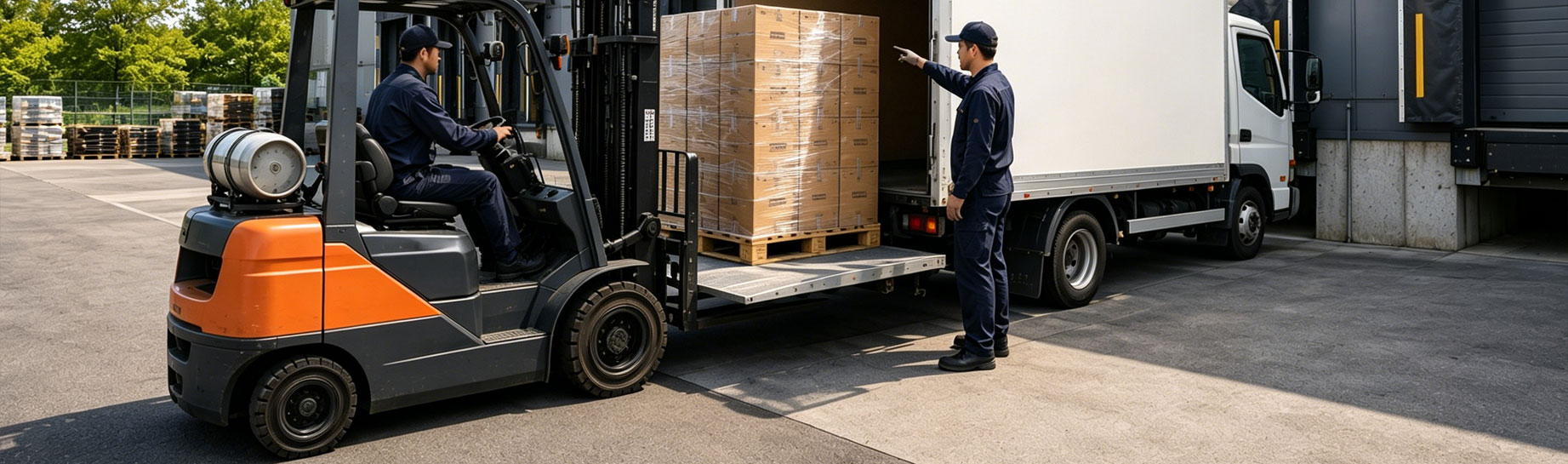
Is your tail lift stuck in the raised position? This is one of the most disruptive problems in freight and logistics. A hydraulic tail lift that won’t lower can halt an entire loading bay. Drivers get delayed. Schedules fall apart. Whether you manage a single liftgate or a full fleet, finding the root cause quickly is everything. Most platform lift repair jobs follow a predictable pattern. Here are the seven most common culprits — and what to do about each one.
1. Low Hydraulic Fluid Level on Your Tail Lift
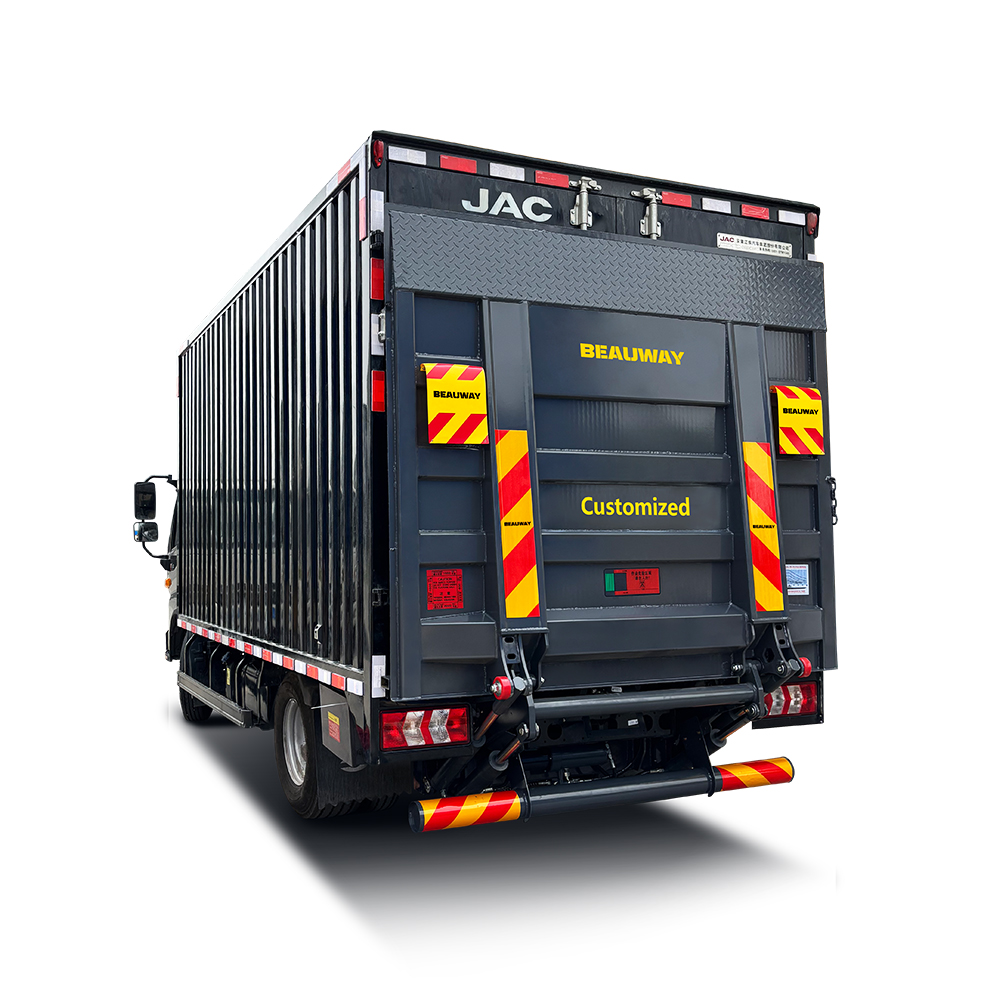
Run the fluid too low and the system won’t build enough pressure. The platform simply won’t move. This catches out plenty of experienced operators. On older vehicles, slow seep leaks go unnoticed for weeks.
Start by opening the reservoir cap and checking the level gauge. ISO VG 46 mineral hydraulic oil is the standard choice for most tail lift systems. It performs reliably between 10°C and 54°C. Operating in sub-zero conditions? Switch to ISO VG 32. The lower viscosity handles cold starts far better.
Topping up takes five minutes. But if you’re doing it repeatedly, the fluid isn’t disappearing on its own. Find the leak. Replace the seal kit at the same time. Fleet operators sourcing tail lift seal kit wholesale through a tail lift spare parts supplier China typically save 30–50% over local retail. Factor this into your next tail lift maintenance parts order.
2. Solenoid Valve Failure in Your Liftgate System
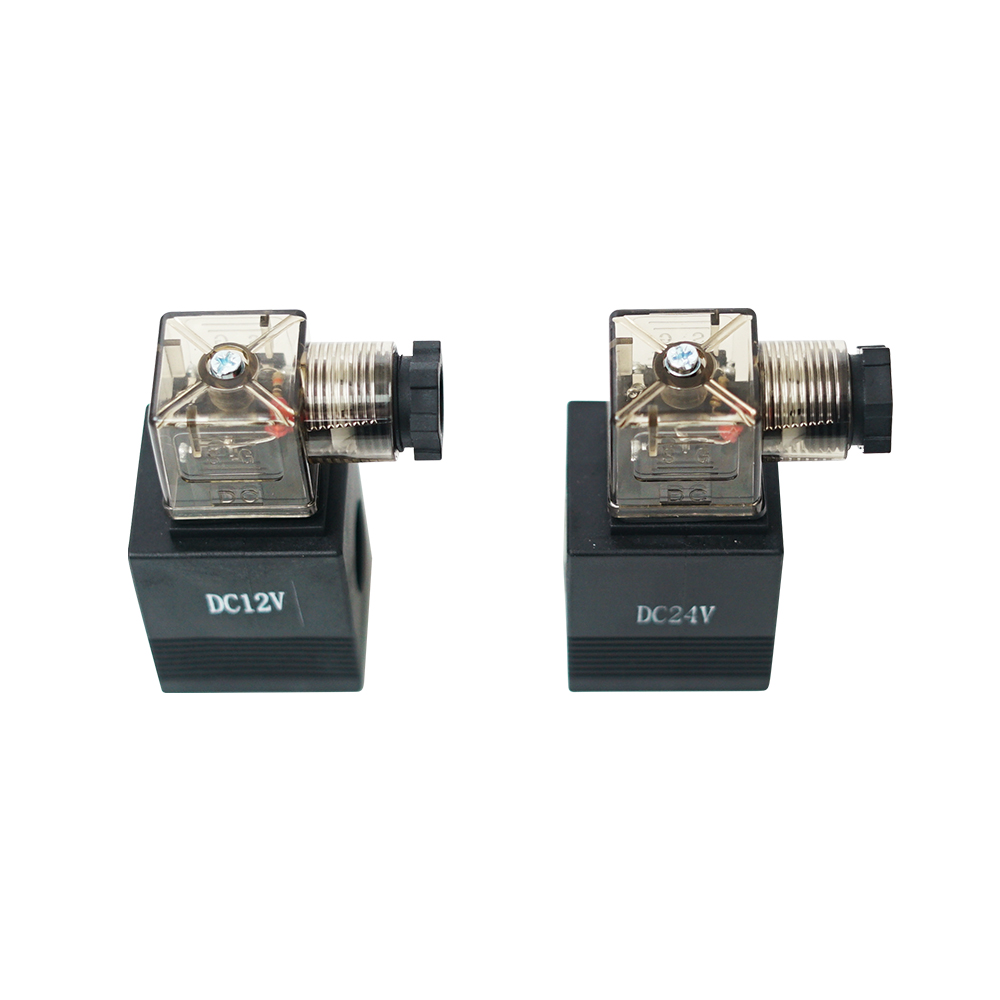
The solenoid valve directs hydraulic oil flow. It translates an electrical signal into platform movement. When it fails, the liftgate stops responding to the lower command entirely. A burned coil, seized spool, or aged internal seals are the usual causes.
Use a multimeter to check coil resistance. The correct value depends on your voltage. For 12V systems, expect 5–15Ω. For 24V systems, expect 20–40Ω. Never apply one figure universally. Always check the OEM spec sheet for your specific valve.
The safest replacement approach is to tail lift solenoid valve buy direct from the original manufacturer. Counterfeit valves are everywhere in the aftermarket. A cheap substitute that fails in three months costs far more in the long run. Leading tail lift parts OEM manufacturer China suppliers carry full valve cross-reference databases. Model matching is straightforward, even for older platforms.
3. Hydraulic Tail Lift Power Unit Failure
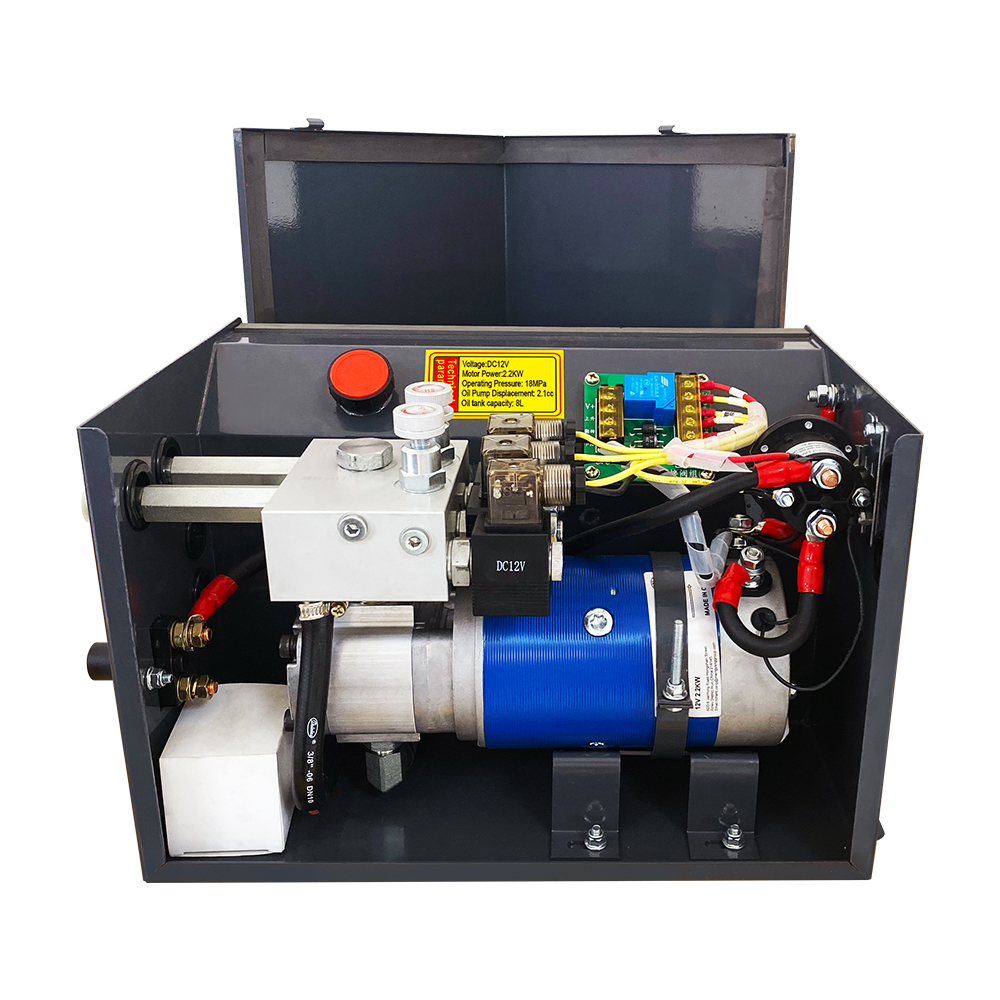
The power unit is the engine of your hydraulic tail lift. It combines the electric motor and hydraulic pump. When either component wears out, pressure drops. The platform loses the force it needs to move.
Watch for two symptoms. First, a motor that runs but produces no platform movement. Second, unusual grinding or whining on startup. Check input voltage first — confirm it matches your system spec (12V or 24V). Then pressure-test the pump output.
Light to medium-duty units run between 160–180 bar. Heavy-duty platforms push toward 180–220 bar. Falling well below those figures points to the pump. Full replacement is usually cleaner than rebuilding. A hydraulic pump tail lift factory China supplier provides OEM-matched units at competitive tail lift power unit factory price. Hydraulic tail lift parts FOB price terms suit international fleet buyers well.
4. Hydraulic Cylinder Leakage or Damage
Cylinders absorb heavy loads every day. Over time, seals harden and crack. Oil bypasses the piston. Pressure drops faster than the pump can compensate. The liftgate drifts down slowly — or loses its hold position entirely.
Run this field test. Raise the empty platform to around 600mm. Leave it for 60 seconds. Don’t touch the controls. If it drops more than 5mm, internal seal leakage is the problem. Also inspect the piston rod surface. Oil film or wet patches are a clear indicator.
Light seal wear can be fixed with a replacement kit. A scored or pitted rod needs a full cylinder swap. When contacting a tail lift hydraulic cylinder supplier or tail lift cylinder replacement supplier, have the original nameplate data ready. Provide bore diameter, stroke length, and mounting dimensions. These vary significantly between manufacturers. Getting it wrong means the part comes straight back.
5. Electrical Faults in Hydraulic Tail Lift Systems
Modern platform lift systems use electro-hydraulic circuits. A single corroded terminal or blown fuse can take the lowering function completely offline. Coastal routes and winter road salt make this worse. Wiring deteriorates faster than most operators expect.
Check the fuse first. Then inspect the harness from the control handle to the main board. Look for chafed or broken insulation. Confirm the chassis ground connection is tight and clean. A loose ground causes more phantom faults than any other single issue.
Seal all connectors with corrosion-resistant compound after the repair. Include fuses, relays, and wiring consumables in every tail lift maintenance parts order. Keeping these in stock means no waiting on deliveries next time something blows.
6. Relief Valve Set Too Low or Stuck Open
The relief valve limits maximum system pressure. It protects the unit from overload damage. But when it’s set too low — or stuck in the open position — pressure bleeds off before the platform can move. This is less obvious than other tail lift repair causes. Check it after ruling everything else out.
Connect a pressure gauge to the test port. Watch the peak reading. Most hydraulic tail lift systems set the relief valve between 180 and 250 bar. Falling consistently short of that range means the valve needs adjustment or replacement.
Always source OEM-specification tail lift parts for this repair. Non-standard pressure springs change the valve’s response curve. That creates instability elsewhere in the system. A reputable hydraulic tail lift repair parts wholesale supplier will stock matched-specification valves. Don’t substitute on price.
7. Mechanical Jams: A Common Tail Lift Repair Cause
Not every problem is hydraulic. Liftgate hinges and folding arms develop stiction without regular lubrication. A minor collision can bend a slide rail just enough to create a bind. No hydraulic repair will fix a platform that’s physically seized.
Check the structure manually first. Test every pivot point by hand. Look for freedom of movement. Inspect folding arm welds for cracking. Clear any debris from the rail channels. If something is bent or deformed, address the metalwork before touching the hydraulic system.
NLGI Grade 2 lithium grease prevents most of this. Apply it regularly to all pivot points and rail surfaces. Bushings and pins are inexpensive tail lift parts. Add them to every liftgate repair parts bulk order. Buying in volume keeps unit costs low and lead times short.
Inspection Intervals — What LOLER Actually Requires
This is frequently misunderstood. Under LOLER 1998, tail lifts used only for goods handling require a thorough examination every 12 months. Not 6 months. The 6-month rule applies only to units that carry people — accessibility vehicles, ambulances, and similar.
Tail Lift Parts Procurement: Building Stock That Works
Waiting for parts is where downtime costs really accumulate. A structured tail lift repair kit procurement approach makes a measurable difference. It applies whether you run a repair shop or manage a delivery fleet.
Seal kits go fastest. Keep three to five sets per platform type. For electrical components, stock two each of solenoid valves, fuses, and relays. Hydraulic cylinders and power units are bigger investments. One emergency spare per model is usually enough.
The most cost-effective route is working with a tail lift spare parts exporter China or a trusted tail lift parts bulk buy distributor. The best suppliers publish current tail lift spare parts price list 2026 documentation. They commit to realistic tail lift parts lead time factory schedules. They keep tail lift parts MOQ China factory thresholds accessible for smaller operators.
International buyers benefit from hydraulic tail lift parts FOB price terms. It simplifies freight cost planning. Prefer direct sourcing? Tail lift components buy direct from verified OEM factories is increasingly viable. It works especially well when consolidating liftgate parts wholesale distributor volumes across a full fleet order.
Closing Notes
In practice, the fault usually sits in the first three areas — fluid level, solenoid valve, or power unit. Work through them in sequence. Use the correct test values for your voltage and duty rating. Most tail lift repair issues resolve faster than expected.
For parts, a qualified tail lift parts OEM manufacturer China partner delivers accurate specifications and consistent quality. Pricing reflects actual factory costs — not distributor markups.
Beauway has been specializing in the field of logistics loading and unloading equipment for many years, with a full product range covering tail lifts, dock levelers, and lifting platforms. For a customized solution tailored to your specific site conditions, you are welcome to schedule a technical consultation.
Trusted by Fleet Operators Across 60+ Countries
Stop Losing Time at the Loading Dock.
Get a Custom-Matched Tail Lift Quote in 24 Hours.
60
Countries Served
24h
Quote Turnaround
99.9
Field Uptime
5.0
Customer Rating
No Obligation
CE & UKCA Certified
Standard & Custom Builds
Worldwide Shipping