Having trouble submitting? Email us directly at nicole@beaway.com and we'll get back to you within 24 hours.











Hydraulic Dock Leveler Lip Won’t Extend: Troubleshooting Guide
“This guide covers general troubleshooting principles applicable to most hydraulic dock levelers. Always refer to your unit’s manufacturer documentation for model-specific specifications.”
Hydraulic Dock Leveler Lip Won’t Extend: Troubleshooting Guide
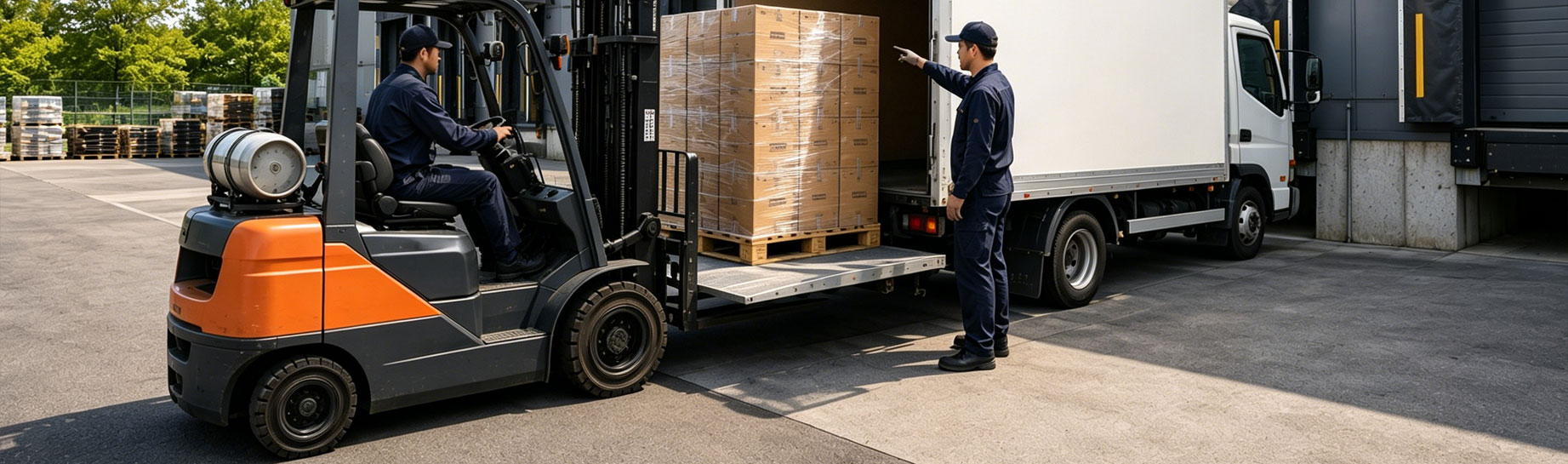
I’ve seen it happen right at the start of a shift. A driver backs in, the operator hits the button, and the lip just sits there. Nothing. The hydraulic dock leveler raised fine — but the lip didn’t follow. That’s when the calls start coming in.
This guide covers the five causes I run into most often. Work through them in order and you’ll find the problem faster than waiting on a service call.
Why Your Hydraulic Dock Leveler Lip Stops Extending
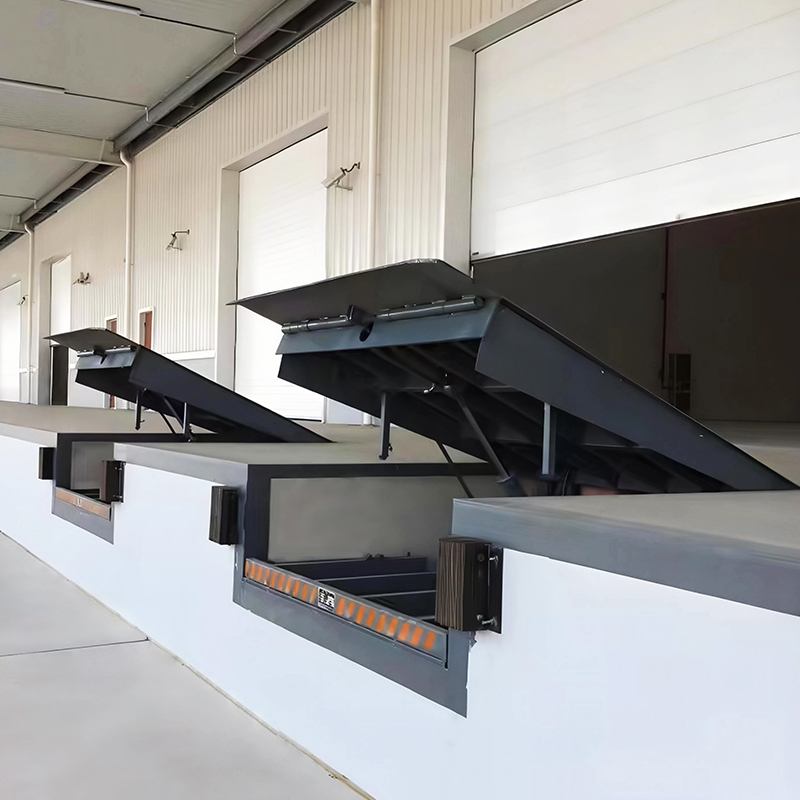
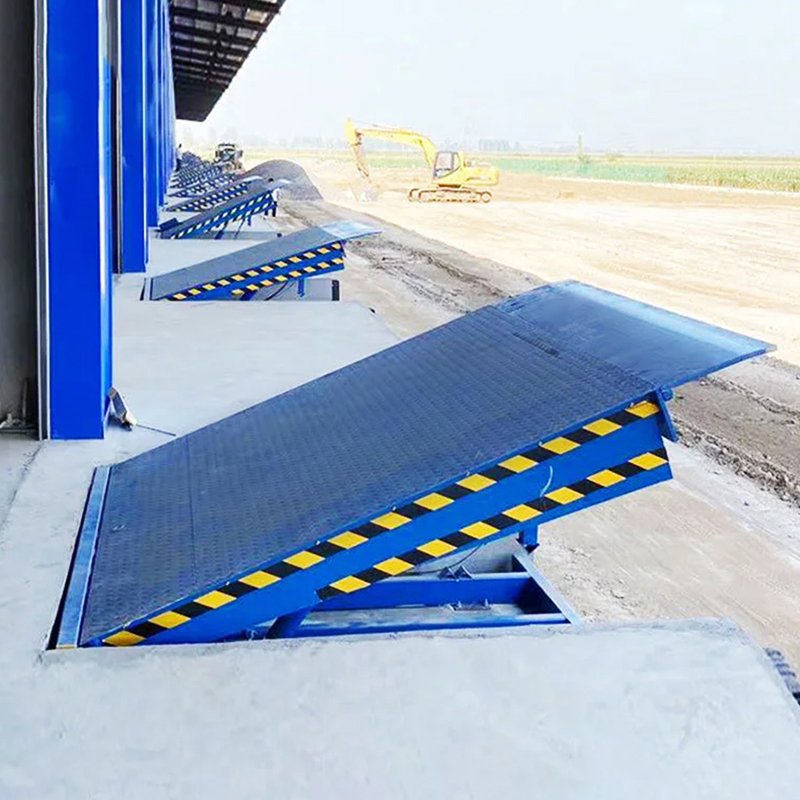
A hydraulic dock leveler bridges the height gap between a loading dock floor and a truck bed. The hinged lip extends outward to span that last bit of distance onto the trailer floor. When the lip circuit fails, the whole unit becomes useless — even if everything else works.
The good news: most dock leveler lip failures come down to a short list of fixable causes.
Cause 1: Low or Contaminated Hydraulic Fluid
Start here. Low fluid is the culprit more often than people expect, especially on units that haven’t had a scheduled service in a while.
Pull the reservoir cap and check the level against the sight glass or dipstick. If it’s low, don’t just top it off and walk away — look for where the fluid went. A slow leak at a hose fitting, cylinder seal, or return line will drain the system gradually. You won’t always see a puddle on the floor; the fluid often collects inside the pit.
Check the fluid condition too. Fresh hydraulic oil runs clear amber. If what you’re seeing is dark brown, cloudy, or has a milky tint, the fluid is spent or water-contaminated. Milky fluid is a warning sign — it usually means moisture has entered the system, which damages pump components and internal seals faster than normal wear.
Top up with the grade your unit specifies — most hydraulic dock levelers run on ISO VG 46 mineral oil. If the fluid is contaminated, drain and flush the system completely, then replace the filter element at the same time.
Cause 2: Worn Seals in the Lip Cylinder
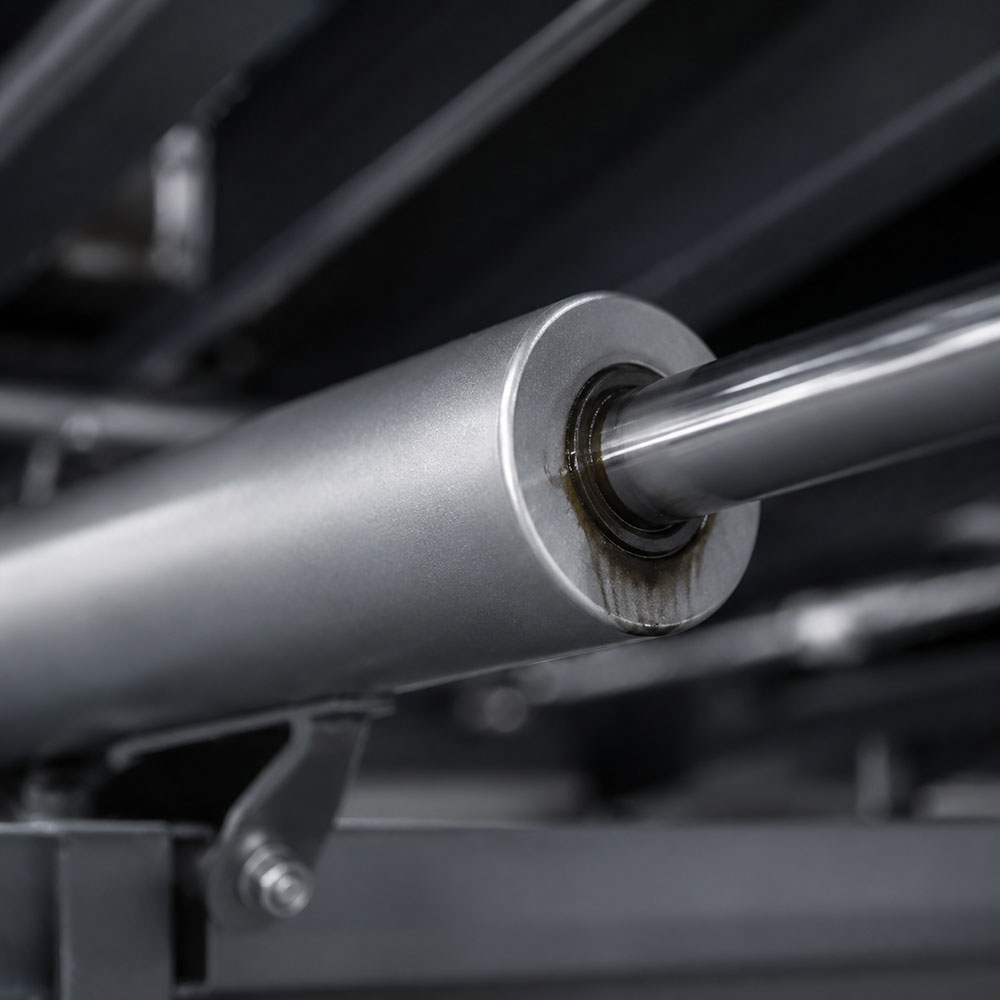
The dock leveler hydraulic cylinder that drives the lip is smaller than the main platform cylinder, but it works under the same pressure demands. Over time, the internal piston seals wear down. When they do, the cylinder can’t hold pressure long enough to push the lip to full extension.
Run the unit through a cycle and watch the lip cylinder rod closely. Any wet film on the rod surface is a seal leak. You might also see the lip extend halfway, then drift back — that’s a classic sign of a cylinder that’s losing pressure internally.
A dock leveler seal kit matched to your unit model will fix this in most cases. Before ordering, check the cylinder bore. If the bore surface is scratched or pitted, new seals won’t hold for long. A scored bore means the cylinder itself needs replacement.
One thing I’ve learned over the years: generic seal kits sourced from hardware suppliers rarely match the durometer and temperature rating of the original seals. For dock equipment that runs cold-storage or heavy-cycle shifts, OEM-matched parts from a reputable dock leveler parts manufacturer make a real difference in how long the repair holds.
Cause 3: Seized Dock Leveler Hinge Lip
The dock leveler hinge lip needs to pivot freely. When corrosion builds up on the hinge pins, or when impact damage from a forklift or badly docked truck bends the hinge bracket, the lip simply can’t rotate — no matter how much hydraulic pressure is behind it.
Before assuming a hydraulic problem, do a quick mechanical check. Lock out the unit first following your facility’s LOTO procedure. OSHA 29 CFR 1910.147 requires full energy control before any inspection of moving parts — this is non-negotiable. Then try to move the lip by hand. It should swing freely with minimal resistance.
If it doesn’t move, here’s what to check:
- Hinge pins: Rust and debris lock them in place. Soak with penetrating oil, let it sit 15 to 20 minutes, then try again.
- Hinge bracket alignment: A truck that hit the lip at an angle can bend the bracket just enough to bind the pin. You’ll see it visually — the lip won’t sit flat when lowered.
- Debris in the hinge gap: Dirt, ice, and compacted debris are common in outdoor docks.
If the hinge pin is fully seized, drive it out and replace it. Running the lip cylinder against a seized hinge will damage the cylinder rod before long.
For more detail on hinge maintenance intervals, see our [dock leveler maintenance guide] [internal link placeholder].
Hydraulic Power Unit Faults and What They Do to Lip Extension
The dock leveler power unit drives everything — the pump, the solenoid valves, the pressure regulation. When it’s not performing correctly, the lip is usually the first function to suffer because the lip cylinder is smaller and needs less pressure to activate. A failing pump may still raise the platform but not generate enough flow to extend the lip fully.
Three things to check on the power unit:
Relief valve setting. If the relief valve is set below the system’s rated operating pressure, it opens early and bleeds off pressure before the lip cylinder completes its stroke. Attach a pressure gauge to the test port and compare the reading against the manufacturer’s specification.
Pump condition. A worn hydraulic pump delivers reduced flow volume. You’ll notice it as slow, sluggish, or incomplete lip movement — especially on cold mornings when the fluid is thicker. If the pump is past its service hours, a rebuild or replacement is the right call, not more troubleshooting.
Solenoid valve. Most hydraulic dock levelers route fluid to the lip through a dedicated solenoid valve. If the coil burns out or the spool sticks, no fluid reaches the lip cylinder regardless of what the pump is doing. Check coil resistance with a multimeter. Most coils read between 10 and 30 ohms when healthy — consult your unit’s wiring diagram for the exact specification. A dead coil reads open circuit.
Cause 5: Electrical Faults in the Control Circuit
Hydraulic dock leveler troubleshooting often skips the electrical side. That’s a mistake. I’ve seen docks go through two rounds of seal replacements before someone finally traced the problem to a corroded terminal on the lip solenoid connector.
Check the following:
- Control button or switch: Test for continuity across the lip extension contacts. A failed switch reads open even when pressed.
- Wiring harness: Trace the wires from the control panel to the lip solenoid. Look for chafing against metal edges, pinch points near hinge areas, and corroded push-on connectors.
- Fault codes: If your unit has a diagnostic display, read the fault log before anything else. Many modern hydraulic dock levelers store error codes that point directly to the failed circuit.
Don’t overlook this step. Electrical causes are cheap and fast to fix when found early.
Dock Leveler Repair: When to Fix In-House vs. Order Parts
Some repairs suit an in-house maintenance team. Others don’t.
Order parts and repair in-house when:
- The cause is confirmed and the part is a standard consumable — seal kit, solenoid coil, filter element, hinge pin
- A qualified technician with hydraulic experience is available on site
- The unit is out of warranty and you want to control costs
Bring in a service provider when:
- The pump or full power unit needs disassembly and internal inspection
- Multiple functions are failing together, which usually points to system contamination
- You need a documented repair record for insurance or compliance purposes
For operations running multiple docks, carrying a buffer stock of dock leveler repair parts — seal kits, solenoid coils, filter elements — cuts mean time to repair significantly. Many procurement managers source these from a dock leveler parts manufacturer in China on FOB terms. Lead times for standard parts typically run 7 to 15 business days, depending on order volume and port schedules.
[Contact Beauway] to request a quote on dock leveler spare parts with confirmed specifications and lead times.
Preventive Maintenance Schedule
| Task | Frequency |
|---|---|
| Hydraulic fluid level check | Monthly |
| Hinge lubrication | Every 3 months |
| Fluid and filter change | Annually or per 100,000 cycles |
| Full hydraulic system inspection | Annually |
| Seal kit inspection | Every 2 years or at first sign of weeping |
Keep a written service log for every unit. It helps identify which docks fail most often, speeds up diagnosis on repeat issues, and supports any warranty or insurance claim.
Frequently Asked Questions
Why does my dock leveler lip extend partway but not lock?
Partial extension usually means the lip cylinder is losing pressure before completing its stroke. Check the relief valve setting on the power unit first, then inspect the lip cylinder seals for wear or leakage. A seized hinge can also stop the lip short of its locking position.
How do I know whether to reseal or replace the lip cylinder?
Inspect the cylinder rod and bore for scoring or pitting. If the surfaces are smooth, a seal kit will restore performance. If the bore or rod is physically damaged, seals won’t hold — replace the cylinder.
Can I use any hydraulic fluid in a dock leveler?
No. Use only the grade listed in your unit’s technical manual — most dock levelers specify ISO VG 46 mineral hydraulic oil. Wrong fluid degrades seals and reduces pump efficiency, and it voids most warranty coverage.
What is the typical lead time for dock leveler parts from China?
Standard parts — seal kits, solenoid coils, filter elements — generally ship within 7 to 15 business days on FOB terms. For urgent dock leveler repair needs, confirm stock availability and discuss airfreight options with your supplier before placing the order.
How often should hydraulic fluid be changed?
Most manufacturers recommend an annual fluid and filter change, or after approximately 100,000 operating cycles, whichever comes first. High-humidity or contaminated environments may require more frequent service.
Summary
When a hydraulic dock leveler lip won’t extend, the problem traces back to one of five areas: fluid level or condition, lip cylinder seals, hinge pivot condition, power unit performance, or the electrical control circuit. Work through them in that order and you’ll find the cause without unnecessary parts spending.
Beauway supplies dock leveler spare parts — seal kits, solenoid components, hydraulic cylinders, and maintenance kits — matched to OEM specifications and available for bulk orders on FOB terms. [View our parts catalog] or [request a quote] with your unit model and required quantities.
Trusted by Fleet Operators Across 60+ Countries
Stop Losing Time at the Loading Dock.
Get a Custom-Matched Tail Lift Quote in 24 Hours.
60
Countries Served
24h
Quote Turnaround
99.9
Field Uptime
5.0
Customer Rating
No Obligation
CE & UKCA Certified
Standard & Custom Builds
Worldwide Shipping