Having trouble submitting? Email us directly at nicole@beauway.com and we'll get back to you within 24 hours.











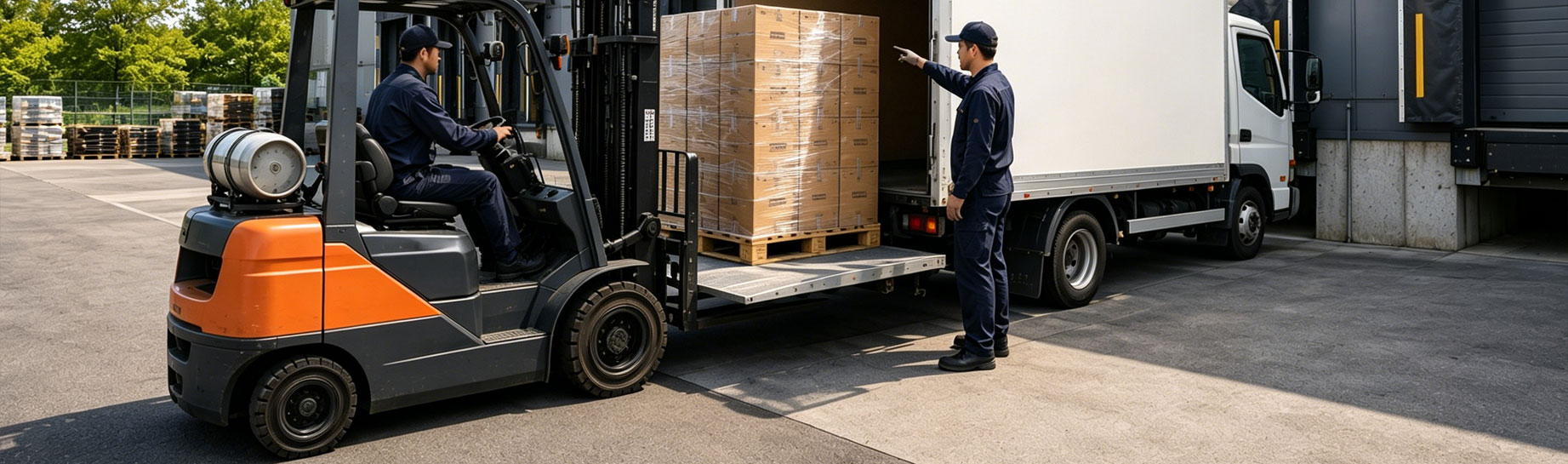
Evaluating a Heavy Capacity Dock Leveler: A Procurement Sizing Guide
Introduction to Industrial Dock Leveler Procurement
When procuring warehouse infrastructure, selecting the right heavy capacity dock leveler requires a careful balance of safety and cost efficiency. When facility planners buy loading bay equipment, getting this choice right is a foundational decision. Many purchasing teams evaluate equipment based solely on basic cargo weights. However, seamless operations demand a deeper look at the actual physical forces acting upon the floor.
An industrial loading dock is only as safe as its weakest transition point. Getting the capacity sizing right from day one eliminates structural failures and protects investments. Navigating the market requires an objective procurement strategy. This guide outlines the sizing criteria necessary to specify the correct equipment without guesswork.
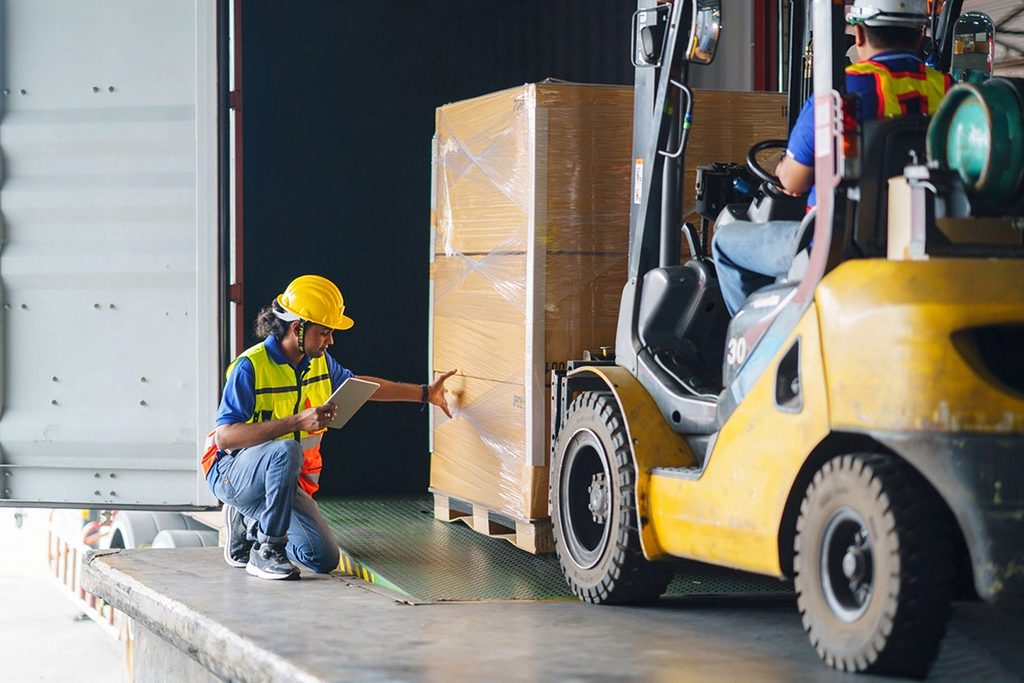
Decoding the Total Rolling Load and Weight Dynamics
One of the most common procurement mistakes is sizing a dock leveler according to cargo weight alone. When a 3-ton pallet moves, the weight pressing down is much higher than the cargo.
Managers must calculate the total rolling load. This metric incorporates several critical components:
- Forklift Service Weight: Forklift weight varies by truck type, battery setup, and counterweight design. An unladen industrial forklift adds substantial dead weight.
- Maximum Payload: The heaviest single pallet or container transported across the platform in a single trip.
- Operator and Attachments: The weight of the driver and front-end attachments like paper roll clamps or multi-pallet handlers.
When a loaded forklift travels from the floor onto a trailer bed, a portion of its weight concentrates on the front axle. When evaluating supplier options, verify how the structural frame handles this combined rolling force.
- Review maximum allowable axle load ratings before finalizing purchase orders.
- Verify if the manufacturer includes attachments and battery weight in rolling load calculations.
- Confirm that deck plate thickness withstands high-frequency, concentrated front-axle loads.
Dynamic Capacity Versus Static Capacity Ratings
Understanding load ratings is essential for technical catalogs. Equipment specifications typically delineate between two categories of capacity:
- Dynamic Capacity (Working Load): For example, a heavy-duty model might feature a dynamic working capacity of 6 tons while the platform is in motion. These models withstand continuous cycles of dynamic stress without permanent deflection.
- Static Capacity: This measures maximum stationary weight—such as 10 tons in certain configurations—that the leveler supports when parked with no movement.
Static capacity alone should not be used to select equipment for active, multi-shift warehouses. It does not represent repeated loading conditions during forklift traffic. While static ratings reflect parking strength, dynamic ratings dictate true operational endurance.
When reviewing hydraulic dock leveler specifications, procurement teams should ask how the stated dynamic capacity was determined. Check what test method or engineering basis supports the rating to guarantee long-term durability.
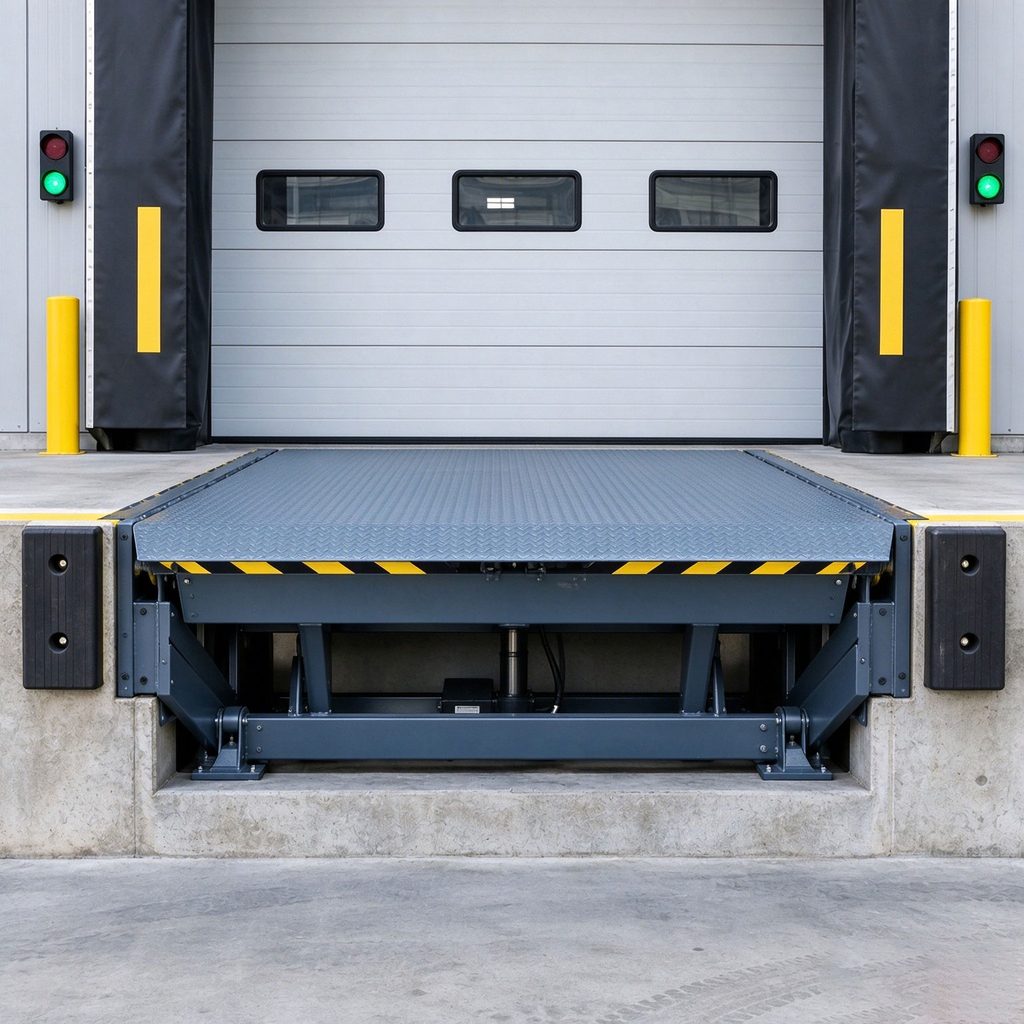
Choosing the Right Heavy Capacity Dock Leveler Sizes
Selecting the correct physical dimensions is as important as choosing the right tonnage rating. A heavy capacity dock leveler is available in a range of platform dimensions to accommodate different layouts and vehicle configurations:
- Platform Widths and Lengths: Common widths include 1,830 mm (6 feet), 1,980 mm (6.5 feet), and 2,130 mm (7 feet). Configurations like 6×8 feet match standard commercial bay openings.
- Vertical Travel Range: An operating range of roughly ±300 mm accommodates variations in trailer bed height during loading cycles.
- Structural Plate Integrity: Heavy-duty variants may incorporate reinforced main bridge decks built with robust steel plates, such as 8 mm configurations, complemented by heavy lip plates, such as 14 mm, to withstand repeated front-axle traffic.
When evaluating dock leveler sizes, facility planners must cross-reference trailer bed height variations with platform lengths. This avoids excessive gradient angles that cause drive tires to lose traction.
- Measure existing concrete pit dimensions meticulously before ordering custom platform widths or lengths.
- Ensure that lip projection matches the deepest rubber dock bumper extensions installed on the facility wall.
- Select longer platform lengths if your facility frequently handles low-clearance pallets or fragile goods.
Evaluating Key Facility Factors and Operational Intensity
Certain operational profiles dictate an upgrade to a higher-capacity classification. Procurement managers must analyze the following site-specific variables:
- High-Frequency Multi-Shift Operations: Facilities running 24/7 subject loading equipment to thousands of cycles weekly. High-capacity structural framing and thick plate designs resist cyclic fatigue.
- Three-Wheel Forklift Traffic: Some electric forklifts create concentrated wheel loads because of their weight distribution, creating localized point-load pressure on deck plates. Heavy-capacity models utilize reinforced subframes to distribute this stress evenly.
- Critical Installation Safety Warning: Equipment chassis feature designated forklift slots at front and rear. Forklift pockets should only be used according to manufacturer handling instructions. Where front and rear pockets have different functional limitations during transport, adhering to safety guidelines prevents structural damage.
When comparing heavy duty dock levelers against standard models, facilities experiencing heavy traffic realize that investing in higher capacity tiers reduces unscheduled downtime and maintenance expenses.
- Identify peak shipping hours to determine if your loading dock experiences surge traffic.
- Assess whether your fleet includes heavier electric trucks with high-density battery packs.
- Inspect the condition of existing concrete pit walls to ensure they support higher-capacity frame loads.
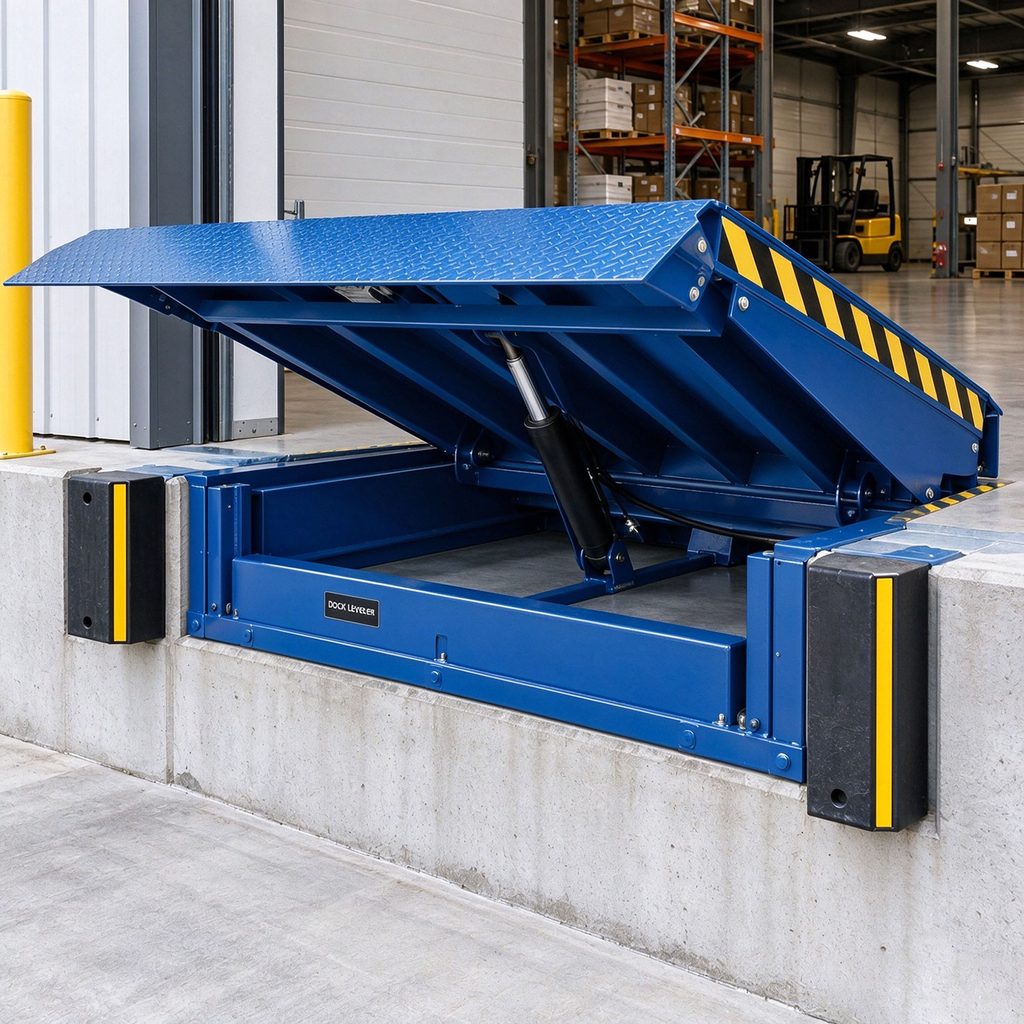
Sourcing and Manufacturer Selection for a Heavy Capacity Dock Leveler
Selecting the right engineering partner from various loading dock equipment manufacturers is the final step in securing a reliable supply chain. Procurement teams should evaluate suppliers based on fabrication quality, replacement parts availability, warranty terms, and engineering support.
When requesting formal quotes, ensure that suppliers provide comprehensive dock leveler specifications detailing steel yield strength, beam count, power unit ratings, and safety lip mechanisms. Reviewing dock leveler capacity rating documentation ensures equipment aligns with facility safety frameworks.
- Request certified engineering load calculations to verify structural performance under eccentric loading conditions.
- Confirm the availability of local technical service networks and stocked replacement cylinders and control boxes.
- Evaluate warranty coverage terms specifically addressing structural deck integrity and hydraulic integrity.
Conclusion and Summary of Procurement Sizing
Procuring a heavy capacity dock leveler requires moving beyond basic cargo weights to evaluate physical forces acting upon the loading bay floor. By calculating the total rolling load, procurement managers prevent structural failure and metal fatigue. Distinguishing between dynamic capacity and static capacity ratings ensures equipment withstands continuous multi-shift operations.
Proper sizing during the procurement stage protects capital investments and safeguards operators across every loading bay. Reviewing dock leveler specifications and partnering with an experienced dock leveler manufacturer improves long-term reliability and ensures equipment is properly specified for the application.
Frequently Asked Questions
What is the most common mistake made when sizing a heavy capacity dock leveler?
A:One of the most common procurement mistakes is sizing a dock leveler according to cargo weight alone, ignoring the combined dead weight of the forklift and its industrial battery or counterweights.
Why is dynamic capacity more important than static capacity for active warehouses?
A:Dynamic capacity measures the working load while the platform is in motion under active traffic, whereas static capacity only reflects stationary weight. Multi-shift operations subject equipment to continuous cyclic stress that requires high dynamic ratings.
How do three-wheel forklifts impact dock leveler capacity requirements?
A:Some three-wheel electric forklifts create concentrated wheel loads because of their specific weight distribution and steering configuration, demanding reinforced heavy-capacity subframe structures and thick deck configurations.
Why must operators consult manufacturer guidelines regarding forklift pockets during equipment handling?
A:Forklift pockets can have distinct engineering limitations and varied functions between front and rear points; utilizing them incorrectly during standard stacking or storage transit can cause permanent structural damage to the unit.
Trusted by Fleet Operators Across 60+ Countries
Stop Losing Time at the Loading Dock.
Get a Custom-Matched Tail Lift Quote in 24 Hours.
60
Countries Served
24h
Quote Turnaround
99.9
Field Uptime
5.0
Customer Rating
No Obligation
CE & UKCA Certified
Standard & Custom Builds
Worldwide Shipping