Having trouble submitting? Email us directly at nicole@beauway.com and we'll get back to you within 24 hours.











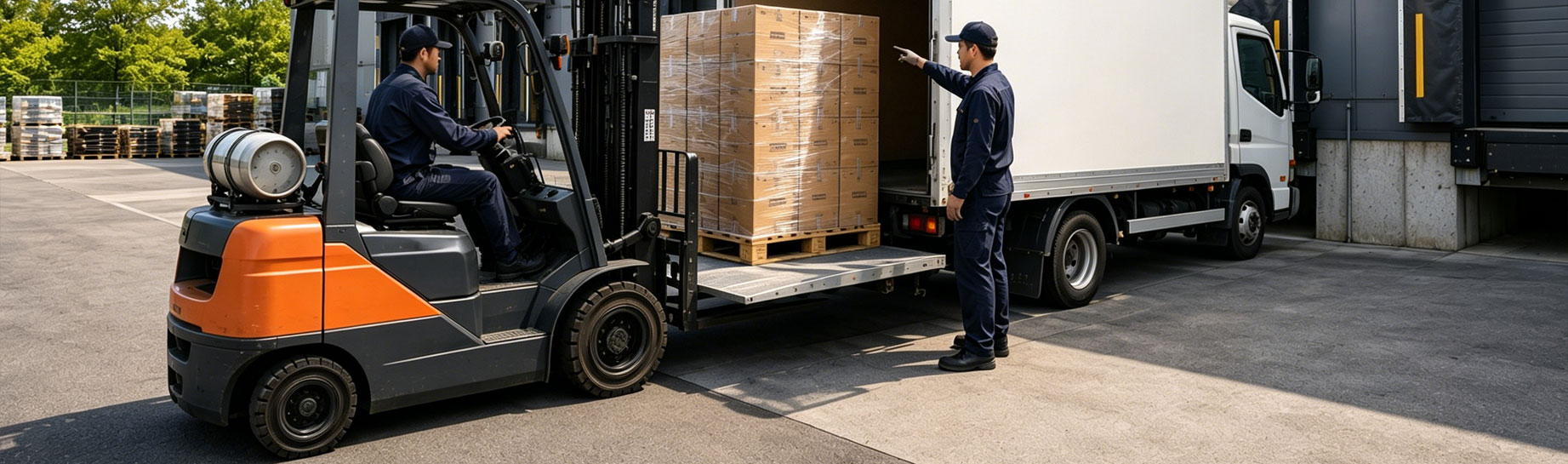
Edge-of-Dock Leveler vs Pit-Mounted Dock Leveler: Which Fits Your Facility?
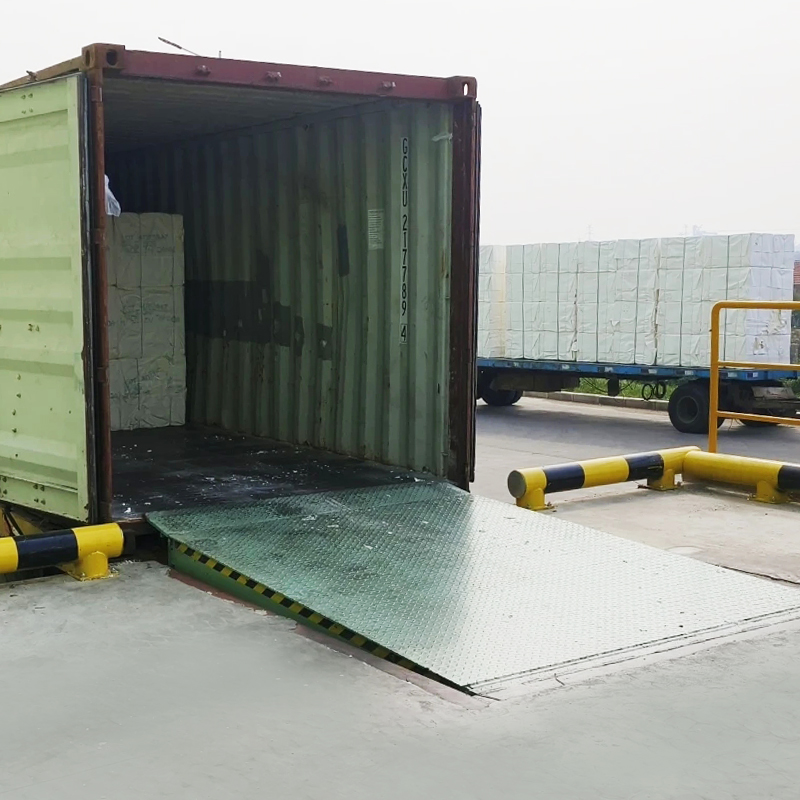
An edge-of-dock leveler is a dock leveling device bolted or welded directly to the face of a loading dock rather than recessed into the floor. It closes the height gap between the dock and a trailer bed without any concrete work. A pit-mounted leveler does the same job from inside a formed recess in the dock floor. Both exist to solve one problem: the gap between a fixed dock and a vehicle bed that never sits at exactly the same height twice. They solve it under very different constraints, though, and picking the wrong one shows up months later, not on day one.
A common situation in the industry is a facility that was built without pit levelers at all — either the original construction budget didn’t allow for it, or the dock doors were added after the building was already standing. Operations then run for years on portable dock plates. Those work fine until forklift traffic picks up and the plates start showing edge fatigue. At that point the question isn’t really “which leveler is better.” It’s “which one matches the traffic pattern and trailer mix this dock actually sees.” That distinction gets lost when the comparison is reduced to a price tag.
It also gets lost when the comparison starts from the equipment catalog instead of the dock itself. A leveler chosen off a spec sheet without checking it against actual trailer traffic tends to reveal the mismatch only after a few months of use. That mismatch might be a working range that’s technically adequate on paper but too tight for the outlier trailers that show up twice a week. Or a load rating that’s fine for pallet jacks but marginal once a heavier forklift starts running the same route. None of that shows up in a side-by-side comparison chart. It shows up in a maintenance log.
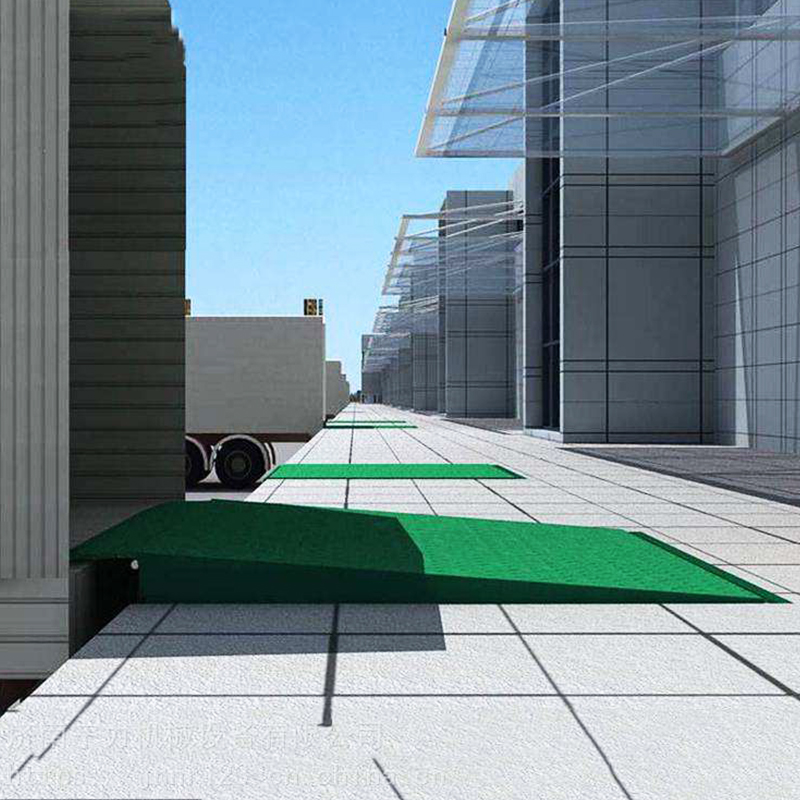
When Edge of Dock Levelers Fit
Edge of dock levelers earn their place when the height difference between dock and trailer stays small and predictable. Most units on the market hold a working range of roughly 5 inches above or below dock height. Some lighter models are narrower still, closer to 2 inches — enough for a fleet with consistent trailer heights but not much else. Push it past that range and the ramp angle gets steep enough that pallet jacks start bottoming out or bouncing hard enough to shift the load.
The typical fit looks like this:
- Trailer bed heights across the fleet vary by only a couple of inches, cycle to cycle
- There’s no existing pit, and pouring one isn’t in the budget or the timeline
- Load capacity needs sit in the 20,000–35,000 lb range, not tractor-trailer-with-loaded-pallets-stacked-two-high territory
- The dock needs to be operational in days, not weeks
Installation is the other half of the appeal. Standard edge of dock levelers mount to an embedded steel channel on the dock face. The weld runs continuously along that channel, and if the channel isn’t already there, a transition plate has to go in first. No excavation, no rebar, no curing time. That’s also why this category shows up so often in retrofits — a building that never had pit infrastructure can add dock leveling capability in a single day rather than shutting a bay down for weeks.
One thing that gets overlooked at the selection stage: hand pallet trucks and this leveler type don’t mix well. Even a small height mismatch between dock and trailer turns into a noticeable bump under a manual cart. If the mismatch is at the upper end of the working range, the cart can bottom out mid-transfer. If a facility runs a lot of manual pallet handling rather than powered equipment, that’s worth weighing before the leveler goes on order, not after.
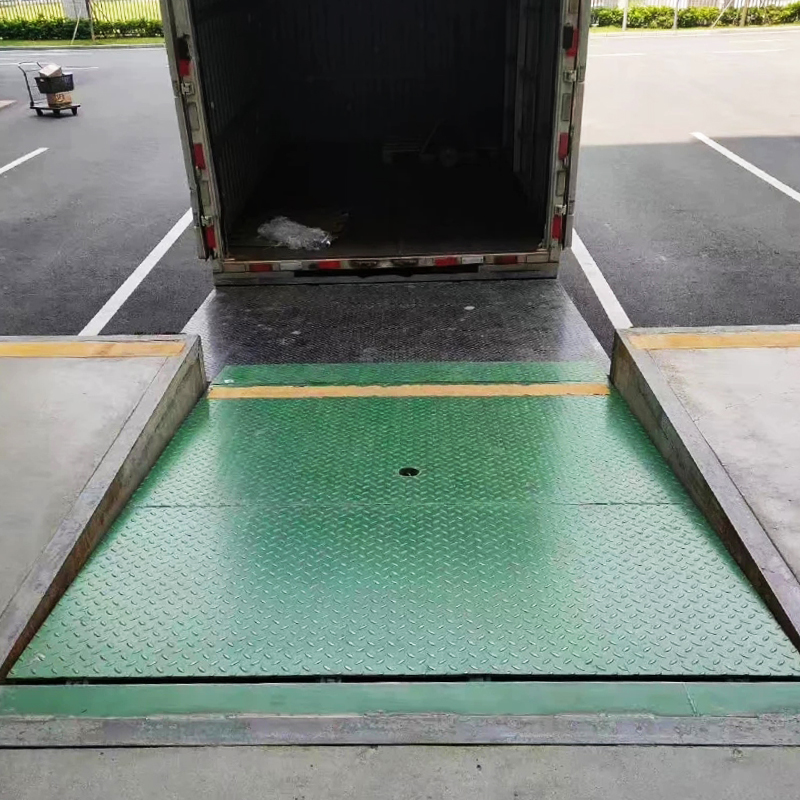
When a Pit-Mounted Dock Leveler Is the Right Call
A pit style dock leveler sits flush with the surrounding floor when idle, with the lifting mechanism — spring, hydraulic cylinder, or motor, depending on the model — housed below deck in the recess. That lower position is what buys the extra working range. Most pit levelers adjust roughly 12 inches above or below dock height, more than double what an edge-mounted unit offers. Load ratings commonly run from the mid-20,000s up into the 60,000–80,000 lb range for heavy-duty models.
This is the category to reach for when:
- Trailer bed heights vary widely across carriers, or the dock serves both dry van and refrigerated trailers with different suspension heights
- Daily truck volume is high enough that a leveler is cycling dozens of times per shift
- Loaded pallet weights or forklift gross vehicle weight push past what a light-duty unit is rated for
- The original construction included pit infrastructure from the start, or a full renovation is already underway
There’s a maintenance reality that doesn’t come up in most sales conversations: the pit itself becomes a collection point. Dust, shrink wrap, and standing water settle into the recess. Standing water in particular accelerates corrosion on the underside of the equipment faster than most facility teams expect. A mechanical pit leveler with a spring-and-hold-down design has fewer moving parts to worry about here than a hydraulic unit, but neither is exempt from a pit that never gets cleaned out. Budgeting for that inspection cycle up front avoids the surprise repair bill two years in.
Edge of Dock Levelers vs Pit Levelers: Working Range and Load Capacity
Every comparison of edge of dock levelers against pit-mounted units eventually comes down to two numbers — how far the ramp can travel, and how much weight it can carry while doing it.
| Factor | Edge-of-Dock Leveler | Pit-Mounted Leveler |
|---|---|---|
| Typical working range | ~5 in. above/below dock (as low as 2 in. on light-duty models) | ~12 in. above/below dock |
| Typical load capacity | Up to roughly 35,000 lb | Roughly 25,000–80,000 lb |
| Pit required | No | Yes |
| Typical install timeline | Hours to one day | Several days to a few weeks, depending on existing pit |
| Manual pallet truck compatible | Not recommended | Generally yes |
The range gap is the part worth sitting with. Five inches sounds small until a facility starts servicing carriers with mixed fleets — a refrigerated trailer with a different suspension setup next to a standard dry van, or an older trailer riding lower than a newer one. An edge of dock leveler rated for a narrow range simply won’t reach on the outlier trailers. Forcing it will either damage the lip or leave a gap large enough to be a tripping hazard.
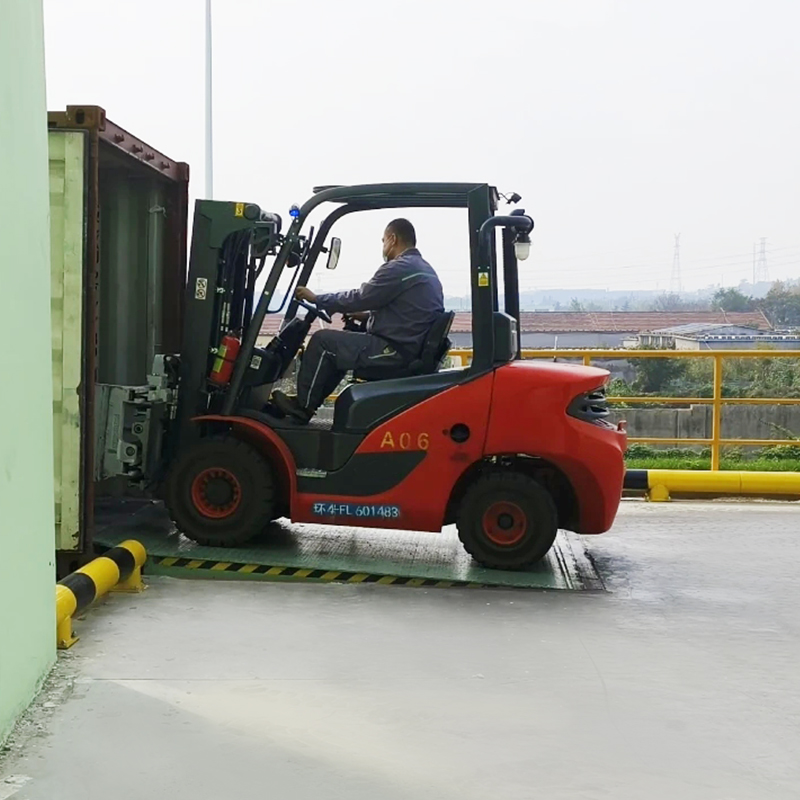
Edge of Dock Levelers Cost and Installation: What Actually Drives the Decision
Sticker price alone is a poor way to compare these two categories, because the number that matters is total cost over the life of the equipment, not the invoice on day one.
A light-duty edge of dock leveler package is genuinely the cheaper starting point — no pit, no concrete, minimal labor. But that advantage narrows fast in a high-cycle environment. If trailers regularly exceed the working range, wear accelerates on the lip and hinge, and replacement parts start showing up on the maintenance schedule sooner than they should. At that point, downtime and repeat service calls eat into that on-paper edge of dock leveler cost advantage.
Pit-mounted units cost more upfront, largely because of the concrete work — forming or pouring a pit, and in many cases running electrical service to a hydraulic power unit. Facilities pay that cost upfront, though. Once the pit exists, a straightforward replacement of the leveler inside it is far less disruptive than the first installation, since the concrete work is already behind them.
The honest framing: edge of dock levelers vs pit levelers cost isn’t “cheap vs expensive,” it’s “low upfront cost with a narrower margin for error” against “higher upfront cost with more room to absorb fleet variability.” Which one is actually cheaper depends entirely on how close to the edge-mounted unit’s limits the dock operates day to day.
There’s also a labor-cost variable that rarely makes it into a written quote: electrical work. A hydraulic pit unit needs power run to the dock. If the existing electrical infrastructure doesn’t already reach that bay, that line item can rival the cost of the leveler itself. Getting a quote for edge of dock leveler parts and installation without confirming what’s already available at the dock position is one of the more common reasons a project runs over budget mid-installation rather than before it starts.
Mechanical vs Hydraulic: A Separate Decision Axis
It’s a common mix-up — treating “edge vs pit” and “mechanical vs hydraulic” as the same choice. They’re not. Both leveler categories come in mechanical and powered versions, and the drive mechanism is really a separate question from where the unit sits.
A mechanical edge of dock leveler uses a spring-assisted handle: pull it up, the lip deploys onto the trailer bed, release it, and it returns to stored position automatically. It’s simple, needs no electrical supply, and has fewer components that can fail — but it does require some physical effort from whoever’s operating it, cycle after cycle.
A hydraulic edge of dock leveler replaces that manual pull with a powered cylinder that a push-button control activates. Operation is smoother and takes less physical effort, which matters on docks running high cycle counts across a shift. It does mean wiring a control box and depending on a pump unit that itself needs periodic fluid and seal checks. Facilities can even retrofit some mechanical edge of dock units with a hydraulic power pack later, giving them room to start light-duty and upgrade the drive system without replacing the whole unit.
The same logic applies on the pit side. A mechanical pit unit trades convenience for simplicity; a hydraulic or air-powered pit unit trades simplicity for smoother, lower-effort operation under heavy or constant use. Mounting style — edge-mounted versus pit-mounted — determines the working range and load capacity, not the drive type.
Where Compliance Fits Into the Decision
Neither leveler type replaces fall protection at an open dock door. OSHA’s walking-working surfaces standard requires guarding at any unprotected edge with a drop of 4 feet or more. A dock leveler alone — of either type — doesn’t satisfy that requirement when no trailer is present. ANSI MH30.1 generally governs design and testing of the leveler itself, setting performance and testing requirements for dock leveling devices regardless of mounting style. It’s worth checking against current specifications and local code before finalizing a purchase — requirements can vary by jurisdiction and by how a facility actually runs it.
Frequently Asked Questions
What’s the difference between a pit leveler and a dock leveler? In practice, pit leveler vs dock leveler usually refers to the same equipment category described two ways. Pit levelers are one type of dock leveler, recessed into the floor, while edge of dock levelers are the surface-mounted alternative within that same broader category.
How much do edge of dock levelers cost compared to pit-mounted levelers? Edge of dock levelers are the lower-cost option upfront since they need no concrete work, while pit-mounted units cost more initially but can offer better long-term value on high-traffic docks with wide trailer height variation.
Can edge of dock levelers be used with forklifts? Yes, most edge of dock levelers handle forklift traffic within their published load capacity. The limitation is working range, not load type, so a forklift-heavy dock with wide height variation may still need the pit-mounted option.
Are mechanical or hydraulic edge of dock levelers better for high-traffic docks? Hydraulic units generally hold up better under frequent, repeated cycling since they reduce manual effort per cycle, though mechanical units remain a reasonable choice where cycle counts are lower or electrical infrastructure isn’t available.
The choice between edge of dock levelers and a pit-mounted unit isn’t really about which one is “better.” It’s about which set of constraints a given dock is actually operating under. Consistent trailer heights, no existing pit, and a tight installation window point toward edge-mounted. Wide trailer variation, high cycle counts, and heavier loads point toward pit-mounted. The working range and load capacity numbers above are a reasonable starting point. A facility should still check the fleet mix and daily traffic pattern at a specific dock against them before ordering, not assume the numbers from a spec sheet alone.
Trusted by Fleet Operators Across 60+ Countries
Stop Losing Time at the Loading Dock.
Get a Custom-Matched Tail Lift Quote in 24 Hours.
60
Countries Served
24h
Quote Turnaround
99.9
Field Uptime
5.0
Customer Rating
No Obligation
CE & UKCA Certified
Standard & Custom Builds
Worldwide Shipping