Having trouble submitting? Email us directly at nicole@beaway.com and we'll get back to you within 24 hours.











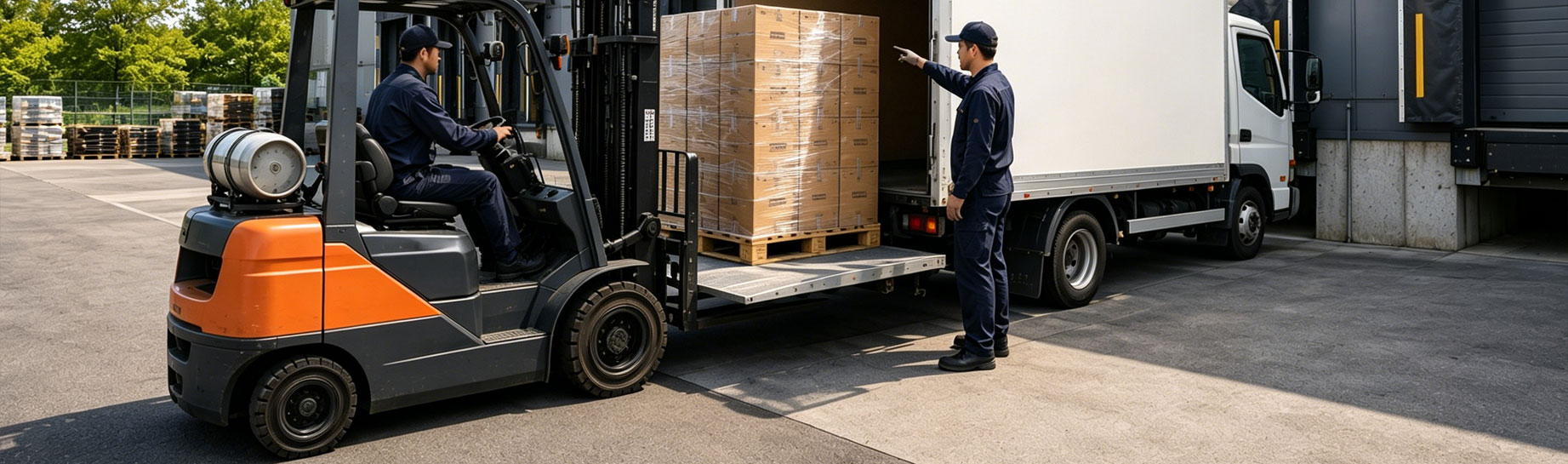
Tail Lift Lead Time & MOQ Guide: What to Expect When Ordering
Tail lift lead time is one of the first practical questions a buyer runs into once a quote is on the table. It determines how a purchase fits into a fleet’s operating schedule. A second question often surprises first-time buyers at the same stage: minimum order quantity, or MOQ. Understanding how these two factors work, and how they interact, helps a buyer set realistic expectations before placing an order.
Buyers in the industry commonly request a quote expecting a delivery window similar to an off-the-shelf product. They often learn that the actual tail lift lead time depends on configuration, current production load, and whether any components require sourcing. Fleet operators managing a phased vehicle rollout run into this especially often. A delay on one order can push back an entire deployment schedule.
Buyers also commonly treat the first quoted number as fixed. They then find it shift once they finalize specifications, quantities, or delivery destination. This mismatch between expectation and production reality is one of the most frequent points of friction in the ordering process. It is largely avoidable once buyers understand the underlying factors.
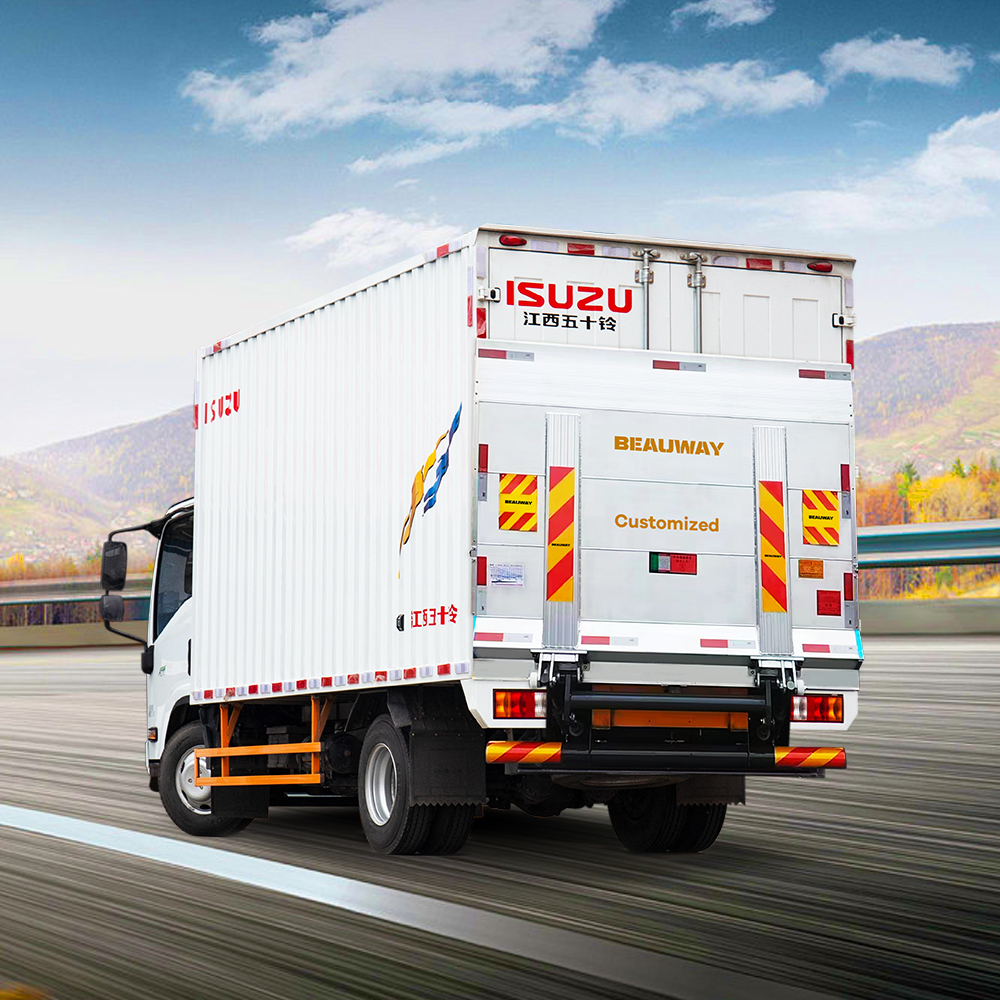
Tail Lift Lead Time and MOQ: What Determines Each One
What Determines Tail Lift Lead Time
A tail lift’s lead time is the total span between order confirmation and delivery. It is rarely a single fixed number. Instead, it is the sum of several distinct stages. Each stage can expand or contract depending on configuration and production load:
The Production Stages
- Order confirmation — the buyer and manufacturer finalize specifications, quantities, and delivery terms, then schedule production.
- Component sourcing — the manufacturer pulls hydraulic cylinders, control modules, and structural parts from stock, or orders them from suppliers.
- Fabrication or assembly — the manufacturer builds the unit to the confirmed specification.
- Quality testing — the manufacturer checks the finished unit against load, safety, and performance criteria.
- Shipping — the unit moves from the manufacturer’s facility to its delivery destination.
Production Capacity and Timing
A standard configuration that uses components already in stock moves through these stages faster than a custom unit. Custom dimensions, a non-standard platform size, or a capacity rating outside the manufacturer’s typical range all add time.
Production capacity at the time of order also plays a role. A manufacturer running near full capacity will naturally quote longer lead times than one with open production slots. This holds true regardless of how simple the configuration is. This is why the lead time quoted for the same model can vary meaningfully between suppliers. It can even vary between two orders the same supplier places a few months apart.
Shipping and Destination
Shipping method and destination add a further variable. Export shipments typically require additional packaging, documentation, and transit time compared with domestic delivery. Manufacturers sometimes quote this portion of the timeline separately from production lead time.
A buyer comparing quotes should confirm whether the quoted number covers production only, or production plus shipping. People often conflate the two in casual conversation. A formal quote should keep them separate.
Component Sourcing
Component sourcing is often the least visible part of the timeline, but it can be the most influential. Hydraulic cylinders, control modules, and structural components may come from different suppliers, each with its own production schedule. A delay in any single component can extend the overall lead time, even when the manufacturer’s own assembly capacity remains unaffected.
This is one reason two orders for what appears to be the same specification can end up on different delivery timelines. The bottleneck is not always inside the manufacturer’s own facility.
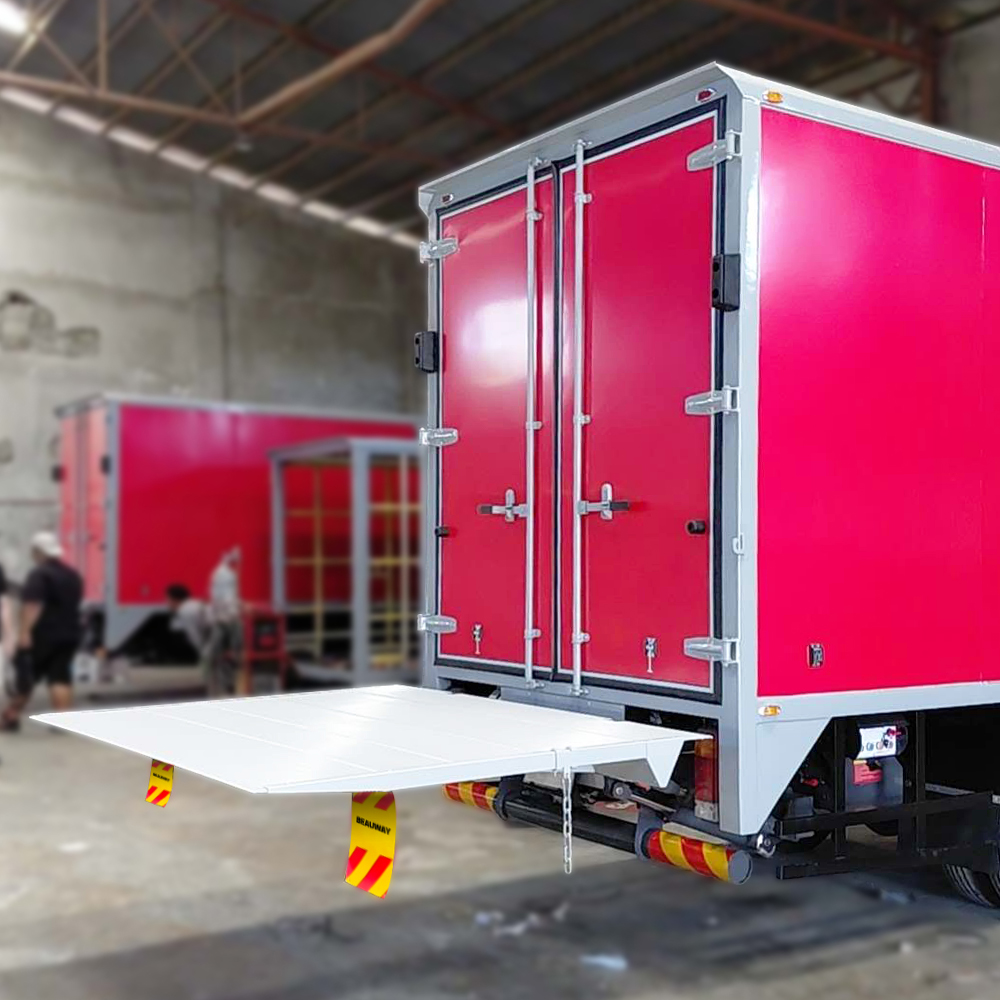
Understanding Minimum Order Quantity (MOQ) for Tail Lifts
Why Manufacturers Set an MOQ
Minimum order quantity (MOQ) is the smallest volume a manufacturer will produce for a given tail lift configuration. Setting an MOQ on components — platforms, cylinders, or control units, for example — is a normal part of industrial production economics. Tooling, material batches, and production scheduling are generally more cost-effective at certain volume thresholds. MOQ reflects where that threshold sits for a given manufacturer or product line.
MOQ is not unique to tail lifts. It is standard practice across most industrial equipment manufacturing, and the underlying logic stays the same regardless of product category. A manufacturer setting up a production run absorbs a fixed cost in tooling, material procurement, and line setup. The manufacturer spreads that cost across the units it produces in that run.
Below a certain volume, the per-unit cost becomes uneconomical for the manufacturer to absorb without adjustment. This is what drives the threshold. Understanding this logic makes MOQ easier to negotiate around. It clarifies that the constraint reflects production economics, not an arbitrary sales policy.
MOQ for Standard vs. Custom Orders
MOQ requirements vary depending on whether an order uses standard components or requires custom fabrication. Standard configurations use parts already tooled and stocked. They typically carry lower MOQ thresholds than fully custom units, since the manufacturer does not commit dedicated tooling or material runs to a single order. A buyer requesting a heavily customized specification should expect a different MOQ conversation. It looks nothing like the conversation for a catalog configuration.
MOQ for Small Fleet Operators
For smaller fleet operators, MOQ can be a genuine constraint rather than a formality. A single-vehicle order may fall below a manufacturer’s standard threshold, which typically leads to one of a few outcomes:
- The manufacturer may apply a small-order surcharge to bring the order to an economical production level.
- The manufacturer may consolidate the order with other pending orders for the same or a similar configuration.
- The manufacturer may refer the buyer to a distributor that stocks standard units in smaller quantities.
None of these outcomes is unusual. Each is worth asking about directly, rather than assuming.
How Lead Time and MOQ Interact in Custom Orders
Lead time and MOQ are not independent variables — they tend to move together, particularly on custom orders.
A configuration that pushes MOQ higher is, in most cases, the same configuration that extends lead time. Both stem from the same underlying cause: work outside the manufacturer’s standard production flow.
Consolidating Bulk Orders
This interaction becomes especially relevant when a fleet operator is placing a bulk order across multiple vehicle types. Consolidating similar specifications into a single order can sometimes bring a custom configuration within reach of a standard MOQ threshold. This, in turn, can improve the quoted lead time.
This is a matter of production planning rather than negotiation. It is worth raising with a manufacturer early, before the buyer finalizes specifications. Changing the order after tooling or sourcing starts is harder to accommodate without further delay.
Seasonal Demand
Seasonal demand is another factor that affects both figures simultaneously. Periods of higher industry-wide demand can extend lead time, even for standard configurations. A manufacturer operating near capacity may also become less flexible on MOQ, since it has already allocated its available production slots.
A buyer working to a fixed deployment deadline should factor this seasonal variability into planning. Quoted figures are not static.
Phased Fleet Rollouts
A phased rollout across a large fleet adds another layer to this interaction. Ordering the full fleet requirement at once, rather than in smaller successive batches, generally improves both figures. It brings the order more easily within standard MOQ thresholds. It also gives the manufacturer a clearer basis for scheduling production capacity in advance.
The trade-off is reduced flexibility to adjust specifications mid-rollout. This is worth weighing against the scheduling benefit before committing to a single large order.
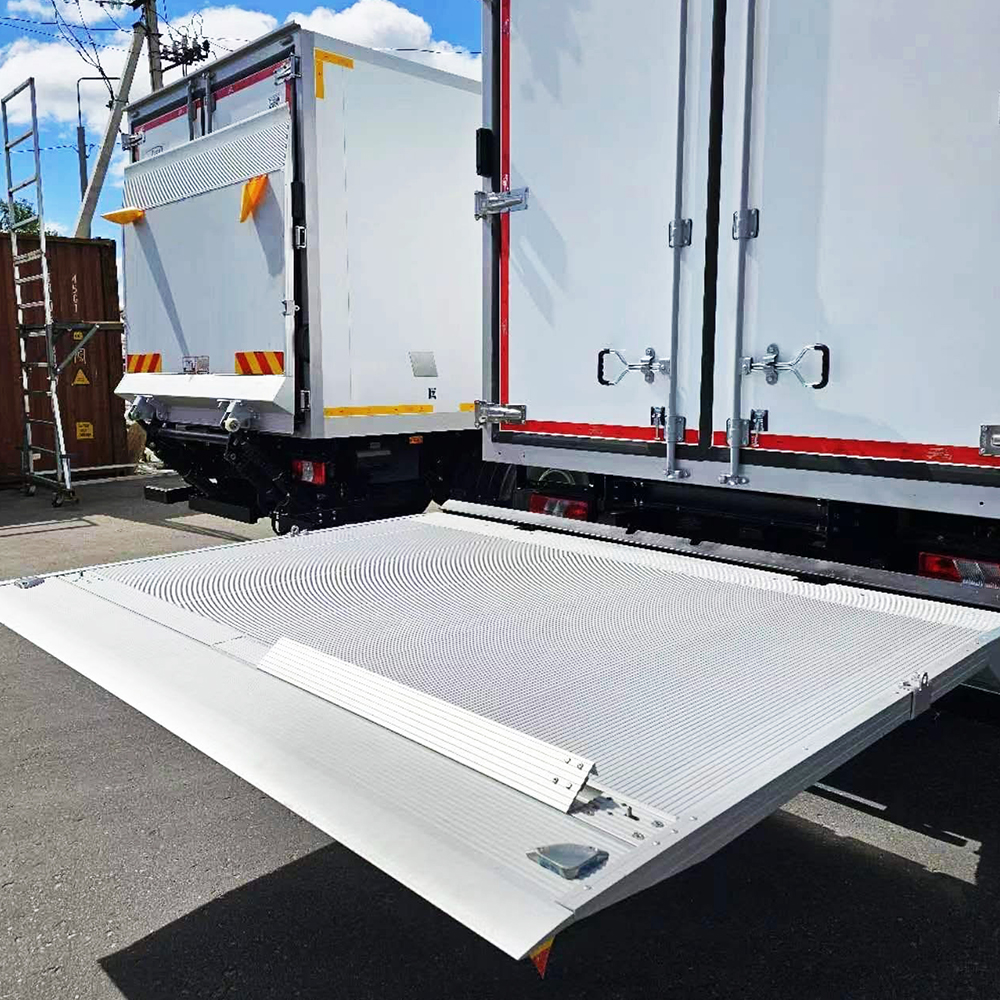
What to Ask a Manufacturer Before Placing an Order
Before confirming an order, it is worth working through a short set of questions with the manufacturer. A single combined figure rarely tells the full story.
- Ask the manufacturer to break the lead time down into its component stages — sourcing, fabrication, testing, and shipping. This makes it possible to identify which stage is driving the total, and whether any part of it is negotiable.
- Confirm whether the quoted MOQ applies to the specific configuration the buyer requested, or to the product line in general. The two are sometimes conflated in early conversations.
- Ask what happens if the order falls below the stated MOQ threshold. Ask, too, whether combining the order with other pending units is an option.
- Ask how the manufacturer handles changes to specifications after the buyer places an order. Mid-production changes are one of the most common causes of unplanned delay. Understanding the change-order process in advance avoids surprises later in the timeline.
A written production schedule, even a high-level one, is generally more useful for planning than a verbal estimate. Requesting confirmation in writing gives a buyer a way to track progress and flag delays early. This should include which stage the order is in at any given point. Otherwise, a buyer may only discover a missed timeline after the delivery date has already passed.
Why Quoted Figures Vary Across the Industry
A buyer collecting quotes from multiple manufacturers will often notice meaningful variation in both lead time and MOQ. This happens even for what appears to be a comparable specification. This variation is normal. It reflects differences in each manufacturer’s scale, current order book, and sourcing arrangements. It does not mean one figure is inaccurate and another correct.
Manufacturer Scale and Backlog
Smaller manufacturers with limited production lines sometimes offer shorter lead times on standard configurations. They simply carry less order backlog. Larger manufacturers may offer more competitive MOQ terms on custom work, because their scale allows more flexible tooling arrangements. Neither structure is inherently better; the right fit depends on the specific configuration and order volume a buyer is working with.
Regional Sourcing
Regional sourcing also plays a role. A manufacturer that sources components domestically may quote more consistent lead times, since fewer stages depend on international shipping schedules. One that relies on imported components may offer better pricing, at the cost of more variable delivery timing. This trade-off is worth discussing directly with a manufacturer, rather than assuming it from the quote alone. Manufacturers do not always disclose sourcing structures upfront.
Summary
The same underlying factors shape tail lift lead time and MOQ. These include how far a configuration departs from standard production, and how much capacity a manufacturer has available. They also include how a manufacturer structures sourcing and shipping for a given order. There is no single industry-standard number for either figure. A buyer gains more by asking a manufacturer to explain the reasoning behind a quoted timeline than by comparing headline numbers alone.
The most useful judgment standard a buyer can apply is not the headline number on a quote. It is whether the manufacturer can explain, stage by stage, how it reached that number. It also matters whether the explanation still holds up against production capacity, sourcing arrangements, and current order volume. A quote the manufacturer cannot break down this way is harder to plan around, regardless of how competitive it looks on paper. Reviewing a manufacturer’s own production process and current capacity remains the most reliable way to set an accurate delivery expectation. Confirming these details directly before placing an order helps too.
Related reading: see the [tail lift capacity plate and SWL decal guide] for how to verify specifications on delivery, and the [tail lift warranty guide] for what to check once an order is confirmed.
Suggested image alt text: “Tail lift production stages showing sourcing, fabrication, testing, and shipping timeline.”
FAQ
Q:What Is a Typical Tail Lift Lead Time?
A: Lead time varies by configuration and manufacturer capacity. There is no single standard figure that applies across the industry. Standard configurations that use stocked components generally move through production faster than custom builds that require dedicated sourcing or tooling. A buyer should request a stage-by-stage breakdown covering sourcing, fabrication, testing, and shipping. This works better for planning than relying on a single quoted number.
Q:What Does MOQ Mean When Ordering a Tail Lift?
A: MOQ, or minimum order quantity, is the smallest volume a manufacturer will produce for a given configuration. It reflects production economics such as tooling costs and material batching. It typically differs between standard and custom configurations. A buyer should confirm whether a quoted MOQ applies to the specific configuration the buyer requested, or to the manufacturer’s product line as a whole.
Q:Can a Manufacturer Reduce Tail Lift Lead Time for Urgent Orders?
A: In some cases, yes, if the configuration is standard and the manufacturer has open production capacity at the time of order. Custom specifications are harder to expedite, because sourcing and tooling stages are less flexible and often depend on outside suppliers. A buyer should confirm directly with the manufacturer, at the quoting stage, whether expediting is possible and at what cost.
Q:Why Do Custom Tail Lift Orders Take Longer Than Standard Ones?
A: Custom orders often require sourcing non-standard components, or dedicating tooling to a single specification. This adds stages to production that standard configurations skip entirely. Component sourcing in particular can extend the timeline unpredictably. This is also frequently the same underlying reason that custom orders carry a higher MOQ threshold than catalog configurations.
Q:How Does MOQ Affect Small Fleet Buyers Ordering a Single Tail Lift?
A: A single-unit order can fall below a manufacturer’s standard MOQ threshold. This usually results in one of a few outcomes. These include a small-order surcharge, consolidation with other pending orders, or a referral to a distributor carrying smaller stock quantities. This is a common and manageable situation for small fleet buyers, provided the buyer raises it early.
Trusted by Fleet Operators Across 60+ Countries
Stop Losing Time at the Loading Dock.
Get a Custom-Matched Tail Lift Quote in 24 Hours.
60
Countries Served
24h
Quote Turnaround
99.9
Field Uptime
5.0
Customer Rating
No Obligation
CE & UKCA Certified
Standard & Custom Builds
Worldwide Shipping