Having trouble submitting? Email us directly at nicole@beauway.com and we'll get back to you within 24 hours.











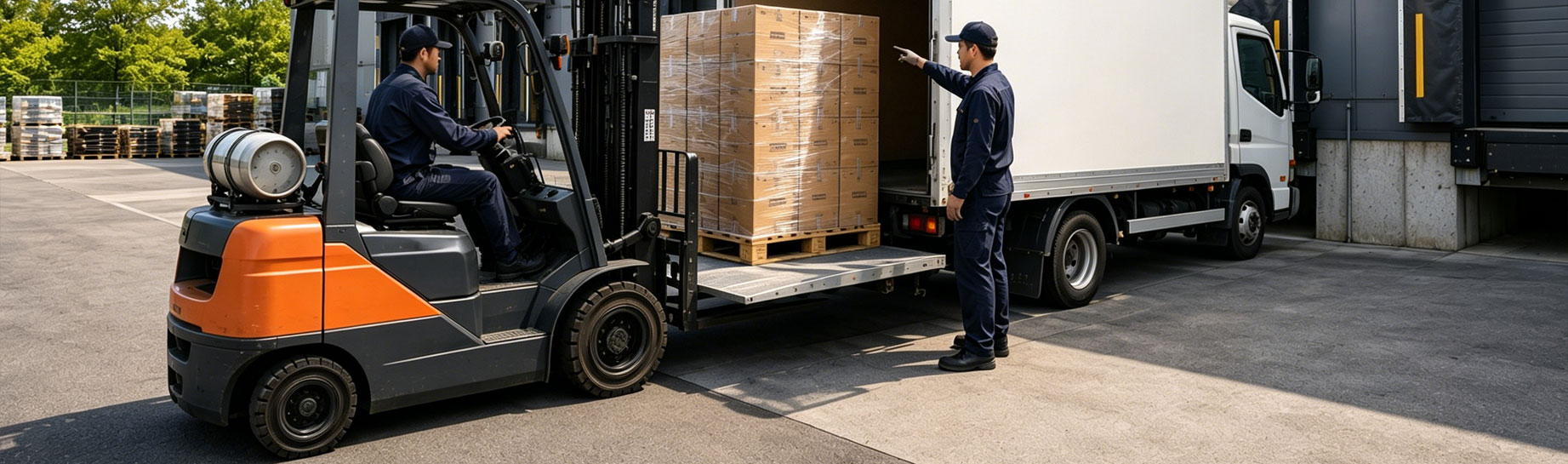
Dock Leveler Won’t Lock? 7 Common Faults & Fixes
Dock Leveler Won’t Lock or Won’t Lower? 7 Common Faults & Fixes
A dock leveler won’t lock or won’t lower is one of the most frequent equipment failures fleet operators report at busy loading docks. These faults slow down operations and raise real safety concerns for forklift drivers. This guide walks through seven common failure patterns across hydraulic, lock, electrical, and structural systems, with practical checks for each.
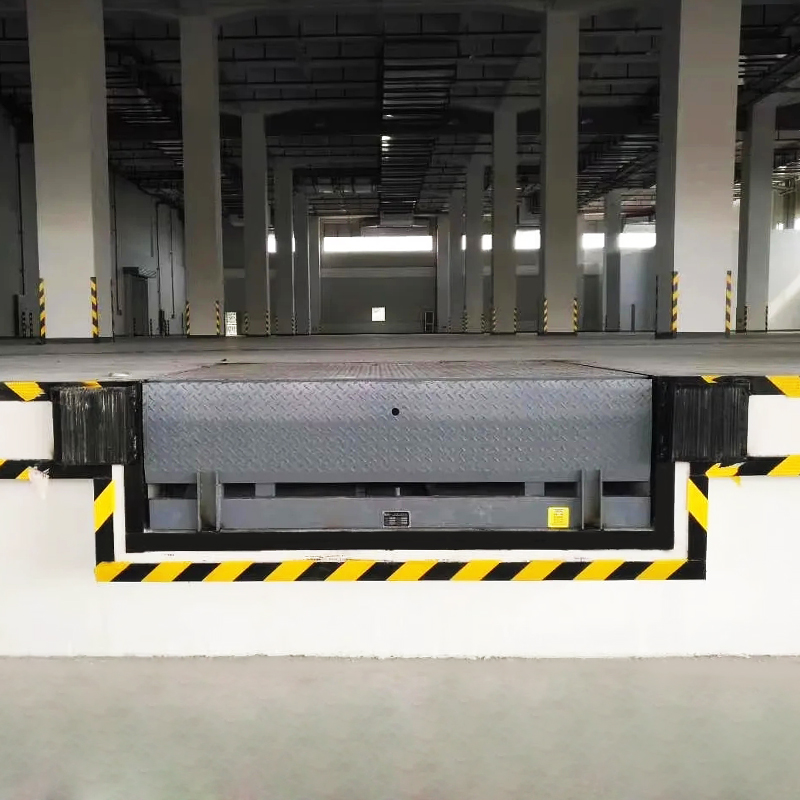
A Typical Scenario: Dock Leveler Stuck Mid-Cycle
Fleet operators commonly report a scenario where a dock leveler becomes stuck partway through its lowering cycle. The operator notices dock leveler jerky movement as the deck descends, and sometimes hears dock leveler noisy operation coming from the hinge area. In many cases, the unit also shows signs of dock leveler slow to lower, taking noticeably longer than usual to reach the trailer bed.
These symptoms rarely appear overnight. A leveler usually gives early warning signs before it fails completely. Deck hesitation, a faint grinding noise, or a slight drift after locking are all early indicators. When staff catch these signs early and pause operations for inspection, they usually avoid a full breakdown. When the unit keeps running under load, seals and lock components wear faster, and a minor issue can turn into a dock leveler stuck situation that takes the dock out of service entirely.
Dock Leveler Troubleshooting: Hydraulic System Faults
A dock leveler hydraulic fault is one of the leading causes behind slow or unresponsive deck movement. Low fluid levels, degraded seals, or a weakening pump can all produce similar symptoms, so a structured check helps narrow down the cause.
- Check the reservoir fluid level against the minimum marking
- Look around the cylinder for signs of dock leveler leaking oil
- Listen for unusual pump noise during startup
- Time the lowering cycle against the manufacturer’s rated speed
If fluid levels look normal but the deck still lowers slowly, the cause is often a dock leveler pump not working at full output rather than a leak. In more advanced cases, worn internal components point to dock leveler cylinder failure, which typically requires a full cylinder rebuild or replacement rather than a simple top-up. A well-built hydraulic dock leveler with quality seals generally needs less frequent cylinder work over its service life.
Dock Leveler Repair Guide: Lock Mechanism Faults
When a dock leveler won’t stay locked under load, the hold-down assembly, safety legs, or return spring are the first places to check. A dock leveler mechanical lock fault often shows up as slight deck sink after the unit has locked into position.
Technicians reviewing this type of fault typically look for:
- Visible play in the hold-down assembly after locking
- A dock leveler safety chain fault on units that use chain-style restraints
- Slow or absent response from the return spring assembly
- Wear or slipping in the pawl, which technicians often call a dock leveler ratchet fault
Manufacturers generally recommend inspecting these components on a fixed schedule rather than waiting for a complete failure. Staff should pull a leveler with a loose or unreliable lock from service immediately, since a forklift crossing an unlocked deck creates a serious drop hazard.
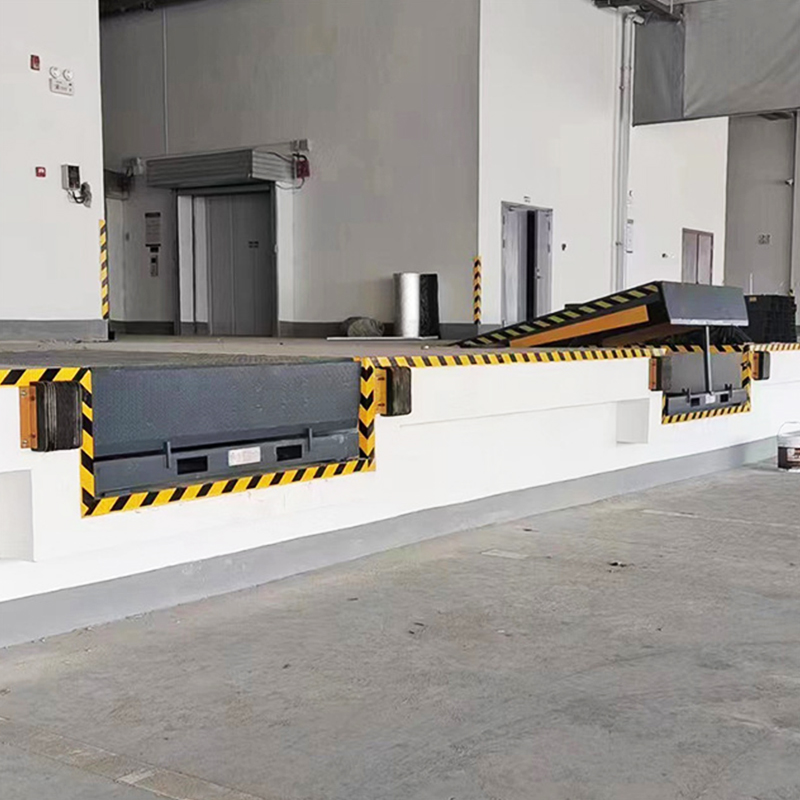
Dock Leveler Electrical Fault Diagnosis
A dock leveler electrical fault can look a lot like a mechanical problem at first glance, since both can leave the deck unresponsive. The difference usually comes down to whether the unit has power at all.
Common checks include:
- Confirming the unit isn’t experiencing dock leveler no power at the breaker or fuse
- Inspecting the dock leveler control panel fault indicators, if the model has them
- Testing for a dock leveler switch not responding to button presses
- Using a multimeter to trace continuity through the control wiring
This kind of diagnosis generally calls for a qualified electrician. Opening the control box without the right training risks further damage or electric shock, so it isn’t a task for general maintenance staff.
Dock Leveler Mechanical Structure Faults
Structural wear shows up differently from hydraulic or electrical faults, and it often affects the lip and deck rather than the drive system. A dock leveler deck plate stuck condition, for example, usually points to corrosion or debris buildup rather than a hydraulic issue.
Other structural faults to watch for include:
- A dock leveler hinge lip fault causing uneven lip movement
- A dock leveler lip won’t extend fully across the trailer gap
- A dock leveler safety lip stuck in the raised position
- A dock leveler ramp misalignment between the deck and trailer bed
The deck plate is a load-bearing structural component. Visible cracking or heavy corrosion calls for a structural safety review before technicians attempt any lubrication or cosmetic repair. Running a damaged deck under repeated forklift loads can lead to localized structural failure over time.
Fault Diagnosis Table
| Symptom | Likely Cause | Recommended Action |
|---|---|---|
| Won’t lower / moves slowly | Low hydraulic fluid, blocked line | Check fluid level, clear or replace line |
| Won’t stay locked | Worn hold-down assembly, weak spring | Inspect and replace lock components |
| Lip won’t extend | Corroded hinge, seized cylinder | Lubricate hinge, service cylinder |
| No response from control panel | Power loss, damaged switch | Test circuit, replace switch |
| Jerky or noisy movement | Worn seals, lack of lubrication | Replace seals, apply scheduled lubrication |
| Auto-return not working | Faulty return spring or hydraulic circuit | Adjust or replace return assembly |
| Overload protection triggers often | Load exceeds rated capacity | Verify rated capacity against nameplate |
This table works as a starting reference for daily inspections. However, a dock leveler error diagnosis should also draw on the equipment’s rated nameplate data and an on-site inspection, not symptoms alone. A persistent dock leveler seal leak or repeated dock leveler overload fault warning both warrant a technician visit rather than repeated resets.
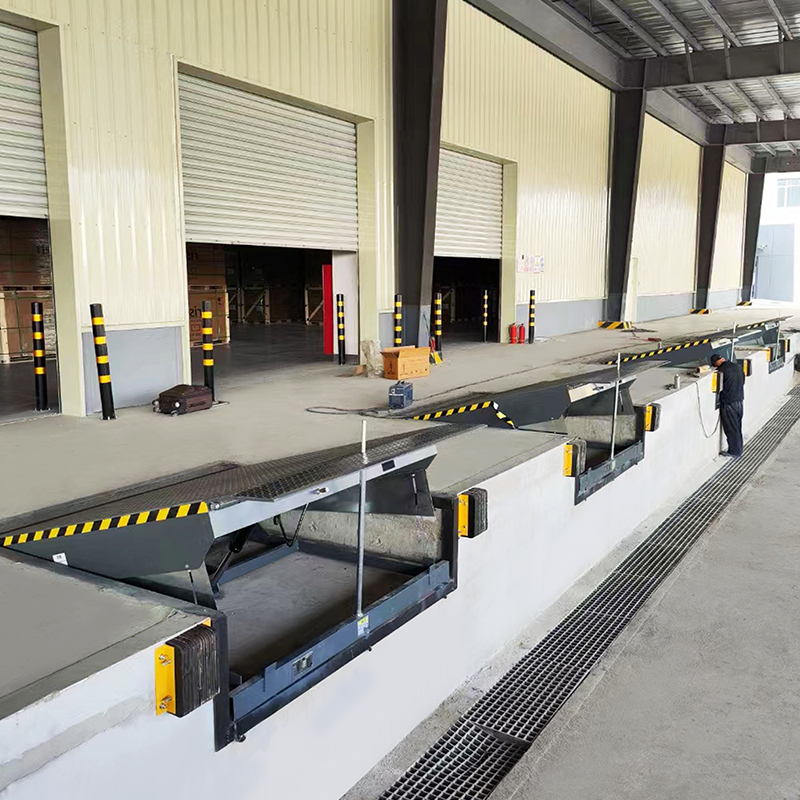
Standards, Certification, and Rated Capacity
Region-specific standards govern dock leveler safety performance. In the European Union, EN 1398 sets safety requirements for the design, construction, installation, maintenance, and testing of dock levelers. In North America, ANSI MH30.1 is the current performance and testing standard for dock leveling devices; it replaced the older MH14.1 standard, which regulators withdrew in 1989. Facilities citing an outdated standard risk a dock leveler ANSI safety failure during an audit, so confirming the current edition matters.
Rated capacity typically falls within a moderate-to-heavy range depending on the leveler’s size and intended use, and manufacturers always print the exact figure on the equipment nameplate. For a broader dock leveler repair guide approach, technical advisors often recommend confirming the unit’s rated capacity and structure against the original equipment specification before ordering replacement parts. A fixed pit-mounted dock leveler built for the correct rated load reduces the risk of repeated overload faults down the line.
Frequently Asked Questions
How often should a dock leveler be inspected?
Quarterly inspections are typical, though high-frequency docks may need shorter intervals based on the manufacturer’s schedule.
Can I keep using a dock leveler that won’t lock?
No. An unreliable lock is a fall and drop hazard, so staff should take the unit out of service until a technician repairs it.
What does a dock leveler emergency repair usually involve?
A dock leveler emergency repair typically starts with isolating the fault to hydraulic, electrical, or mechanical systems before staff order parts.
Should I search for a dock leveler technician near me or handle repairs in-house?
In-house staff can often handle simple seal or switch replacements, but structural or hydraulic rebuilds usually call for a certified technician.
What maintenance is needed after a fault is fixed?
Dock leveler maintenance after fault repair should include a full-cycle test under load before the dock returns to normal use, as part of any dock leveler downtime fix.
Working through hydraulic, lock, electrical, and structural checks in sequence helps narrow down the real cause instead of guessing. A worn dock leveler spring failure component, for instance, can mimic a hydraulic problem until a technician tests it directly. A structured, system-by-system review remains the most reliable way to get a dock leveler back into safe, consistent operation.
Trusted by Fleet Operators Across 60+ Countries
Stop Losing Time at the Loading Dock.
Get a Custom-Matched Tail Lift Quote in 24 Hours.
60
Countries Served
24h
Quote Turnaround
99.9
Field Uptime
5.0
Customer Rating
No Obligation
CE & UKCA Certified
Standard & Custom Builds
Worldwide Shipping