Having trouble submitting? Email us directly at nicole@beauway.com and we'll get back to you within 24 hours.











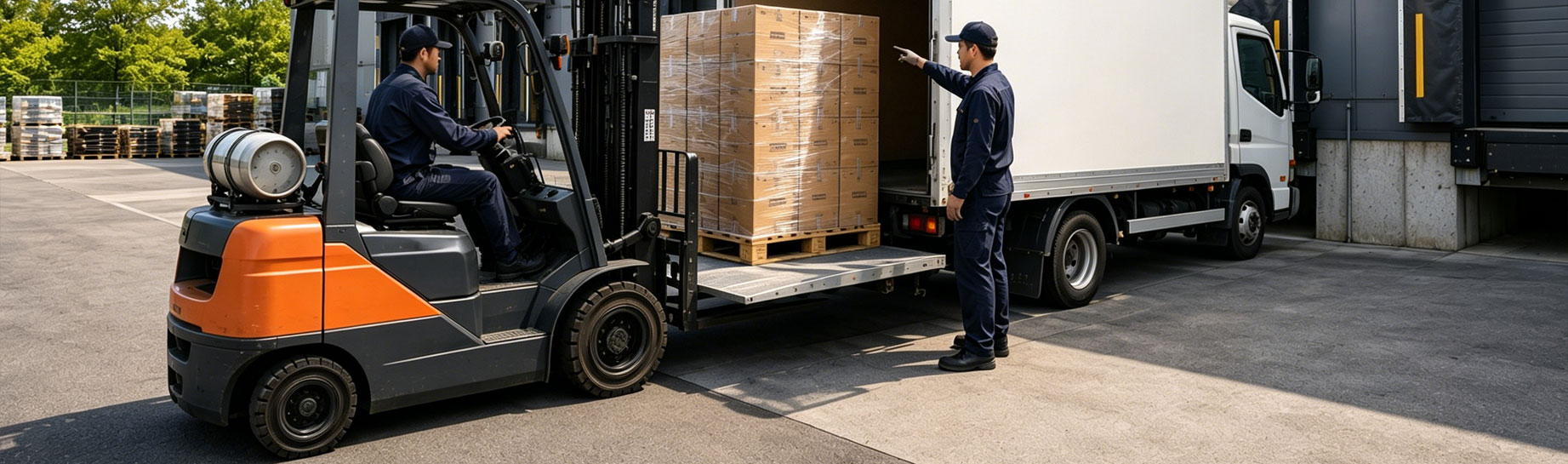
Dock Leveler Systems: Installation, Maintenance, Cost Guide for Warehouses
Dock Leveler Systems in Real Warehouse Operation: Engineering Notes from Field Work
I’ve worked around dock systems long enough to notice a pattern: most problems don’t come from the equipment itself. They come from how people assume the system behaves versus how it actually behaves under load.
In facilities across Europe and Asia, dock levellers are usually treated as fixed infrastructure. But in reality they behave more like a moving mechanical interface that slowly changes over time. Wear, alignment drift, operator habits… all of these matter more than the spec sheet.
Someone once asked me during a retrofit job in Rotterdam: “Is a dock plate basically the same thing?” That question usually tells you where the misunderstanding starts.
Dock Structure Reality (Not the Manual Version)
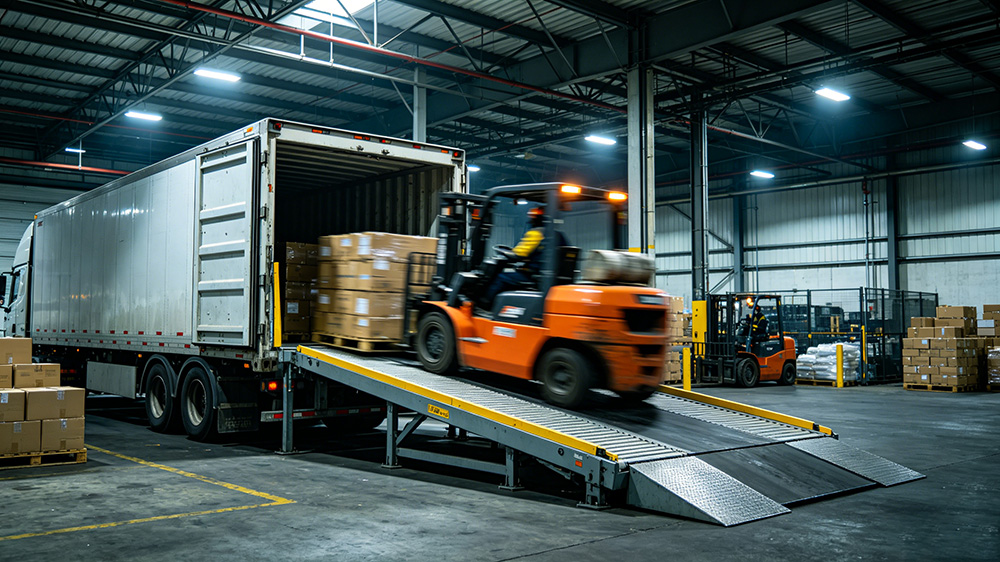
A recessed dock leveler is supposed to sit cleanly inside a prepared pit. In drawings, everything looks precise. In the field, it rarely is.
Concrete shrinkage, anchor misalignment, edge chipping—these small things accumulate. I’ve seen a 4–6 mm deviation completely change how the lip engages with truck beds over time.
A manual dock leveler looks simple enough, but that simplicity shifts the burden to operators. Some push it slightly off-center, some don’t fully reset it. After a few months, you start seeing uneven wear on one side of the hinge assembly. Not dramatic at first, but it builds up.
So in practice, dock levellers are less about design elegance and more about how forgiving the system is under imperfect use.
Installation Work in Live Warehouses
Most documentation on dock leveler installation assumes a clean construction environment. That’s not how it usually happens.
In a warehouse retrofit I worked on near Hamburg, we had to install during a narrow night window while outbound trucks were still queuing outside. That kind of constraint changes everything.
Typical steps still apply, but not in a perfect sequence:
- Check pit dimensions (and re-check them because drawings are often outdated)
- Inspect steel anchoring points—sometimes covered in paint or corrosion
- Position the frame, adjust, then adjust again
- Connect hydraulics under time pressure
- Test without load, then immediately test under partial load
- Fix alignment issues that only appear after the first cycle
What manuals don’t say is that small deviations in the pit usually show up only after the first real forklift impact. That’s when adjustments start.
Manual vs Recessed Systems in Real Use
A manual dock leveler is fine until volume increases. I’ve seen sites where it worked for years, then suddenly became a bottleneck after throughput doubled. Nothing changed technically—traffic just increased.
A recessed dock leveler behaves differently. It becomes part of the dock itself, and that stability is what makes it suitable for high-cycle logistics.
But even then, dock levellers don’t stay stable forever. Steel fatigue is slow, but it’s always there.
Air Systems (Where Expectations vs Reality Diverge)
Air-based systems like air dock levelers and air bag dock leveler units are often chosen for cleanliness reasons. That makes sense on paper.
In a cold storage facility in the Netherlands, I saw one system struggle every winter morning. Not failure exactly—just slower response, slightly uneven lift, nothing dramatic but enough to affect workflow timing.
The problem wasn’t mechanical design. It was dependency. Air systems rely on stable supply conditions that warehouses don’t always maintain consistently.
Dock Plate Confusion (A Small Issue That Becomes Big Later)
The dock board vs dock plate misunderstanding shows up more often than you’d expect.
When people ask what is a dock plate, they usually think it’s a lightweight version of everything. That’s where misuse starts.
A dock plate is fine for occasional movement. But once forklifts start repeating cycles across it all day, edge fatigue appears. Slowly at first, then suddenly visible.
I’ve seen this happen in a regional depot where replacement happened three times in under a year simply because the wrong type was chosen initially.
Case: Kühne + Nagel Facility, Rotterdam (2025)
This case is from early 2025 at a Kühne + Nagel cold chain site in Rotterdam.
They were running multiple hydraulic dock levellers under constant frozen goods dispatch cycles.
What operators reported was not a total failure. It was more subtle:
- Platforms returning slightly off position
- Slower lift during peak morning hours
- Occasional hesitation under low temperature load
At first, everyone blamed hydraulic oil viscosity. That was reasonable.
But after inspection, the real issue was mechanical wear combined with inconsistent dock leveler maintenance history. Some units had proper lubrication cycles, others didn’t. That inconsistency created uneven degradation across identical units.
Fixing it wasn’t complicated:
- Replaced hinge assemblies on affected units
- Flushed hydraulic systems
- Standardized maintenance intervals
- Recalibrated load response behavior
After that, performance improved noticeably. Not perfect, but stable again. Downtime dropped enough that operators stopped complaining—which is usually the real success metric in the field.
Maintenance Reality (What Actually Keeps Systems Alive)
If there is one thing that gets ignored too often, it’s dock leveler maintenance.
Not because people don’t care, but because the system keeps working… until it doesn’t.
Wear doesn’t show up suddenly. It shows up as slower response, small misalignment, slight hydraulic delay. Easy to ignore.
Typical checks include:
- Hinge wear and lubrication
- Hydraulic sealing condition
- Lip movement timing
- Surface wear patterns
Even a manual dock leveler needs periodic attention, otherwise it slowly becomes harder to operate without anyone noticing immediately.
Cost Reality (What Procurement Often Misses)
When people talk about dock leveler cost, they usually focus on purchase price.
But in real operations, that’s not where most money goes.
In practice:
- Initial purchase is predictable
- Maintenance is manageable
- Downtime is the unpredictable part
And downtime is what drives real cost in busy warehouses.
That’s why dock levellers should be treated more like productivity infrastructure, not equipment purchases.
Selection Reality (No Perfect System)
There is no universally best system.
A recessed dock leveler works well in high-volume structured warehouses.
A manual dock leveler works in low-frequency environments.
Air dock levelers work where infrastructure is stable enough to support them.
But once conditions shift, performance shifts with them.
That’s usually where problems start—not at installation, but months later when operating conditions change slightly.
Final Field Observation
After enough installations and repairs, one thing becomes clear: most dock system issues are not engineering failures. They are mismatch problems between system design and real-world usage patterns.
And that gap is where maintenance discipline usually decides everything.
Closing
Dock systems only perform consistently when installation quality, operational load, and maintenance behavior stay aligned over time. Once that alignment breaks, performance degradation is inevitable.
If you are reviewing dock performance issues or planning upgrades, a field-based engineering assessment is often more useful than specification comparison alone.
Beauway has been dedicated to the field of logistics loading and unloading equipment for many years, with a full product range covering tail lifts, dock ramps, and lifting platforms. If you require a tailored solution based on your site conditions, we welcome technical consultation appointments.
Trusted by Fleet Operators Across 60+ Countries
Stop Losing Time at the Loading Dock.
Get a Custom-Matched Tail Lift Quote in 24 Hours.
60
Countries Served
24h
Quote Turnaround
99.9
Field Uptime
5.0
Customer Rating
No Obligation
CE & UKCA Certified
Standard & Custom Builds
Worldwide Shipping