Having trouble submitting? Email us directly at nicole@beaway.com and we'll get back to you within 24 hours.











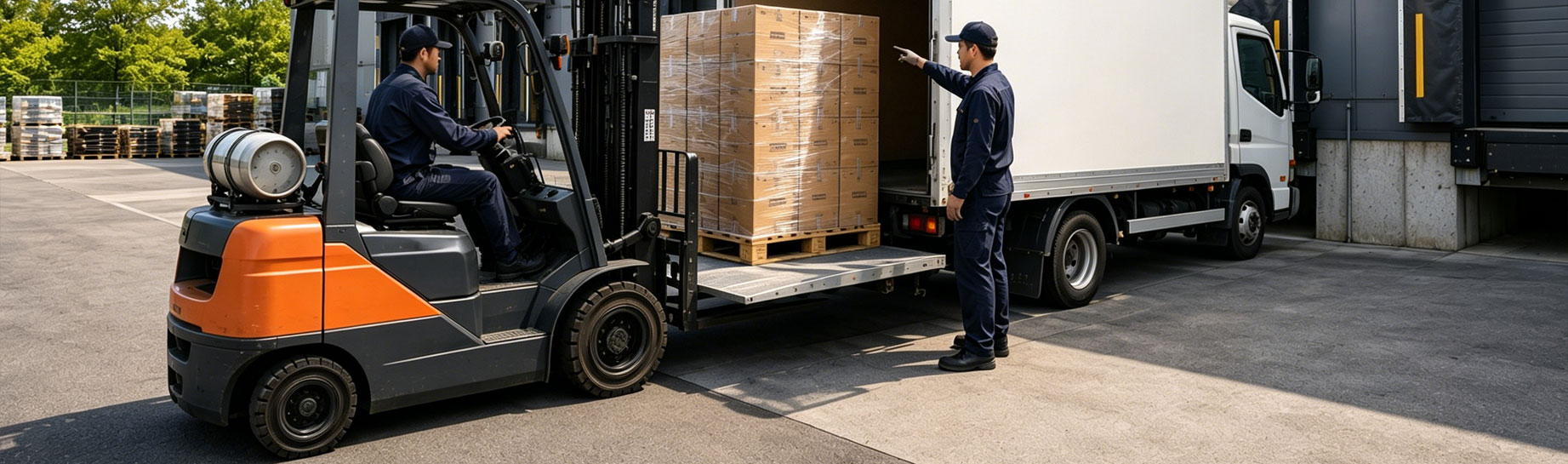
Dock Leveler Installation Guide: Pit Prep & Civil Works
Dock Leveler Installation Guide: The Complete Pit Preparation & Civil Works Reference
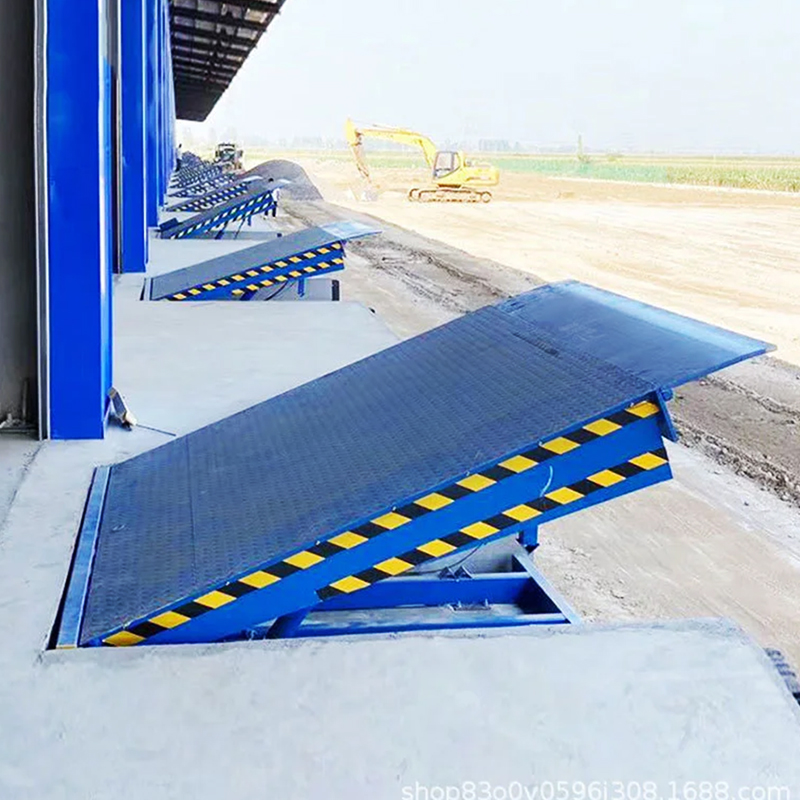
This dock leveler installation guide walks you through every civil works requirement for a fixed dock leveler — from pit dimensions to drainage, concrete grade, and electrical prep. Follow these steps before equipment arrives, and you eliminate the most common causes of delay and damage.
A fixed dock leveler is a mechanical or hydraulic platform permanently mounted inside a recessed pit at a loading bay. It bridges the height gap between a truck bed and the warehouse floor. However, getting the installation right starts long before the equipment arrives — it starts with the pit.
Poor pit preparation is the leading cause of dock leveler performance failures. Over years of supplying dock leveler systems to warehouses across Europe, Southeast Asia, and the Middle East, our team has seen what happens when civil works are rushed or under-specified. The leveler binds, the lip misfires, or the structure cracks under load. None of these are equipment failures — they are civil failures.
This guide covers exactly what your contractor needs to build the pit correctly the first time.
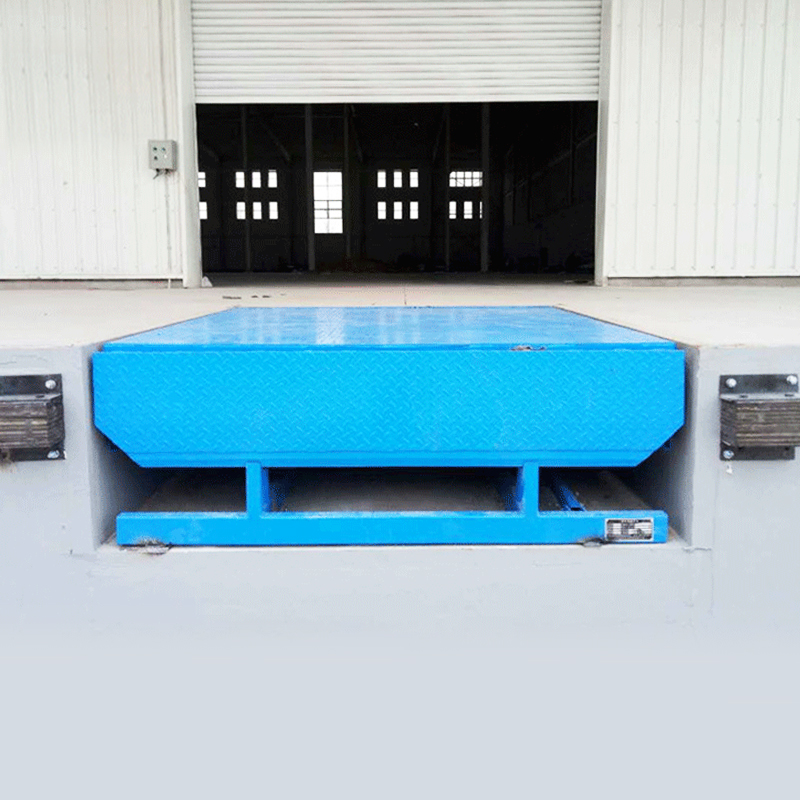
Why Pit Dimensions Determine Dock Leveler Installation Success
The pit is not just a hole in the floor — it is a precision structure. A dock leveler installation that deviates from specification can prevent the platform from returning to stored position, damage lip extension mechanisms, or create unsafe gaps between the leveler and the pit frame.
Pit width is typically determined by the leveler platform width plus a manufacturer-specified clearance on each side. Depth varies by model and working range. Therefore, always refer to the civil works drawing issued by your supplier. Do not rely on generic dimensions from internet sources or previous projects.
In addition, the pit floor must be level and consistent across its entire surface. Your supplier’s installation drawing will specify the allowable tolerance. Sloped or uneven pit floors cause the leveler frame to twist, which stresses weld joints and shortens the product’s service life.
Three critical dimensions to confirm before pouring concrete:
- Pit width — platform width plus manufacturer clearance allowance on each side
- Pit length — platform length plus rear clearance for subframe and hydraulic components
- Pit depth — determined by the leveler’s subframe height and its working range above and below dock floor level
All three must come from your supplier’s civil works drawing for the specific model ordered. Substituting dimensions from a different model or a previous project is a common and costly mistake.
Concrete Specification and Structural Requirements for Dock Leveler Pits
The pit walls and floor must be constructed from reinforced concrete. Furthermore, industry practice and structural requirements for loading dock equipment typically call for:
- Minimum concrete grade: C25/30 to EN 206 (European standard) or equivalent national standard
- Minimum wall thickness: Sufficient to carry the frame anchor loads — confirm with your structural engineer based on the equipment’s civil works drawing
- Floor slab reinforcement: Rebar mesh sized for the rated point load of the leveler under dynamic conditions
Hydraulic dock levelers for general freight applications are commonly rated between 6,000 kg and 10,000 kg static load capacity, depending on configuration and intended use. However, static calculations alone are insufficient for pit floor design. Your structural engineer should account for impact factors from forklift traversal and truck approach.
The pit frame — a steel angle or channel section that borders the pit opening — is typically supplied with the leveler. Contractors must embed it in the concrete and align it precisely to the finished floor level. Anchor bolt positions are defined on the installation drawing. Deviating from these positions will prevent the frame from sitting flush and may require costly re-drilling.
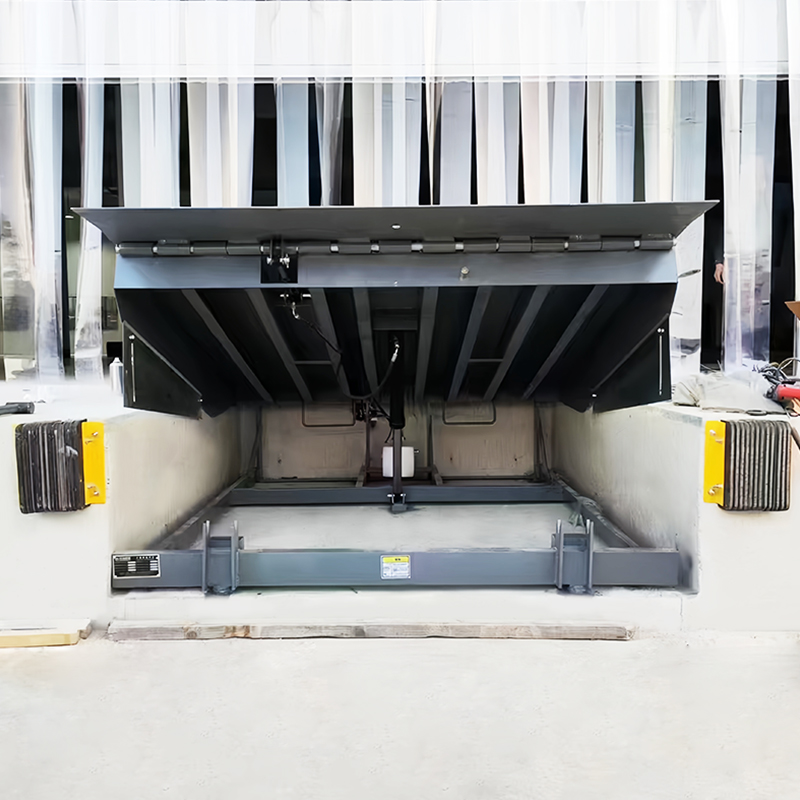
Drainage and Waterproofing Inside the Dock Leveler Pit
Water accumulation inside the pit is a serious problem. It accelerates corrosion of the leveler frame and hydraulic components, and it creates a slip hazard during maintenance. Therefore, every dock leveler pit should include:
- A floor drain positioned at the lowest point of the pit floor, connected to the facility’s drainage system
- Waterproof coating applied to all internal pit surfaces before leveler installation
- Sealant around the frame perimeter after the frame is set, to prevent surface water ingress
In cold-climate warehouses, drainage design must also account for freeze risk. Standing water that freezes beneath the leveler platform can physically jam the mechanism and rupture hydraulic lines.
Moreover, the drain outlet must not create a low point that concentrates debris. A clean, free-draining pit floor extends maintenance intervals and protects the power unit from moisture damage.
Electrical and Hydraulic Pre-Installation Requirements
For a hydraulic dock leveler, civil preparation also includes roughing in the electrical supply. Most hydraulic power units operate on single-phase or three-phase AC power. As a result, confirm the voltage and frequency requirements for your specific model and destination market before conduit installation.
Conduit must enter the pit at a position defined on the installation drawing — typically through the rear wall, above the final floor level of the pit, to avoid water ingress. Do not install the conduit after the pit frame is set. Access becomes extremely difficult, and drilling through the hardened frame weld zone risks structural damage.
Key pre-installation checklist items:
- Electrical conduit stubbed into pit at the correct position, capped and labeled
- Pit dimensions verified against the equipment’s civil works drawing
- Frame anchor positions marked and pre-drilled if required
- Concrete fully cured before frame installation — allow the full curing period your structural engineer specifies
- Pit floor cleaned of debris, form release agents, and standing water
For loading dock equipment projects involving dock shelters, bumpers, or signal lights, additional surface conduits and mounting provisions are required on the external dock face. Coordinate these at the same time as pit preparation to avoid return visits.
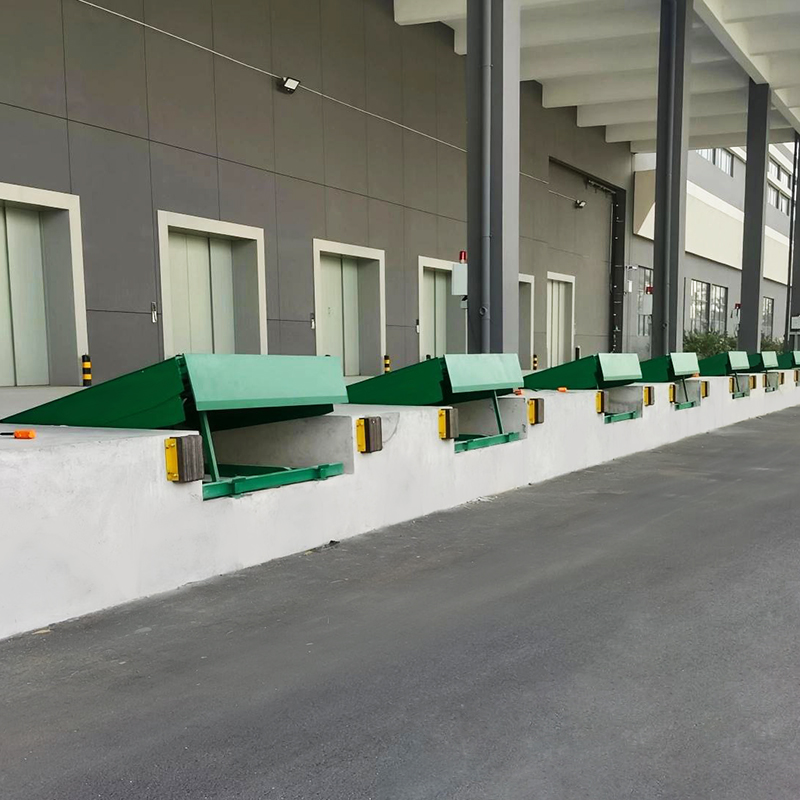
Recommended Dock Platform Height for Fixed Dock Leveler Installation
The height of the loading dock platform above ground level directly affects dock leveler performance. If the platform is too high or too low, the leveler operates near the limit of its working range on every cycle — increasing wear and reducing safe usable capacity.
For most standard freight operations, loading dock platforms are typically built at a height of 1,200 mm to 1,300 mm above ground level. This range accommodates the majority of truck bed heights in common use and allows the leveler to operate comfortably within its adjustment range for both loading and unloading.
However, if your operation handles a specific fleet with non-standard bed heights, confirm the optimal dock height with your dock leveler supplier before construction begins. Correcting a platform height after concrete is poured is a major civil works undertaking.
Common Civil Works Mistakes That Delay Dock Leveler Installation
In our experience commissioning dock leveler systems across multiple warehouse projects, the same errors appear repeatedly. Specifically, these are the most damaging:
Pit too shallow. The contractor poured the floor before confirming the leveler’s subframe height. Consequently, the leveler platform ends up proud of the warehouse floor level — a serious forklift hazard.
Anchor bolts misplaced. The pit frame cannot be installed without re-drilling, which weakens the concrete surround and delays the project by days or weeks.
No drainage provision. The first heavy rain fills the pit. As a result, the leveler is delayed while a drain is retrofitted — usually at significant additional cost.
Concrete insufficiently cured. The standard curing period exists for a reason. Projects that compress this timeline risk frame settlement and cracking under operational loads.
Width too narrow. A pit that is even slightly too narrow means the frame cannot be inserted. Therefore, the concrete must be cut back — a costly and time-consuming correction on an otherwise finished floor.
On the other hand, pits that contractors build correctly — from verified drawings, with proper drainage and fully cured concrete — rarely cause installation delays at all. The investment in getting civil works right pays off immediately on installation day.
How to Coordinate Civil Works With Your Dock Leveler Supplier
If you source from a dock leveler supplier in China and plan international installation, the coordination timeline matters. Specifically, civil works drawings must be shared and approved before construction begins — not after the equipment ships.
Beauway provides complete installation drawing packages in DWG and PDF format, in English and with metric dimensions. We issue these after order confirmation and review them against your site survey data.
For dock leveler bulk order projects involving multiple loading bays, we recommend a pre-pour inspection of one pilot pit before the full run is constructed. This approach catches dimensional errors early, when corrections are inexpensive. A single corrected bay costs far less than correcting ten.
According to the Material Handling Industry (MHI), proper equipment integration — including site preparation — is a foundational requirement for safe and efficient loading dock operations. In other words, civil works are not a separate scope. They are part of the dock leveler installation system.
FAQ: Fixed Dock Leveler Installation and Civil Works
What is the standard pit depth for a fixed dock leveler installation?
Pit depth depends on the specific leveler model, its subframe height, and its working range above and below dock floor level. There is no universal standard depth — always confirm the required dimension from your supplier’s civil works drawing before any concrete is poured.
How long does concrete need to cure before dock leveler installation?
Allow the full curing period your structural engineer and concrete supplier recommend before installing the pit frame. Installing prematurely risks settlement and cracking under the dynamic loads of a working loading dock.
What dock platform height works best for a fixed dock leveler?
For most standard freight operations, a dock platform height of 1,200 mm to 1,300 mm above ground level is recommended. This range accommodates the majority of common truck bed heights and keeps the leveler operating within a comfortable range. Confirm with your supplier if your fleet has non-standard bed heights.
Can I install a hydraulic dock leveler in a pit designed for a mechanical leveler?
Often yes, but verification is required. Hydraulic levelers require electrical conduit access and may have different frame footprints. Your supplier should review the existing pit dimensions against the new equipment’s civil works drawing before confirming compatibility.
What concrete grade does a dock leveler pit require?
A minimum of C25/30 to EN 206 (or equivalent national standard) is typically required. Higher-capacity levelers may require stronger concrete or additional reinforcement — check the equipment’s civil works specification sheet.
Does a dock leveler pit need a drain?
Yes. All dock leveler pits should include a floor drain connected to the facility drainage system. Without drainage, water accumulation causes corrosion, mechanism damage, and maintenance safety hazards.
Start Your Dock Leveler Installation Project the Right Way
Correct pit preparation eliminates the most common causes of installation delay and equipment damage. If you are planning a warehouse fit-out or expanding an existing loading dock system, contact Beauway before concrete is poured — not after.
We supply fixed dock levelers, hydraulic dock leveler systems, and complete civil works drawing packages for projects across Europe, the Middle East, and Asia Pacific. Request your specification sheet and civil works drawing today.
Author: Beauway Technical Team — 15+ years of experience in loading dock equipment supply, installation coordination, and export logistics. Specializing in hydraulic and mechanical dock leveler systems for industrial and logistics facilities.
Trusted by Fleet Operators Across 60+ Countries
Stop Losing Time at the Loading Dock.
Get a Custom-Matched Tail Lift Quote in 24 Hours.
60
Countries Served
24h
Quote Turnaround
99.9
Field Uptime
5.0
Customer Rating
No Obligation
CE & UKCA Certified
Standard & Custom Builds
Worldwide Shipping