Having trouble submitting? Email us directly at nicole@beauway.com and we'll get back to you within 24 hours.








Galvanized vs Chrome Plated Tail Lift: Surface Treatment Differences and Advantages
In the logistics and transportation industry, the Liftgate / Tail Lift operates under demanding environmental conditions such as rain, road salt, humidity, and constant mechanical friction. Because of these factors, tail lift coating and tail lift surface treatment play a critical role in determining equipment lifespan and long-term reliability.
From my experience working with multiple tail lift manufacturer and hydraulic tail lift supplier, corrosion protection is one of the most important factors affecting operational durability. A well-designed industrial tail lift surface treatment process significantly improves tail lift corrosion protection, reduces maintenance cost, and extends equipment service life.
Within modern industrial tail lift coating system engineering, two primary technologies dominate surface protection:
- galvanized tail lift
- chrome plated tail lift
Both belong to the broader field of tail lift metal surface protection, but their functions and application areas differ significantly. Understanding the zinc vs chrome tail lift difference is essential for selecting the proper protection strategy.
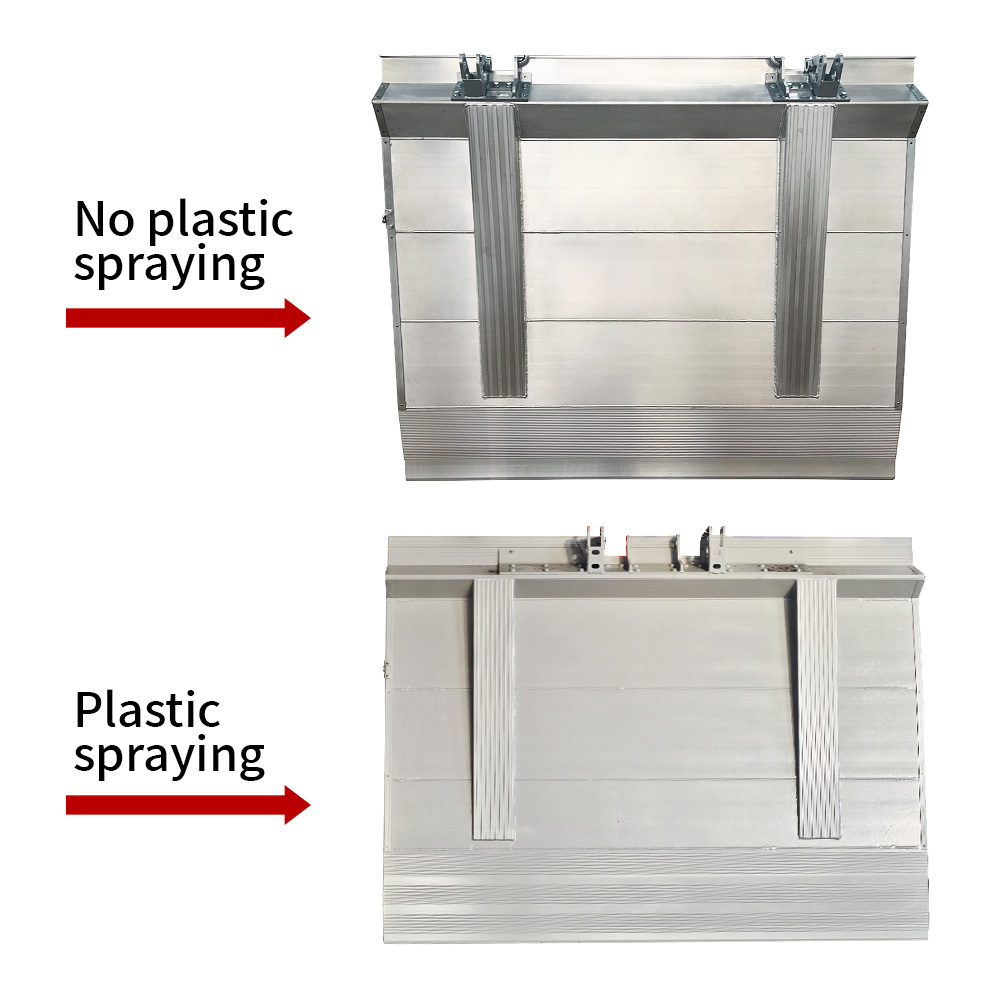
Why Tail Lift Surface Treatment Is Critical
In real logistics operations, a Liftgate / Tail Lift may perform dozens or even hundreds of lifting cycles each day. Structural components are constantly exposed to environmental moisture, mechanical wear, and contamination from road debris. Without effective tail lift anti corrosion coating and tail lift rust prevention coating, corrosion can develop rapidly.
In one cold-chain logistics project I participated in, over 60 lift platforms were deployed for refrigerated truck fleets. Early units using only conventional paint coatings developed visible corrosion after about two years of use. However, models equipped with tail lift steel structure galvanizing maintained stable structural condition for more than five years.
Because of this, most modern manufacturers apply the following corrosion protection technologies:
- hot dip galvanized tail lift
- tail lift galvanized steel structure
- zinc coating tail lift
These processes form a durable tail lift zinc protection layer, which significantly enhances tail lift corrosion protection under harsh logistics environments.
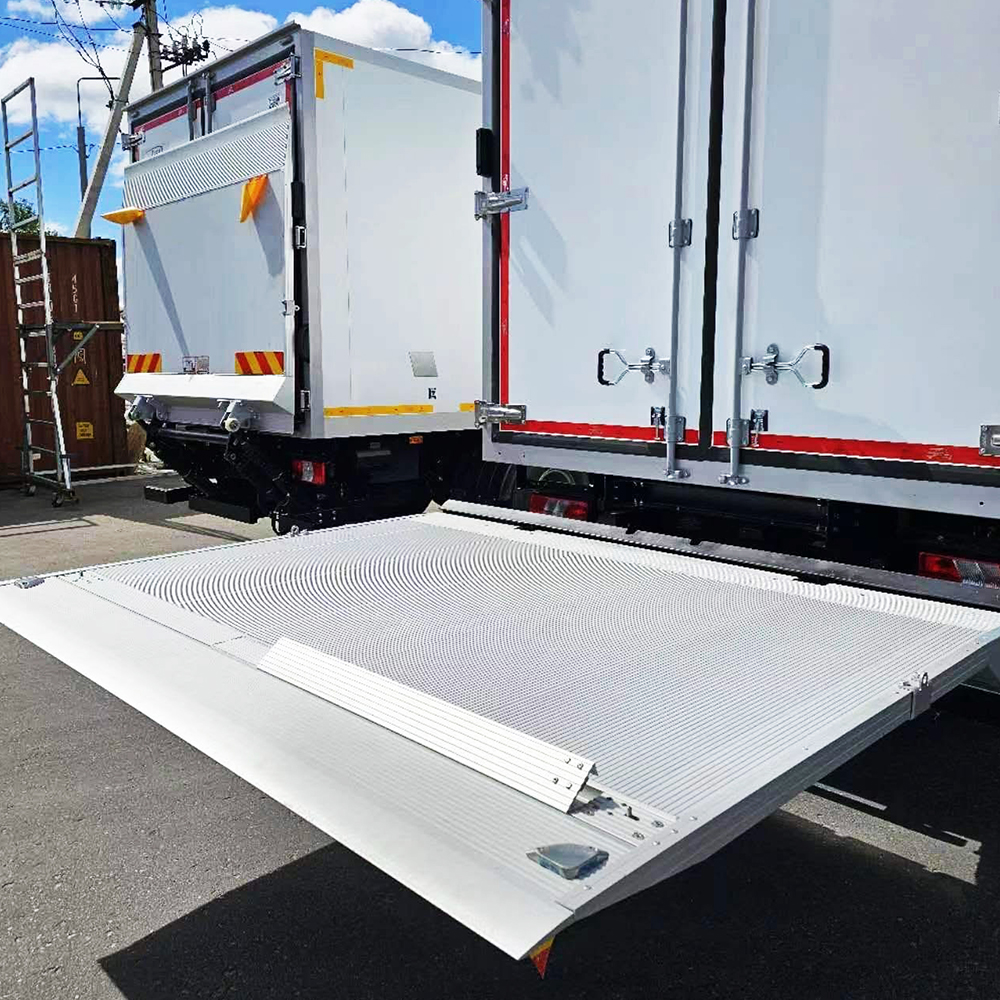
Galvanizing Process: Core Protection for Structural Components
For the platform frame, lifting arms, and bumper assemblies of a Liftgate / Tail Lift, the most widely used protection method is the tail lift zinc coating process.
A typical galvanized tail lift uses hot-dip galvanizing to create a protective zinc layer across the entire structural surface. According to common industrial practice and standards such as ISO 1461, the coating thickness of structural hot-dip galvanizing typically falls within:
70–100 μm
This thickness range provides reliable long-term corrosion protection for heavy mechanical equipment.
In manufacturing environments, many industrial tail lift supplier China companies adopt this process as the standard configuration for heavy equipment protection.
To verify the effectiveness of a tail lift anti corrosion solution, manufacturers often conduct corrosion testing based on ISO 9227 salt spray testing standards. This testing method uses a controlled salt fog environment (typically 5% NaCl solution at 35°C) to evaluate corrosion resistance.
For structural components such as the platform, frame assembly, and bumper assembly, testing results commonly show:
Salt spray test result: >300 hours
These results provide practical data for tail lift corrosion resistance comparison and demonstrate the effectiveness of a professional heavy duty tail lift coating solution.
For logistics equipment operating in coastal or high-humidity regions, this level of logistics tail lift protective coating is considered a reliable industry benchmark.
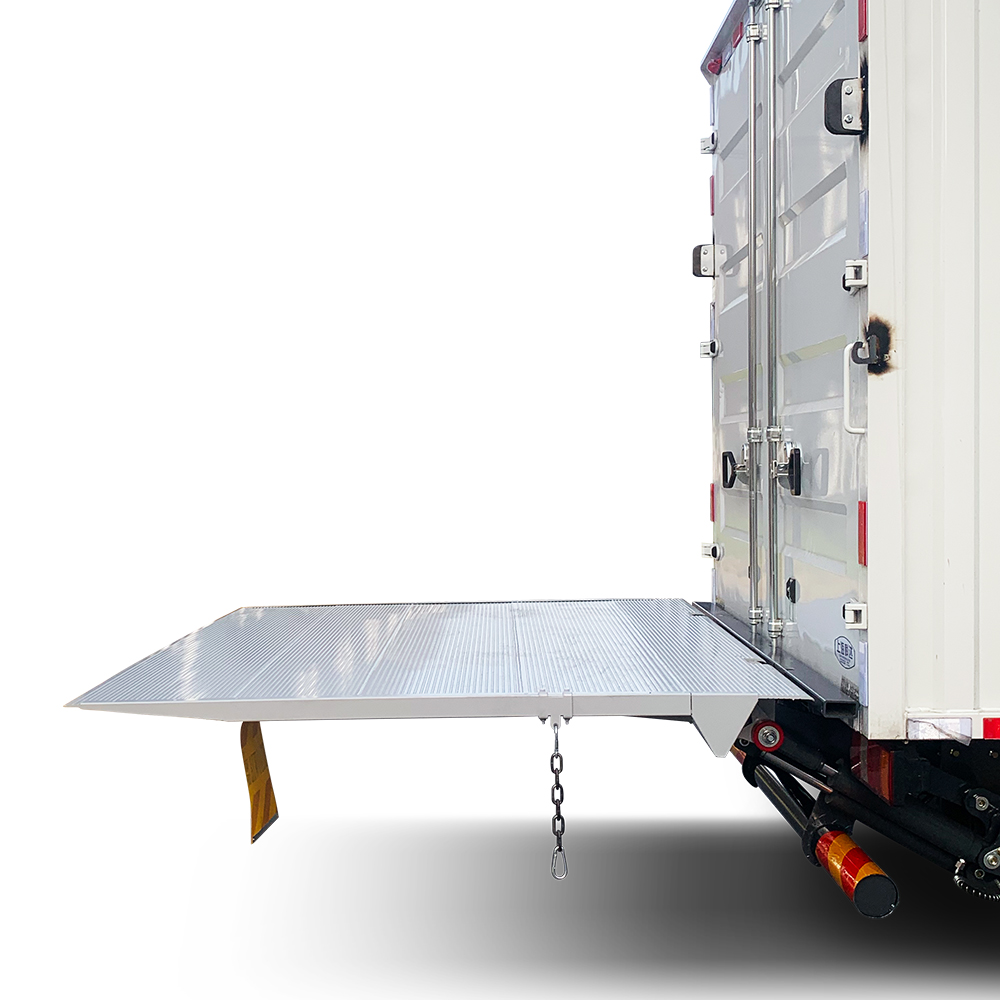
Chrome Plating Process: Wear Protection for Hydraulic Systems
While galvanizing protects structural components, chrome plated tail lift technology is primarily applied to hydraulic system components, particularly moving mechanical parts.
Typical applications include:
- chrome plated hydraulic piston rod
- hard chrome plating hydraulic rod
Within a typical hydraulic tail lift system, hydraulic cylinders operate under repeated load cycles. Without proper hydraulic tail lift surface treatment, piston rods may suffer from abrasion, corrosion, or seal damage.
Industrial specifications for hydraulic cylinder rods typically include the following parameters:
| Parameter | Typical Specification |
|---|---|
| chrome plated hydraulic piston rod thickness | 0.015 mm |
| hard chrome plating hardness | 850–1000 HV |
| hydraulic system rated pressure | 18 MPa |
| average lifting speed | ≈80 mm/s |
The hard chrome layer forms a dense wear-resistant coating that provides:
- tail lift wear resistant coating
- enhanced tail lift durability surface treatment
At the same time, the chrome layer contributes to tail lift corrosion protection under high-pressure hydraulic operating conditions.
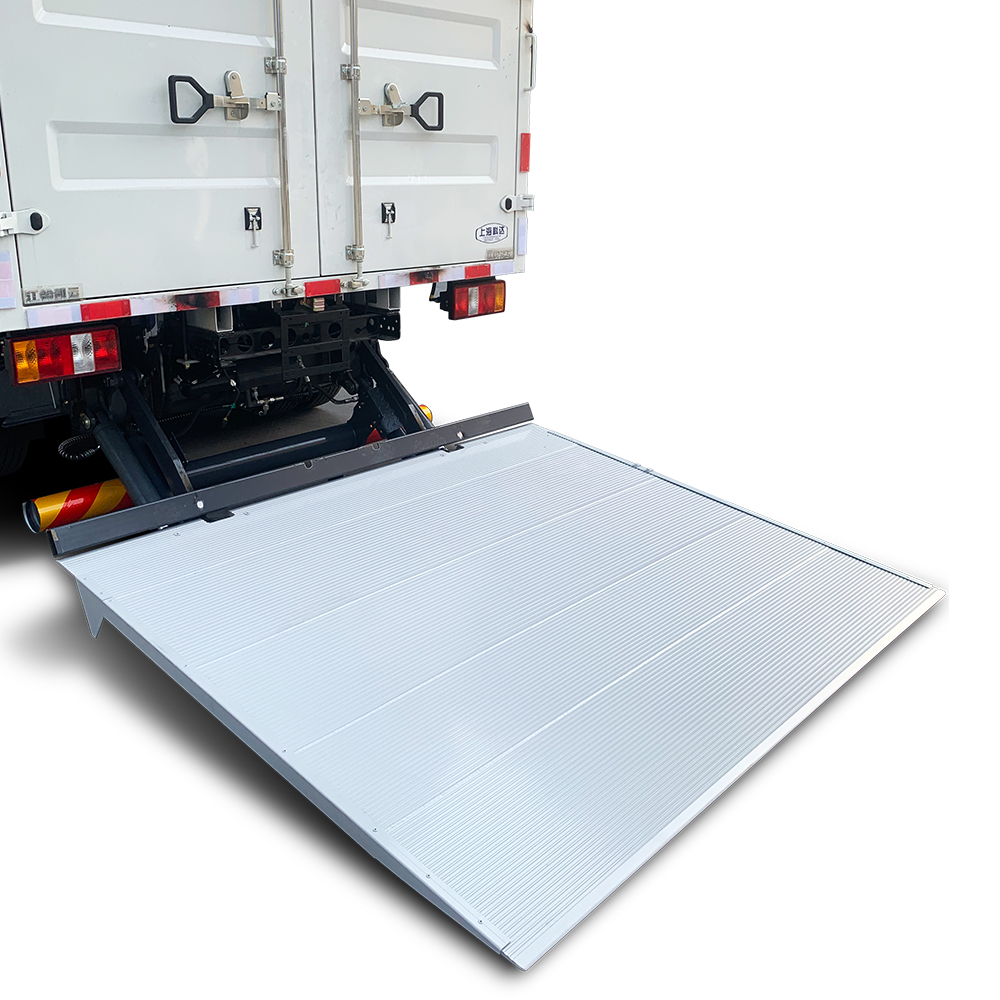
Key Differences Between Galvanized and Chrome Plated Tail Lift
A common question from equipment buyers is:
which is better galvanized or chrome plated
In engineering practice, the answer depends entirely on the application location. A professional tail lift coating material comparison shows that these technologies serve different protective purposes.
| Comparison Item | galvanized tail lift | chrome plated tail lift |
|---|---|---|
| Primary use | structural protection | hydraulic component protection |
| Protection mechanism | zinc sacrificial layer | hard chrome wear layer |
| Corrosion resistance | very strong | moderate |
| Wear resistance | moderate | very strong |
| Typical process | tail lift zinc coating process | hard chrome plating |
From the perspective of galvanized vs chrome plated tail lift design:
- galvanized tail lift protects structural components from corrosion
- chrome plated tail lift protects moving hydraulic components from wear
Together they create a complete industrial tail lift coating system.
Recommended Surface Protection Configuration
Based on real engineering experience, the most reliable tail lift anti corrosion solution usually combines two protective layers.
Structural corrosion protection
- tail lift galvanized steel structure
- hot dip galvanized tail lift
Hydraulic wear protection
- chrome plated hydraulic piston rod
- hard chrome plating hydraulic rod
This configuration forms a comprehensive heavy duty tail lift coating solution, ensuring both corrosion protection and hydraulic system durability.
For modern transport fleets and distribution vehicles, this integrated protection strategy has become the standard approach for industrial tail lift surface treatment.
Procurement Considerations and Industry Supply
When purchasing lifting equipment, buyers typically evaluate several key factors:
- tail lift price
- tail lift cost
- tail lift quotation
- tail lift for sale
Selecting a reliable tail lift supplier or OEM tail lift manufacturer is therefore essential. A professional tail lift factory can ensure stable hydraulic tail lift system performance while providing a custom tail lift solution based on vehicle configuration.
Today, many international logistics companies cooperate with an industrial tail lift supplier China due to strong production capacity and advanced industrial tail lift coating system technologies.
An experienced tail lift manufacturer can also recommend appropriate logistics tail lift protective coating strategies according to operating environments, helping buyers minimize long-term maintenance risks.
Conclusion
Understanding the zinc vs chrome tail lift difference is essential when evaluating lift equipment durability.
Key conclusions include:
- galvanized tail lift provides structural corrosion protection
- chrome plated tail lift protects hydraulic system components
- both technologies together form a comprehensive tail lift metal surface protection system
Through proper tail lift corrosion resistance comparison and advanced tail lift coating technology, manufacturers can significantly extend equipment service life.
For logistics companies and vehicle manufacturers, working with a professional hydraulic tail lift supplier or tail lift manufacturer, obtaining a clear tail lift quotation, and selecting a suitable custom tail lift solution will ensure reliable long-term performance in demanding transport environments.
Beauway is a professional China tail lift supplier with over 15 years of experience in hydraulic tail lift manufacturing and custom solutions. Our products feature ISO 1461 hot-dip galvanized structures and hard chrome or trivalent chromium coated piston rods, meeting EU EN 1756 corrosion standards. We provide professional quotations and customized solutions within 48 hours.
Trusted by Fleet Operators Across 60+ Countries
Stop Losing Time at the Loading Dock.
Get a Custom-Matched Tail Lift Quote in 24 Hours.
60
Countries Served
24h
Quote Turnaround
99.9
Field Uptime
5.0
Customer Rating
No Obligation
CE & UKCA Certified
Standard & Custom Builds
Worldwide Shipping