Having trouble submitting? Email us directly at nicole@beauway.com and we'll get back to you within 24 hours.











Tail Lift Won’t Go Up? 8 Causes & On-Site Fixes
Tail Lift Won’t Go Up? 8 Causes & On-Site Fixes
A tail lift won’t go up for one of a small number of reasons, and most drivers can check them without special tools. This guide walks through eight common causes, ordered from quickest to check to most involved, so a driver or maintenance team can find the fault fast and get the vehicle back on schedule.
What It Means When a Tail Lift Won’t Go Up
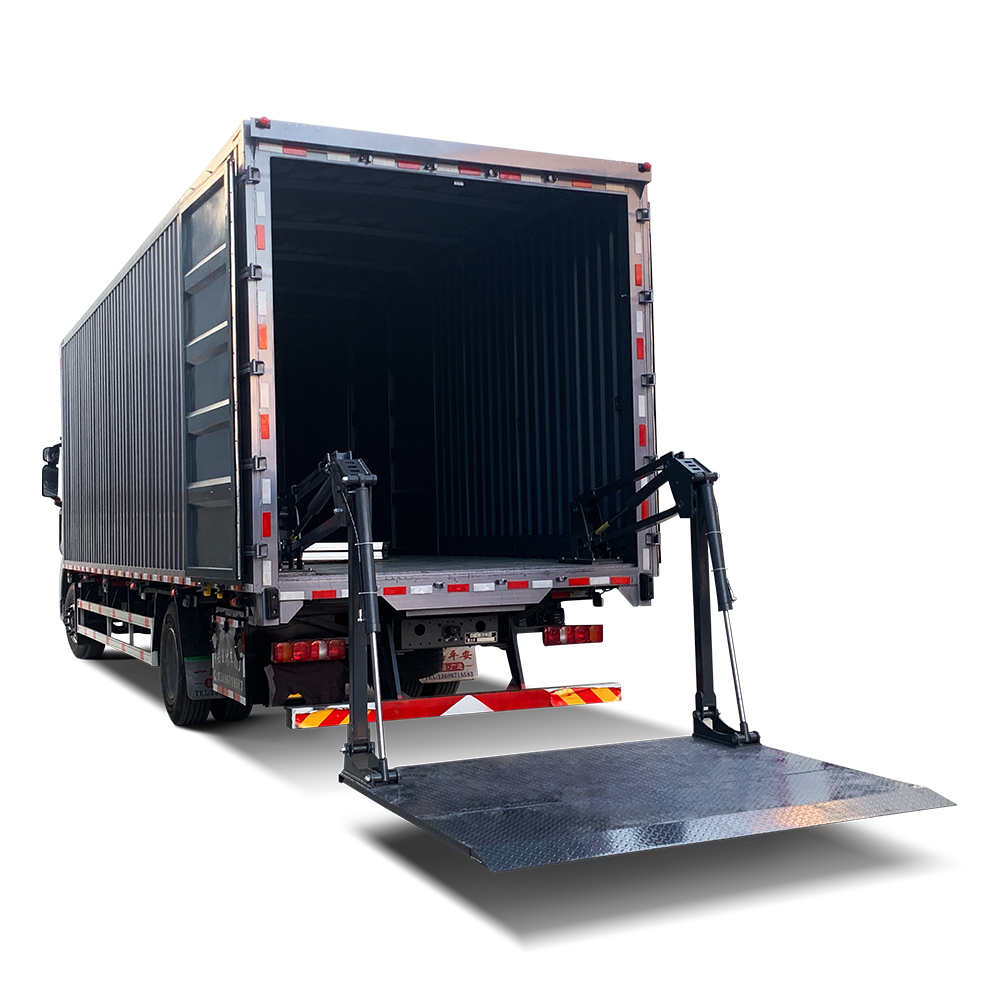
A tail lift that won’t go up is a platform that fails to rise when the operator presses the up-control, even though the motor may still run. The fault usually comes from the hydraulic system, the electrical system, or a mechanical component. Sometimes all three interact, so a structured check order beats guesswork.
The boundaries between these categories are clear. Hydraulic faults involve fluid, valves, hoses, and seals. Electrical faults involve fuses, switches, wiring, and battery voltage. Mechanical faults involve worn pins, jammed slide tracks, or dry lubrication points. Any single link in that chain can stop a tail lift from going up, no matter how well the rest of the system runs.
Fleet operators commonly report a platform that lifts slowly, stops halfway, or does not move at all despite a normally running pump motor. In many of these cases, the pump itself is not at fault. Something further down the chain causes the problem — a valve, a sensor, a loose connection, or low fluid. Technicians who jump straight to a pump replacement often waste a service call and delay the vehicle unnecessarily. A first-time inspection typically resolves the fault within 20 to 30 minutes when the technician runs the checks in order.
8 Common Causes, in Check Order
The table below lists the most frequent faults, roughly ordered from quickest to check to most involved.
| Symptom | Likely Cause | Recommended Action |
|---|---|---|
| Motor runs, platform stays down | Low hydraulic fluid level | Lower the platform fully, check the dipstick or sight glass, and top up with the manufacturer’s specified fluid grade |
| No motor sound at all | Blown fuse or tripped circuit breaker | Locate the high-amp breaker near the battery and the main inline fuse; reset or replace it, then retest |
| Motor sounds weak or labors | Low battery voltage or corroded terminals | Check the battery terminals, tighten loose connections, clean off corrosion, and test voltage under load |
| Power reaches the pump area but nothing happens | Damaged wiring or a corroded ground connection | Trace the power and ground cables from the battery to the pump motor; secure or replace any exposed or loose contacts |
| Control button unresponsive | Faulty control switch or remote | Inspect the control panel for physical damage; test a wired remote for continuity |
| Motor hums but platform doesn’t move | Solenoid valve stuck or fouled | With the platform on the ground, remove the lowering valve, clean it, and confirm the plunger moves freely |
| Platform lifts partway then stops | Overload sensor tripped (a safety feature, not a fault) | Confirm the load falls within rated capacity; reset the sensor per the operator manual |
| Motor runs hot or struggles under load, or slide tracks feel stiff | Worn pump/motor, or mechanical binding from dry or dirty tracks and hinge pins | Test motor voltage; if power looks adequate but pressure won’t build, the pump or motor may need replacement. Separately, clear debris from the tracks and grease all hinge pins and moving parts |
Overlapping Symptoms and Cold-Weather Effects
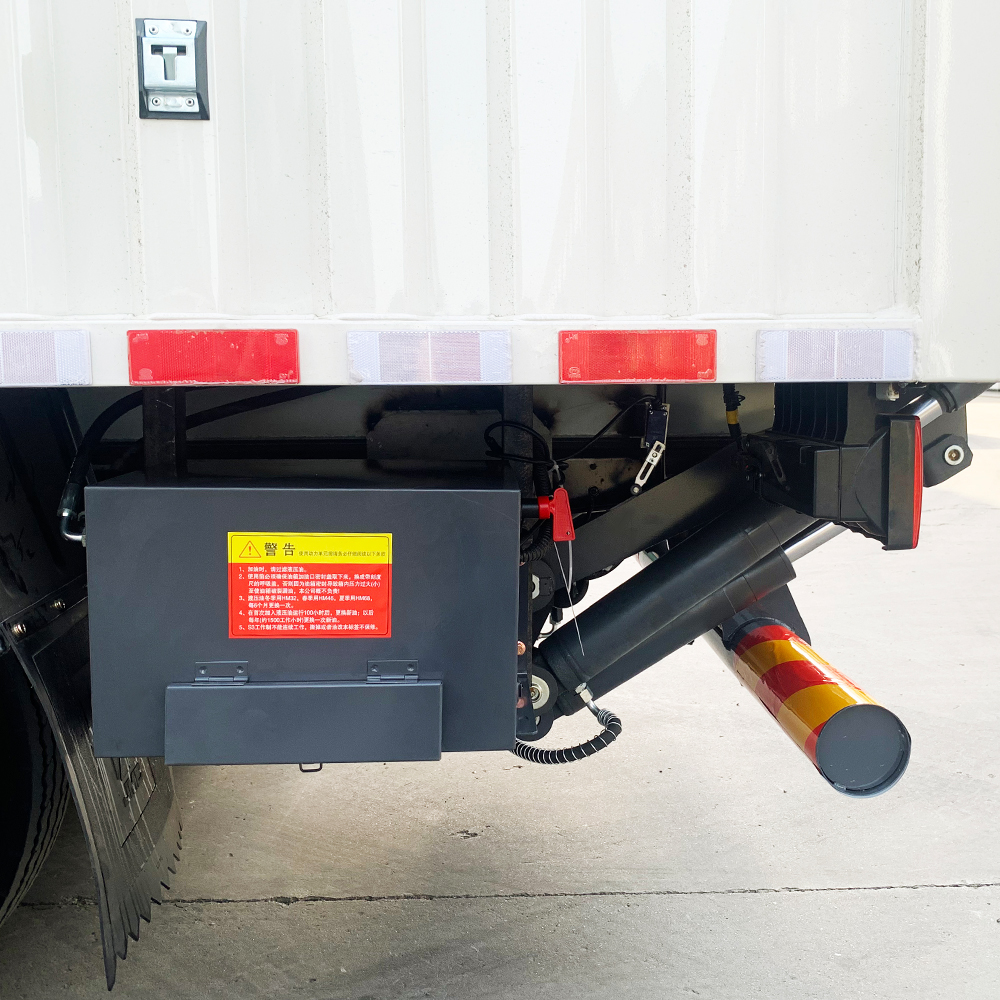
Each fault carries a distinct signature, but several can produce a similar symptom. A stuck solenoid valve and a discharged battery, for example, can both leave the motor humming with no platform movement, yet each needs a different fix. Isolating the cause before ordering parts saves time and cost.
Cold weather adds a further variable. Hydraulic fluid thickens at low temperatures, which slows the lift cycle and can make a functioning tail lift look faulty. Operators in colder regions sometimes report a tail lift won’t go up on the first attempt of the day, then works normally after a short warm-up cycle. This pattern reflects a known behavior rather than a defect, though a recurring case still deserves a logged entry. Trapped air in the hydraulic line creates a similar effect — a platform that lifts, but unevenly — and usually needs bleeding through the manufacturer’s procedure.
Step-by-Step Diagnostic Order
- Check the fluid level. This takes under a minute and rules out the single most common cause of a tail lift that won’t go up.
- Listen for the motor. No sound points to an electrical fault; a running motor with no movement points toward hydraulics.
- Check fuses and breakers. Technicians often mistake a tripped breaker for a bigger fault, yet resetting it takes seconds.
- Check the battery and wiring. Weak voltage or a corroded connection can look identical to a pump failure from the outside.
- Test the control switch. This step rules out the switch or remote before you assume a deeper fault.
- Look for leaks or unusual noise. This distinguishes a seal or hose issue from motor or pump wear.
- Confirm load and ambient temperature. Overload protection won’t release until the weight drops; cold fluid may just need a warm-up cycle.
Following this order prevents the most common mistake in tail lift troubleshooting: technicians replacing the hydraulic pump when the actual fault sits in the electrical circuit, the fluid reservoir, or a safety sensor.
DIY Fix or Call a Technician?
A trained driver or in-house maintenance staff can safely check and resolve some causes above — low fluid, a tripped breaker, a loose battery terminal, an overloaded platform. Others call for different handling.
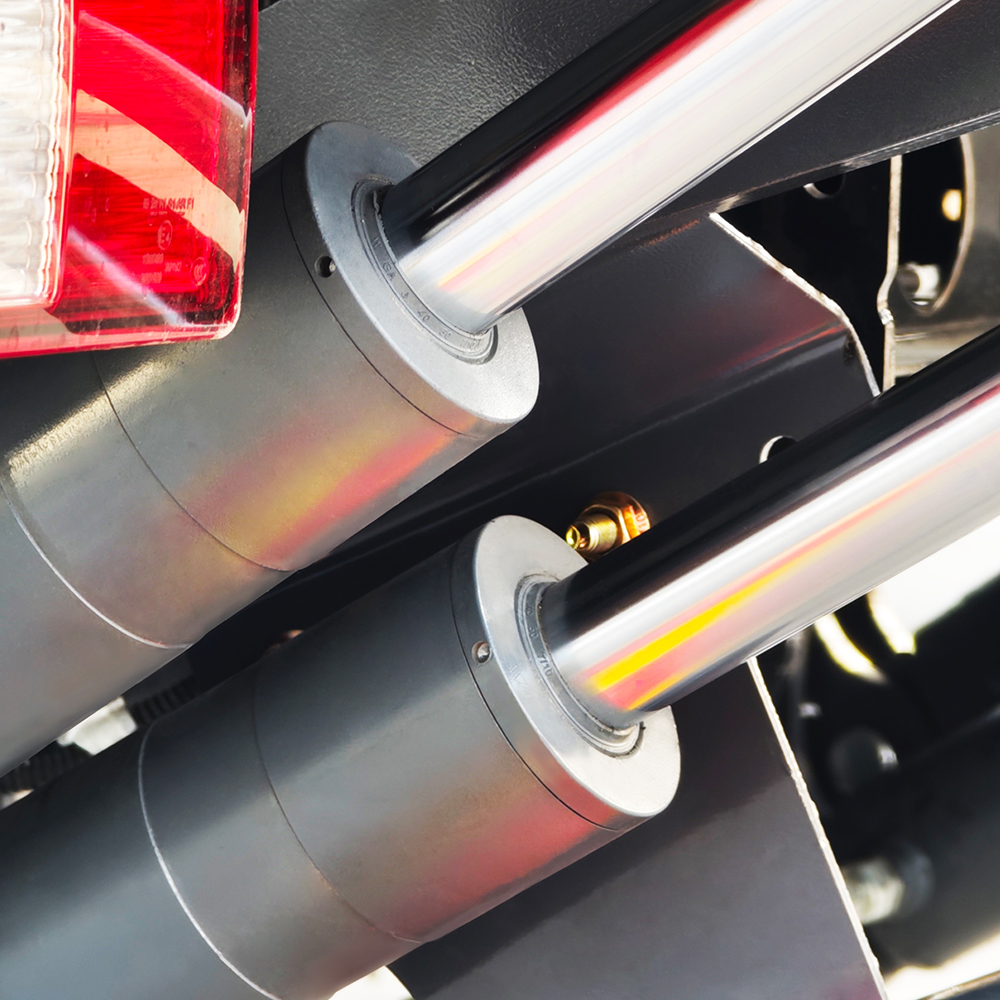
A qualified technician should handle solenoid valve disassembly, internal seal replacement, and any work inside the hydraulic power unit. Tail lifts count as lifting equipment, and an incorrect repair can create a safety risk rather than solve one. The UK’s Road Haulage Association publishes detailed guidance on the safe use and maintenance of tail lifts, which sets out when a fleet should pull equipment out of service pending repair.
As a general rule, a technician — not a driver — should handle any fault that involves opening the hydraulic power pack, working near the lift arms under load, or bypassing a safety sensor. Forcing a platform up manually, or overriding an overload sensor, strips away the protection the lift was designed with.
Preventing Recurring Faults
A tail lift that repeatedly won’t go up often signals deferred maintenance rather than a one-off fault. Fluid levels, seals, connectors, and lubrication points degrade gradually, and small issues tend to resurface until a fleet addresses them on a schedule.
Fleets that follow a documented preventive maintenance checklist typically catch low fluid, worn seals, and corroded connectors before these issues cause downtime. Fleets running daily delivery routes commonly use a quarterly inspection cycle, while lower-usage vehicles often go on a longer interval.
Fleets specifying replacement units commonly choose folding tail lift configurations where deployment speed and lower mechanical complexity matter most, compared with more involved cantilever or tuck-under designs. Tail lifts that meet EN 1756-1 include standard features such as anti-drop valves and overload protection, which reduce — though don’t eliminate — the likelihood of a sudden lifting fault. Routine inspection remains the deciding factor in how often a platform fails to rise.
Frequently Asked Questions
Why does my tail lift run but not lift?
A running motor with no platform movement usually points to a hydraulic issue rather than an electrical one. Low fluid, trapped air, or a stuck solenoid valve cause most of these cases. Check the fluid level first, since it’s the fastest and most frequent fix.
Can low battery voltage stop a tail lift from going up?
Yes. Hydraulic pump motors need a minimum voltage to build pressure. A weak battery or corroded connections can make the platform lift slowly, stall partway, or not move at all, even when the motor appears to run.
How often should a tail lift undergo inspection to avoid this problem?
Most manufacturers recommend a visual check before each use and a full inspection on a monthly or quarterly cycle, depending on usage hours. Fleets running daily deliveries typically inspect more often than lower-cycle operations.
Is it safe to keep using a tail lift that lifts slowly?
Slow lifting usually signals an early warning, not an immediate safety failure. Still, check it before the next use rather than ignoring it, since the underlying cause — air, low fluid, or a failing valve — tends to worsen over time.
Does cold weather explain why a tail lift won’t go up?
It can. Thickened hydraulic fluid in low temperatures slows the lift cycle and can mimic a fault. If the platform works normally after a short warm-up, temperature likely causes the issue rather than a mechanical failure.
Most causes behind a tail lift that won’t go up trace back to fluid levels, electrical connections, or mechanical wear rather than a failed pump. Working through the checks in order, rather than replacing parts by guesswork, resolves most cases without a full unit teardown.
Trusted by Fleet Operators Across 60+ Countries
Stop Losing Time at the Loading Dock.
Get a Custom-Matched Tail Lift Quote in 24 Hours.
60
Countries Served
24h
Quote Turnaround
99.9
Field Uptime
5.0
Customer Rating
No Obligation
CE & UKCA Certified
Standard & Custom Builds
Worldwide Shipping