Having trouble submitting? Email us directly at nicole@beauway.com and we'll get back to you within 24 hours.











Vertical Tail Lift: Applications, Specs and Buyer’s Guide
Everything Fleet Buyers Need to Know Before Choosing a Vertical Tail Lift
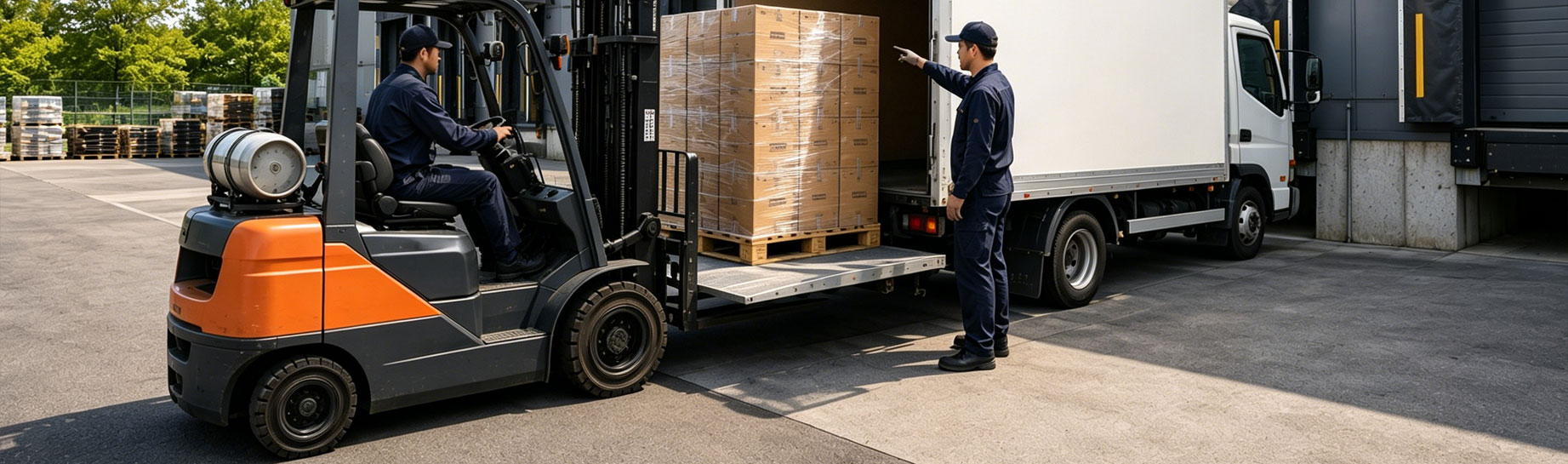
Welcome to our vertical tail lift buyer guide, built for fleet managers and procurement teams evaluating column-mounted loading platforms. A vertical tail lift is a hydraulic platform that travels straight up and down along fixed columns at the rear of a truck, rather than tilting or folding outward. It is also called a column tail lift or column liftgate. This vertical tail lift buyer guide explains how the mechanism works, what the real specifications look like, and how to choose the right unit for your fleet.
I have specified vertical tail lifts for fleet operators handling everything from palletized retail stock to precast concrete panels. The pattern is always the same: buyers know they need lifting capacity, but they underestimate how much platform geometry and duty cycle matter until the unit is already installed. That is exactly why a proper vertical tail lift buyer guide needs to go beyond a spec sheet.
How a Vertical Tail Lift Works
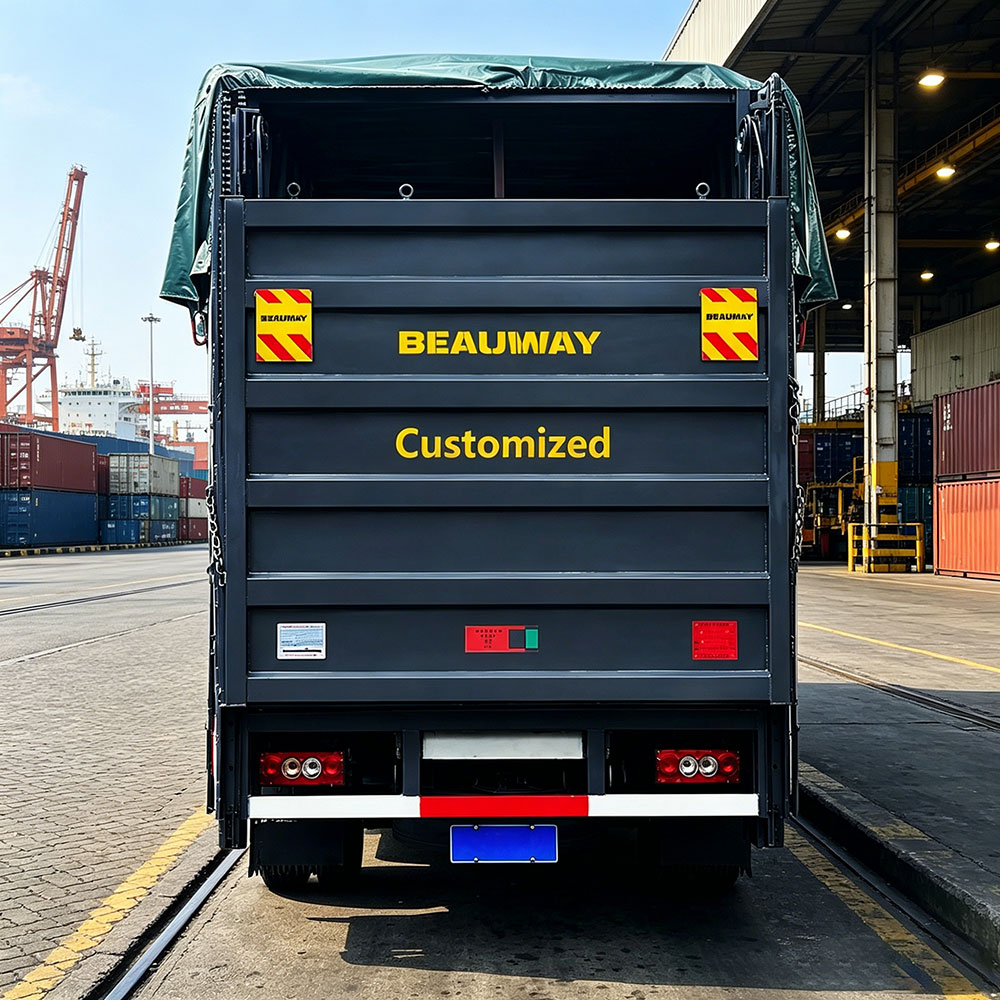
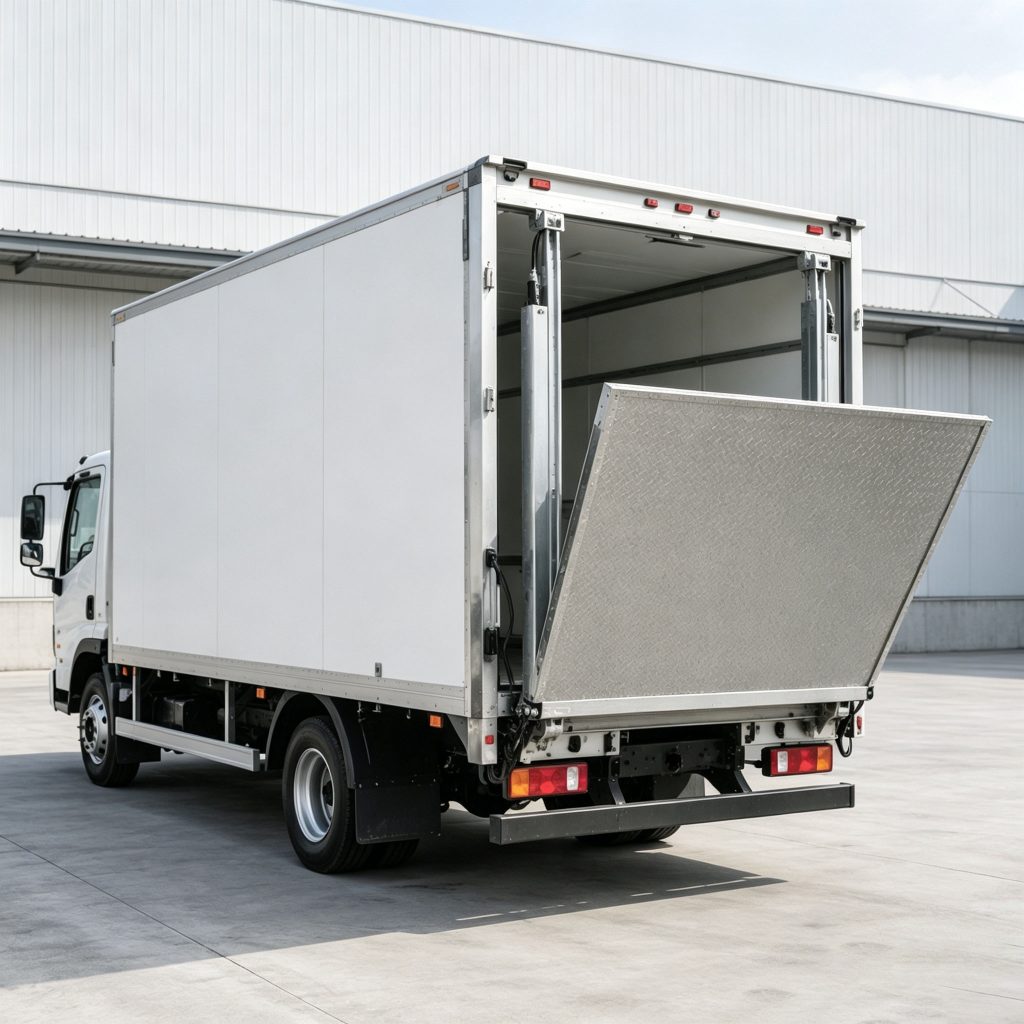
A vertical tail lift, sometimes marketed as a vertical liftgate or railgate, mounts to the rear of the vehicle through a structural H-frame. The platform extends at roughly ninety degrees from the columns and rides on tracks. It does not auto-level like a cantilever design. Instead, it holds a fixed vertical angle throughout the lift cycle.
This matters for two reasons. First, a vertical hydraulic tail lift can often lift higher than the cargo floor itself, which helps when the truck bed sits below standard dock height. Second, the fixed-angle mechanism means fewer moving hydraulic joints than a cantilever unit, which translates into a simpler maintenance profile over the equipment’s service life.
However, the vehicle keeps its own rear doors. Operators must open them before deploying the lift, which adds a step compared to a folding tail lift that doubles as the door itself.
Where a Column Tail Lift Performs Best
The column tail lift configuration suits scenarios where platform stability under heavy, repeated loads matters more than compact stowage. In practice, that means:
- Precast concrete and structural component delivery
- Palletized warehouse and distribution freight
- Fleet operations moving between dock and non-dock delivery points
- Cold chain logistics, where a stable platform reduces cargo handling time at the door
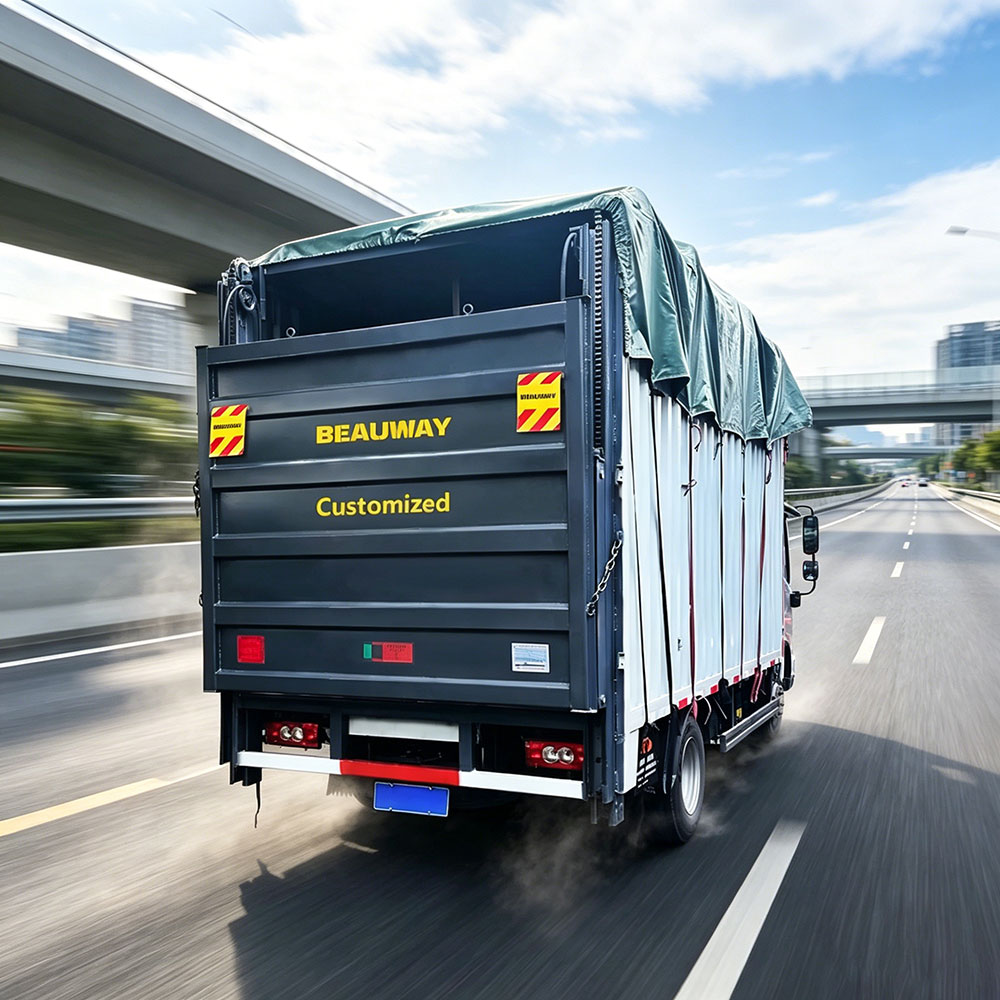
On the other hand, a vertical tail lift for van applications is less common. The column frame and H-mount need more rear structural depth than lighter cantilever or folding units, so it tends to appear more often on medium and heavy box trucks.
Vertical Tail Lift Capacity and Specifications
Any useful vertical tail lift buyer guide has to start with real numbers, not marketing ranges. Steel-platform vertical tail lift capacity typically runs from 1,000 kg through 2,000 kg, with platform sizes commonly falling between 1,800×2,100 mm and 1,800×2,500 mm, and larger dimensions available on request.
Power requirements generally split into two bands: 12V systems at roughly 2 kW for lighter vehicles, and 24V systems at around 3 kW for heavier duty cycles. Unit weight for a steel platform model usually falls in the 350–400 kg range before customization, which fleet planners need to subtract from payload capacity before finalizing a spec sheet.
Aluminum platform versions are also available for buyers prioritizing weight savings over raw load capacity. As a result, aluminum vertical tail lift platforms are common on routes where every kilogram of unladen vehicle weight affects fuel economy or axle loading limits.
A critical procurement checkpoint: vehicle payload rating and tail lift rated load are separate engineering figures. A truck rated for 5,000 kg payload paired with a 2,000 kg vertical tail lift cannot safely handle loads beyond that lift’s rating, even if the chassis could technically carry more.
Working Height and Platform Size
Working height depends on the specific vehicle floor height and the column travel range built into the model. Therefore, buyers should always confirm working height against their actual vehicle, not a generic spec sheet, since floor height varies meaningfully between van, box truck, and trailer chassis.
Platform size selection follows a similar logic. A 1,800 mm width accommodates a standard pallet with clearance, while length options from 2,100 mm to 2,500 mm let buyers match the platform to typical load footprint without oversizing the unit and adding unnecessary weight.
Installation and Certification Requirements
Vertical tail lift installation changes how load forces move through the vehicle frame, so it is not a job for general repair shops. Column-type mounting typically uses Grade 10.9 bolts with a minimum shank length of five millimeters at attachment points, and fastener specifications must meet the strength requirements set out in ISO 3506.
In addition, any CE certified vertical tail lift sold into the European market must meet EN 1756-1:2021, the harmonized safety standard covering platform lifts for mounting on wheeled goods vehicles. This standard is published by the European Committee for Standardization. You can review the current scope of this standard through the European tail lift industry association.
For US-market fleets, DOT/FMVSS compliance applies instead, and buyers exporting between regions should confirm which certification framework governs their specific deployment before signing a purchase order.
Beauway’s own step-by-step installation guide covers frame strength assessment, dimensional measurement, and payload calculation in more detail for teams managing the process directly.
Choosing a Vertical Tail Lift Manufacturer
Not every vertical tail lift manufacturer builds to the same tolerances, and price alone rarely predicts long-term reliability. Before signing a wholesale or OEM supply agreement, ask for:
- Full type-test reports, not just a certificate number, since detailed fatigue-cycle data is far harder to falsify than a certificate reference
- Hydraulic seal specifications rated for your operating environment, particularly for cold chain or coastal fleets
- Confirmed lead time and in-region parts availability for the fleet’s service life
- Installation compatibility documentation for your specific vehicle model
For fleets sourcing at scale, an OEM supplier relationship also allows customization of platform dimensions, voltage, and mounting hardware to match an existing fleet standard rather than adapting the fleet to a fixed catalogue spec.
Maintenance for Long-Term Reliability
A vertical hydraulic tail lift depends on a small number of high-load hydraulic cylinders, which makes seal condition the single most important maintenance variable. Monthly inspection should include a hydraulic oil sample check, load-bearing joint lubrication, and a functional test of the overload prevention system.
Quarterly maintenance should add a full hydraulic pressure test and a structural weld inspection, particularly for units running high daily cycle counts. Fleets in dusty or high-humidity environments should shorten these intervals, since particulate contamination is a leading cause of premature seal failure in hydraulic lifting equipment.
Frequently Asked Questions
What is a vertical tail lift used for?
A vertical tail lift moves heavy or bulky freight between ground level and a truck’s cargo floor along a fixed vertical path. It suits warehouse distribution, precast concrete delivery, and cold chain logistics where platform stability under repeated heavy loads matters more than compact folding storage.
How much weight can a vertical tail lift carry?
Vertical tail lift capacity commonly ranges from 1,000 kg to 2,000 kg on steel platform models, depending on platform size and hydraulic system rating. This vertical tail lift buyer guide recommends always confirming the rated load against your actual manifest weight, not the vehicle’s overall payload capacity.
Can a vertical tail lift be installed on any truck?
Not always. Column-mounted vertical tail lifts need adequate rear structural depth for the H-frame and columns, so compatibility depends on chassis type and rear dimensions. A supplier compatibility confirmation before purchase avoids costly modification surprises during installation.
Why use a vertical tail lift buyer guide before purchasing?
A vertical tail lift buyer guide helps procurement teams match platform size, load capacity, and certification to actual operating conditions instead of relying on a generic catalogue listing. That upfront work prevents mismatches that show up only after installation, when changes are far more expensive.
Get a Vertical Tail Lift Spec Matched to Your Fleet
This vertical tail lift buyer guide comes down to one point: match platform size, load capacity, and certification to your actual operating conditions, not a generic catalogue listing. Beauway’s vertical tail lift range includes both steel and aluminum platform options in customizable sizes. Contact our team for a fleet-specific quote and installation compatibility review.
Trusted by Fleet Operators Across 60+ Countries
Stop Losing Time at the Loading Dock.
Get a Custom-Matched Tail Lift Quote in 24 Hours.
60
Countries Served
24h
Quote Turnaround
99.9
Field Uptime
5.0
Customer Rating
No Obligation
CE & UKCA Certified
Standard & Custom Builds
Worldwide Shipping