Having trouble submitting? Email us directly at nicole@beaway.com and we'll get back to you within 24 hours.











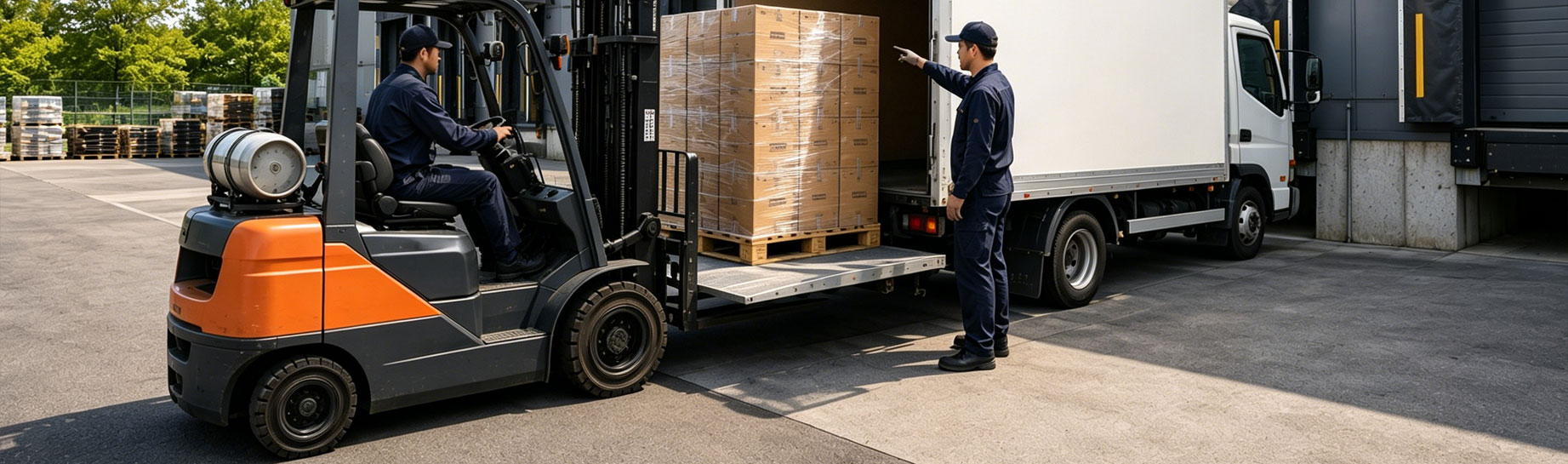
Hydraulic Dock Leveler Maintenance: What DIY Upkeep Actually Misses
A hydraulic dock leveler looks like the low-maintenance option. There’s no pull chain to release. There’s no manual cranking, and no daily mechanical check before the deck can move. Push a button, and the platform rises. Push it again, and it lowers. Compared to a mechanical unit, it feels almost maintenance-free.
That impression is exactly what causes most hydraulic dock leveler maintenance problems. Facilities treat “push-button operation” as “push-button reliability.” A general maintenance tech checks the fluid level once a month, and the job is considered done. The leveler keeps working. Then, usually during a peak shipping period, it doesn’t — right when downtime costs the most.
This article breaks down what routine, in-house hydraulic dock leveler maintenance typically catches. It also covers what it misses, and why that gap is wider than most facility managers assume. None of this is a criticism of facility teams. It’s simply a description of where a hydraulic system’s failure modes don’t match what a visual check can detect.
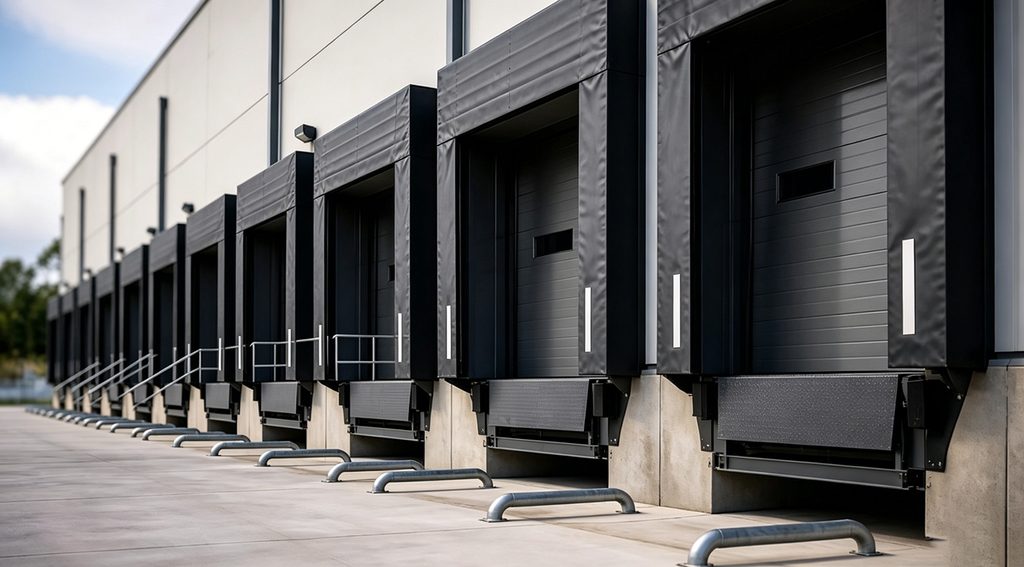
What a Hydraulic Dock Leveler Actually Does
Before getting into maintenance gaps, it helps to be precise about what’s inside the unit.
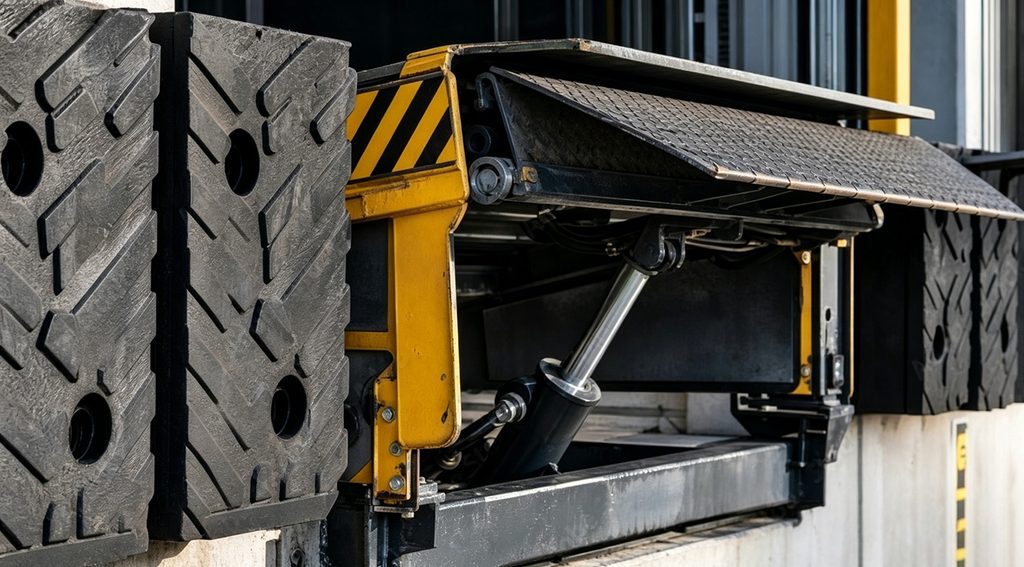
A hydraulic dock leveler bridges the gap between a warehouse floor and a truck bed. Unlike a mechanical leveler, it doesn’t rely on a spring-loaded deck and a pull-chain release. Instead, an electric motor drives a hydraulic pump. That pump pressurizes fluid, which extends one or more cylinders to raise the deck. A separate mechanism — often a smaller cylinder or a mechanical linkage — extends the hinged lip onto the truck bed once the deck reaches height.
The core dock leveler parts involved are:
- A hydraulic power unit (motor, pump, and fluid reservoir)
- One or more hydraulic cylinders for deck lift
- A control cylinder or linkage for lip extension
- Cylinder seals and lip seals
- A structural deck rated for a fixed load range (Beauway’s hydraulic series, for example, spans 500 kg to 2,000 kg depending on the model)
- Toe guards and safety legs
- A push-button control panel
Every one of these parts degrades on its own schedule. That’s the first problem with treating “maintenance” as a single monthly task. Fluid, seals, and mechanical linkages don’t wear out at the same rate. A routine built around one monthly glance at the fluid reservoir only catches one of several failure paths.
The power unit is under continuous load every time the leveler cycles. The motor draws current, the pump pressurizes fluid, and internal components experience friction and heat with each use. A dock running twenty to thirty truck cycles a day puts far more wear on the dock leveler hydraulic circuit than one running five. Yet most maintenance schedules follow a calendar — once a month, once a quarter — rather than actual cycle count. A high-traffic dock and a low-traffic dock often end up on the same interval, even though their components age at very different rates.
Why “Low Maintenance” Is a Misleading Label
The confusion isn’t really about frequency. It’s about what “maintenance” is assumed to mean.
For a facility employee without hydraulic training, dock leveler maintenance usually means three things: check the fluid level, wipe down the deck, and listen for anything unusual. All three are useful. None of them reveal whether the fluid has degraded, whether a seal has started to fail internally, or whether the pump still delivers full pressure.
This pattern shows up across other hydraulic equipment too — hydraulic pump maintenance and industrial cylinder maintenance run into the same issue. A system that needs no daily manual intervention creates the impression that it needs no expert attention either. In reality, the opposite is often true. Mechanical systems fail visibly and progressively — a pull chain gets harder to release, a spring visibly sags. Hydraulic systems can fail quietly, and their early symptoms often look like normal wear.
Three Blind Spots In-House Maintenance Usually Misses
These are the three areas where a facility’s own routine most often falls short. It isn’t because staff are careless. It’s because the failure signs don’t look like failure yet.
Hydraulic Fluid Contamination
Checking the fluid level tells you whether there’s enough fluid. It tells you nothing about whether that fluid still does its job.
Hydraulic fluid degrades two ways: particulate contamination and moisture contamination. Particulates can be dust, or metal shavings from internal wear, or debris entering through a compromised seal. Moisture usually comes from condensation inside the reservoir, especially where temperatures swing between day and night. Neither shows up as a color change or an odor early on. What it does cause is accelerated wear on the pump and internal valves, since contaminated fluid is more abrasive and less effective at holding pressure.
By the time contamination is visible — cloudy fluid, a burnt smell, visible particles — the pump and valves have usually already sustained wear. A fluid change alone won’t reverse that.
Seal Wear and Micro-Leaks
Cylinder seals and lip seals contain pressure and keep fluid from escaping around moving parts. Early-stage wear produces a very small, slow leak. Often it’s just a light film around the cylinder rod, or a barely-visible residue on the pit floor.
This is easy to write off as normal. It isn’t. A slow leak means the cylinder is losing the ability to hold pressure consistently. That first shows up as slightly uneven deck movement, and later as a leveler that’s noticeably slower to rise or settles unevenly under load. Dock leveler seals are a wear item by design. But the window between “starting to wear” and “leaking enough to cause a service call” is exactly where in-house checks miss the signal — because nothing looks obviously wrong yet.
Gradual Pressure Loss
This one is the hardest for non-specialists to catch, because it isn’t a single event. It’s a slow drift.
A hydraulic dock leveler that used to reach full extension in three seconds might now take five. A deck that used to rise in one smooth motion might hesitate partway through the cycle. Staff who operate the unit daily tend to adjust to this drift without registering it as a problem — the same way a driver doesn’t notice their own brakes wearing down gradually. Pressure loss can come from a failing pump, a degrading seal, or fluid contamination, often more than one at once. That combination is exactly why it needs instrumented testing, not a visual check, to diagnose correctly.
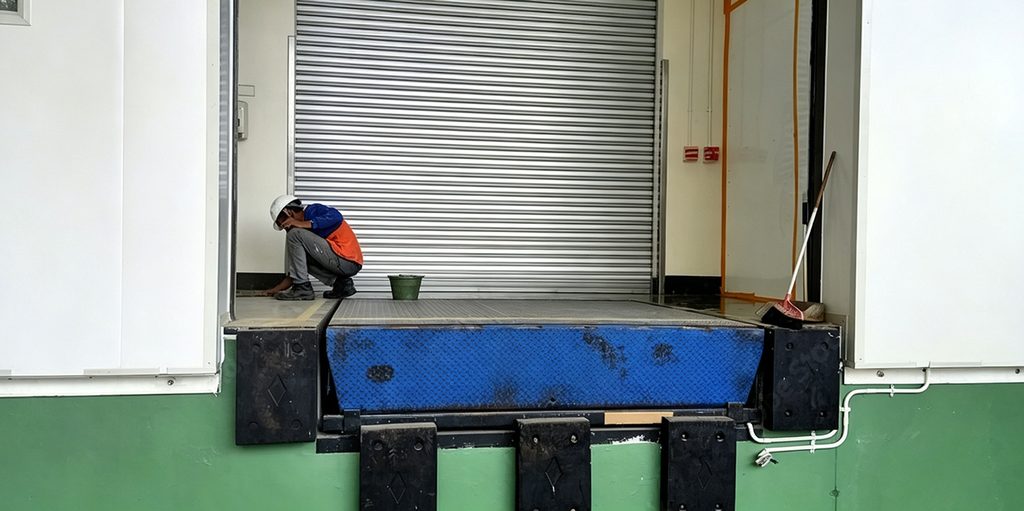
What In-House Teams Can Handle Safely
None of this means in-house staff shouldn’t touch the equipment. Several tasks genuinely belong to routine facility maintenance and don’t require specialized tools:
- Checking hydraulic fluid level against the reservoir’s marked range
- Clearing debris, dirt, and standing water from the pit
- Visually inspecting for fluid residue around cylinders and fittings
- Testing that push-button controls respond correctly, including the emergency stop
- Confirming toe guards and safety legs are undamaged and move freely
- Keeping a basic log of anything that looks or sounds different from normal
Done consistently, this routine catches obvious problems early. It also gives a technician a useful history to work from during scheduled visits. On its own, it isn’t a complete hydraulic dock leveler maintenance program. But it’s a legitimate and necessary part of one. Dismissing it in favor of “just call a technician for everything” would be its own mistake. The staff who operate a dock every day are best positioned to notice when something feels off — as long as they know what to log, and who to tell.
What Actually Requires a Professional Eye
The gap between “looks fine” and “is fine” closes with instruments, not observation. Three checks fall outside what a general routine can verify.
Fluid contamination testing. A fluid sample analysis identifies particulate count and moisture content well before either becomes visible. That allows a fluid change to happen on a data-driven schedule, rather than a fixed calendar interval or a visible failure.
Seal and cylinder pressure testing. A technician can test whether a cylinder holds pressure under load over time. This reveals seal wear long before it produces a visible leak — the difference between replacing a seal proactively, and replacing a seal plus a scored cylinder rod after it fails.
Pump output verification. Measuring actual pump output against the rated specification shows whether the leveler still operates within its designed range, even if the deck still looks normal to the naked eye.
These aren’t tasks a general facilities team is equipped for, and that’s not a criticism. They require equipment and training specific to hydraulic systems. This is where a structured maintenance plan, not just a checklist, makes the difference.
Building a Maintenance Routine That Actually Works
The most reliable loading dock leveler maintenance programs combine both layers, rather than treating them as alternatives:
- Daily or weekly facility checks — fluid level, visible leaks, pit cleanliness, control function
- Scheduled professional inspection — typically quarterly for high-cycle docks, covering fluid analysis, seal integrity, and pump performance
- A written log connecting the two — so a technician arriving for scheduled service already knows what facility staff have observed
This structure extends the service life of the unit. It also converts unplanned emergency repairs into scheduled maintenance windows. That matters, because emergency repairs are disruptive precisely because they’re unplanned.
For facilities running certified equipment, this kind of dock levelers maintenance schedule is also usually what warranty terms are built around. A unit built to ISO 9001 and CE standards is engineered for a long service life under its rated load. But that engineering assumes the fluid, seals, and pump are maintained to spec, not just kept topped off.
A Realistic Maintenance Timeline
Here’s how the two-layer approach usually looks for a moderate-to-high-traffic dock:
Daily — A quick visual pass before the shift starts. Check for fluid residue around the cylinder base, confirm the deck cycles smoothly through a full up-and-down motion, and clear any debris from the pit.
Weekly — Check the fluid level against the marked range. Inspect toe guards and safety legs for damage. Note anything in the operation log that felt different from normal — a hesitation, a sound, a slower cycle.
Quarterly — Bring in a technician for fluid testing, seal checks under load, and pump output verification. This is also the point to review the log from the previous three months. Small recurring notes, like “a bit slower on Tuesdays,” often point a technician toward exactly which component to check first.
Annually — A full inspection covering structural welds, pin wear, and hinge points, on top of everything checked quarterly. For units under warranty, this is typically when documentation needs to be current to keep coverage valid.
This timeline isn’t a fixed rule. A dock running three shifts a day with heavy pallet traffic needs tighter intervals than one handling a few deliveries a week. What matters is that the interval is set by actual usage and component condition, not by whichever schedule is easiest to remember.
What Skipping the Professional Layer Actually Costs
It’s worth being specific about what “catching it late” means in practice. The cost isn’t just the repair bill.
When a hydraulic dock leveler fails mid-shift, the immediate cost is the truck that can’t be loaded at that door. That means either rerouting to another dock, if one is free, or a line of trucks waiting. The secondary cost is the repair itself. A pump or cylinder replaced after visible failure is almost always a bigger job than the seal replacement or fluid change that would have prevented it. By the time failure is visible, other components have usually been running under degraded pressure or contaminated fluid for weeks.
The least visible cost shows up over years, not days. A unit maintained reactively — fixed only when something breaks — typically reaches the end of its useful life well before one maintained on a proactive, instrumented schedule. Both units can start with identical specifications. The equipment isn’t the variable. The maintenance approach is.
Frequently Asked Questions
Q: What is a hydraulic dock leveler?
A: A hydraulic dock leveler is a loading dock platform that uses an electric motor and hydraulic pump to raise and lower a deck. It closes the height and distance gap between a warehouse floor and a truck bed. It differs from a mechanical dock leveler, which relies on a spring-loaded deck and a manual pull-chain release.
Q: How often should a hydraulic dock leveler be professionally serviced?
A: For docks with moderate to high daily cycle counts, a quarterly inspection is the typical baseline. It should cover fluid condition, seal integrity, and pump output, in addition to ongoing daily facility checks.
Q: Can facility staff maintain a hydraulic dock leveler without a technician?
A: Facility staff can safely handle fluid level checks, pit cleaning, visual leak inspection, and control testing. Fluid contamination analysis, seal pressure testing, and pump output verification need specialized equipment. Those should be scheduled with a qualified technician.
Q: What’s the earliest sign that a hydraulic dock leveler needs professional attention?
A: A slight increase in cycle time is often the earliest sign. The deck taking noticeably longer to reach full extension than it used to can signal pressure loss, seal wear, or fluid contamination — even before any visible leak appears.
Q: Does a hydraulic dock leveler need different maintenance in summer versus winter?
A: Temperature swings affect hydraulic fluid viscosity. They can also accelerate condensation inside the reservoir. Seasonal transitions are a reasonable point to schedule an extra fluid check, even outside the standard quarterly interval — particularly in climates with big day-to-night or seasonal swings.
A hydraulic dock leveler built for daily commercial use still depends on maintenance that matches how the system actually fails, not just how it looks day to day. Beauway’s hydraulic leveler series is backed by a 12-month warranty, with preventive maintenance and remote diagnostic support included. Contact our team for a maintenance assessment or technical specifications.
Trusted by Fleet Operators Across 60+ Countries
Stop Losing Time at the Loading Dock.
Get a Custom-Matched Tail Lift Quote in 24 Hours.
60
Countries Served
24h
Quote Turnaround
99.9
Field Uptime
5.0
Customer Rating
No Obligation
CE & UKCA Certified
Standard & Custom Builds
Worldwide Shipping