Having trouble submitting? Email us directly at nicole@beauway.com and we'll get back to you within 24 hours.











Truck Tailgate Cold Chain Guide: Protecting Food & Pharma
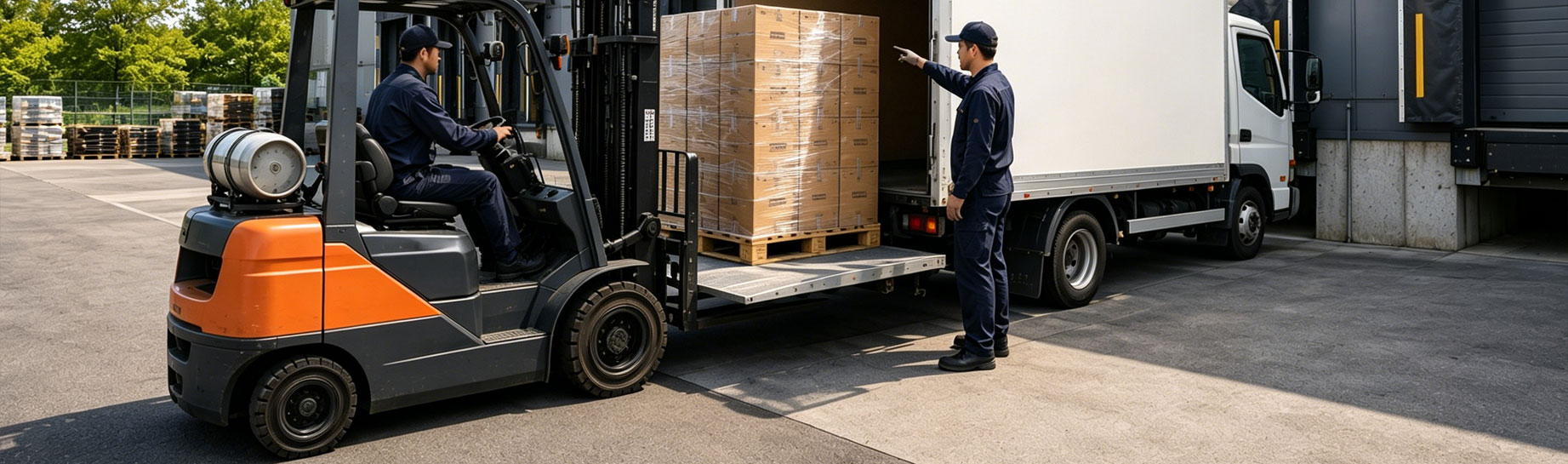
A refrigerated truck pulls up outside a vaccination site. The driver opens the rear doors, and the tailgate slowly deploys. This lifting platform sits at the rear of the vehicle and bridges the height gap between the ground and the load bed. It goes by several names depending on the region. British English speakers usually call it a tail lift. In North America, people commonly say liftgate. In the UK and Australia, industry workers sometimes use the more colloquial term tailboard. Different names, same equipment: a lift tailgate that simply raises and lowers cargo.
For food and pharmaceutical transport, the tailgate is far from a minor accessory. A hydraulic tailgate takes just a few minutes to deploy, lock, unload, and retract. That short window is precisely where cold chain temperature control is most likely to slip.
Not All Lifts Are Built the Same: Tailgate Structural Types
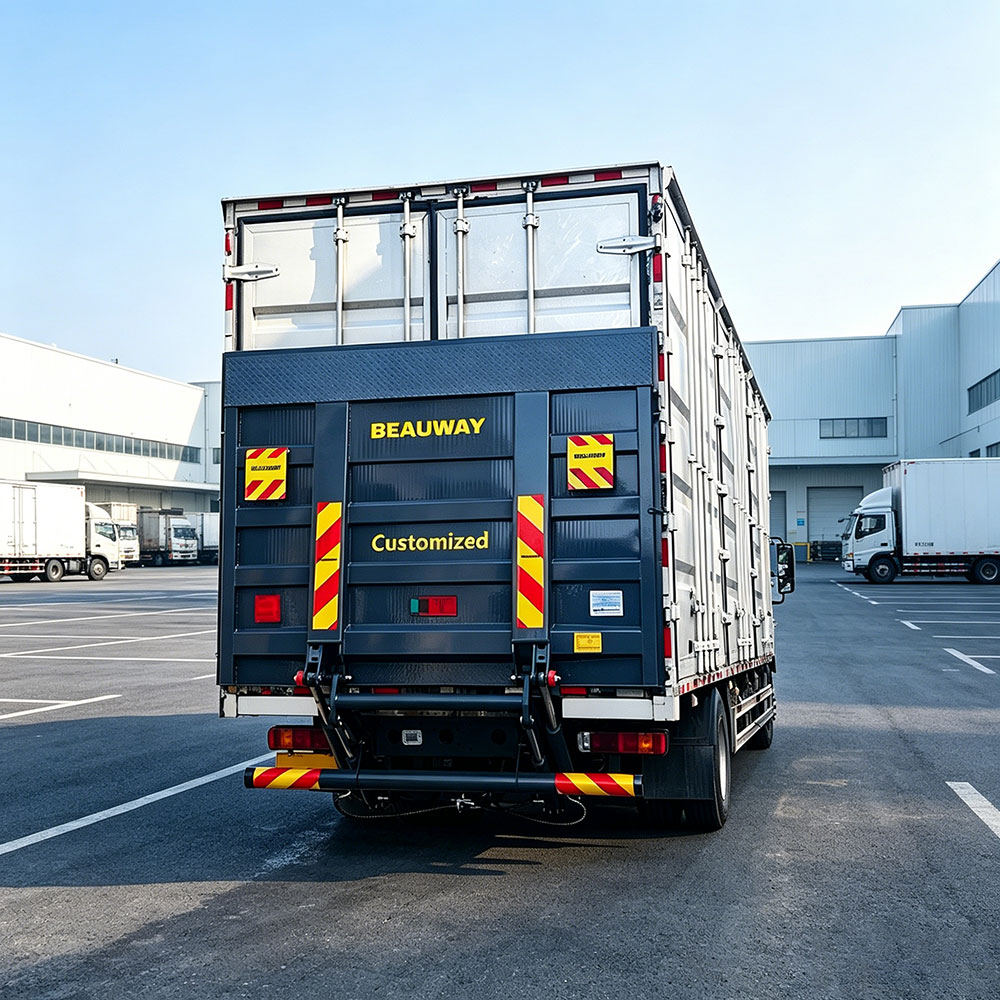
The industry recognizes five main structural categories of tail lift, each with tradeoffs that matter for cold chain use:
- Cantilever tailgate — The platform forms part of the rear door and deploys via hydraulic arms. It’s fast to operate and needs no manual folding. But it needs clearance to retract, so the vehicle can’t form a fully sealed connection against a cold-storage dock.
- Column tailgate — The platform rises vertically along tracks mounted on the vehicle body, allowing “above bed travel” for vehicles with lower load beds. Its main limitation: the platform typically operates only at a 90-degree angle. That means it doesn’t adapt well to uneven ground.
- Tuckaway tailgate — The platform folds and stores underneath the chassis, leaving the rear doors clear. Industry sources say this type suits multi-stop cold chain deliveries particularly well — think milk, seafood, meat, dairy, and medical supplies. These routes require the vehicle to reverse directly up to a dock again and again.
- Slider tailgate — Similar to the tuckaway but with a longer platform that slides out horizontally before lowering. It typically supports higher capacities, and third-party logistics (3PL) fleets and produce or dairy carriers commonly use it.
- Railgate — Mechanically similar to a column lift, but it generally carries a lower capacity rating and uses “outrails” mounted directly on the vehicle body. It’s more common on lighter commercial vehicles.
Load capacity varies significantly by type. A standard lift typically supports up to 2,500 kg, and heavy-duty models exceed that. Some cantilever tailgate units approach capacities near 10 tonnes. Tuckaway and slider models commonly carry ratings up to around 3,000 kg. Always confirm actual figures against manufacturer specifications rather than estimating them.
Food Transport: Why Tuckaway and Slider Dominate Multi-Stop Routes
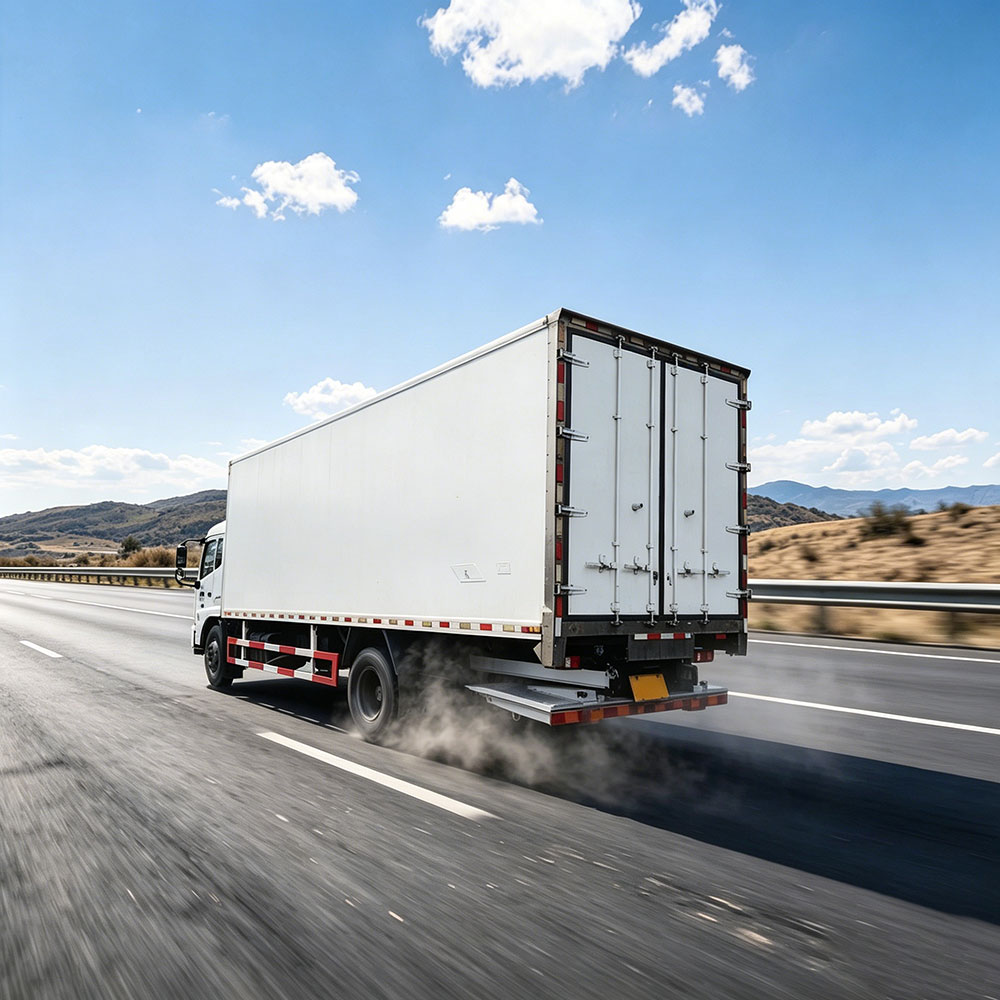
For multi-stop delivery of frozen food, fresh produce, and dairy, tuckaway tailgate and slider tailgate designs are the more common choice — for a practical reason. Because the platform stores away from the rear doors, the driver can back the vehicle directly up to a cold-storage dock without obstruction. This cuts down on how often the doors need to open. A cantilever tailgate deploys faster, but it needs retraction space that prevents a full seal against the dock. That makes it better suited to bulk refrigerated truck transport between depots rather than high-frequency cold chain vehicle deliveries with multiple stops.
Pharmaceutical Transport: A Temperature Line That Can’t Be Crossed
Pharmaceutical cold chain logistics tolerate far less delay during loading and unloading than food transport does. The Pan American Health Organization (PAHO)/World Health Organization’s cold chain guidance on vaccine cold chain management states that most vaccines need temperatures between 2°C and 8°C throughout transport. Some live-virus vaccines require the lower range of -15°C to -25°C. [Source]
This is why fleets running temperature-controlled transport treat deployment speed and door-seal quality as equally important as load capacity. This matters when they specify a delivery truck lift. In perishable goods transport scenarios like vaccine distribution, the tailgate can become a weaker link in the chain than the refrigeration unit itself.
Safety Standards and Compliance: What EN 1756 Actually Covers
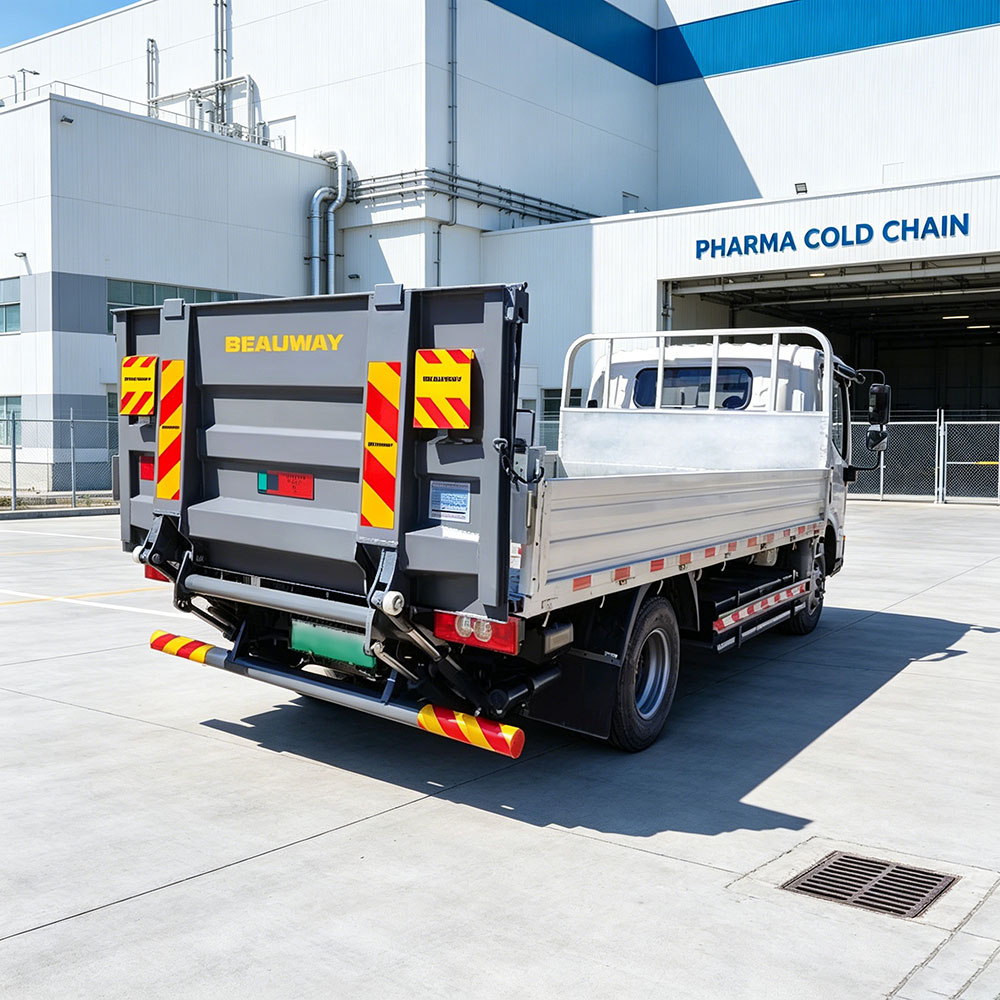
The EU’s tail lift safety standard is EN 1756-1, a verifiable harmonized European standard covering goods tail lifts. It applies to hand- or power-operated hydraulic lift platforms mounted on the front, side, or rear of a vehicle. It also sets a maximum unloaded lifting height of 3 meters (2 meters for rotary types). Products that meet this standard and carry CE certified tail lift approval typically include overload protection and anti-fall mechanisms.
A tailgate can also function as a bridge plate between the vehicle bed and a loading dock, though weight limits apply. Heavy forklifts exceeding the platform’s rated capacity should not drive directly onto it. Regardless of whether it’s a van tail lift or a box truck liftgate, operators need proper tail lift operator training. Crush injuries, falls, load instability, and overloading are inherent risks with this equipment, and fleets shouldn’t treat training as optional.
Selection Checklist
- Structural type — Multi-stop cold chain routes generally favor tuckaway or slider designs; bulk reefer truck transport may suit cantilever better.
- Load capacity — Match the rating to actual daily load ranges, not just the maximum figure.
- Sealing and low-temperature performance — Door-interface sealing and hydraulic fluid viscosity at low temperatures directly affect cold chain integrity.
- Safety certification — Confirm compliance with EN 1756-1 and request third-party test reports.
- Operator training — Whichever loading platform you choose, ensure drivers complete proper training.
Frequently Asked Questions
Are tailgate, tail lift, and liftgate the same thing? Yes. These are regional terms for the same equipment. Tail lift is more common in British English, liftgate is standard in North America, and tailgate or tailboard are more general, colloquial terms.
Which tailgate type is best for cold chain transport? For frequent multi-stop deliveries — fresh produce, dairy, or vaccine distribution — fleets generally prefer tuckaway or slider designs. For bulk depot-to-depot transport, cantilever’s faster deployment can be an advantage.
What load capacity should I look for? Standard units typically support up to 2,500 kg, some heavy-duty cantilever models approach 10 tonnes, and tuckaway/slider models commonly carry ratings around 3,000 kg. Always confirm against manufacturer specifications.
Does a tailgate need special safety certification? In the EU, compliance with EN 1756-1 and CE certification is standard, with overload protection and anti-fall devices as baseline requirements.
Conclusion
Whether you call it a tailgate, a tail lift, or a liftgate, this platform does the same job. It holds the temperature line during the few minutes of loading and unloading. When selecting one, don’t focus on load capacity alone — structural type, sealing performance, and safety certification matter just as much. Contact our technical team to find the right tailgate solution for your fleet.
Trusted by Fleet Operators Across 60+ Countries
Stop Losing Time at the Loading Dock.
Get a Custom-Matched Tail Lift Quote in 24 Hours.
60
Countries Served
24h
Quote Turnaround
99.9
Field Uptime
5.0
Customer Rating
No Obligation
CE & UKCA Certified
Standard & Custom Builds
Worldwide Shipping