Having trouble submitting? Email us directly at nicole@beaway.com and we'll get back to you within 24 hours.











Liftgate Procurement Guide: What Last-Mile Fleets Need to Know
Liftgate Procurement Guide: What Last-Mile Fleets Need to Know
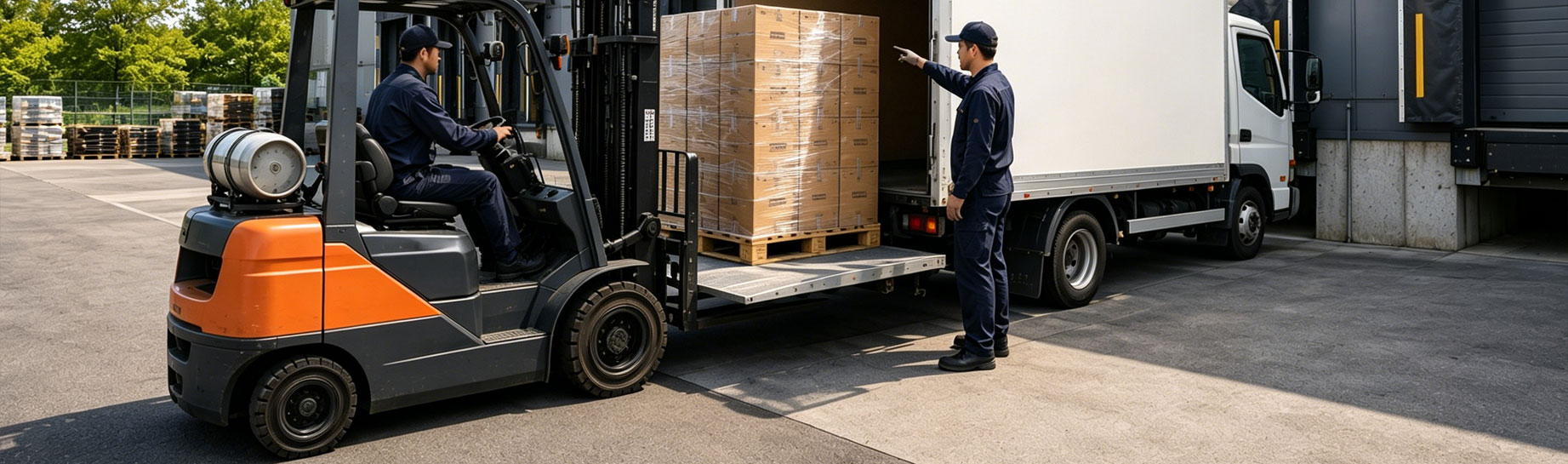
Smart liftgate procurement starts with understanding how last-mile delivery has changed. Today’s delivery van handles a job that looks nothing like it did ten years ago. Routes run denser. Parcels weigh more. Delivery windows shrink. And drivers complete the work alone.
Last-mile delivery has evolved faster than the equipment supporting it. Most fleets specified their liftgates when routes looked different, loads were lighter, and same-day delivery was still a competitive differentiator — not a baseline expectation. That mismatch now drives up stop times, injury rates, and vehicle downtime.
This article examines three structural shifts reshaping last-mile delivery. Each one changes how fleets should approach liftgate procurement today.
Shift 1: Delivery Frequency Has Outpaced Equipment Duty Cycles
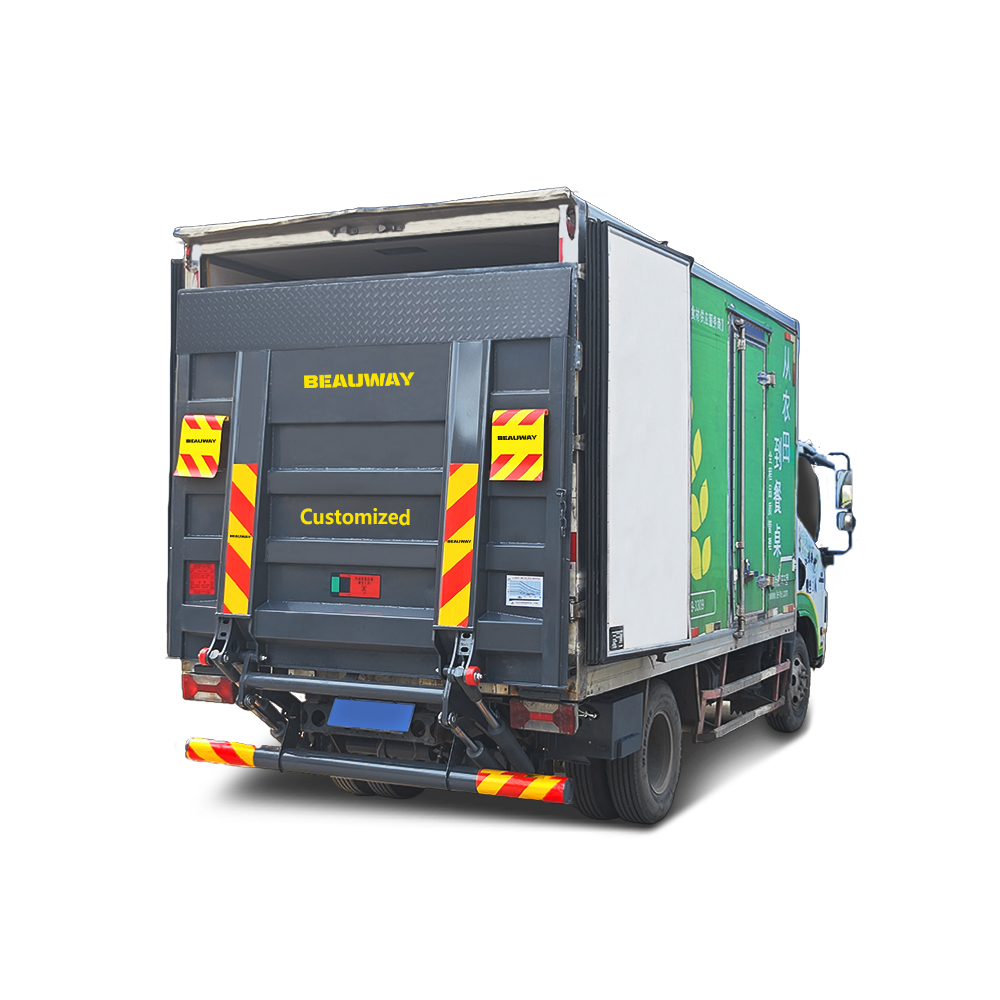
E-commerce growth has pushed individual delivery stops per route steadily higher. Urban and suburban routes now routinely hit 80 to 120 stops — up from 40 to 60 a decade ago. Dense city centers with nearby micro-fulfillment hubs push that number even further.
Why Duty Cycle Rating Matters More Than Load Capacity
This shift exposes a technical gap that fleets frequently overlook: the duty cycle rating.
Manufacturers engineer every hydraulic liftgate to handle a rated number of complete lift-and-lower cycles per day. That figure differs from the load capacity rating — yet buyers regularly confuse the two. A unit rated for 40 cycles per day does not simply slow down at 100 stops. It accumulates wear the hydraulic system, seals, and pivot points cannot sustain. The failure timeline shortens sharply.
Many fleets specified their liftgates five or more years ago, when routes were less demanding. Now those fleets run equipment past its rated daily cycle count without knowing it. The unit lifts. It lowers. But internal degradation builds — until something fails.
Practical Implication for Liftgate Procurement
Duty cycle rating deserves equal attention to load capacity during any specification review. For high-frequency urban routes, confirm this figure in writing from the manufacturer — separately from the static load spec. Request a liftgate technical specification document that clearly states both figures. Fleets managing large vehicle counts should consolidate requirements under a formal contract to keep specification standards consistent across every unit.
Shift 2: The Parcel Mix Has Gotten Heavier
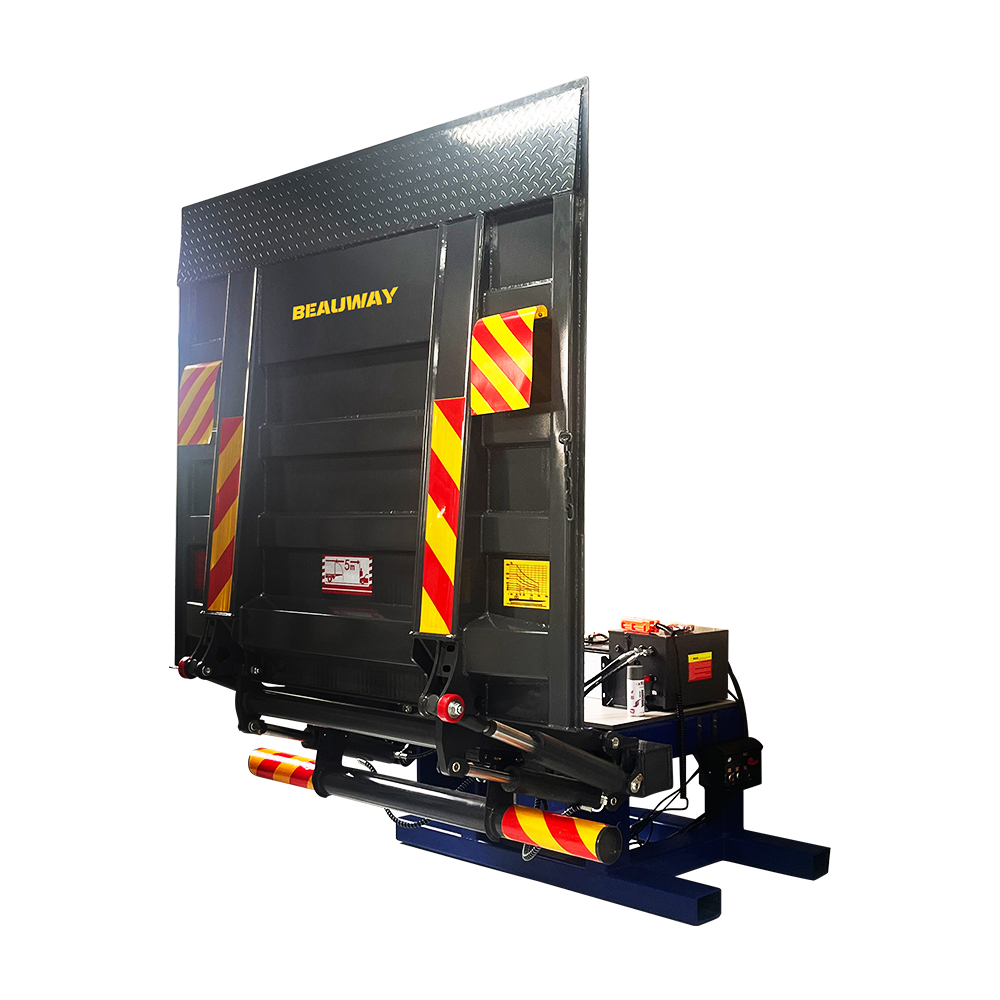
Last-mile cargo looks very different today. A decade ago, most parcels were small, light, and easy for one person to handle. That category still exists — but it now shares routes with furniture, large appliances, fitness equipment, palletized B2B restocking, and heavy consumer electronics.
Two trends drive this change. First, e-commerce has expanded into categories once bought exclusively in-store — mattresses, washing machines, exercise bikes. Second, direct-to-business delivery has grown, bringing pallet-format loads into networks built for parcels.
Fleets often miss the connection to equipment. The problem shows up as slower stop times on certain deliveries. Driver injury claims rise around specific load types. Some routes simply cannot finish within the allocated window when heavy cargo is on board.
Platform Size and Capacity: Two Specification Consequences
Platform Size
A parcel-delivery platform — typically narrower and shorter than the standard euro pallet footprint of 1,200 × 800 mm — struggles with pallet-format loads even when lift capacity is sufficient. The load does not sit cleanly, and every affected stop slows down. Fleets facing this issue should explore custom platform options tailored to their actual cargo footprint rather than defaulting to a standard catalogue size.
Capacity Headroom
Experienced operators follow a clear rule: the heaviest expected load should stay below 80% of the liftgate’s rated capacity. This buffer handles uneven weight distribution and the dynamic stress of lifting a moving load. Any fleet that moved into heavier cargo without revisiting specs has likely lost that buffer on the most demanding stops. A structured liftgate procurement review — comparing specifications across multiple suppliers — helps procurement teams find units with proper headroom without overspending.
Retrofit vs. Replacement: A Cost Consideration
Older units that still function may not need full replacement. Upgrading the platform or hydraulic components can bring performance in line with current load requirements at lower cost. Before committing, confirm that the supplier offers reliable parts supply and ongoing after-sales maintenance support. Without that, retrofit savings disappear quickly.
Shift 3: Urban Operating Constraints Are Reshaping Vehicle and Equipment Choices
Cities now impose conditions that directly affect delivery operations. Low emission zones, weight restrictions, tighter vehicle size limits in historic centers, and pressure to cut kerbside dwell time all shape which vehicles — and which liftgates — can realistically operate on urban routes.
GVW Limits, Rear Clearance, and Dwell Time: Three Urban Constraints
Vehicle Size and GVW Limits
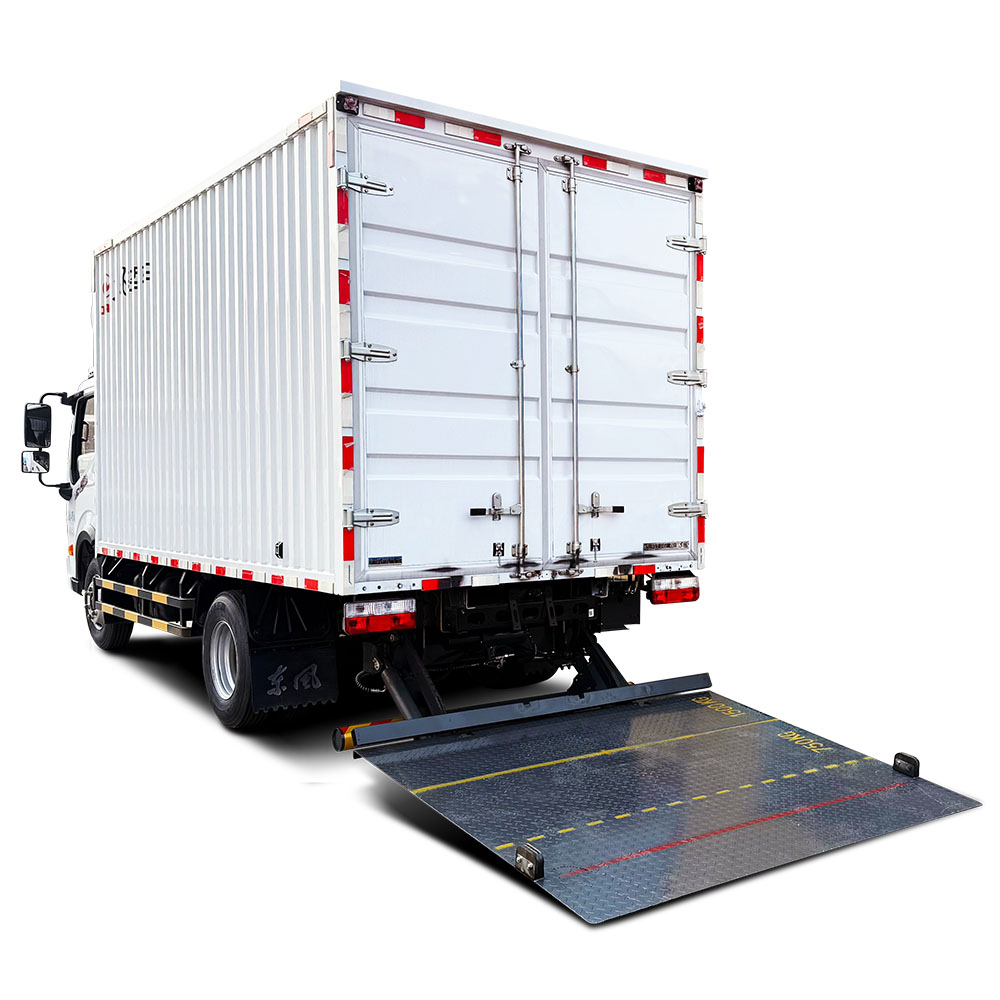
Urban access rules have pushed fleets toward smaller, lighter vehicles. Smaller vehicles carry lower gross vehicle weight ratings, which cap the liftgate weight a vehicle can support without breaching GVW limits. Heavy column lifts suited to larger trucks often fail this test for city-center vehicles. Tuckaway and cantilever configurations offer lighter alternatives at comparable platform sizes. Any unit fitted to a weight-restricted vehicle needs full certification and compliance documentation — a non-compliant installation affects the vehicle’s legal operating status.
Rear Clearance in Tight Environments
Urban stops rarely offer ideal conditions. Narrow streets, tight turns, and poorly designed loading areas create real constraints. Platform type determines how the liftgate interacts with each environment. A tuckaway design stores the platform fully under the chassis, keeping the vehicle rear clear and allowing closer positioning to kerbs or building entrances — a practical advantage in constrained urban settings.
Kerbside Dwell Time
Municipal authorities increasingly monitor how long delivery vehicles occupy loading bays. Lift cycle time — seconds per trip from ground to bed height — feeds directly into stop duration. Across 100 stops, a liftgate running 15 seconds slower per cycle adds more than 25 minutes of total kerbside time. Fleets under dwell-time pressure should treat cycle speed as a core liftgate procurement variable. A supplier with urban fleet experience can identify configurations that balance lift speed, platform weight, and GVW compliance.
Liftgate Procurement: Matching Spec to Modern Delivery
Higher stop frequency, heavier cargo, and tighter urban constraints do not point toward one universal solution. They demand a more deliberate matching process than most fleets have applied historically.
The Liftgate Procurement Question Has Changed
Previously: Does this liftgate lift the weight we need?
Now: Does it lift that weight at the required frequency — on the right platform size — within the GVW limits of the vehicles we operate?
Starting Your Liftgate Procurement: A Current-State Audit
Fleets reviewing specifications — for new orders or midcycle replacements — should start with a current-state audit. Map actual stop counts per route. Categorize the load profile by cargo type. Identify GVW constraints by operating zone. Then compare existing liftgate duty cycle ratings against actual daily cycle counts.
The gap between original specification and current operational demand is where premature wear, injury risk, and stop-time inefficiency accumulate. Closing that gap is what sound liftgate procurement practice actually delivers.
Get a Technical Proposal for Your Fleet
Reviewing liftgate procurement for your fleet? Our export sales team provides a written technical specification and FOB price quote — with full certification and compliance documentation — within 24 hours. Whether you need a custom platform order, a retrofit solution, or volume pricing, we match the right specification to your operational requirements. Contact us today.
Trusted by Fleet Operators Across 60+ Countries
Stop Losing Time at the Loading Dock.
Get a Custom-Matched Tail Lift Quote in 24 Hours.
60
Countries Served
24h
Quote Turnaround
99.9
Field Uptime
5.0
Customer Rating
No Obligation
CE & UKCA Certified
Standard & Custom Builds
Worldwide Shipping