Having trouble submitting? Email us directly at nicole@beaway.com and we'll get back to you within 24 hours.











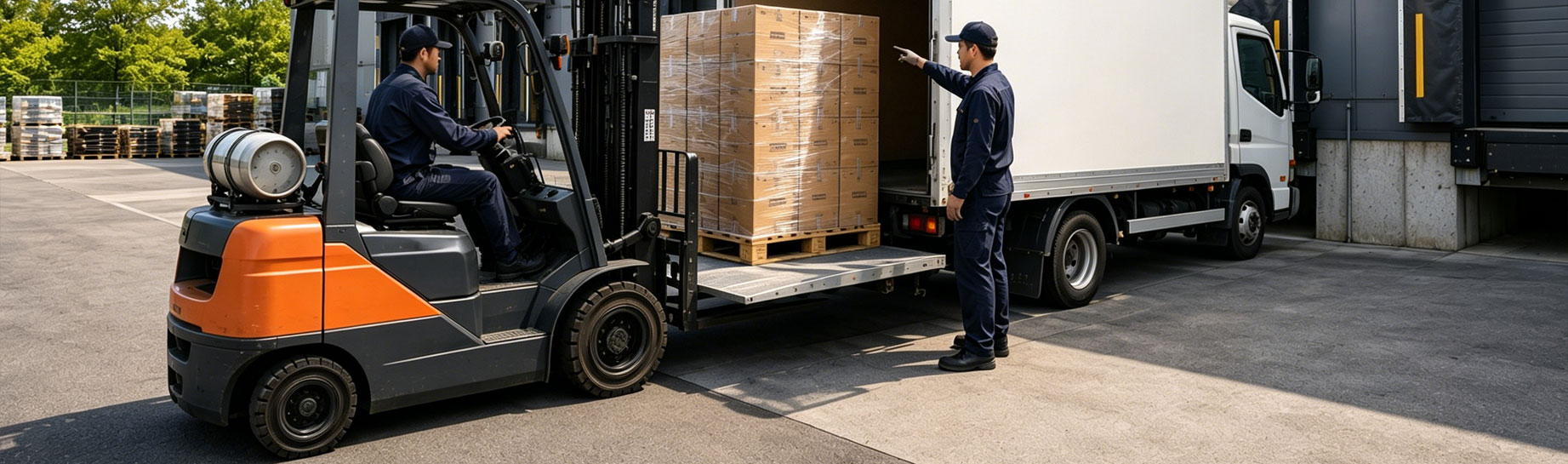
Hot Weather Hydraulic Tail Lift Guide: Oil Viscosity & Summer Maintenance
During peak summer months, many fleet operators notice their tail lift’s hydraulic system running slower and hotter, with occasional seepage at the fittings. A hot weather hydraulic tail lift behaves this way mainly because rising temperature lowers hydraulic oil viscosity, which affects the lubricating film and seal performance. This guide explains the underlying heat effects and outlines which summer maintenance checks matter most.
Fleets across the industry commonly report a similar pattern: high-frequency deliveries and continuous loading cycles through summer noticeably slow lift speed, and the reservoir area runs hotter to the touch. A rest period brings the system back to normal, only for the same symptoms to reappear during the next busy stretch. Viscosity drop and increased internal leakage under sustained heat typically drive this pattern — not a single failed component.

Why a Hot Weather Hydraulic Tail Lift Loses Performance
Hydraulic oil viscosity decreases as temperature rises — a basic physical property of mineral-based hydraulic fluid. Lower viscosity means a thinner lubricating film, reduced protection between the piston and cylinder bore, and increased internal leakage. Under the same load, the system needs a higher flow rate just to maintain lift speed, which shows up directly as sluggish or delayed response.
Sustained high temperature also accelerates seal wear. Tail lift hydraulic systems commonly use nitrile rubber (NBR) seals, and prolonged exposure to elevated oil temperature gradually reduces their elasticity and wear resistance, raising leakage risk over time.
High-frequency loading itself generates continuous friction heat. When a vehicle also sits under direct sun or near engine-bay heat sources, actual oil operating temperature can run well above ambient air temperature. This compounding effect — not any single factor alone — mainly explains why failures cluster during summer.
Hydraulic Oil Viscosity for a Hot Weather Hydraulic Tail Lift
Under standard conditions, tail lift hydraulic systems commonly use ISO VG 46 anti-wear hydraulic oil, reliable across roughly 10°C to 54°C. Hotter regions commonly call for a slightly higher viscosity grade to offset the natural thinning that occurs at high temperature — but operators should always confirm the exact grade against the equipment’s data plate or technical manual rather than choosing it based on ambient temperature alone.
The table below offers a general industry reference for background understanding only; actual configuration should follow the equipment manual.
| Ambient Temperature Range | Hydraulic Oil Viscosity Reference | Seal Material Reference | Recommended Inspection Frequency |
|---|---|---|---|
| 10°C–35°C | Standard ISO VG 46 | Nitrile Rubber (NBR) | Routine inspection |
| 35°C–45°C | Slightly higher viscosity grade — confirm exact figure with manufacturer | More heat-resistant seal material | Full inspection before peak season |
| Above 45°C / sustained direct sun exposure | Manufacturer-confirmed specialized configuration required | Manufacturer-confirmed heat-resistant sealing solution required | Shortened inspection interval, increased monitoring |
These ranges serve as general industry reference points only. Actual figures vary by equipment model and manufacturer and cannot substitute for the equipment manual.
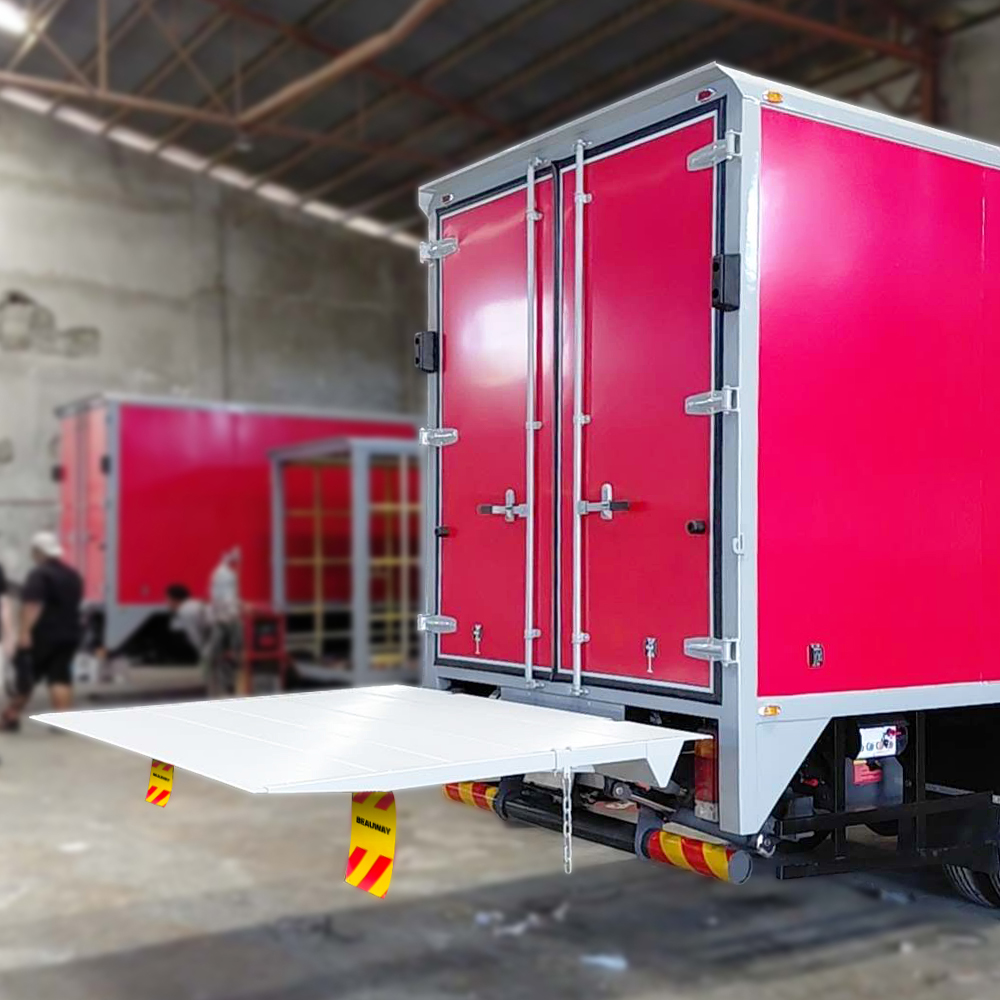
Hot Weather Hydraulic Tail Lift Failure Signals
Summer-related failure signals tend to follow recognizable patterns. Common symptoms and troubleshooting directions include:
| Symptom | Likely Cause | Recommended Action |
|---|---|---|
| Sluggish or jerky lift under full load | Reduced viscosity increasing internal leakage | Check fluid level and condition; confirm viscosity grade matches ambient temperature |
| Noticeably hot reservoir area, unusual odor | Accumulated friction heat from sustained high-frequency operation | Build in cool-down intervals between cycles; check cooling conditions |
| Seepage at piston rod or hose fittings | Accelerated seal aging under heat | Inspect seal condition; replace if necessary |
| Cloudy or foaming fluid | Heat-accelerated oxidation, or air entering the fluid | Check fluid cleanliness; inspect for air entry points |
Hot Weather Hydraulic Tail Lift Maintenance Checklist
Summer upkeep works best on the same frequency-tiered schedule that cold-climate maintenance uses:
- Before each trip: Check that fluid level sits within the gauge range and confirm the oil appears clear.
- Weekly: Inspect the piston rod surface for scratches or seepage, and listen for unusual noise during lift cycles.
- Before peak summer season: Carry out a full inspection to confirm the viscosity grade still matches seasonal conditions — rather than waiting until a problem appears.
For extended continuous full-load operation, building in cool-down intervals helps limit the risk of oil temperature climbing steadily over a shift. Fleets running daily high-frequency, heavy-duty loading cycles should review the hydraulic configuration on the Cantilever Tail Lift.
Overall, heat affects a hot weather hydraulic tail lift mainly through two linked mechanisms: viscosity drop and seal aging, which together drive the failure clustering seen in summer. Local peak summer temperatures, operating frequency, and actual oil operating temperature — not ambient air temperature alone — should determine whether a specific adjustment is needed. Operators should weigh their own fleet’s operating conditions against this guidance and verify specific parameters against the equipment manual.
FAQ
Q: Why does a hot weather hydraulic tail lift slow down?
A: Rising oil temperature lowers hydraulic fluid viscosity, increasing internal leakage and thinning the lubricating film. The system then needs a higher flow rate to maintain the same lift speed, which shows up as sluggish response.
Q: Can hot weather damage a tail lift’s seals?
A: Prolonged exposure to elevated oil temperature gradually reduces seal elasticity and wear resistance, raising leakage risk over time — though the actual rate of wear depends on seal material and duty intensity.
Q: What hydraulic oil viscosity is recommended for hot climates?
A: ISO VG 46 anti-wear hydraulic oil is standard for most conditions. Sustained high heat or high-frequency operation may call for a slightly higher viscosity grade — confirm the exact figure against the equipment’s data plate or manual.
Q: How often should hydraulic fluid be checked during summer?
A: Check fluid level and clarity before each trip, inspect seals and hoses weekly, and complete a full inspection before peak summer season rather than waiting for a problem to appear.
Trusted by Fleet Operators Across 60+ Countries
Stop Losing Time at the Loading Dock.
Get a Custom-Matched Tail Lift Quote in 24 Hours.
60
Countries Served
24h
Quote Turnaround
99.9
Field Uptime
5.0
Customer Rating
No Obligation
CE & UKCA Certified
Standard & Custom Builds
Worldwide Shipping