Having trouble submitting? Email us directly at nicole@beaway.com and we'll get back to you within 24 hours.











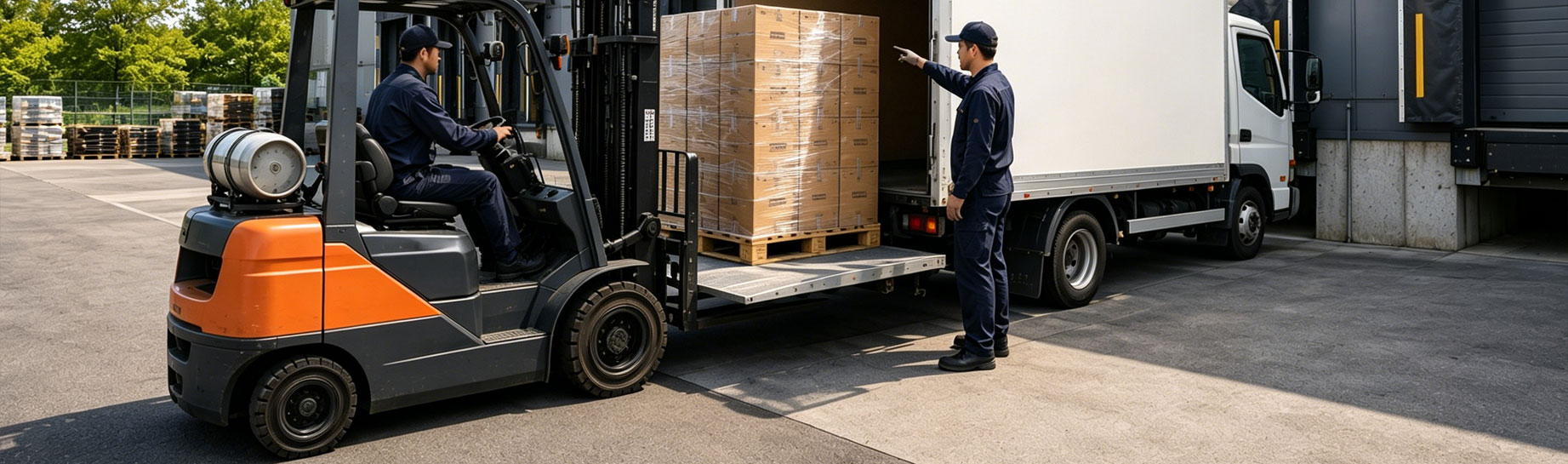
Tail Lift Sizing Guide: How to Measure for the Right Truck Liftgate
Tail Lift Sizing Guide: How to Measure for the Right Truck Liftgate
Correct tail lift sizing starts with matching the equipment to the vehicle and cargo it serves. Choosing the wrong size — a platform too small, a capacity too low, or a lift height that doesn’t clear the truck bed — turns a productivity tool into a daily bottleneck. Before comparing models, know exactly what to measure and why each measurement matters.
Industry-wide, a common scenario looks like this: a fleet operator picks a tail lift based on price or availability. They skip measuring the truck body or the heaviest item it regularly carries. The unit gets installed. Within weeks, the platform proves too narrow for pallets, or the rated capacity sits too close to the actual load weight for comfortable daily use. Correcting this after installation costs far more than measuring correctly the first time.
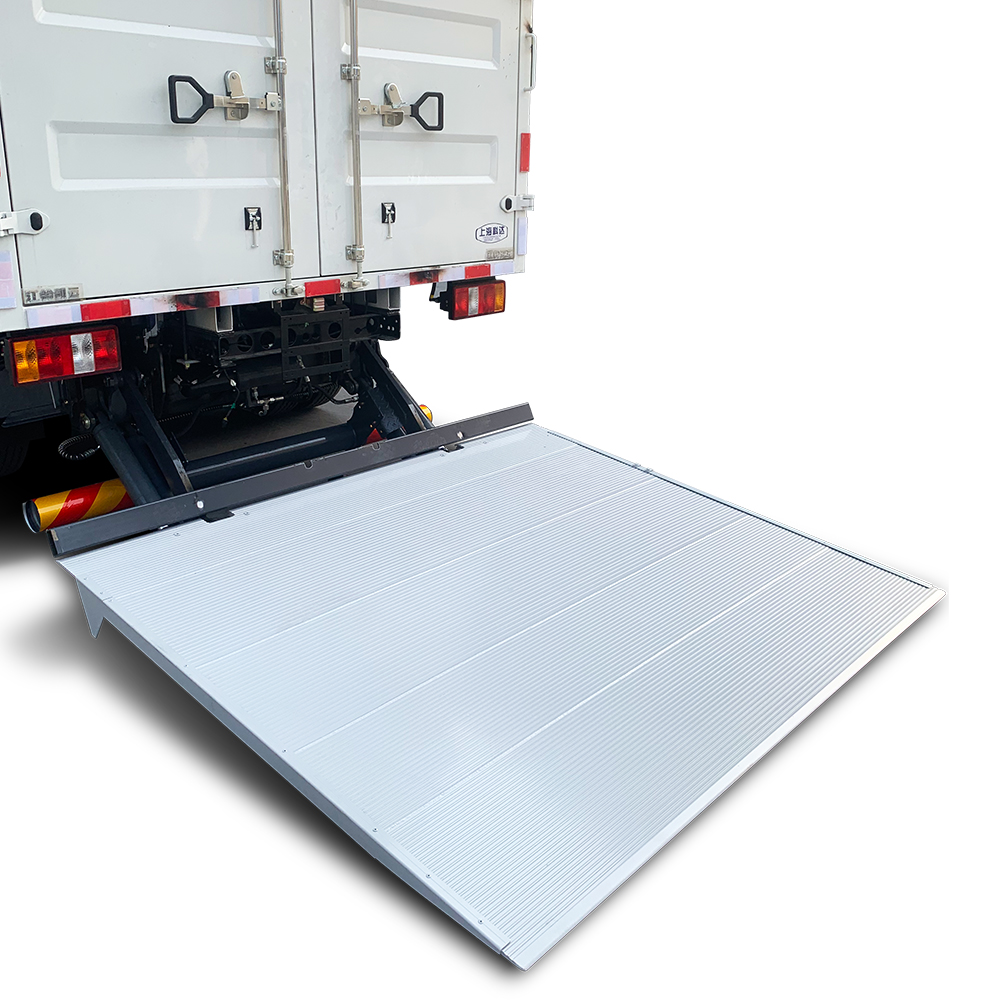
Hydraulic Tail Lift Types and How They Affect Sizing
Not all liftgates are built the same way. The type of tail lift changes which measurements matter most for accurate tail lift sizing.
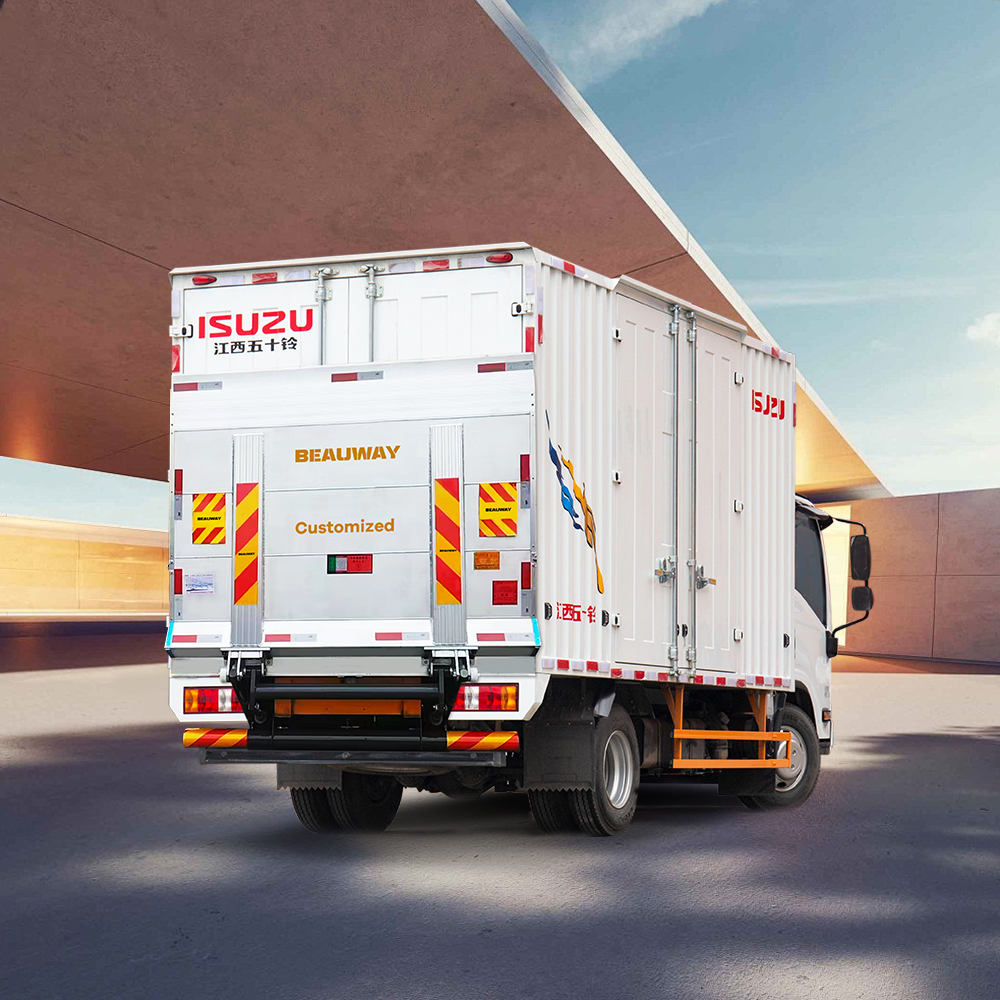
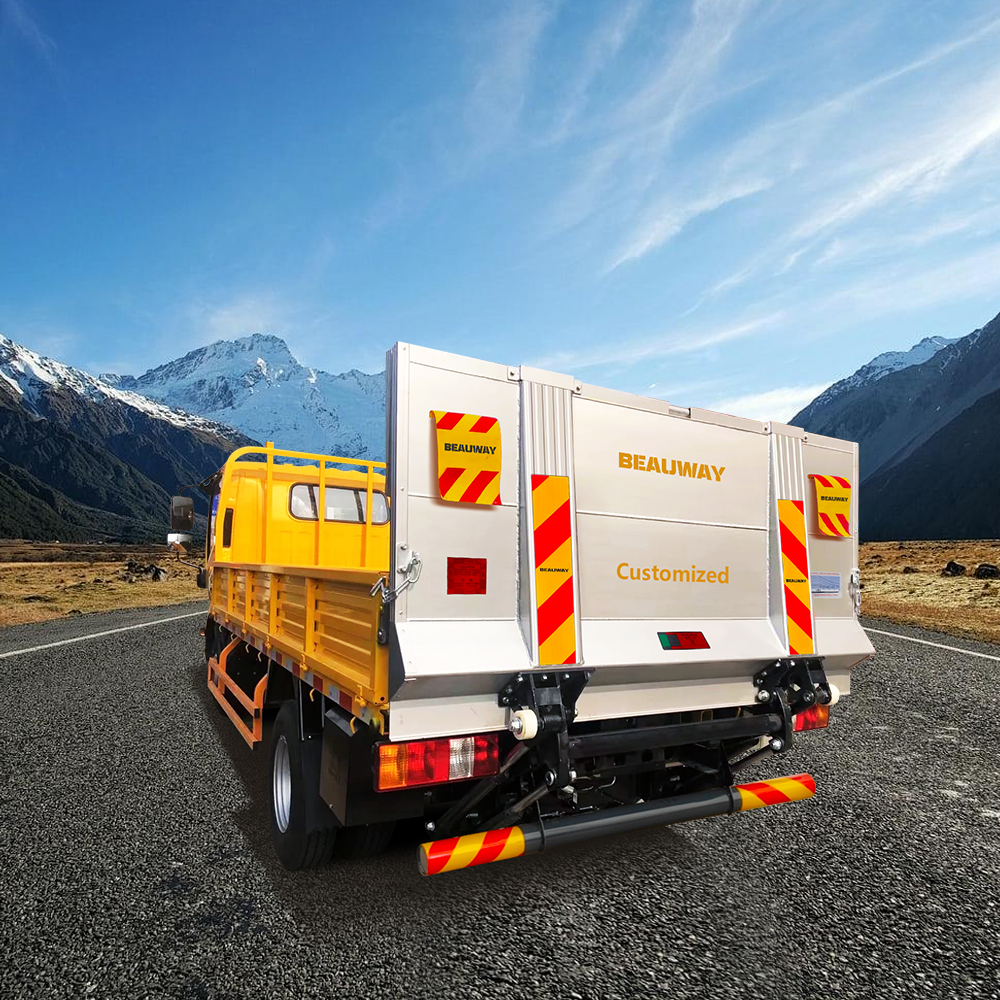
A cantilever tail lift mounts at the rear of the vehicle and folds up against the body when not in use. It’s common on box trucks. It suits heavier, frequent-use applications because the platform stays fully supported when extended.
A folding tail lift saves space: the platform folds in sections instead of swinging as one piece. This makes it practical for vehicles with limited rear clearance or tight parking environments.
Vertical and concealed configurations also exist. Each trades off platform size, stowed footprint, and rear visibility differently. Before measuring, confirm which configuration fits the vehicle’s body style and operating pattern. This choice determines the available mounting space and, in turn, realistic platform dimensions.
Van tail lifts deserve a separate mention. Smaller commercial vans have less rear structural depth to mount hydraulics against. Sizing for a van typically means choosing from a narrower range of compact, lighter-duty liftgate models compared to a full box truck.
Measuring the Truck for Tail Lift Sizing
The vehicle itself sets the outer limits for tail lift sizing — it determines what platform can physically be installed. Four measurements matter most:
| Measurement | What It Determines |
|---|---|
| Body/chassis length at the rear | Maximum usable platform length |
| Body width | Maximum platform width and pallet compatibility |
| Rear chassis/frame width | Mounting bracket fit and structural support |
| Ground-to-bed height | Required lift height and cylinder stroke |
Measure body length and width at the rear opening, not the vehicle’s overall exterior dimensions. Door frames and wheel arches often narrow the usable space. Measure ground-to-bed height with the vehicle at normal load, not empty. Suspension height shifts slightly under cargo weight, which affects how far the platform needs to travel.
Chassis width matters even when it isn’t the limiting factor for platform size. Mounting brackets for a hydraulic tail lift need adequate rear frame width for a secure, code-compliant installation. A liftgate that’s structurally correct for the cargo but poorly matched to the chassis width can create long-term stress on the mounting points.
Matching Cargo Dimensions to Tail Lift Platform Size
Once you know the truck’s constraints, measure what actually gets loaded — not the occasional item, but a typical day’s cargo.
Length and width: Measure the largest item or pallet regularly transported. The platform should comfortably exceed these dimensions, not just match them. A platform sized to the exact edge of the cargo leaves no margin for uneven stacking or off-center loading.
Height clearance: Confirm enough vertical space between the platform and the truck body roofline (if applicable) for the tallest regular load. Account for the lift’s own operating clearance too.
Weight: This figure determines rated capacity, covered in the next section. Note the heaviest regular load, not the average one — undersizing capacity for peak loads is one of the more common and costly sizing mistakes.
A correctly sized platform also affects daily loading efficiency. A wider platform lets a pallet jack maneuver. A platform sized too close to the minimum forces slower, more careful manual handling on every cycle.
Calculating Tail Lift Capacity
Rated capacity is the maximum weight a tail lift platform is certified to lift safely. It needs a margin above the actual expected load, not an exact match.
Standard, off-the-shelf hydraulic tail lifts commonly cover a capacity range from roughly 500 kg for lighter van applications to around 2,000 kg for heavy-duty box truck use. Capacity typically depends on motor power, cylinder count, and platform construction. Steel platforms generally support higher capacities than aluminum at a given size, though aluminum reduces overall vehicle weight. Requirements beyond this standard range — for unusually heavy or oversized loads — typically move into custom-engineered solutions rather than catalog models.
| Typical Use Case | General Capacity Range |
|---|---|
| Light parcel/last-mile delivery (van) | 500 kg – 1,000 kg |
| Retail and general freight | 1,000 kg – 1,500 kg |
| Heavy-duty industrial/construction (standard range) | 1,500 kg – 2,000 kg |
| Loads exceeding standard capacity | Typically requires custom engineering |
A widely used industry rule of thumb: select a rated capacity with meaningful headroom above the heaviest expected load, rather than sizing to the exact anticipated weight. This protects against measurement error, uneven load distribution, and gradual mechanical wear over the unit’s service life. The exact safety margin varies by manufacturer and application. Check the specific manufacturer’s rated documentation for the model under consideration to confirm the number for a given unit.
Installation and Mounting Considerations
Tail lift installation isn’t purely a sizing exercise — it also depends on how the unit integrates with the vehicle’s existing structure.
Electrical requirements (commonly 12V or 24V systems depending on vehicle class) need to match the truck’s onboard power. Mounting brackets need to align with the chassis’s structural rails. Confirm chassis width and frame condition before ordering, not after the unit arrives.
Ground clearance during transit is another factor. A platform that folds correctly for storage but sits too low when stowed risks contact with uneven terrain or speed bumps. Check this against the vehicle’s normal operating routes.
Professional installation is standard practice for hydraulic tail lift systems. The structural mounting work demands it, and commissioning typically includes verifying that the platform lifts evenly and within its rated capacity before the vehicle returns to service.
Frequently Asked Questions
Q: How do I know what size tail lift I need?
A: Measure the truck’s rear body width and length, the ground-to-bed height, and the largest cargo item regularly transported. These four figures are the foundation of accurate tail lift sizing before comparing specific models.
Q: What’s the difference between a tail lift and a liftgate?
A: The terms are largely interchangeable in commercial vehicle contexts. “Tail lift” is more common in European and international usage, while “liftgate” is more common in North America — both refer to the same hydraulic loading device mounted at the rear of a truck or van.
Q: Can a tail lift be too big for a truck?
A: Yes. An oversized platform can extend beyond the vehicle’s rear frame, creating clearance or legal road-width issues. An oversized capacity unit typically adds unnecessary weight and cost without operational benefit.
Q: Do van tail lifts have lower capacity than truck tail lifts?
A: Generally, yes. Vans have less structural depth for mounting hydraulics, so van tail lift models are typically concentrated in the lighter end of the capacity range compared to box truck configurations.
Q: What happens if my load exceeds 2,000 kg?
A: Standard catalog tail lift models generally top out around 2,000 kg. Loads beyond that threshold usually require a custom-engineered lift, sized and rated to the specific vehicle and cargo requirements rather than selected from a standard model range.
Conclusion
Tail lift sizing comes down to four figures: the truck’s rear body dimensions, ground-to-bed height, the largest regular cargo dimensions, and the heaviest regular load weight. Compare these figures against a prospective tail lift platform’s rated dimensions and capacity, allowing reasonable margin rather than an exact match. This is the most reliable way to confirm compatibility before ordering. For loads within the standard 500–2,000 kg range, a catalog model is usually sufficient; for anything heavier, a custom solution is the more realistic path. Readers evaluating a specific tail lift supplier or manufacturer’s model lineup can use these same four measurements as a checklist against any published specification sheet.
Trusted by Fleet Operators Across 60+ Countries
Stop Losing Time at the Loading Dock.
Get a Custom-Matched Tail Lift Quote in 24 Hours.
60
Countries Served
24h
Quote Turnaround
99.9
Field Uptime
5.0
Customer Rating
No Obligation
CE & UKCA Certified
Standard & Custom Builds
Worldwide Shipping