Having trouble submitting? Email us directly at nicole@beauway.com and we'll get back to you within 24 hours.











Tail Lift Hydraulic Fluid Guide: Type, Amount & Change Interval
Tail Lift Hydraulic Fluid Guide: Type, Amount, When to Change
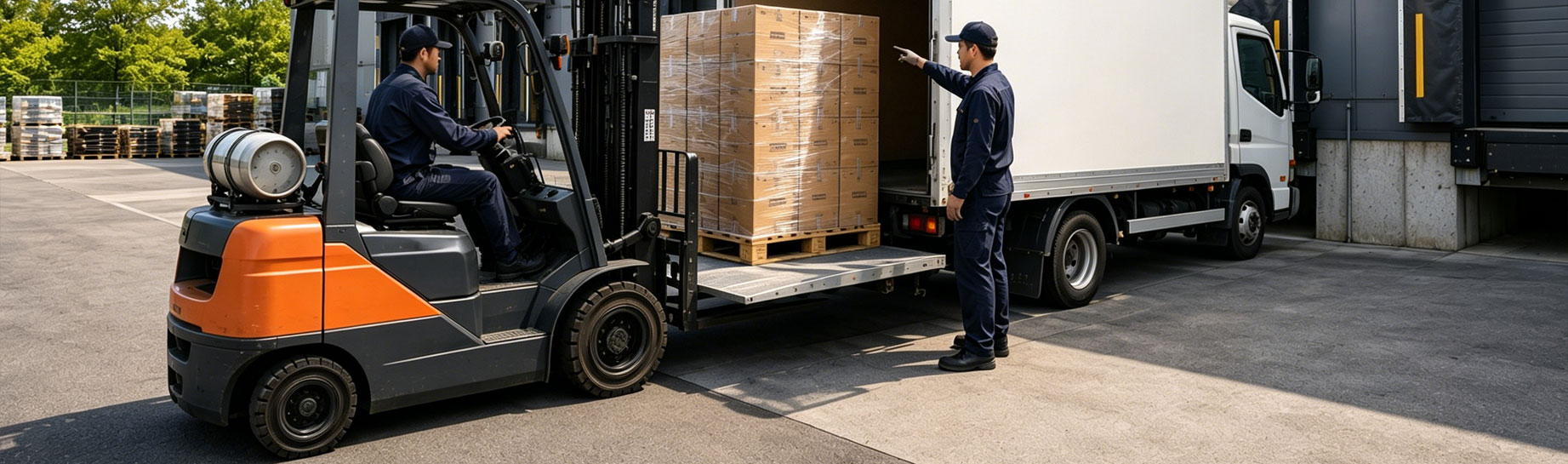
Tail lift hydraulic fluid is the medium that transfers pump pressure into lifting force. Choosing the wrong grade, running the reservoir low, or skipping a scheduled fluid change is one of the most common reasons a platform slows down or stops mid-cycle. This guide covers fluid type, correct fill volume, and a realistic hydraulic fluid change interval for daily fleet operation.
A Common Field Scenario
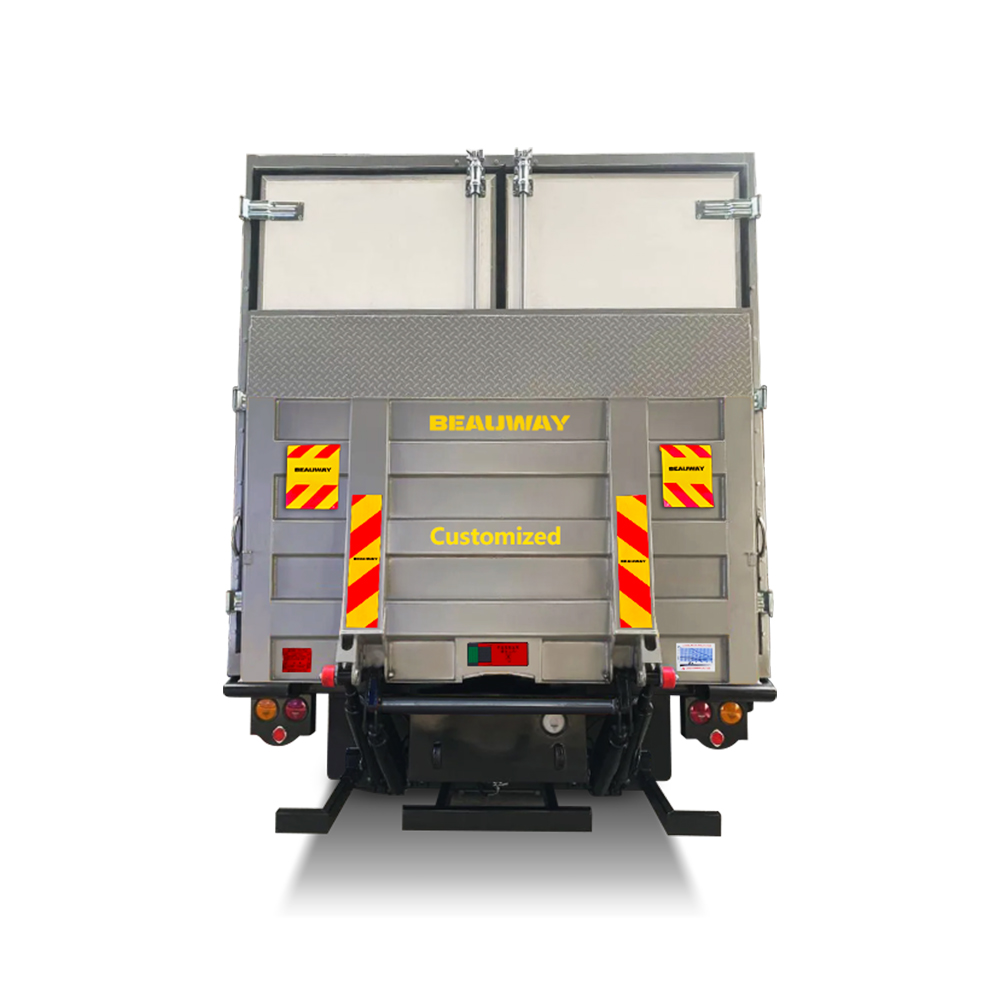
A common scenario reported by fleet operators involves a tail lift that lowers normally but struggles to lift a full pallet load. The pump runs, yet the platform rises in short jerks instead of one smooth motion. In most of these cases, a workshop inspection traces the issue back to low or aerated hydraulic fluid rather than a failing pump or motor. Once the fluid is topped up and bled correctly, lift speed and load stability return to normal. This pattern shows why fluid condition deserves the same routine attention as brakes or tyres on a commercial vehicle.
What Type of Hydraulic Fluid Does a Tail Lift Need?
A tail lift hydraulic fluid must match the pump seals, ambient operating temperature, and the manufacturer’s viscosity specification. Most liftgate systems use a mineral-based hydraulic oil rated ISO VG 32 or ISO VG 46, depending on climate. Colder regions generally call for a lower viscosity grade so the fluid still flows freely at low temperatures. Warmer regions can tolerate a slightly higher viscosity without excessive thinning under heat.
Biodegradable hydraulic oil is increasingly specified for refrigerated delivery fleets and food logistics operators. These fluids reduce environmental risk if a hose fitting fails during a delivery run. However, biodegradable fluid is not automatically interchangeable with mineral oil. Seals and pump internals must be compatible with the chosen chemistry before switching fluid families.
The internationally recognised classification for these products comes from <cite index=”5-1″>ISO’s detailed classification of fluids of Family H, covering hydraulic systems within the broader class of lubricants and industrial oils</cite>. Referencing this classification helps a workshop confirm that a replacement oil actually matches the original specification rather than just the viscosity number on the label.
Quick Reference: Fluid Type by Use Case
| Use Case | Typical Fluid Type | Viscosity Grade |
|---|---|---|
| General road transport, temperate climate | Mineral hydraulic oil | ISO VG 32–46 |
| Cold-climate or winter operation | Mineral hydraulic oil, low-pour-point | ISO VG 22–32 |
| Refrigerated/food logistics | Biodegradable (HEES/HETG) hydraulic oil | ISO VG 32–46 |
| High-cycle, heavy-duty operation | Mineral hydraulic oil, anti-wear additive | ISO VG 46–68 |
This table is a general guide only. The tail lift manufacturer’s plate or service manual always takes priority over generic viscosity charts.
Tail Lift Fluid Capacity and Reservoir Guidelines
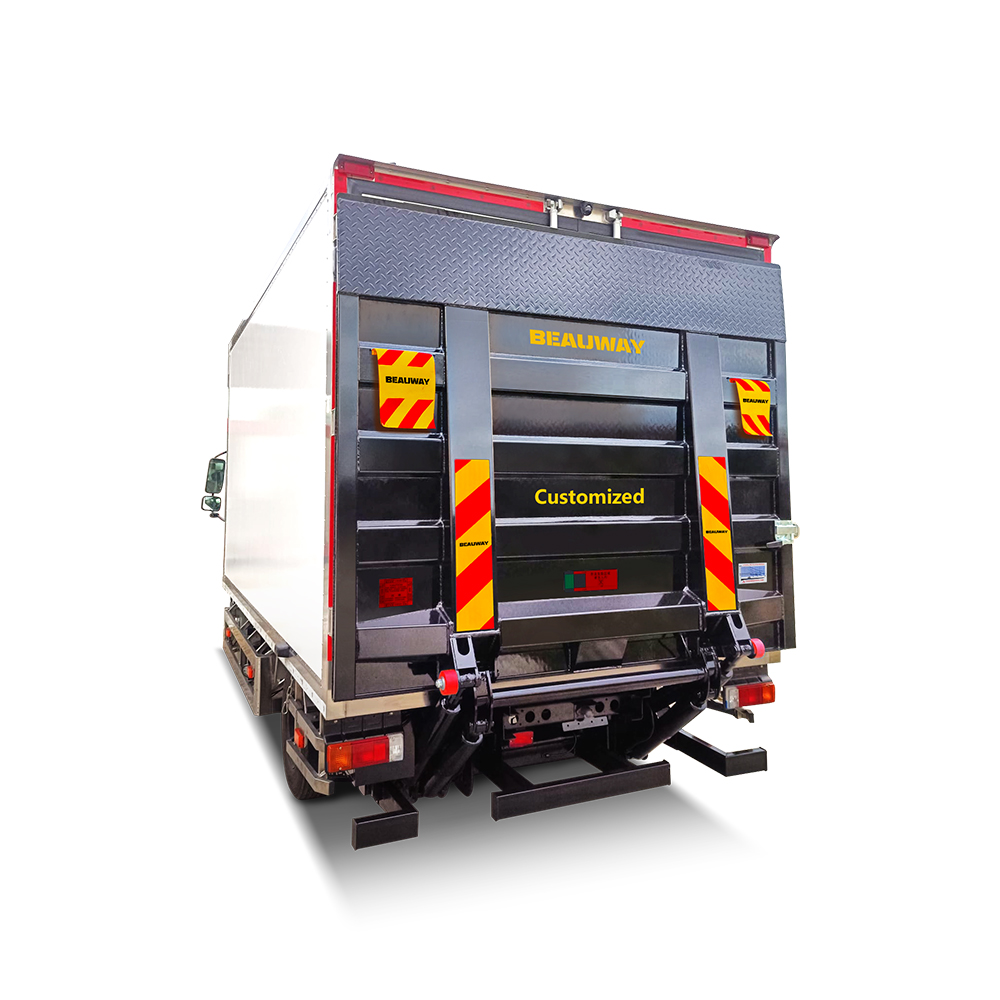
Reservoir size varies by lift model and load capacity, so there is no single universal fill volume. As a general reference, small tuckaway units often hold roughly 2–4 litres, while larger column or cantilever systems on heavier trucks can hold 6–10 litres or more. Operators should always confirm exact tail lift fluid capacity against the dataplate or manual rather than relying on generic figures.
A correct hydraulic oil reservoir level sits between the minimum and maximum marks with the platform fully lowered. Checking the level in this resting position avoids a false high reading caused by fluid held in the ram during operation. For fleets running mixed model years, keeping a simple reference chart of capacity by model reduces the risk of overfilling or underfilling during a routine top up.
When to Change Tail Lift Hydraulic Fluid
The standard hydraulic fluid change interval for most commercial tail lifts falls between 1,000 and 2,000 operating hours, or roughly every 12 to 24 months, whichever comes first. As a result, high-cycle operations such as parcel depots or supermarket distribution routes typically need more frequent changes than lower-usage fleets.
Seasonal conditions also affect this interval. Vehicles operating through repeated freeze-thaw cycles or in dusty, high-particulate environments benefit from shortened change intervals. In addition, any fluid that has visibly darkened, developed a burnt odour, or shows milky discoloration from water ingress should be changed immediately, regardless of the scheduled date.
Check item, standard, and frequency for a typical maintenance programme:
| Check Item | Standard/Reference Point | Recommended Frequency |
|---|---|---|
| Fluid level (platform lowered) | Between min/max reservoir marks | Every pre-trip inspection |
| Fluid clarity and colour | Clear to light amber, no cloudiness | Monthly visual check |
| Hydraulic oil filter condition | Per manufacturer service manual | Every fluid change |
| Full fluid replacement | Manufacturer-specified interval | 1,000–2,000 hours or 12–24 months |
| Hose and seal inspection for leaks | No visible seepage at fittings | Every scheduled service |
Signs of Low, Contaminated, or Overheating Fluid
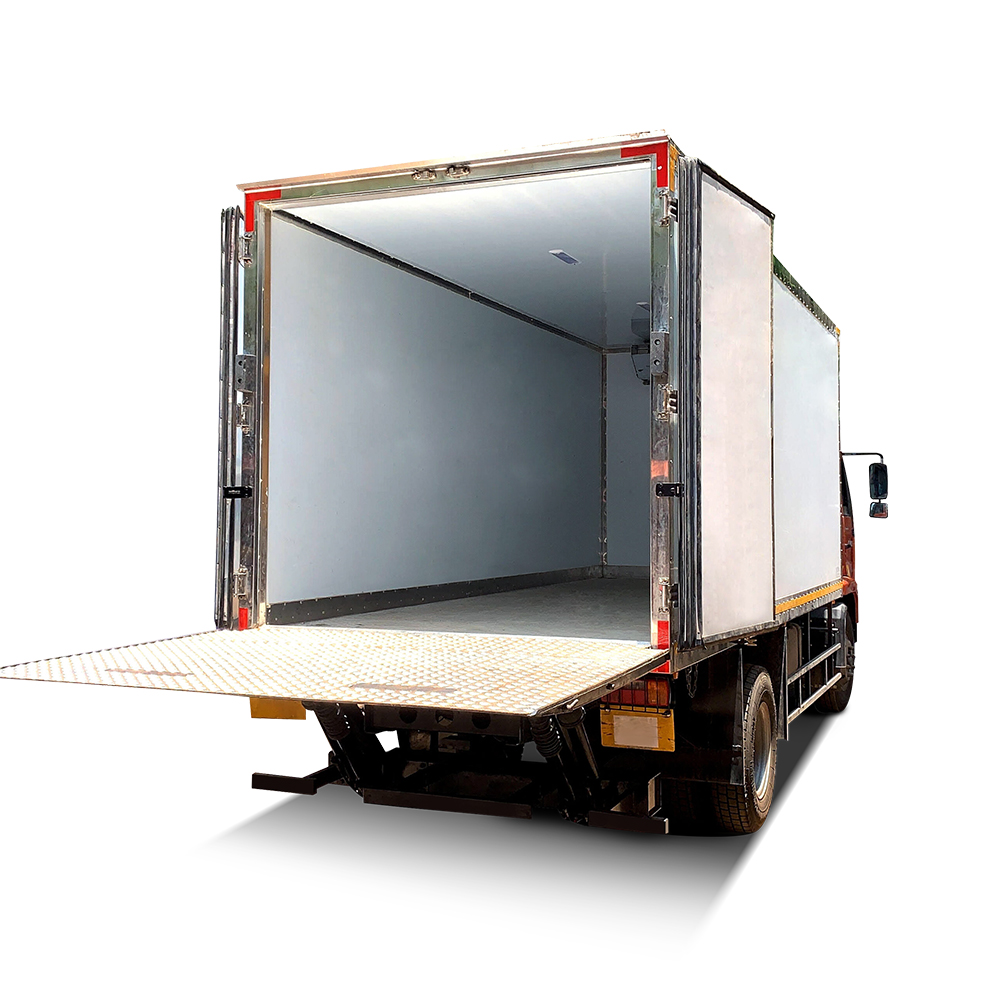
Recognising a tail lift fluid problem early prevents a roadside breakdown. The table below outlines common symptoms, likely causes, and the recommended action.
| Symptom | Likely Cause | Action |
|---|---|---|
| Jerky or hesitant lifting motion | Low hydraulic fluid or trapped air | Top up fluid, bleed the system |
| Slow lift or lower speed | Contaminated or degraded fluid | Check clarity, schedule fluid change |
| Fluid leak signs at hose fittings | Worn seals or loose connections | Tighten fittings, replace seals if needed |
| Milky or cloudy fluid | Water ingress into reservoir | Drain, flush, and replace fluid |
| Overheating pump or hot fluid smell | Wrong viscosity grade or overwork | Verify fluid spec, reduce duty cycle, service pump |
Therefore, a five-minute visual check before each shift catches most of these issues before they escalate into an unplanned service call. Fleet technicians commonly pair this with the broader inspection routine described in a tail lift maintenance checklist, which covers hydraulic components alongside structural and electrical checks.
Topping Up, Changing, and Disposing of Fluid Correctly
Topping up hydraulic fluid is straightforward, but a few habits protect the system long term. Always use the fluid type specified by the manufacturer, since mixing incompatible oils can degrade seals over time. Wipe the fill port area before opening it, since dirt entering the reservoir is a leading cause of pump wear.
A full fluid change typically involves draining the reservoir, replacing the hydraulic oil filter, refilling to the correct level, and bleeding air from the ram. Many operators handle routine top-ups in-house but schedule the full change through a qualified technician, particularly on systems still under warranty. Used hydraulic fluid is classed as industrial waste in most jurisdictions and must be disposed of through a licensed handler rather than poured into general waste.
For operators comparing options, folding tail lift and column lift platforms generally use similar hydraulic fluid principles, though reservoir placement and access points differ by design. Reviewing the specific folding tail lift options available for a given chassis helps match serviceability to the fleet’s maintenance routine.
Frequently Asked Questions
How often should tail lift hydraulic fluid be changed? Most manufacturers recommend a full change every 1,000–2,000 operating hours, or every 12–24 months. High-cycle fleets and vehicles in harsh climates should follow the shorter end of that range to avoid contamination-related faults.
What hydraulic oil viscosity does a liftgate need? Most tail lifts use ISO VG 32 or ISO VG 46 mineral hydraulic oil, though the exact grade depends on climate and pump design. Always check the dataplate or manual before topping up or changing fluid.
Why does a tail lift lift slowly after a long idle period? Cold, thickened fluid is a common cause, especially with the wrong viscosity grade for the climate. Contaminated or low fluid can produce a similar symptom, so a level and clarity check is the first diagnostic step.
Can biodegradable hydraulic fluid be used in any tail lift? Not automatically. Biodegradable fluid chemistry must be compatible with existing seals and pump materials. A technician should confirm compatibility before switching from mineral oil to a biodegradable alternative.
Closing Note
Hydraulic fluid condition has a direct effect on tail lift reliability, lifting speed, and long-term pump life. Regular level checks, correct fluid selection, and a realistic change interval reduce downtime far more effectively than reactive repairs. This guide draws on standard commercial tail lift maintenance practice and manufacturer service documentation rather than any single product line.
Author: Mark Ellison, Commercial Vehicle Maintenance Consultant. Mark has spent 14 years advising fleet operators on tail lift, liftgate, and hydraulic system upkeep across Europe. Beauway develops tail lift systems for commercial vehicles, including folding, cantilever, and column configurations designed for daily fleet operation.
Trusted by Fleet Operators Across 60+ Countries
Stop Losing Time at the Loading Dock.
Get a Custom-Matched Tail Lift Quote in 24 Hours.
60
Countries Served
24h
Quote Turnaround
99.9
Field Uptime
5.0
Customer Rating
No Obligation
CE & UKCA Certified
Standard & Custom Builds
Worldwide Shipping