Having trouble submitting? Email us directly at nicole@beauway.com and we'll get back to you within 24 hours.








Tail Lift Shipping Terms Explained: FOB vs EXW vs DDP for Buyers
Buying a tail lift from an overseas supplier is straightforward. Understanding tail lift shipping terms is often the harder part. FOB, EXW, and DDP each shift cost and risk to a different point in the journey, and choosing the wrong one can mean discovering unexpected freight charges or customs fees only after the goods arrive. This guide breaks down what these three terms mean for a buyer during tail lift import.
In simple terms, tail lift shipping terms refer to Incoterms — a set of internationally recognized rules that define who is responsible for freight, insurance, and customs clearance at each stage of transport.
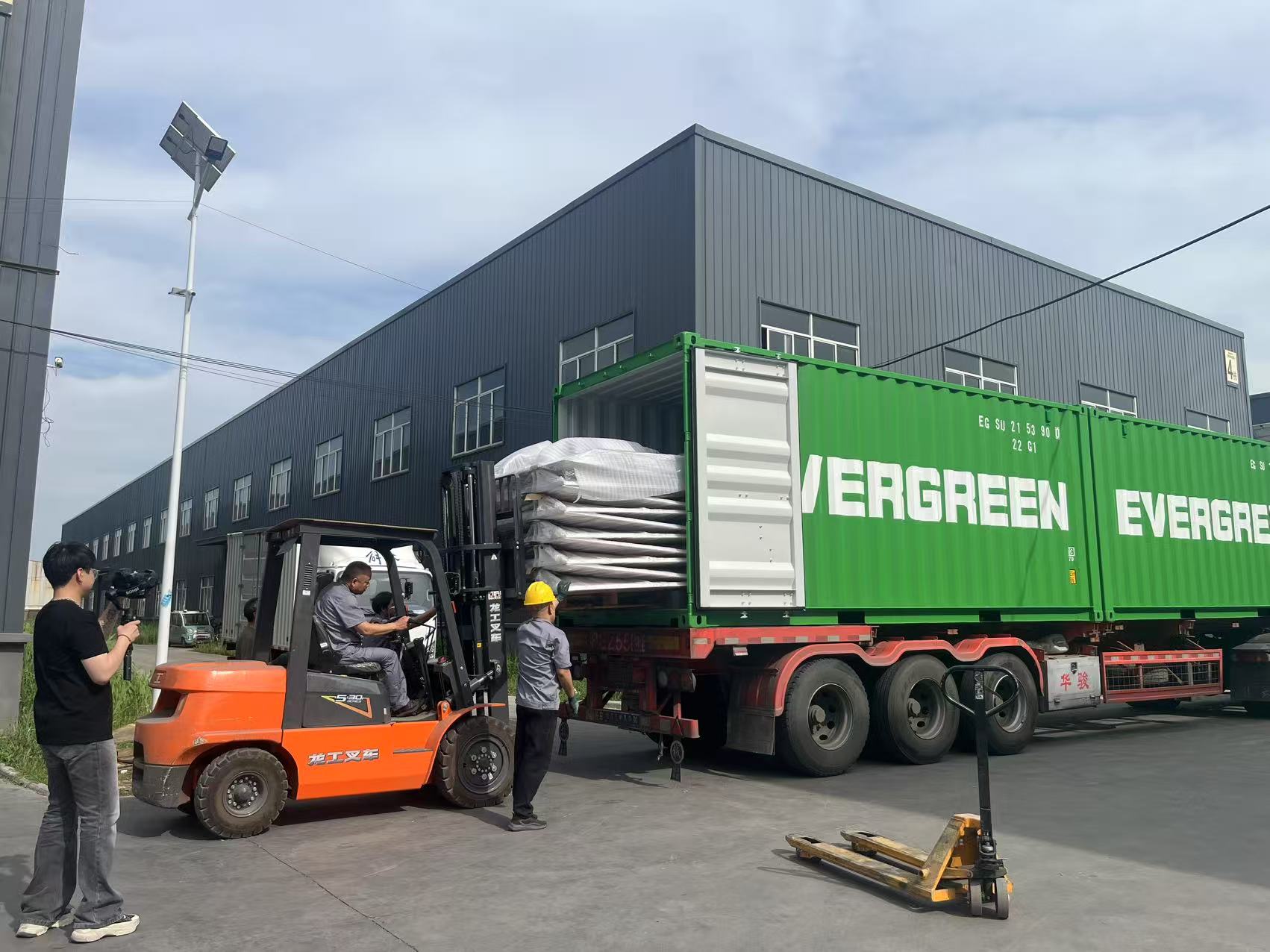
A Common Scenario: Confusion Over Shipping Terms
A fleet operator ordering a hydraulic tail lift under EXW terms may later discover that export clearance, inland transport, and ocean booking are all their own responsibility — costs they had assumed were already included in the quote. This kind of issue usually comes from unclear shipping terms at the quotation stage rather than a supplier error. A similar situation often arises for buyers attempting how to import tail lift from China for the first time, when they underestimate the scope of responsibility they are taking on.
What Are Incoterms, and Why Do They Matter for Tail Lift Shipping
Incoterms are published and periodically updated by the International Chamber of Commerce (ICC) and serve as the globally recognized standard for trade terms, defining exactly where risk transfers during shipment. When evaluating an incoterms tail lift quote, buyers should first confirm which version of the terms applies (such as Incoterms 2020) rather than comparing total prices alone. For the official explanation of these terms, see the ICC’s Incoterms 2020 overview.
EXW Tail Lift: Lowest Price, Highest Buyer Responsibility
Under EXW (Ex Works), the supplier is only responsible for making the goods available. Everything else — loading, export clearance, tail lift ocean freight, and import clearance — falls to the buyer. This term usually produces the lowest quoted price, but the tail lift landed cost often rises because the buyer takes on more stages of the process. For buyers without international logistics experience, tail lift shipping risk is comparatively higher under EXW.
FOB Tail Lift: The Most Common Term for Ocean Freight
FOB (Free on Board) is one of the most common terms used in tail lift export shipping. The supplier delivers the goods to the named port and handles loading and export clearance, with risk transferring to the buyer once the goods pass the ship’s rail. So the answer to who pays freight FOB is: the buyer covers ocean freight from the port of loading to the destination port, along with everything that follows. Most tail lift wholesale shipping deals use FOB, since it balances cost transparency with practical ease.
DDP Tail Lift: Full-Service Delivery, Higher Upfront Cost
Under DDP (Delivered Duty Paid), the supplier arranges delivery to the buyer’s specified location and handles all customs clearance and duty payment, leaving the buyer only to receive the goods. This approach tends to suit buyers new to machinery import incoterms, though the overall quote is usually higher than FOB or EXW, since freight, insurance, and duties are already built into the price.
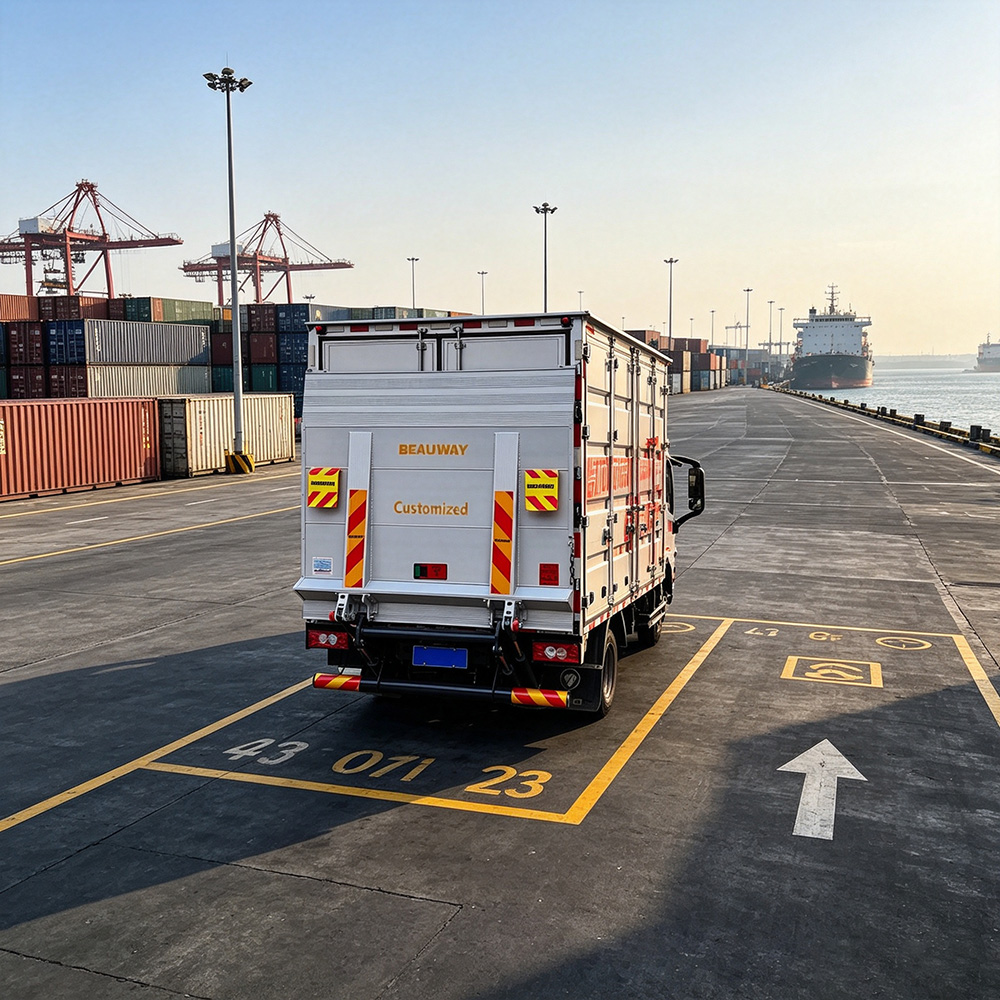
Comparing FOB vs EXW vs DDP
| Term | Who Arranges Transport | Who Handles Customs | Risk Transfer Point | Best Suited For |
|---|---|---|---|---|
| EXW | Buyer arranges everything | Buyer handles both export and import clearance | Supplier’s factory gate | Buyers with an established logistics team |
| FOB | Supplier arranges to the port of loading; buyer arranges ocean freight | Supplier handles export; buyer handles import | Once goods pass the ship’s rail | Most tail lift shipping transactions |
| DDP | Supplier arranges the entire route | Supplier handles both export and import clearance | Goods delivered to buyer’s specified location | First-time importers with limited customs experience |
Tail Lift Customs Clearance and Documentation
Regardless of the term chosen, tail lift customs clearance requires a complete set of tail lift shipping documentation, typically including a commercial invoice, packing list, certificate of origin, and the tail lift bill of lading. Buyers should confirm the full documentation list with the supplier before placing an order, to avoid clearance delays caused by missing paperwork on arrival. For shipments into the EU or US, it’s also worth confirming that certifications such as CE or DOT/FMVSS are current and valid, rather than relying on outdated standards.
Choosing the Right Term for Your Tail Lift Import
Buyers should weigh three factors when choosing a term: their own experience with tail lift container shipping, how much control they want over landed cost, and how much certainty they need around delivery timing. Manufacturers such as Beauway, which specializes in hydraulic tail lifts, typically offer both FOB and DDP quotes so buyers can compare based on their own logistics capability. During equipment selection, many buyers also look at folding tail lift options to match different vehicle configurations.
FAQ
What is the difference between FOB and EXW for tail lift shipping?
The core difference is scope of responsibility: under EXW, the buyer arranges export clearance and the entire transport chain; under FOB, the supplier delivers to the port of loading and handles export clearance, leaving the buyer responsible only for ocean freight and import.
How does DDP affect the total cost of a tail lift import?
DDP folds freight, insurance, and duties into the quoted price, so the upfront number is usually higher — but the buyer avoids handling clearance themselves, making total cost more predictable, which suits buyers with limited import experience.
Who pays freight under FOB terms?
The supplier covers costs up to the port of loading; once the goods pass the ship’s rail, freight costs and risk — including tail lift ocean freight — shift to the buyer.
Can a buyer negotiate Incoterms with a tail lift supplier?
Yes. Terms aren’t fixed, and buyers can negotiate a combination that better fits their logistics capability, customs experience, and cost-control needs.
Trusted by Fleet Operators Across 60+ Countries
Stop Losing Time at the Loading Dock.
Get a Custom-Matched Tail Lift Quote in 24 Hours.
60
Countries Served
24h
Quote Turnaround
99.9
Field Uptime
5.0
Customer Rating
No Obligation
CE & UKCA Certified
Standard & Custom Builds
Worldwide Shipping