Having trouble submitting? Email us directly at nicole@beauway.com and we'll get back to you within 24 hours.











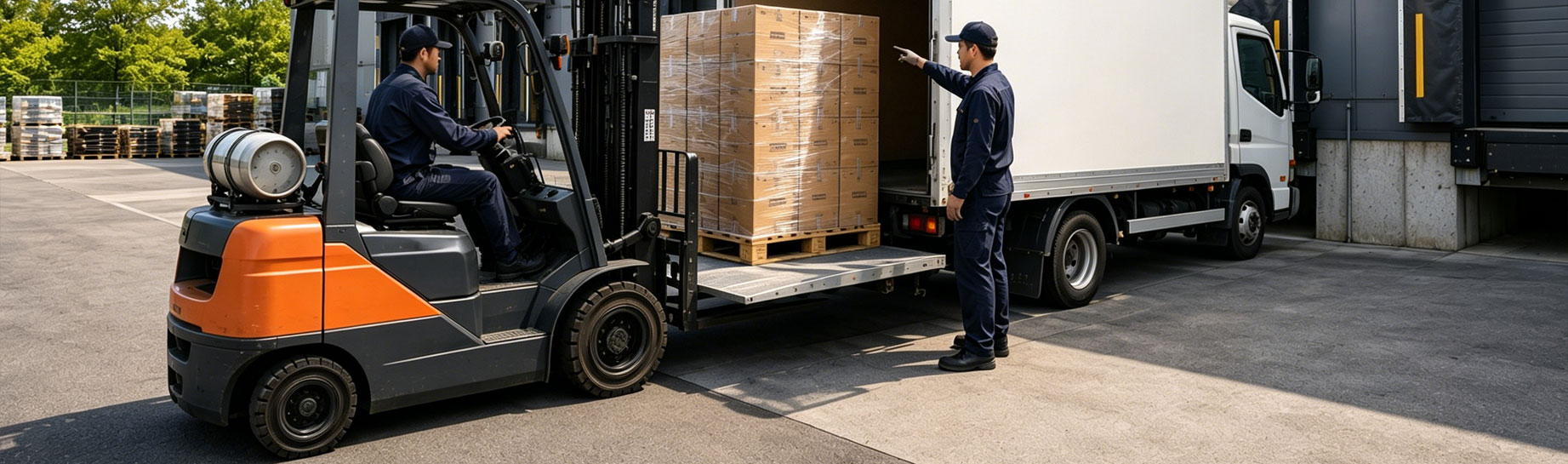
Tail Lift Preventive Maintenance Checklist: Daily/Weekly/Monthly PM Schedule
Tail Lift Preventive Maintenance Checklist: Daily/Weekly/Monthly PM Schedule
A tail lift maintenance checklist is the single most effective tool for avoiding unplanned liftgate breakdowns. Fleet operators who follow a structured daily, weekly, and monthly schedule catch small faults before they turn into costly failures. This guide breaks the checklist into practical, repeatable steps.
A Common Scenario Fleet Operators Recognize
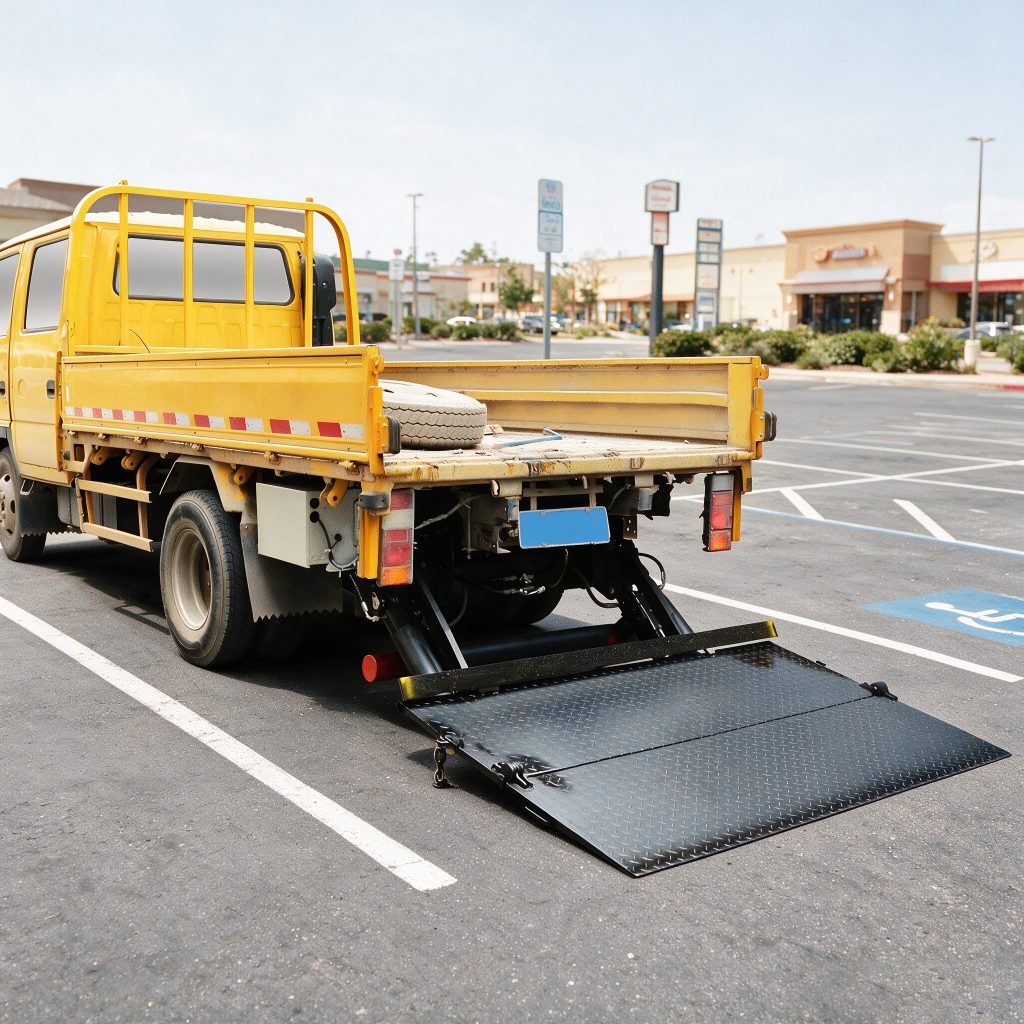
A common scenario reported by fleet operators involves a delivery van that fails mid-route. The platform stops lowering halfway through a drop. On inspection, the cause is often traced to low hydraulic fluid or a worn seal that went unnoticed for weeks. In many of these cases, a simple weekly liftgate maintenance check would have flagged the leak early. Instead, the vehicle sits idle, the driver reroutes deliveries, and the repair bill grows. This pattern repeats across fleets that treat tail lift upkeep as reactive rather than scheduled.
What Is a Tail Lift Preventive Maintenance Checklist?
A tail lift preventive maintenance checklist is a structured list of inspection and service tasks performed at set intervals to keep a liftgate safe and operational. It typically groups tasks into daily driver checks, weekly technician tasks, and monthly or annual service intervals. The goal is simple: catch wear, leaks, or damage before they cause a breakdown or safety incident. Unlike reactive repair, preventive care follows a fixed tail lift service interval rather than waiting for a fault to appear.
Daily Tail Lift Inspection Checklist
Daily tail lift inspection takes only a few minutes but prevents most operational surprises. Drivers or warehouse staff should complete this routine before the first load of the day.
- Visual check: Look for visible cracks, bent edges, or dents on the platform.
- Hydraulic leaks: Check under the lift for fluid puddles or fresh stains.
- Control function: Test up, down, tilt, and stow functions at idle speed.
- Safety devices: Confirm handrails, warning lights, and platform locks engage correctly.
- Ground clearance: Ensure the platform folds and stows without obstruction.
If any item fails, the vehicle should be taken out of service. A quick daily tail lift inspection is far cheaper than a roadside failure. This routine also supports fleet manager liftgate checklist reporting, since drivers can log results in a simple pass/fail format each morning.
Some fleets skip this step because it feels repetitive. However, most serious liftgate failures do not appear overnight. A cracked weld, a slow leak, or a sticking valve usually shows small warning signs days before it fails completely. A driver who spends two minutes on a visual scan is often the first line of defense against a mid-route breakdown. In addition, keeping this check simple encourages consistency; a checklist with too many technical steps tends to get skipped under time pressure.
Documenting the daily check does not need to be complicated. A paper log clipped inside the cab, or a shared spreadsheet updated at the depot, is usually enough. What matters most is that someone reviews the log weekly and acts on repeated flags rather than letting them accumulate unnoticed.
Weekly Liftgate Maintenance Tasks
Weekly liftgate maintenance goes deeper than the daily visual scan. A trained technician, rather than the driver, typically performs these tasks.
- Hydraulic fluid level: Check the reservoir against the manufacturer’s marked range.
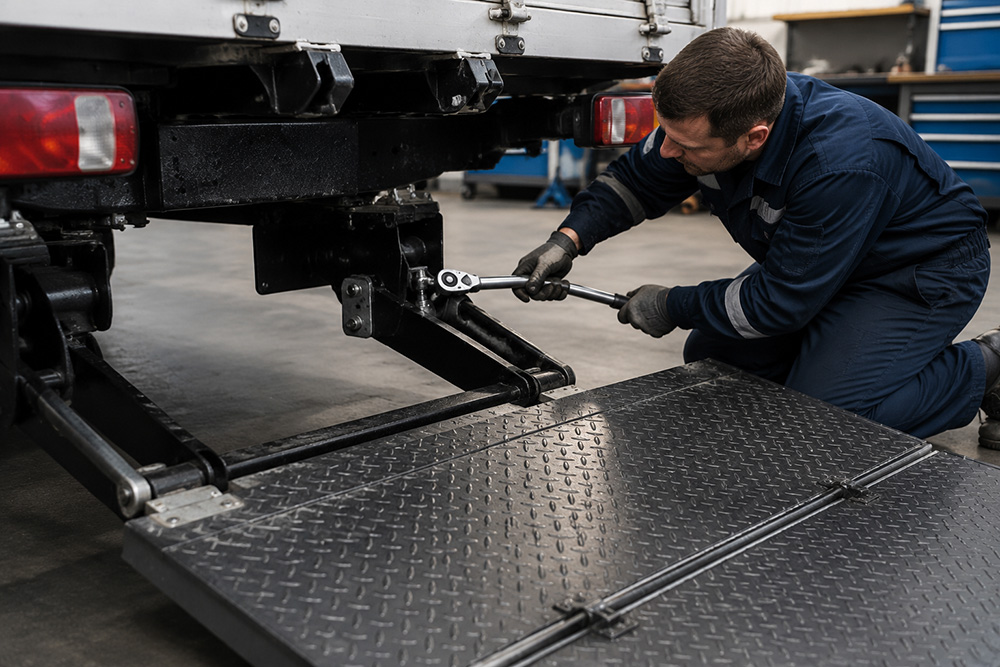
- Bolt and fastener check: Verify mounting bolts remain tight to the torque value specified by the manufacturer.
- Cylinder and hose inspection: Look for cracking, chafing, or swelling on hoses.
- Electrical connections: Check for corrosion at battery terminals and control wiring.
- Platform wear: Inspect hinge pins and rollers for excessive play.
Weekly checks build a pattern over time. Therefore, technicians can spot gradual wear, such as a seal that weeps slightly more each week, long before it fails outright. This weekly rhythm forms the backbone of any effective liftgate PM schedule.
The hydraulic fluid check deserves particular attention. Low fluid levels force the pump to work harder, which raises operating temperature and accelerates seal wear. On the other hand, contaminated fluid, often visible as a cloudy or dark color, can point to internal component wear that needs closer inspection. Technicians should always refer to the manufacturer’s specified fluid type, since mixing incompatible hydraulic oils can damage seals over time.
Bolt torque checks matter just as much, particularly on lifts mounted to older chassis or vehicles that travel rough routes. Vibration gradually loosens fasteners, and a loose mounting bolt can shift the entire platform’s alignment. A torque wrench set to the manufacturer’s specified value, rather than a general estimate, keeps this check accurate and repeatable across technicians.
Monthly Lubrication and Load Testing
Monthly tail lift service extends the review to components that degrade more slowly. Technicians should grease pivot points on a fixed tail lift lubrication schedule, test the platform under a rated load, and check the hydraulic pump for unusual noise or heat. A functioning relief valve and stable lowering speed under load are both good indicators of internal hydraulic health.
Annual Thorough Examination Requirements
Beyond monthly checks, tail lift annual inspection requirements are often set by national regulation rather than the manufacturer alone. In the UK, for example, the Lifting Operations and Lifting Equipment Regulations require a thorough examination by a competent person at fixed intervals. This is generally every six months for lifts that carry people, and every twelve months for goods-only lifts. Additional examination is required after any incident that could affect safety. European tail lifts are also designed and verified against EN 1756-1, the harmonized safety standard covering platform lifts mounted on goods vehicles.
These regulatory checkpoints matter because they create a documented history for tail lift maintenance record keeping. That history can be produced during an audit or after an incident. A missed annual inspection is not just a compliance gap; it can also void insurance cover in the event of a claim.
Monthly Electrical and Seal Checks
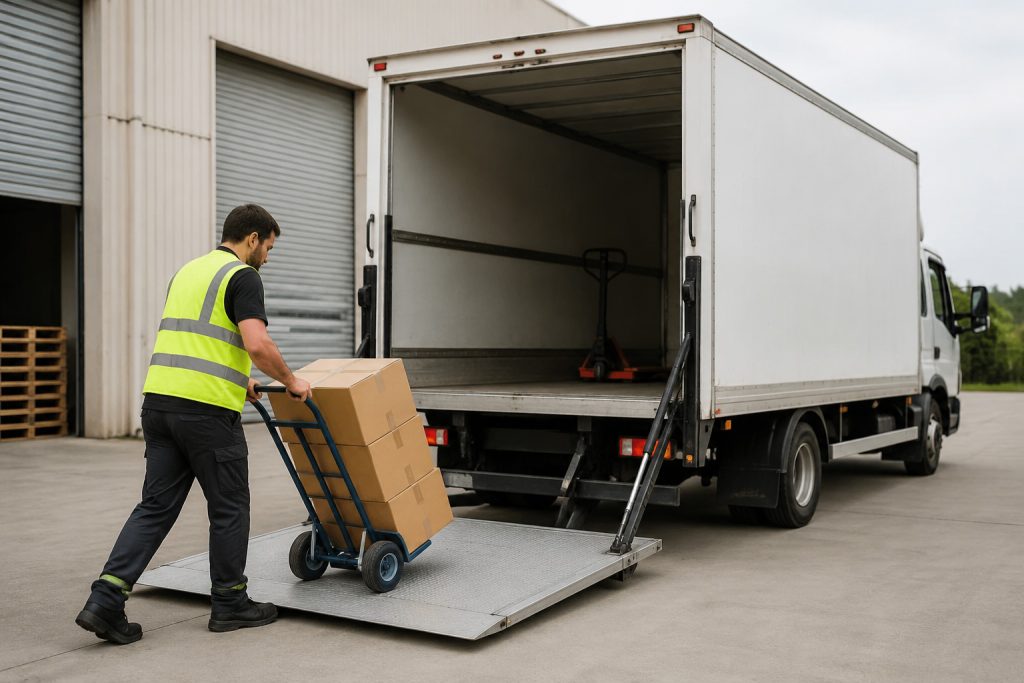
Electrical checks also belong in the monthly routine. Corroded terminals, frayed wiring, or a failing control box are common causes of intermittent faults that daily and weekly checks may miss. Testing the lift under a representative rated load, rather than empty, gives a more accurate picture of performance. Problems often only surface once the system is under real strain. Rated load capacities vary widely by lift type and model. They generally range from a few hundred kilograms for light van applications up to several thousand kilograms for heavy-duty truck platforms. Operators should always confirm the exact figure on the lift’s data plate rather than assume a standard value.
Seal maintenance is another area worth monthly attention. Hydraulic seals harden and crack with age and exposure to temperature swings, particularly in climates with wide seasonal variation. Replacing a seal proactively, once early weeping is noticed, is far less disruptive than dealing with a full cylinder failure mid-route.
Tail Lift Maintenance Checklist at a Glance
The table below summarizes the core check items, the general standard each addresses, and the recommended frequency. Actual intervals should always follow the specific manufacturer’s manual, since duty cycle and operating environment affect wear rates.
| Check Item | Standard / Reference | Frequency |
|---|---|---|
| Visual damage and leak check | Manufacturer operating manual | Daily |
| Control and safety device function test | Manufacturer operating manual | Daily |
| Hydraulic fluid level | Manufacturer service manual | Weekly |
| Bolt torque and fastener check | Manufacturer torque specification | Weekly |
| Hose and cylinder inspection | Manufacturer service manual | Weekly |
| Lubrication of pivot points | Manufacturer lubrication schedule | Monthly |
| Rated load function test | EN 1756-1 verification requirements | Monthly |
| Thorough examination by competent person | LOLER 1998, Regulation 9 (UK) | 6–12 months |
Building a Fleet-Wide Liftgate Maintenance Log
A single vehicle’s checklist is useful. However, a fleet-wide liftgate maintenance log template turns individual checks into fleet intelligence. Tracking dates, findings, and completed repairs across every vehicle helps a fleet manager spot patterns, such as one liftgate model showing seal wear earlier than others. As a result, replacement parts can be ordered ahead of failure rather than after it.
For fleets replacing aging units, technical advisors often recommend evaluating current needs before choosing a replacement. Options such as folding tail lift systems suit vehicles with limited underbody clearance, while column tail lift designs are common on rigid trucks handling heavier palletized loads. Matching the lift type to the duty cycle reduces long-term costs tied to liftgate downtime.
FAQ
How often should a tail lift be serviced? Daily visual checks, weekly technician inspections, and monthly service are standard. In addition, most regions require a formal thorough examination every 6 to 12 months, depending on whether the lift carries people or goods only.
What causes most tail lift breakdowns? Hydraulic leaks, worn seals, and loose mounting bolts account for a large share of liftgate faults. Most of these develop gradually and are catchable through routine weekly inspection.
Can a driver perform tail lift maintenance? Drivers can safely complete daily visual and function checks. However, hydraulic fluid service, bolt torque verification, and thorough examinations should be handled by a trained technician or competent person.
Why does tail lift maintenance cost vary between fleets? Cost depends on duty cycle, load frequency, and how consistently preventive checks are followed. Fleets that skip weekly maintenance typically pay more later in emergency repairs and downtime.
What is the difference between a daily check and a thorough examination? A daily check is a quick visual and functional test performed by the operator. A thorough examination is a formal, documented inspection carried out by a qualified examiner under regulations such as LOLER.
How long does a typical tail lift last with proper maintenance? Service life varies by usage intensity, load frequency, and environment. However, fleets that follow a consistent preventive maintenance routine generally extend service life compared with those relying on reactive repairs alone.
Closing Note
A consistent tail lift maintenance checklist, followed daily, weekly, and monthly, is what separates a reliable fleet from one facing repeated liftgate downtime. Reviewing the schedule quarterly against actual fault history helps refine intervals over time, and adjusting frequency for high-mileage vehicles or harsh operating conditions keeps the plan realistic rather than purely theoretical.
Fleet managers who formalize this routine, rather than leaving it to informal habit, tend to see the clearest return. A written schedule, assigned responsibilities, and a shared log turn preventive maintenance from an occasional task into a dependable operating standard.
About the Author: This article was reviewed by a technical advisor with over 12 years of experience in commercial vehicle lifting equipment, specializing in hydraulic tail lift systems, fleet maintenance planning, and compliance with European and UK lifting safety standards.
Footnotes
- Health and Safety Executive (UK), Safe use of lifting equipment: Lifting Operations and Lifting Equipment Regulations 1998, L113: https://www.hse.gov.uk/pubns/books/l113.htm ↩
Trusted by Fleet Operators Across 60+ Countries
Stop Losing Time at the Loading Dock.
Get a Custom-Matched Tail Lift Quote in 24 Hours.
60
Countries Served
24h
Quote Turnaround
99.9
Field Uptime
5.0
Customer Rating
No Obligation
CE & UKCA Certified
Standard & Custom Builds
Worldwide Shipping