Having trouble submitting? Email us directly at nicole@beaway.com and we'll get back to you within 24 hours.











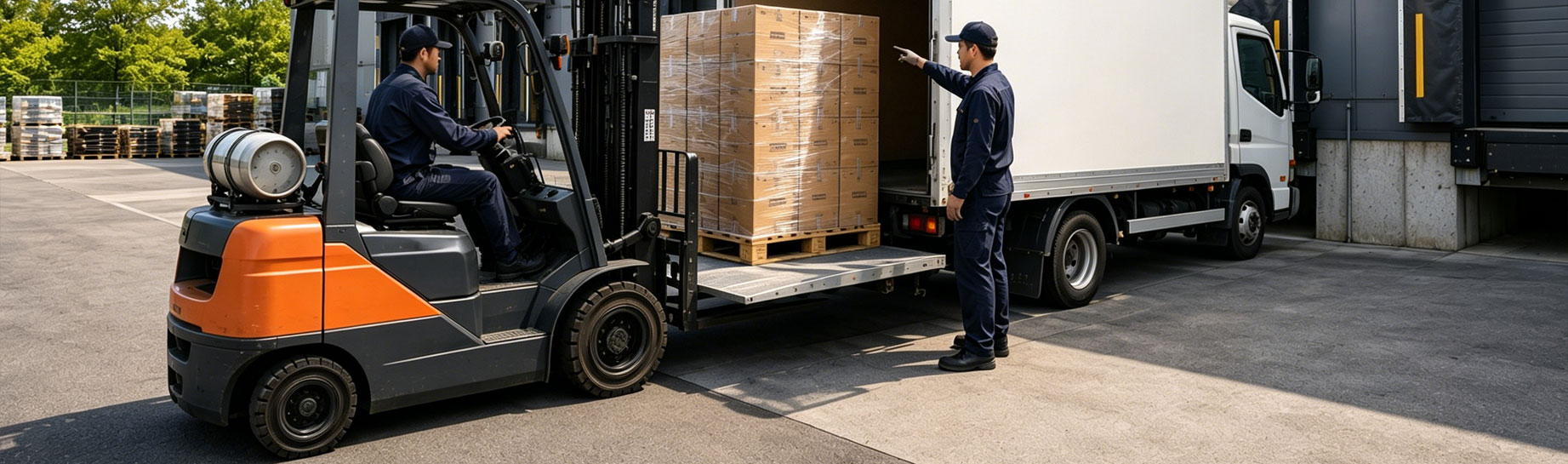
Wheelchair Lift Supplier: What Dealers Need to Know
Can Your Wheelchair Lift Supplier Keep Up?
A reliable wheelchair lift supplier can make or break your business. When your customers need a lift, they need it fast. Delays cost you orders. Wrong certifications cost you markets. Poor communication costs you trust.
So the real question is: can your current supplier actually keep up?
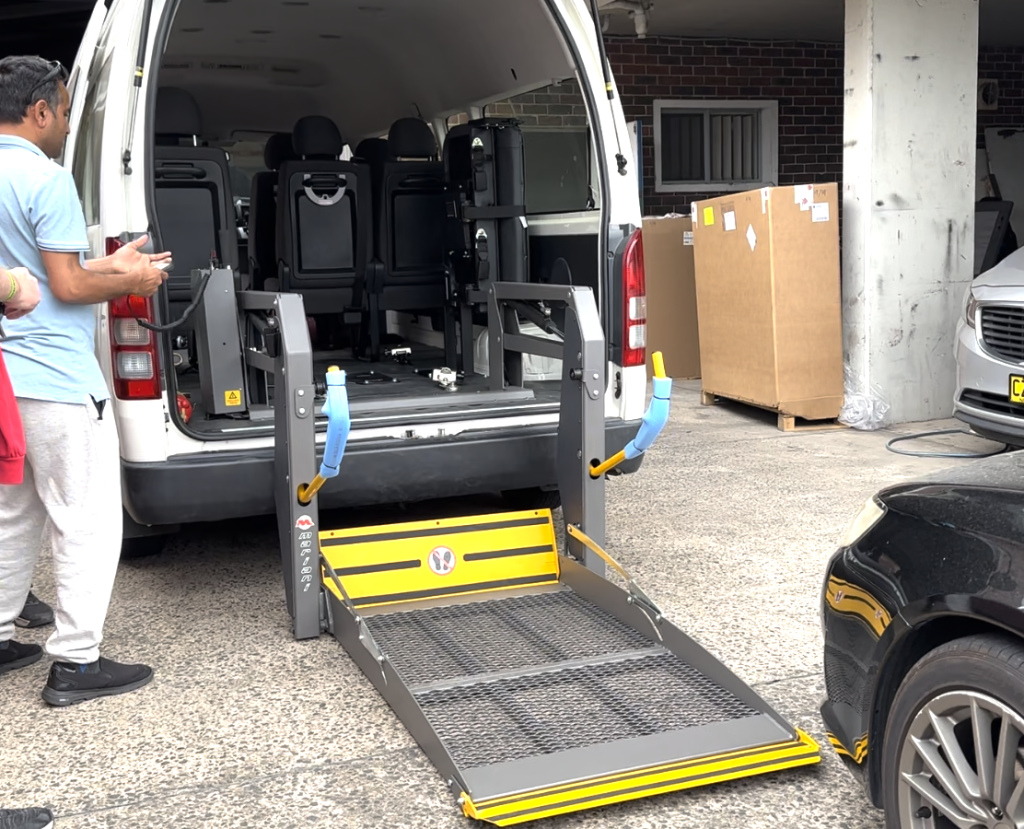
What Makes a Wheelchair Lift Supplier Truly Reliable?
Reliability is not just about price. It covers delivery speed, product compliance, customization capability, and consistent quality.
Many dealers discover this the hard way. A client places a bulk order. The supplier promises four weeks. Eight weeks later, the shipment still hasn’t left the factory. The dealer loses the contract. The end user waits.
This is the most common supplier failure in the mobility equipment industry.
A dependable wheelchair lift supplier delivers on time, every time. They hold the right certifications for your market. They respond to inquiries within hours, not days. And they support OEM orders without compromising lead times.
Certification: The Non-Negotiable Standard
Before placing any order, verify your supplier’s certifications. This is not optional.
Different markets require different compliance standards:
- Europe: EN 1756-2 for tail lifts; CE marking required
- North America: DOT/FMVSS compliance; ADA accessibility standards
- Australia/UK: UKCA marking post-Brexit; AS/NZS standards
A supplier without the right certification cannot legally sell into your market. You take on full liability if you import non-compliant equipment.
Therefore, always request official certification documents — not just a logo on a website. Ask for the issuing body, certificate number, and expiry date.
For reference on international accessibility standards, the International Organization for Standardization (ISO) publishes current guidelines for mobility equipment globally.
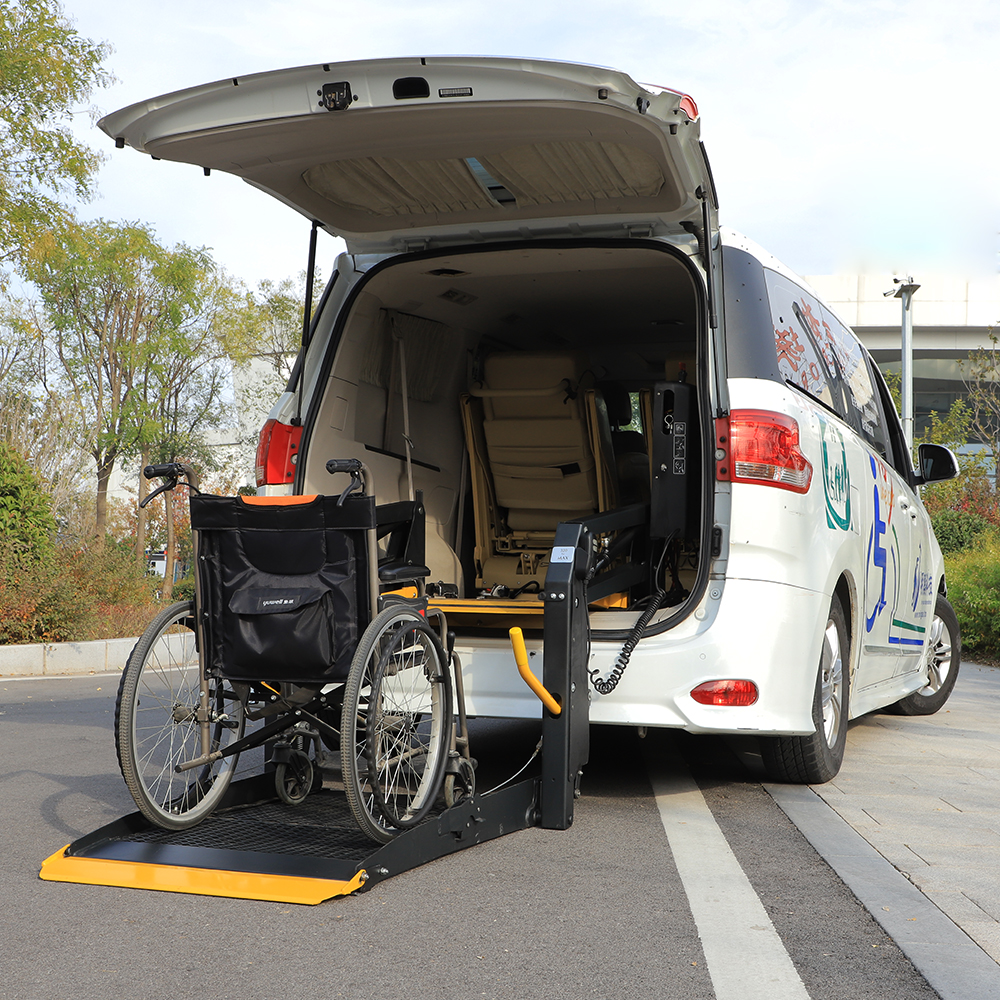
Delivery Speed: Where Most Suppliers Fall Short
In the mobility equipment market, lead time is everything. Your customers — transport operators, care facilities, fleet managers — operate on tight schedules.
However, many manufacturers struggle with one or more of these:
- Raw material delays causing production backlogs
- Port congestion adding unpredictable shipping time
- Poor production planning leading to missed deadlines
What to Look for in a Supplier’s Delivery Process
- In-stock inventory for standard models
- Confirmed production schedule in writing before order
- Real-time shipping updates
- Dedicated export logistics team
A strong wheelchair lift supplier will give you a realistic lead time upfront — and hold to it.
OEM Capability: Your Brand, Their Factory
For dealers building their own brand, OEM customization is essential. Not every supplier can handle it properly.
What True OEM Capability Looks Like
True OEM capability means:
- Custom platform dimensions to match specific vehicle models
- Private label options including branded decals, packaging, and manuals
- Flexible MOQ that works for small and large dealers alike
- Engineering support to validate fit before mass production
Moreover, a supplier with strong OEM experience understands compliance requirements in your target market. They build the product right the first time.
Our hydraulic wheelchair lift platform supports full OEM customization, with platform load capacities designed for commercial vehicle applications across multiple markets.
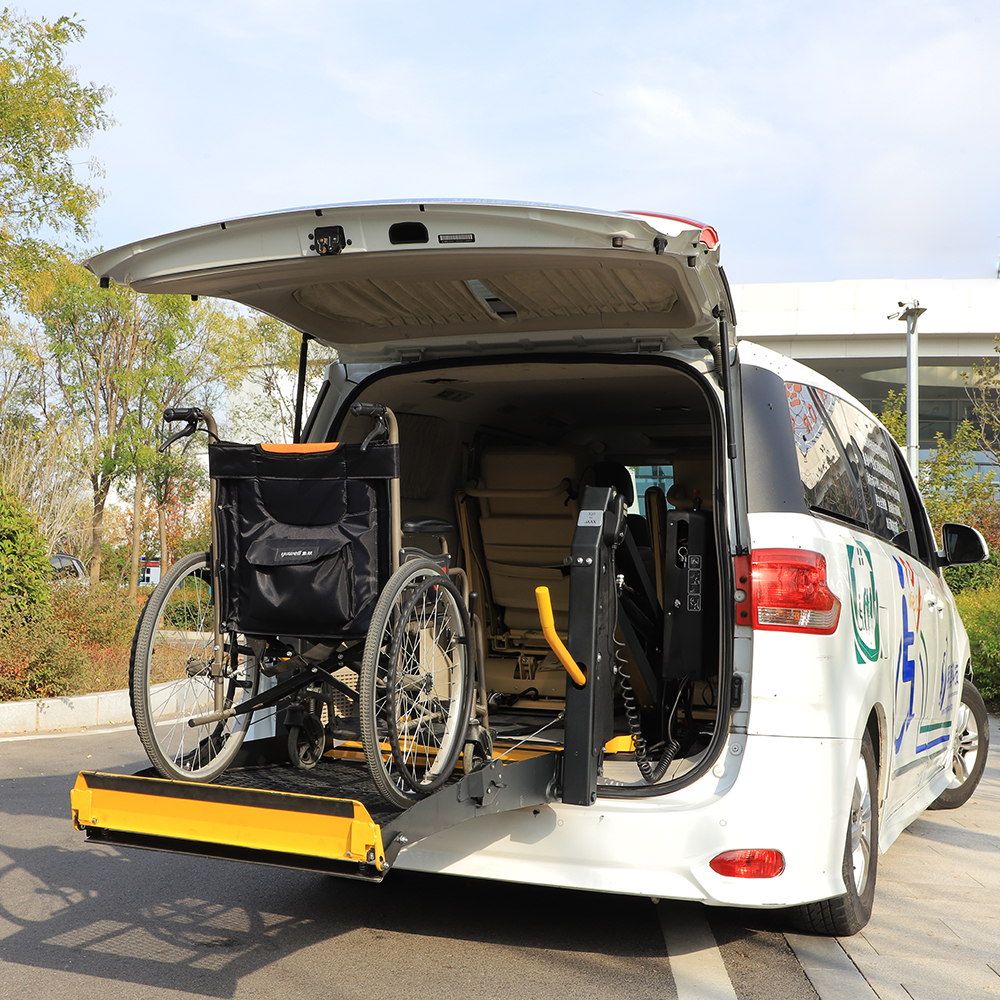
Price vs. Total Cost: Think Beyond the Unit Price
Low unit price is attractive. But it rarely tells the full story.
Consider the total cost of working with a supplier:
| Factor | Low-Price Supplier | Reliable Supplier |
|---|---|---|
| Unit price | Lower | Competitive |
| Rework/returns | High | Minimal |
| Certification gaps | Common | None |
| Communication | Slow | Fast |
| Lead time accuracy | Unpredictable | Consistent |
As a result, a slightly higher unit price from a reliable wheelchair lift supplier often saves you money overall. You deal with fewer returns, shorter delays, and stronger client retention.
How to Evaluate a Wheelchair Lift Supplier in 5 Steps
In addition to checking certifications and pricing, run through this evaluation process before committing:
Step-by-Step Supplier Evaluation
- Request a product sample — inspect build quality, weld consistency, finish
- Check export history — ask for reference markets and shipping records
- Test response time — send an inquiry and measure how fast they reply
- Review quality documentation — ISO 9001, CE certificates, test reports
- Confirm after-sales support — spare parts availability, warranty terms, technical assistance
For example, a dealer sourcing lifts for a European transport fleet will need EN-compliant units, documentation in the local language, and a supplier who understands customs requirements.
What Dealers Get Wrong When Switching Suppliers
Switching suppliers is risky if done without due diligence. On the other hand, staying with an underperforming supplier is equally costly.
Common Mistakes to Avoid
- Choosing purely on price without testing quality
- Not confirming certifications before the first order
- Skipping a sample stage to “save time”
- Ignoring communication red flags during negotiation
The transition period is where most problems occur. Give yourself at least one trial order before committing to volume.
Why Source Your Wheelchair Lift Supplier from China?
China accounts for a significant share of global wheelchair lift production. Industrial clusters in Shandong, Jiangsu, and Guangdong provinces offer integrated supply chains, experienced engineering teams, and competitive pricing.
However, not all manufacturers export with the same standard. The best ones hold CE, ISO 9001, and market-specific certifications. They invest in export documentation, multilingual support, and dedicated dealer programs.
Beauway supplies wheelchair lifts to dealers across multiple continents. Our production supports CE certification, OEM customization, and consistent lead times for both standard and custom orders.
Explore our full wheelchair lift product range to see available models and specifications.
FAQ
What should I look for in a wheelchair lift supplier?
Look for verified certifications for your target market, consistent lead times, OEM capability, and responsive communication. Always request a sample before placing a bulk order.
How long does it take to receive a wheelchair lift order?
Lead times vary by supplier and order volume. Standard models typically ship within 2–4 weeks. Custom OEM orders may require 4–8 weeks depending on specifications and production schedule.
What certifications does a wheelchair lift need for European markets?
For Europe, wheelchair lifts for vehicles must meet EN 1756-2 requirements and carry CE marking. Always request the full certificate with issuing body details and validity dates.
Can I order wheelchair lifts with my own brand?
Yes. Many manufacturers offer OEM services including custom dimensions, private labeling, and branded documentation. Confirm MOQ and engineering support capability before proceeding.
Why do dealers switch wheelchair lift suppliers?
The most common reasons are delivery delays, quality inconsistencies, poor communication, and certification gaps. A reliable wheelchair lift supplier eliminates all four.
Looking for a wheelchair lift supplier that delivers on time, meets your market certifications, and supports OEM orders? Contact Beauway to discuss your requirements.
Trusted by Fleet Operators Across 60+ Countries
Stop Losing Time at the Loading Dock.
Get a Custom-Matched Tail Lift Quote in 24 Hours.
60
Countries Served
24h
Quote Turnaround
99.9
Field Uptime
5.0
Customer Rating
No Obligation
CE & UKCA Certified
Standard & Custom Builds
Worldwide Shipping