Having trouble submitting? Email us directly at nicole@beauway.com and we'll get back to you within 24 hours.











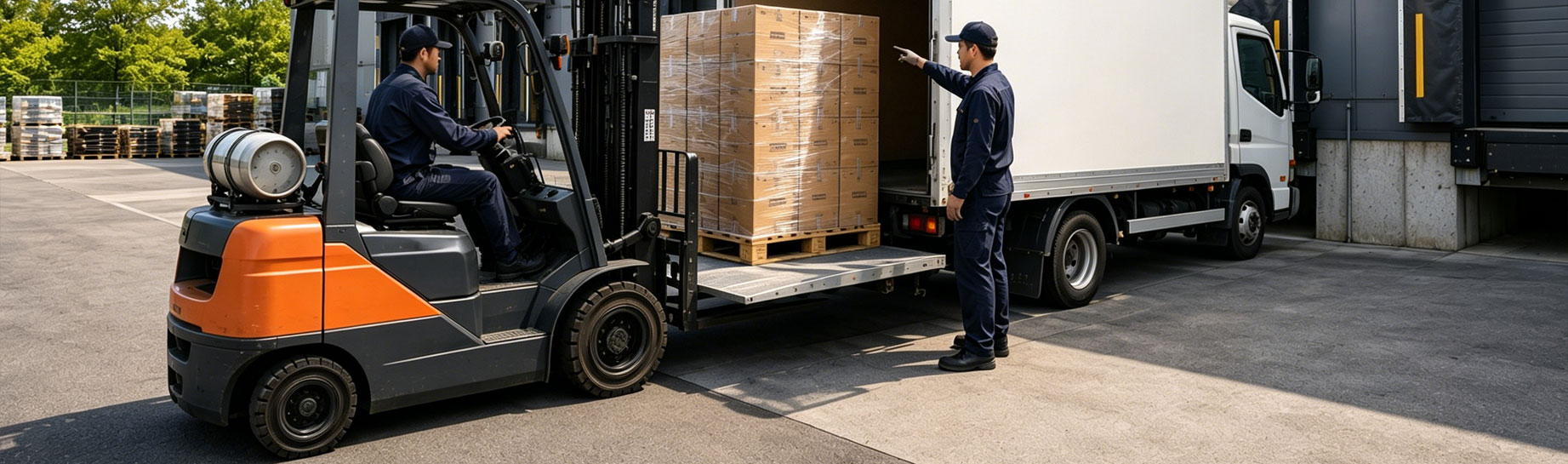
Tail Lift Emergency Troubleshooting: 5 Quick Checks
Tail lift emergency troubleshooting is essential when your truck tail lift suddenly stops working during loading. Power failures, hydraulic faults, faulty controls, or activated safety systems can bring operations to a standstill, delaying deliveries and increasing downtime.
This guide covers five practical troubleshooting steps to help you identify common fault symptoms, check basic operating conditions, recognise potential safety risks, and determine when professional repair is necessary.
Before attempting any checks, secure the vehicle and keep the loading area clear. Never work beneath a raised platform or bypass safety devices. If a serious electrical, hydraulic, or mechanical fault is suspected, stop using the tail lift and contact a qualified technician.
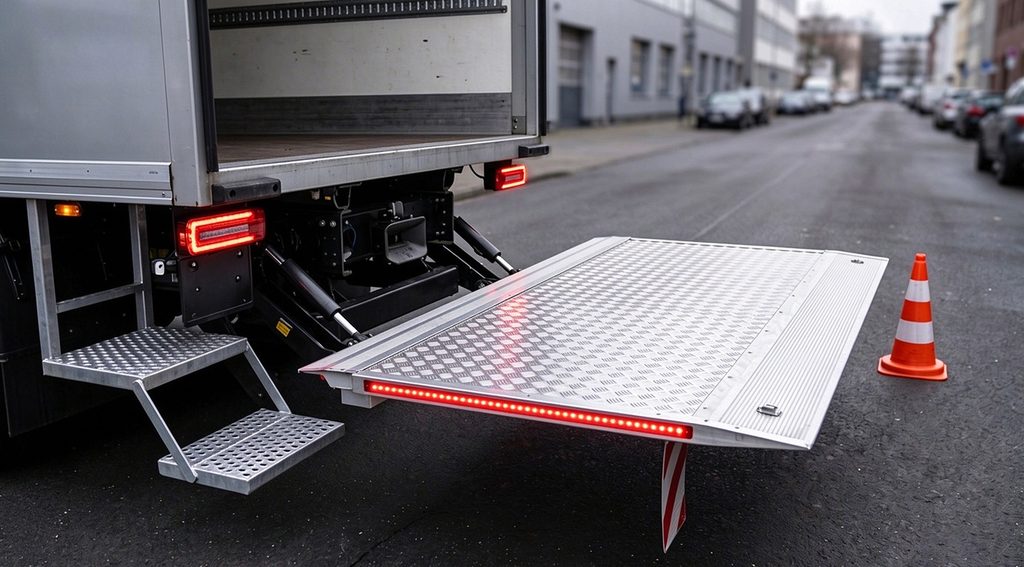
Step 1: Tail Lift Emergency Troubleshooting for Power Issues
Electrical problems are a common reason for a tail lift not working during loading. If the platform does not respond when you press the control button, begin by checking the power supply and visible electrical connections.
Check the Main Power Supply
Depending on the tail lift model, the system may rely on a vehicle battery, a dedicated power circuit, and associated electrical protection devices.
Start with these basic checks:
- Confirm that the vehicle is parked securely and that the required operating conditions are met.
- Check the vehicle battery condition if there are signs of low power, such as slow cranking or other electrical symptoms.
- Look for visible damage, loose connections, or corrosion on accessible cables and connectors.
- Check the relevant fuse or circuit protection device only if it is safe to access and you know which component to inspect.
- Consult the manufacturer’s operating manual for model-specific power requirements and reset procedures.
Never replace a fuse with one of a higher rating or repeatedly reset a circuit breaker that continues to trip. Repeated electrical protection trips may indicate a fault requiring professional diagnosis.
Inspect the Control Switch
If the power supply appears normal, check the tail lift control station.
Look for obvious damage, moisture ingress, a jammed button, or a control switch that does not return to its normal position. If the equipment uses a remote control, check its battery and operating instructions where applicable.
Do not dismantle electrical controls or test live wiring unless you are qualified and authorised to do so.
What If the Tail Lift Is Still Unresponsive?
If the system has power but the platform does not move, the cause may involve a control circuit, safety interlock, motor, solenoid, or another electrical component.
At this stage, avoid repeated attempts to operate the lift. Record any warning lights, unusual noises, or error codes and pass this information to the service technician.
As part of tail lift emergency troubleshooting, operators should distinguish between simple external observations and faults that require specialist testing. If the cause remains unclear, stop operating the equipment and arrange a qualified inspection.
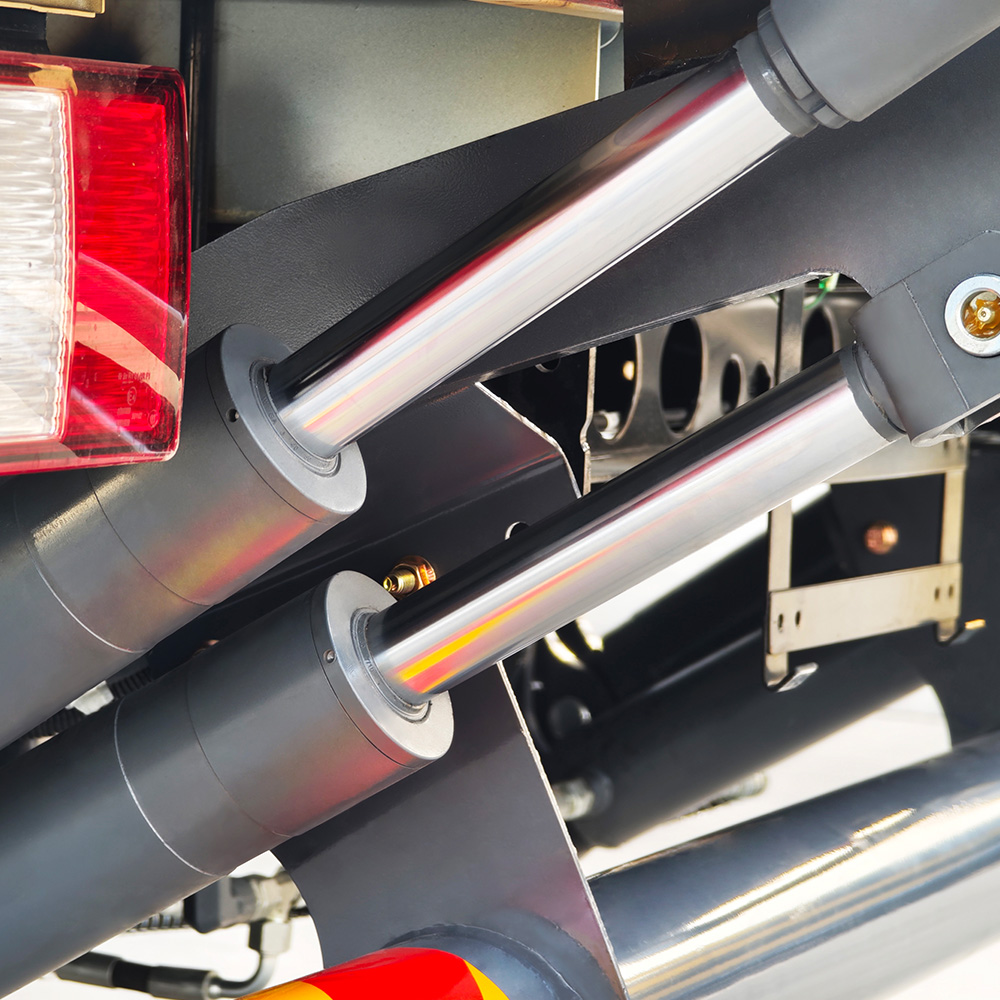
Step 2: Hydraulic Tail Lift Troubleshooting
If the tail lift receives power but moves slowly, stops partway, or fails to raise or lower correctly, the hydraulic system may require inspection.
Hydraulic tail lift troubleshooting should begin with external observations rather than dismantling components or opening pressurised lines.
Look for Visible Hydraulic Leaks
Inspect accessible areas around the hydraulic power unit, hoses, fittings, and cylinders for signs of fluid leakage, provided this can be done from a safe position.
Pay attention to:
- Fresh hydraulic fluid around hoses or connections.
- Damaged, cracked, or abraded hydraulic hoses.
- Visible damage to cylinder rods or surrounding components.
- Unusual movement, jerking, or a noticeable change in lifting performance.
Do not touch leaking hydraulic fluid or attempt to locate a pressurised leak with your hands. High-pressure hydraulic fluid can penetrate the skin and cause a serious medical emergency.
If a leak, damaged hose, or other significant hydraulic defect is suspected, stop operating the tail lift and arrange a qualified inspection.
Listen for Unusual Operating Sounds
If it is safe to do so, observe the equipment from a safe position while following the manufacturer’s operating instructions.
A motor that runs without normal platform movement, an unusual grinding sound, or repeated clicking may indicate a problem with the power unit, control system, hydraulic circuit, or mechanical components.
These symptoms do not identify a specific failed part on their own. They are useful diagnostic information for a technician.
Avoid Unauthorised Hydraulic Adjustments
Do not loosen hydraulic fittings, adjust pressure-relief valves, open pressurised lines, or add hydraulic fluid without following the manufacturer’s specified procedure.
Using the wrong fluid, incorrect fluid levels, or unsuitable adjustments can cause further damage and introduce safety risks.
If basic external checks do not reveal the cause, stop troubleshooting and arrange professional hydraulic tail lift repair.
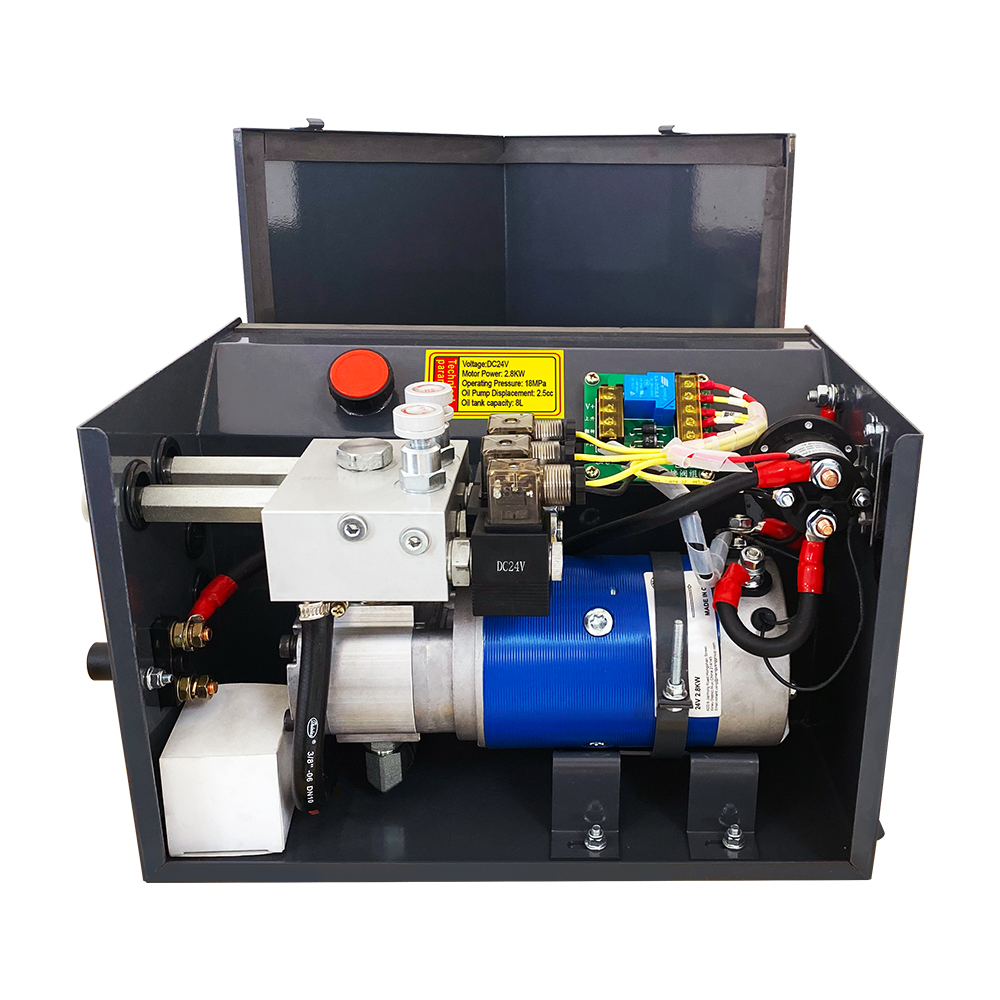
Step 3: Check Tail Lift Safety Systems
A tail lift may refuse to operate because a safety condition has not been met. Before assuming that a motor or hydraulic component has failed, check whether the equipment’s safety systems are preventing operation.
Inspect the Operating Conditions
Depending on the design, the tail lift may include safety switches, interlocks, platform sensors, stabilising requirements, or other protective features.
Check the following where applicable:
- The vehicle is parked in a suitable position on stable ground.
- The platform and its operating area are clear of obstructions.
- The control switch and any accessible emergency stop are in the correct operating state.
- Any required vehicle or tail lift operating conditions have been met.
- There are no visible signs of damage to safety switches, sensors, or associated wiring.
Follow the instructions for your particular tail lift model. Safety features differ between manufacturers and configurations, so do not assume that every system uses the same reset procedure.
Is a Tail Lift Safety Reset Required?
Some models provide a documented reset procedure after a protective shutdown or certain operating faults. If your manual describes a reset, follow it exactly and only when the equipment is in a safe condition.
A reset should never be used to bypass a fault, defeat an interlock, or force the platform to move.
If the safety system continues to prevent operation, or if a warning indicator remains active, leave the equipment out of service until the problem has been assessed by a qualified technician.
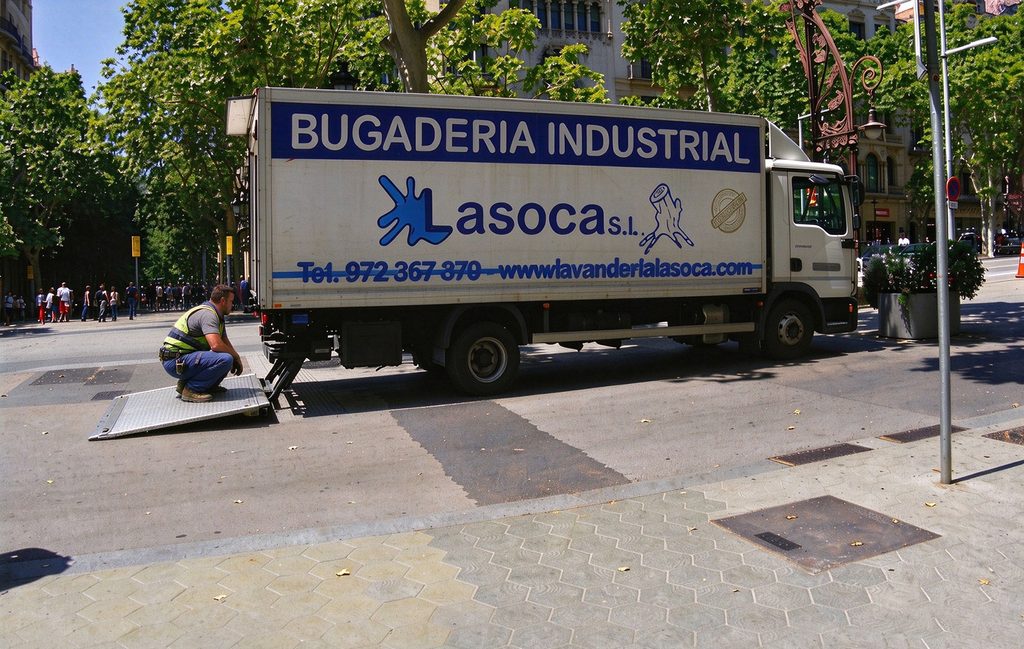
Step 4: When to Call for Emergency Tail Lift Repair
Basic checks can help identify obvious problems, but they cannot replace a professional inspection. Knowing when to stop troubleshooting is an important part of safe fleet operations.
Effective tail lift emergency troubleshooting helps operators recognise when basic checks are no longer appropriate and professional repair assistance is required.
Signs That Professional Assistance Is Needed
During tail lift emergency troubleshooting, recognising the difference between an observable symptom and a confirmed fault is essential. The following table summarises common warning signs and the appropriate response.
| Observed Symptom | Possible Cause | Recommended Action |
|---|---|---|
| Tail lift does not respond | Power supply, control circuit, or safety interlock fault | Check permitted external items and consult the operating manual |
| Motor runs, but platform does not move | Possible hydraulic, mechanical, or power transmission fault | Stop operation and arrange a qualified inspection |
| Hydraulic fluid is leaking | Damaged hose, fitting, seal, or hydraulic component | Stop using the equipment and request professional assistance |
| Electrical wiring is burnt or overheating | Possible electrical fault or excessive current | Follow approved isolation procedures and contact a qualified technician |
| Platform moves unevenly or drops unexpectedly | Possible hydraulic, mechanical, or structural fault | Keep people clear and take the tail lift out of service |
| Fuse or circuit breaker repeatedly trips | Possible short circuit, overload, or component fault | Do not repeatedly reset the protection device; arrange professional diagnosis |
| Safety warning remains active | Unresolved safety condition or system fault | Follow the manufacturer’s instructions and do not bypass the safety system |
Important Safety Notice
These symptoms are diagnostic clues, not confirmation of a specific failed component. Never bypass safety devices or work beneath a raised platform. If safe operation cannot be assured, take the tail lift out of service and contact a qualified technician.
What Information Should You Provide to the Service Team?
Clear information can help a technician prepare for the job and determine the appropriate response.
When requesting tail lift breakdown assistance, provide:
- Vehicle details: Vehicle registration or fleet identification, tail lift manufacturer, and model if known.
- Fault symptoms: Whether the platform will not raise, will not lower, moves slowly, or is completely unresponsive.
- Operating conditions: Whether the failure occurred during loading, unloading, or after another operation.
- Warning signs: Error codes, indicator lights, unusual sounds, visible leaks, or electrical symptoms.
- Site conditions: Your location, access restrictions, loading dock arrangements, and any immediate safety concerns.
If the platform is loaded, stuck, or unstable, tell the service team before attempting to move the load or the equipment.
Accurate information helps the service provider assess the fault and plan the next steps. It does not guarantee that the repair can be completed on the first visit, since some faults require replacement parts or further diagnosis.
Step 5: Prevent Future Tail Lift Breakdowns
A structured maintenance programme can help fleet operators identify developing problems before they interrupt loading operations. Fleet tail lift maintenance should follow the manufacturer’s service schedule and the actual operating conditions of each vehicle.
Establish a Routine Inspection Checklist
Include the following checks at the intervals specified by the manufacturer and your fleet maintenance procedures:
- Inspect the platform, hinges, and visible mechanical components for damage or abnormal wear.
- Check accessible hydraulic hoses and connections for leaks or deterioration.
- Look for damaged cables, connectors, control switches, and protective covers.
- Confirm that safety devices operate correctly using the approved test procedure.
- Monitor unusual noises, inconsistent movement, and changes in operating speed.
- Keep the platform and surrounding operating area free from dirt and obstructions.
- Arrange scheduled servicing and record completed inspections and repairs.
Any inspection that involves raised platforms, hydraulic pressure, electrical testing, or dismantling should be carried out by appropriately trained personnel using the correct safety procedures.
Keep Maintenance Records
A maintenance log can help fleet managers identify recurring problems and plan servicing more effectively.
Record the date of each inspection, reported symptoms, work completed, replacement parts, and any recommendations from the service provider.
If the same fault repeatedly affects a particular vehicle, review the service history rather than treating each occurrence as an unrelated incident.
Train Drivers to Recognise Warning Signs
Drivers should know how to perform the checks permitted by their training and the operating manual. They should also understand when to stop using the equipment and report a defect.
A clear reporting process can reduce unnecessary troubleshooting, improve communication with maintenance teams, and help prevent unsafe attempts to get a faulty tail lift moving.
Your Tail Lift Emergency Troubleshooting Checklist
When a tail lift stops working during loading, use this checklist to organise the initial response.
- Stop loading and make the immediate area safe.
- Keep people clear of the platform and any potential movement zone.
- Check for obvious power supply issues and visible cable damage.
- Inspect accessible controls and indicators without dismantling equipment.
- Look for visible hydraulic leaks or damaged components from a safe position.
- Check whether the manufacturer’s documented operating conditions have been met.
- Use a reset procedure only if it is explicitly permitted by the manual and safe to do so.
- Stop troubleshooting if a serious fault, leak, electrical defect, or safety-system issue is suspected.
- Contact a qualified repair provider and report the symptoms clearly.
- Record the fault and arrange follow-up maintenance where necessary.
This checklist supports initial fault reporting and basic observations. It does not replace the manufacturer’s instructions, a formal risk assessment, or professional diagnosis.
Frequently Asked Questions About Tail Lift Troubleshooting
Why Is My Tail Lift Not Working During Loading?
Possible causes include a low vehicle battery, a blown fuse, a faulty control switch, an active safety interlock, a motor problem, or a hydraulic fault. Check the permitted external items first and consult the operating manual. If the cause is unclear, stop operating the equipment and contact a qualified technician.
Can I Reset a Tail Lift Myself?
Some tail lifts have a manufacturer-approved reset procedure that trained operators can follow. Other faults require professional diagnosis. Never bypass a safety device or repeatedly reset a system that continues to show a fault.
What Should I Do If My Truck Tail Lift Is Stuck in the Raised Position?
Keep people away from the platform and the area beneath it. Do not attempt to force it down, work beneath it, or release hydraulic components. Follow the manufacturer’s emergency instructions and arrange qualified assistance.
Is a Hydraulic Leak an Emergency?
A hydraulic leak can indicate a serious fault, particularly if the equipment is under pressure or the platform is loaded. Stop using the tail lift, keep clear of the leak, and arrange a professional inspection. Never use your hands to find a pressurised leak.
When Should I Request Emergency Tail Lift Repair?
Request assistance when the platform remains unresponsive after permitted checks, a safety system prevents operation, hydraulic fluid is leaking, electrical components appear damaged, or the platform moves abnormally. Stop using the equipment if continued operation could be unsafe.
How Can Fleet Managers Reduce Tail Lift Downtime?
A consistent maintenance programme, timely defect reporting, driver training, and accurate service records can help identify recurring issues and support better maintenance planning. Follow the manufacturer’s service intervals and address reported defects promptly.
Conclusion
A tail lift that stops working during loading can disrupt deliveries and put pressure on drivers and fleet managers. However, a systematic approach can help distinguish between basic operating issues and faults that require professional attention.
Start with safe external checks of the power supply, controls, visible hydraulic components, and operating conditions. Do not dismantle pressurised systems, bypass safety devices, or continue operating equipment with a suspected serious fault.
Effective tail lift emergency troubleshooting is not about forcing a platform to move. It is about identifying the symptoms, protecting people in the loading area, and arranging the right repair support when needed.
For fleet operators, combining clear fault reporting with regular maintenance is a practical way to improve equipment reliability and reduce avoidable disruption to daily transport operations.
Trusted by Fleet Operators Across 60+ Countries
Stop Losing Time at the Loading Dock.
Get a Custom-Matched Tail Lift Quote in 24 Hours.
60
Countries Served
24h
Quote Turnaround
99.9
Field Uptime
5.0
Customer Rating
No Obligation
CE & UKCA Certified
Standard & Custom Builds
Worldwide Shipping