Having trouble submitting? Email us directly at nicole@beauway.com and we'll get back to you within 24 hours.











Automatic Dock Leveler Buyer’s Checklist: Manual vs. Smart
By David
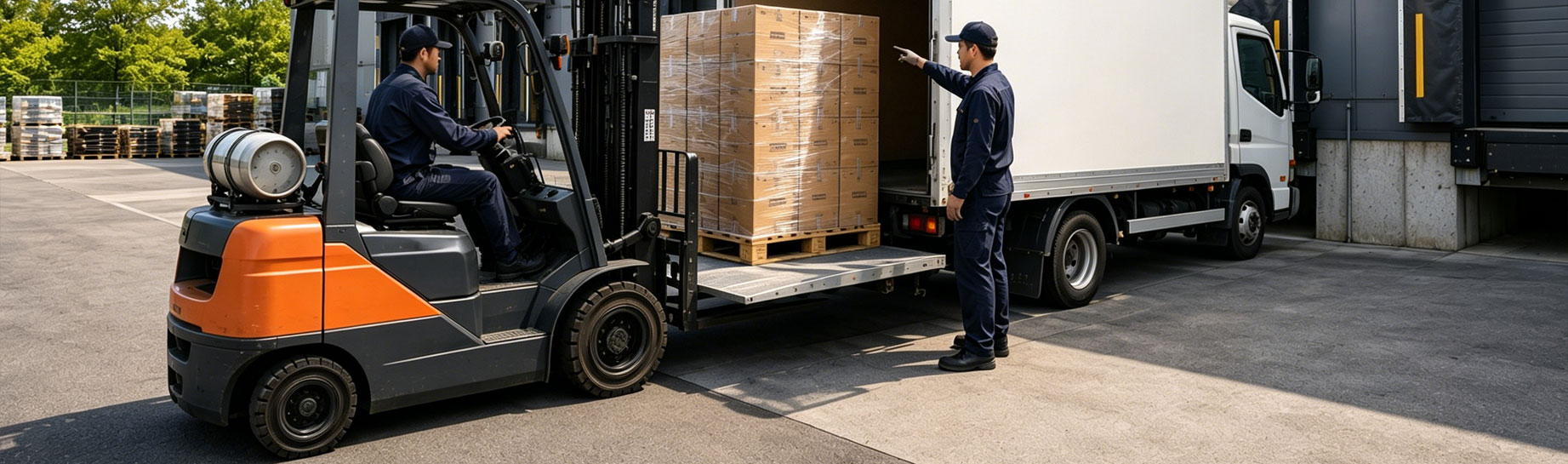
When a warehouse manager starts shopping for dock leveler equipment, the conversation almost always turns to automation. Sales reps often push smart controls, connected sensors, and predictive maintenance dashboards. But before signing off on the upgrade, buyers should separate three things that vendors frequently lump together: manual operation, automatic operation, and true smart/IoT connectivity. These are not the same investment. They don’t solve the same problems either.
This checklist walks through what each level actually delivers, what it costs, and how to tell whether your facility needs it — or whether a reliable, well-built manual dock leveler is still the smarter buy.
Buyers can get this decision wrong in both directions. Some facilities overbuy connectivity they’ll never look at after the install. Others keep a low-cost unit for years past the point where labor and injury-risk savings would have already paid for an upgrade. This guide gives you a framework for matching the equipment tier to what your dock actually does, day in and day out — based on what we’ve seen across the fleets and facilities we’ve supplied equipment to in 50+ countries.
Manual, Automatic, or Smart: Three Different Products
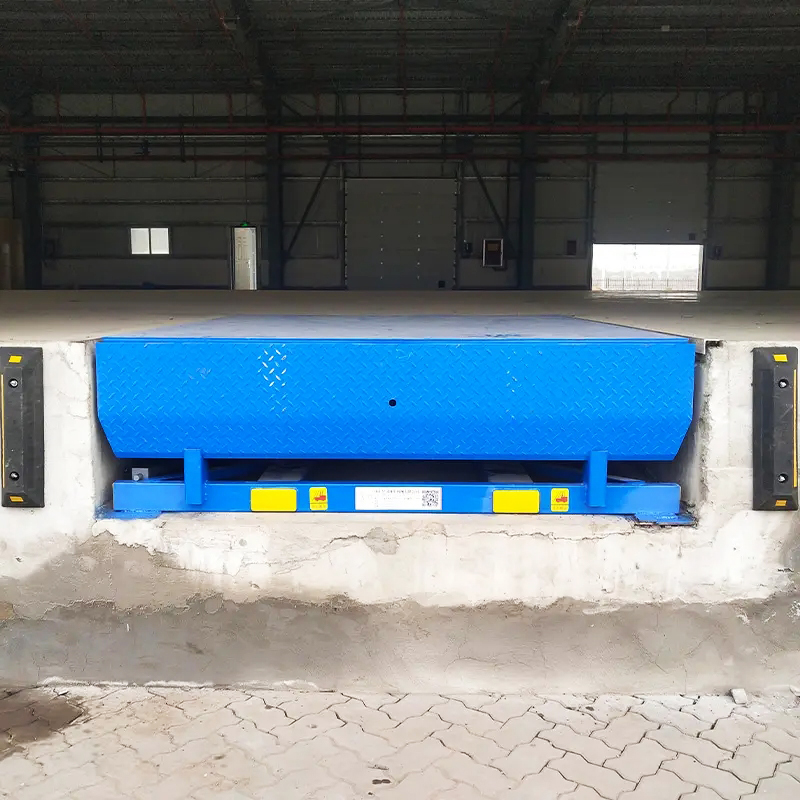
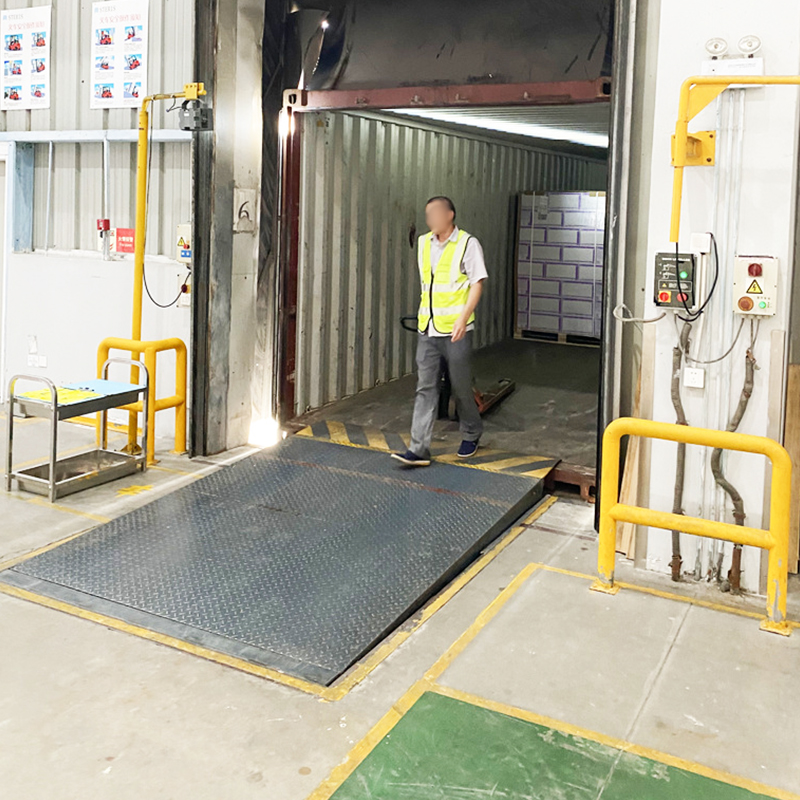
A manual dock leveler is a spring-operated platform that bridges the gap between a warehouse floor and a trailer bed, with no motor and no electrical connection to run. Also called a mechanical dock leveler, manual dock plate, or manual loading leveler, the operator pulls a release chain, walks onto the platform, and lowers it onto the trailer bed using body weight. That’s why manual dock levelers remain the default choice for smaller commercial dock leveler installations and budget-constrained facilities: fewer components, lower upfront cost, nothing to wire in.
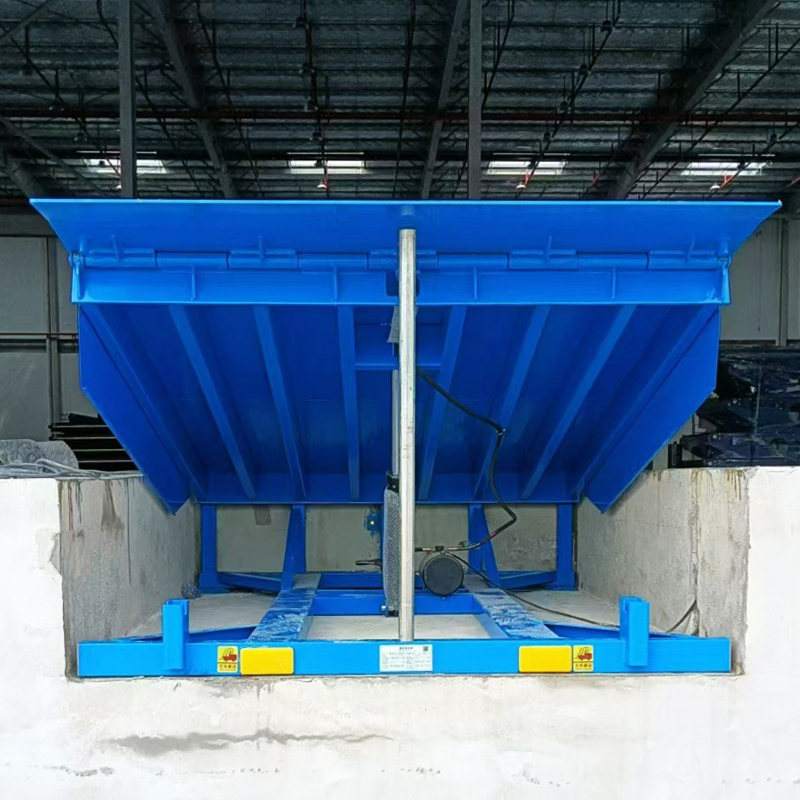
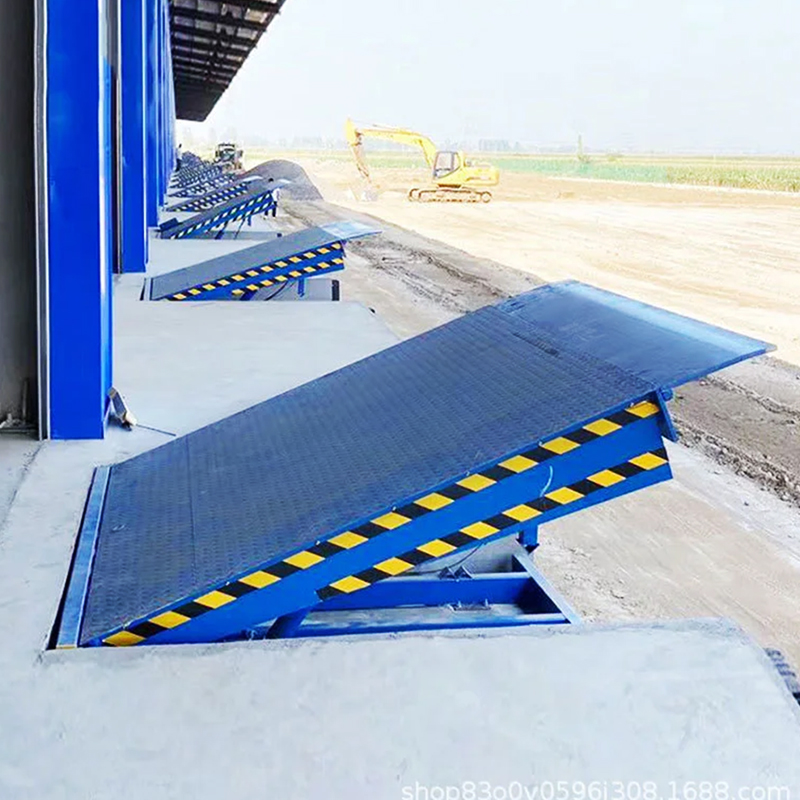
An automatic dock leveler uses a motor-driven cylinder and push-button controls to raise the platform and extend the lip, with no chain-pulling and no stepping onto a moving platform. This category covers both the hydraulic automatic dock leveler and the air powered dock leveler — sellers sometimes market either type as an auto dock leveler or electric dock leveler depending on how they describe the power unit. This is why safety professionals generally regard the automatic dock plate as safer and more ergonomic than manual dock plates for high-frequency operations.
Smart/IoT dock leveler systems add sensors on top of automatic operation — they are not a replacement for it. A smart system tracks cycle counts, forklift crossing speed, and impact events through an under-deck sensor, then routes that data to a cloud platform for maintenance planning and safety alerts. Worth being clear-eyed here: only a handful of dock leveler brands treat this level of connectivity as a differentiated, premium feature — not a standard spec across the industry.
What You’ll Actually Pay, Tier by Tier
Exact pricing varies a lot by region, supplier, and spec, so treat the following as general industry ranges rather than a quote — but the direction holds consistently across the market:
| Manual | Automatic | Smart/IoT | |
|---|---|---|---|
| Upfront cost vs. manual | Baseline | Somewhat higher (commonly cited around a 10% premium) | Automatic cost, plus sensor/software package on top |
| Long-term maintenance | Higher — spring tension and pull-chain wear add up over years | Lower | Same as automatic, plus platform/subscription costs where applicable |
| Requires electrical hookup | No | Yes | Yes |
| Requires operator training on release/lowering technique | Yes | No | No |
| Typical materials-only cost (pit-mounted) | Industry estimates commonly fall in the low-to-mid thousands of dollars, before installation, concrete work, and electrical hookup |
If you’re comparing quotes across suppliers, ask specifically whether the quoted price includes controls, sensors, and any software or platform subscription fees. Suppliers frequently price these separately and leave them out of the headline number. Request an itemized breakdown rather than a single lump figure before you compare two proposals side by side.
Ask how the warranty is structured too. Some suppliers cover the full unit under one term; others split coverage between structural components (deck, frame, hinges) and the power unit (hydraulic cylinder, pump, motor), with the latter often carrying a shorter warranty window. Get this in writing before purchase.
When Manual Still Wins
A manual dock leveler or manual loading leveler is still the rational choice when:
- Dock cycle frequency is low — a handful of trailers per day, not per hour
- The facility runs a single shift with consistent, trained staff
- No existing electrical infrastructure exists at the dock position, and running power would add significant cost
- Budget constraints make the automatic upfront premium hard to justify against actual usage
For low-volume operations, manual dock levelers remain a reliable, low-maintenance option. Operators do need training on proper technique, though — improper chain release and body-weight lowering are common sources of injury on manual units.
When an Automatic Dock Leveler Is the Right Call
Automatic operation earns its premium once a facility crosses into daily, sustained dock activity:
- Multiple trailers cycle through the same dock position across a shift
- Ergonomic strain and injury risk from manual pull-chain use are a documented concern
- The facility needs a heavy capacity dock leveler rated for frequent forklift crossings rather than occasional use
- The environment — cold storage, high-throughput distribution — needs consistent, repeatable lowering speed more than it needs to minimize capital cost
This is the tier where most mid-size warehouses land: an automatic dock leveler with standard controls, built to be one of the reliable dock levelers for warehouses that don’t need the added sensor and data layer.
When Smart/IoT Actually Pays Off
Connected sensors and cloud dashboards make sense when the data itself solves a real operating problem — not just because the option exists on the spec sheet:
- You operate multiple dock positions or multiple facilities and need centralized visibility into equipment condition without manually inspecting every unit
- Your maintenance program is currently reactive, and unplanned downtime at the dock is a recurring, costly problem
- You need documented usage and impact data for insurance, safety audits, or internal compliance reporting
- You already run a warehouse management system or facility controls platform that connected leveler data can feed into
If none of these apply, the connectivity layer is unlikely to pay for itself. One customer summed up the calculation well:
“When we were finalizing our setup, we didn’t start with smart features as the goal. We looked at our actual daily loading and unloading frequency first. Based on that, a standard automatic unit already met what we needed — so we didn’t go with the sensor package.” — Jams, Business Department Manager
If the data layer isn’t solving a problem you already have, spend the money instead on a well-built automatic or commercial dock leveler system with a solid warranty.
Certification and Compliance You Need to Verify
Regardless of which tier you choose, verify these items for any commercial dock leveler systems purchase:
- ANSI MH30.1 (current 2022 edition) is the performance and testing standard the Material Handling Industry (MHI) publishes through its LODEM group. It defines how manufacturers should design, test, and rate dock leveling devices.
- Capacity is expressed as CIR (Comparative Industry Rating) — the static load a platform can support in the stored position. This is not the same as the dynamic force a loaded forklift generates while crossing the deck, and manufacturers don’t all apply the same dynamic multiplier. Always ask which multiplier the supplier used to calculate the rated capacity you’re being quoted.
- OSHA 1910.26 and 1910.28 (Subpart D, Walking-Working Surfaces) cover safe means of access and egress at loading docks — including dockboard/leveler use and fall protection at dock openings — relevant regardless of whether the leveler itself is manual or automatic.
Ask for third-party test documentation, not just a spec sheet claim. A unit that “meets ANSI MH30.1” should have paperwork to back it up.
Quick Reference: Dock Leveler Buyer’s Checklist
Stick with a manual dock leveler if:
- Low daily cycle count, single shift, tight budget
- No existing electrical service at the dock position
Upgrade to an automatic dock leveler if:
- Daily, multi-trailer dock activity
- Operator ergonomics/injury risk is a documented concern
- You need a heavy capacity dock leveler for sustained forklift traffic
Consider smart/IoT if:
- Multiple docks or facilities need centralized monitoring
- Maintenance is currently reactive and downtime is costly
- You need auditable usage/impact data for compliance or insurance
- You already have a system in place that connected data can feed into
Non-negotiable regardless of tier:
- ANSI MH30.1 compliance with third-party test documentation
- Clear disclosure of the CIR rating method the supplier used
- OSHA 1910.26/1910.28 alignment for dock access and egress
- A warranty structure that separates structural components from the hydraulic power unit
There’s no single right answer here. Automatic isn’t always better, and smart isn’t always worth it. The right choice matches the equipment tier to your actual cycle volume, staffing model, and what you’ll realistically do with the data if you collect it.
Here’s one practical way to test your own answer before you sign a purchase order: walk your dock during a typical shift. Count how many times the leveler cycles. Note how often a supervisor checks its condition manually, and whether anyone reviews maintenance records before something breaks. If the honest answer is “rarely,” a well-specified automatic dock leveler with a solid warranty will likely outperform a connected system on cost-per-year of useful service. If the answer is “constantly, and we still get surprised by failures,” that’s the signal that the data layer solves a problem you already have — not one you’re inventing to justify the upgrade.
Frequently Asked Questions
Manual vs. automatic: what’s the real difference?
A manual dock leveler (also called a manual dock plate or manual loading leveler) uses spring tension and a pull chain — the operator releases it and walks onto the platform to lower it. An automatic dock leveler uses a motor-driven cylinder and push-button controls, with no chain-pulling or stepping onto a moving platform.
Are air powered dock levelers the same as hydraulic ones?
No. Both fall under the automatic dock leveler category, but an air powered dock leveler uses a low-pressure air lifting system instead of a hydraulic cylinder. Manufacturers sometimes market either type as an auto dock leveler or electric dock leveler, depending on how they describe the power unit.
What is an “automatic dock plate”?
It’s another name buyers sometimes use for an automatic dock leveler — a motorized platform that bridges the gap between a warehouse floor and a trailer bed.
Do all dock leveler brands offer smart/IoT features?
No. Smart/IoT connectivity — sensors that track cycle counts, forklift speed, and impact events — remains a premium, differentiated feature offered by only a handful of dock leveler brands, not a standard spec across the industry.
What makes a leveler “heavy capacity”?
A heavy capacity dock leveler carries a higher CIR (Comparative Industry Rating) and is built for frequent, sustained forklift crossings rather than occasional use. Facilities with daily multi-trailer activity, cold storage, or high-throughput distribution typically need this tier over a standard unit.
How do I know if a manual unit is enough for my warehouse?
Walk your dock during a typical shift and count how many times the leveler actually cycles. A manual dock leveler is usually enough for a handful of trailers per day on a single shift. If multiple trailers cycle through daily and ergonomic or injury risk is a documented concern, upgrading to reliable dock levelers for warehouses with sustained automatic operation usually pays for itself.
Beauway has specialised in logistics loading equipment for many years, covering tail lifts, dock levellers, and lifting platforms across the full product range. To discuss a solution matched to your specific operating conditions, reach out to arrange a technical consultation.
Trusted by Fleet Operators Across 60+ Countries
Stop Losing Time at the Loading Dock.
Get a Custom-Matched Tail Lift Quote in 24 Hours.
60
Countries Served
24h
Quote Turnaround
99.9
Field Uptime
5.0
Customer Rating
No Obligation
CE & UKCA Certified
Standard & Custom Builds
Worldwide Shipping