Having trouble submitting? Email us directly at nicole@beauway.com and we'll get back to you within 24 hours.











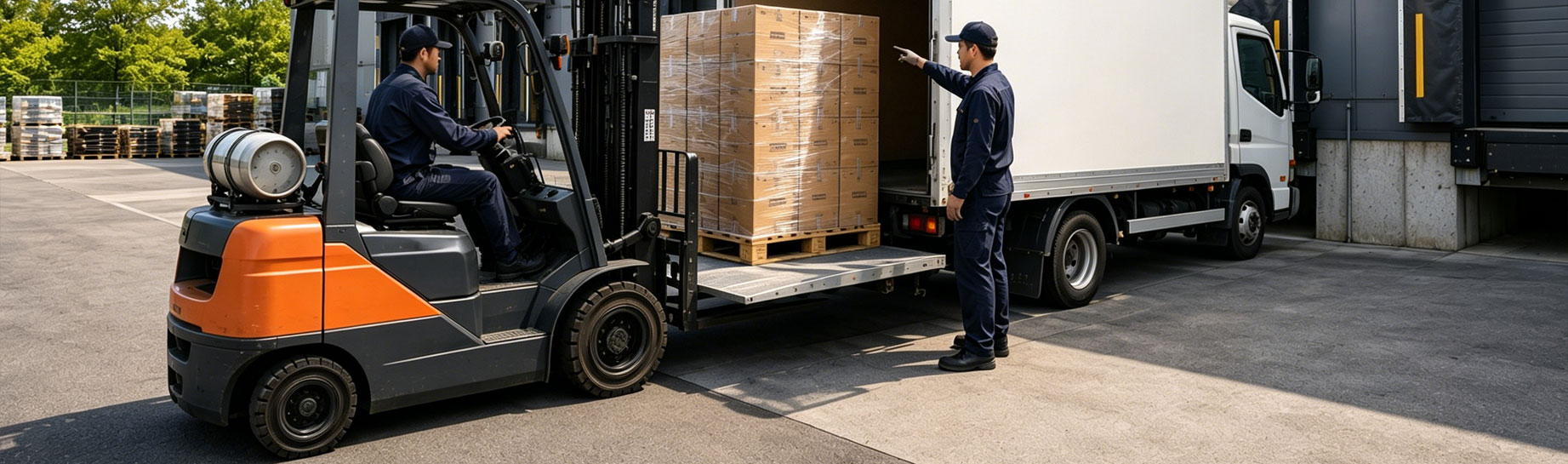
Why Does Your Truck Tail Lift Wear Out So Fast? Here’s What You Need to Know
Truck tail lifts run through repeated, heavy-load lifting cycles every day. That’s why nearly every fleet eventually deals with truck tail lift wear. The real difference comes down to timing. Does the operator catch the wear early, or only after it causes a breakdown? Understanding where wear starts helps you judge equipment condition. It also helps you set a realistic maintenance schedule. That matters whether you run a single truck or manage dozens of units across different routes.
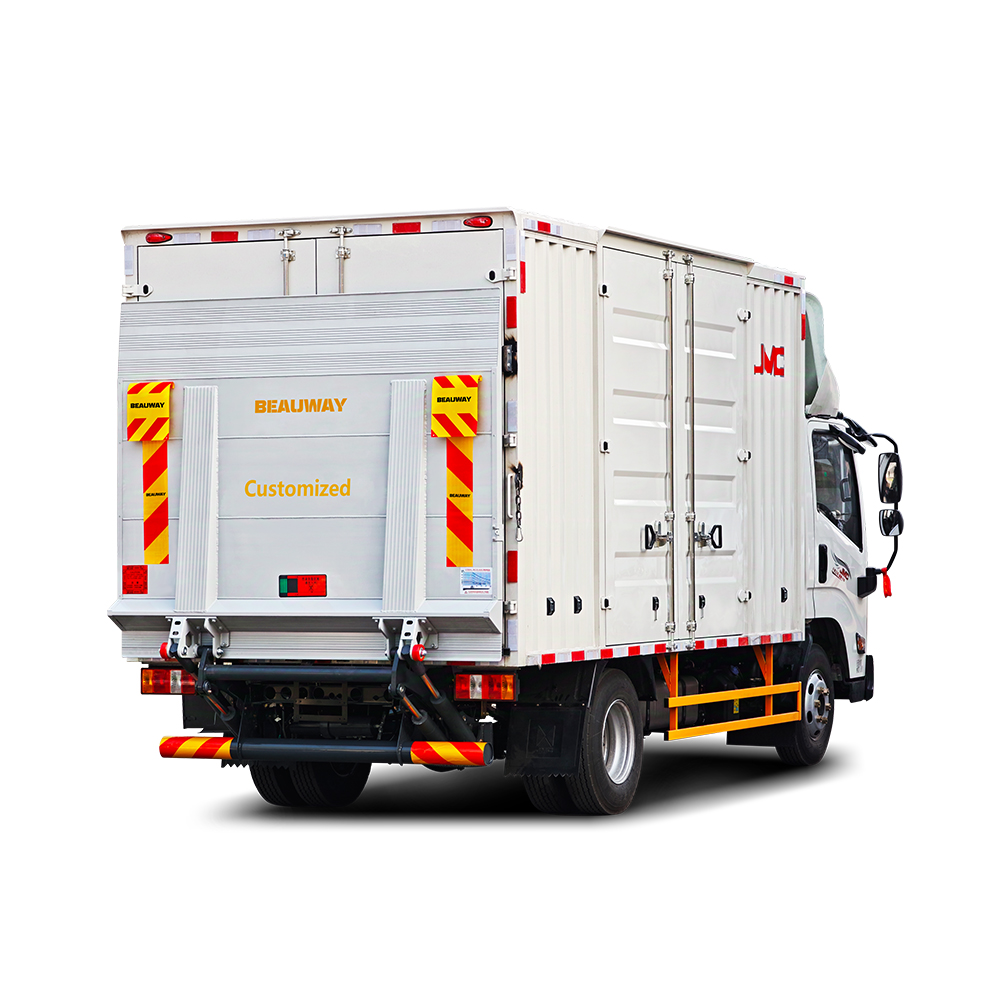
Why Early Wear Is Easy to Miss
A tail lift usually runs smoothly during its early service life. Lifting motion stays even, noise levels stay normal, and operators naturally relax their attention to detail. As loading and unloading cycles add up, small signs start to appear. You might notice slight platform edge wobble, or a slower hydraulic lifting speed. These changes happen gradually, so they rarely stand out during routine daily operation. It’s easy to write off a slightly slower lift or a faint noise as normal variation rather than early wear. By the time the issue clearly slows down loading, the wear has often gone too far for a simple adjustment. It usually needs part replacement instead. This is exactly why understanding the underlying wear mechanisms matters more than waiting for a failure. Building a habit of noticing small changes early saves both downtime and repair cost down the road.
Where Truck Tail Lift Wear Typically Begins: Common Wear Points in the Structure and Hydraulic System
Truck tail lift wear rarely comes from a single factor. It typically results from a mix of structural stress, mechanical friction, and environmental exposure. These three factors tend to reinforce one another over time rather than act in isolation.
Structural Stress and Metal Fatigue
At the structural level, the platform, lifting arm, and connecting frame all absorb load impact with every loading cycle. Repeated stress causes microscopic cracks to form within the metal. Engineers call this metal fatigue. It’s hard to catch in its early stages, because the material shows no visible deformation at first. The internal cracks tend to expand gradually as use cycles accumulate. That makes metal fatigue one of the more hidden risks in truck tail lift wear. Unlike a leak or a slow lift, metal fatigue rarely gives an early warning sign. A routine visual check often misses it. That’s one reason structural inspection benefits from a fixed schedule rather than chance observation.
Friction Wear in the Hydraulic System and Moving Parts
The hydraulic system and moving parts mainly face friction wear. Most tail lifts use a dual-cylinder configuration: a lifting cylinder and a tilting cylinder. Manufacturers typically chrome-plate the piston rods on both cylinders to reduce surface friction. If the rod surface gets scratched or worn, seal degradation speeds up noticeably. That can lead to oil leakage and a gradual loss of lifting pressure. The support pin shaft and roller pin shaft also carry continuous rotational and vibrational load. The sliding bearings and joint bearings around them wear down accordingly over time. The nylon wheel bushings at the folding sections of the lifting arm see the same effect. Repeated folding and unfolding creates sustained friction there. Because these components interact mechanically, wear at one point can speed up wear at connected parts. That’s part of why maintaining a single component in isolation sometimes fails to resolve the underlying issue.
Environmental Exposure
Environmental exposure adds another layer to the wear process. Humid, dusty, or temperature-fluctuating operating conditions can speed up surface aging on components. Factor this external variable into any assessment of tail lift durability, alongside the structural and mechanical causes above.
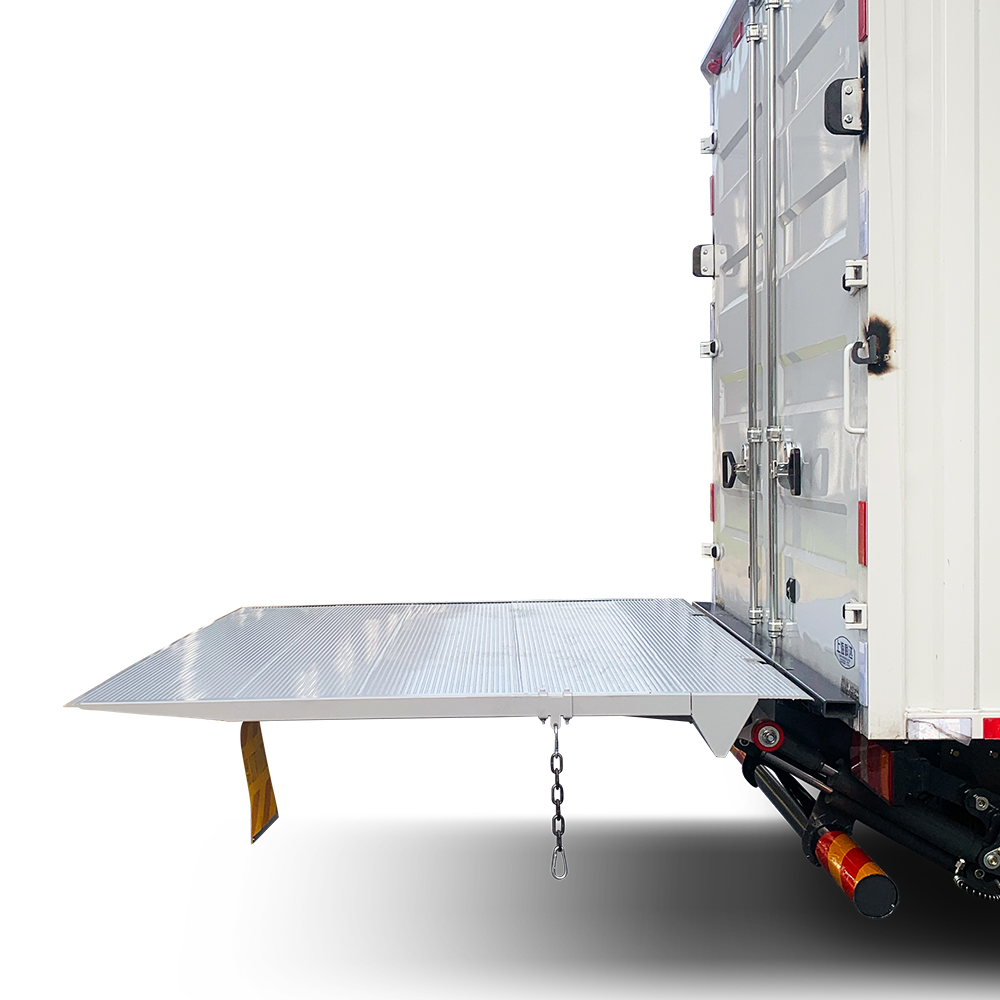
Signs That Your Tail Lift Is Already Showing Abnormal Wear
During routine inspection, the following signs often mean a tail lift has entered a stage of wear worth paying attention to:
- Unusual noise or slight hesitation during lifting
- Noticeable platform wobble under full or partial load
- A hydraulic lifting speed that has become noticeably slower than before
- Visible wear marks on connecting pins or the lifting arm
- A hydraulic oil level that drops faster than the normal cycle
When only one of these signs shows up, the equipment usually still sits at an early stage. Regreasing or topping up fluid can often address it. But when several signs appear together, the wear has usually progressed further. It can affect equipment stability and load-bearing safety. Schedule a professional inspection as soon as possible rather than waiting for the next routine service. Always weigh these signs against actual usage intensity rather than a fixed calendar. Vehicles running high-frequency loading cycles, or operating under sustained full load, tend to show these signs earlier. Vehicles used less intensively show them later. Keep that in mind when you set an inspection schedule for a specific fleet. Don’t apply the same interval across every vehicle, regardless of duty cycle. This is one reason many operators only discover a wear issue during a scheduled service rather than through day-to-day observation. A documented inspection routine tends to catch problems earlier than relying on memory alone.
How Material and Structural Design Affect Wear Resistance
From an industry engineering perspective, tail lift durability depends largely on two factors: material selection and structural design. The two tend to work together rather than independently.
Material Selection
Manufacturers typically build the frame and platform of a tail lift from medium-to-high strength steel. After appropriate heat treatment, this steel can withstand repeated loading while maintaining structural stability. That reduces deformation and early fatigue caused by repeated stress cycles. Core hydraulic components, such as the piston rods on the lifting and tilting cylinders, generally require chrome hardening treatment. This reduces friction loss during reciprocating motion and extends the interval before you need to replace the seals.
Structural Design
On the structural design side, even load distribution has a direct impact on the degree of localized stress concentration. A well-engineered frame structure transfers load progressively from the platform to the vehicle chassis. That avoids stress buildup at individual connection points. It also lowers the risk of structural wear developing at any single weak point. Low-friction bearings or bushings at rotating joints can also help slow down the wear process. This matters most at pin and roller connections, which see constant motion during every lifting cycle. The choice of bushing and bearing material at these joints acts as a secondary but meaningful factor. It directly affects how quickly play develops at each connection point over repeated use.
What This Means When Buying or Replacing Equipment
If you’re planning to purchase or replace equipment, look past the initial purchase price. Weigh the structural configuration and material specification of a hydraulic tail lift against long-term ownership cost. A lower upfront cost can sometimes translate into higher wear-related maintenance spending over the equipment’s service life. Account for that when comparing quotes. When comparing suppliers, ask directly about two things: the grade of steel used in the frame, and the surface treatment applied to cylinder rods. These two details have an outsized influence on how the equipment performs after several years of daily use.
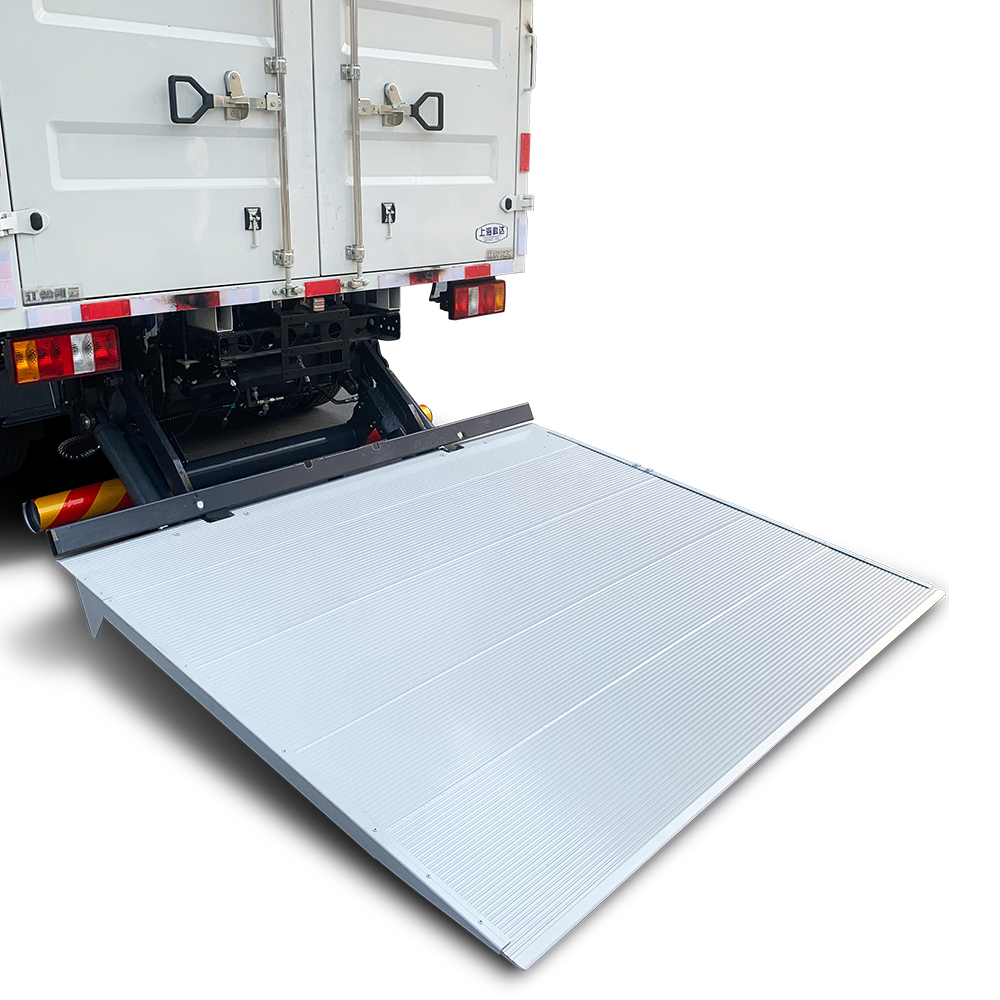
Daily Maintenance Practices to Extend Tail Lift Lifespan
Structured daily maintenance can meaningfully slow down truck tail lift wear. This holds true even when the underlying material and design are already sound. Here are a few concrete, actionable practices:
Five Core Maintenance Steps
- Apply grease to the pin shafts on a regular schedule. Aim for roughly once a month under standard transport conditions, or once every two weeks under heavy-load or rough-road conditions. Clean dirt and debris around the grease nipple before applying. Add grease until fresh grease emerges at the gap. Wipe off any excess afterward so it doesn’t attract dust.
- Replace the hydraulic oil on a regular cycle. A good baseline is every six months, or after roughly 500 hours of cumulative operation, whichever comes first. If the oil looks emulsified, milky, or dark and thick, replace it immediately regardless of schedule. Degraded oil speeds up wear on valves and cylinders. When changing the oil, drain the old oil completely and clean out any sludge inside the reservoir. Filter new oil through a 200-mesh or finer filter before adding it, to keep contaminants out of the hydraulic circuit.
- Adjust the hydraulic oil grade seasonally. ISO 46 anti-wear hydraulic oil generally suits normal ambient conditions. Switch to ISO 10 low-temperature hydraulic oil once temperatures drop below 10°C. This keeps valve response and lifting performance steady in cold conditions.
- After an oil change, cycle the platform up and down, including tilting, three to five times under no load. This bleeds air from the lines. Then recheck the oil level and top up if needed before returning the tail lift to service.
- Check fastening bolts regularly for looseness. Also inspect hydraulic hoses and fittings for bulging, surface wear, or signs of oil leakage. A pre-trip check once a week works as a reasonable baseline. Increase that frequency for heavy-load or long-haul routes, where vibration and cycle counts run higher.
Adjusting Frequency to Actual Usage
Adjust maintenance frequency to actual usage intensity rather than treating it as fixed. Vehicles running high-frequency loading cycles or sustained full-load operation can reasonably shorten their inspection intervals. That catches developing wear earlier, before it progresses to the point of affecting safety or requiring part replacement.
Frequently Asked Questions
Q: Where does truck tail lift wear typically start?
A: Truck tail lift wear most commonly starts at the piston rods of the lifting and tilting cylinders, since they face repeated friction. The platform and lifting arm connection points come next, since they absorb structural load impact. These correspond to two distinct wear mechanisms: friction wear and structural fatigue. They tend to progress at different rates and often need different maintenance responses.
Q: Can a tail lift still be used once wear appears?
A: It depends on the severity. You can usually address minor noise or a slight drop in oil level through greasing or topping up fluid. No need to stop operation. But if the platform shows noticeable wobble, or components show visible damage, pause use. Schedule a professional inspection before continuing normal operation.
Q: How often should the pin shafts on a tail lift be greased?
A: Under standard transport conditions, once a month works as a reasonable baseline. Shorten that to about once every two weeks under heavy-load or rough-road conditions. Clean the grease nipple area beforehand to keep debris from entering the bushing and speeding up wear over time.
Q: How often should tail lift hydraulic oil be changed?
A: A general interval runs every six months or roughly 500 hours of cumulative operation, whichever comes first. If the oil turns emulsified, milky, or dark and thick, replace it immediately regardless of the schedule. This avoids speeding up wear on valves and cylinders.
Q: How can you tell if a tail lift needs replacement rather than repair?
A: If wear has already affected structural stability — for example, cracks in the frame or visible platform deformation — replacement is generally the better call. If the wear stays limited to a specific component, replacing that single part usually restores normal operation.
Final Takeaways
Truck tail lift wear comes from structural stress, mechanical friction, and environmental exposure acting together. No single measure eliminates it entirely. What you can do is slow its progression. Sound material and structural design choices help on one side; structured, consistent daily maintenance helps on the other. The more effective approach isn’t waiting for a failure to occur. Build a habit of routine observation instead. Watch lifting speed, listen for unusual noise, check for loose components, and schedule inspections in line with actual usage intensity. Always verify against the unit’s actual condition whether it needs repair, part replacement, or a shorter maintenance interval. Don’t assume from a general guideline alone.
Trusted by Fleet Operators Across 60+ Countries
Stop Losing Time at the Loading Dock.
Get a Custom-Matched Tail Lift Quote in 24 Hours.
60
Countries Served
24h
Quote Turnaround
99.9
Field Uptime
5.0
Customer Rating
No Obligation
CE & UKCA Certified
Standard & Custom Builds
Worldwide Shipping