Having trouble submitting? Email us directly at nicole@beauway.com and we'll get back to you within 24 hours.











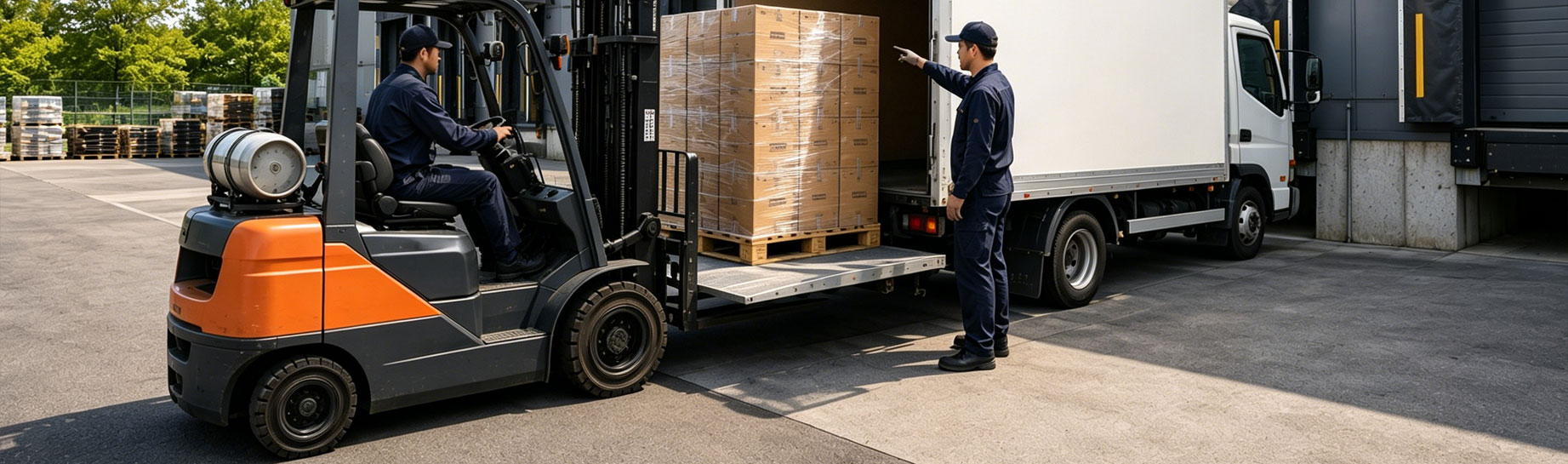
Why Do Hydraulic Dock Leveler Fail in Summer? 5 Heat-Related Risk Points
A hydraulic dock leveler doesn’t just sit there in summer heat — it quietly loses working life while warehouse staff feel the same strain. In recent years, the U.S. Occupational Safety and Health Administration (OSHA) has advanced a proposed heat injury and illness prevention standard. The standard specifically identifies loading docks as a high-risk area for heat exposure. This is a useful reminder: summer heat at the dock isn’t simply a matter of discomfort. Regulators and the industry now treat it as an operational risk.
In short: Hydraulic dock levelers fail more often in summer because of five compounding heat effects — falling oil viscosity, faster seal aging, pit heat buildup, motor and control system thermal derating, and peak-season cycle frequency stacking on top of all four. Each one is preventable with the right pre-summer inspection.
Most discussions about summer warehouse operations focus on staffing, hydration, and ventilation. The heat stress on the dock equipment itself gets far less attention. Yet a Fixed Dock Leveller, installed permanently in a dock pit, faces direct sun exposure, heat buildup inside the pit, and high-frequency loading cycles throughout the day. Its hydraulic oil, seals, steel deck plate, and motor system all show predictable performance decline under sustained heat. Without understanding these risk points in advance, a facility can face unplanned downtime right when it needs the equipment most.
Some of these issues don’t appear the moment temperatures rise. They build gradually as heat accumulates over days and weeks of operation. This gradual buildup is exactly why routine inspections often miss them. By the time an operator notices something is wrong, the problem has often progressed well past a simple fix.
Below are the five areas where a hydraulic dock leveler is most likely to run into trouble during the summer months. Each one comes with the mechanics behind it.
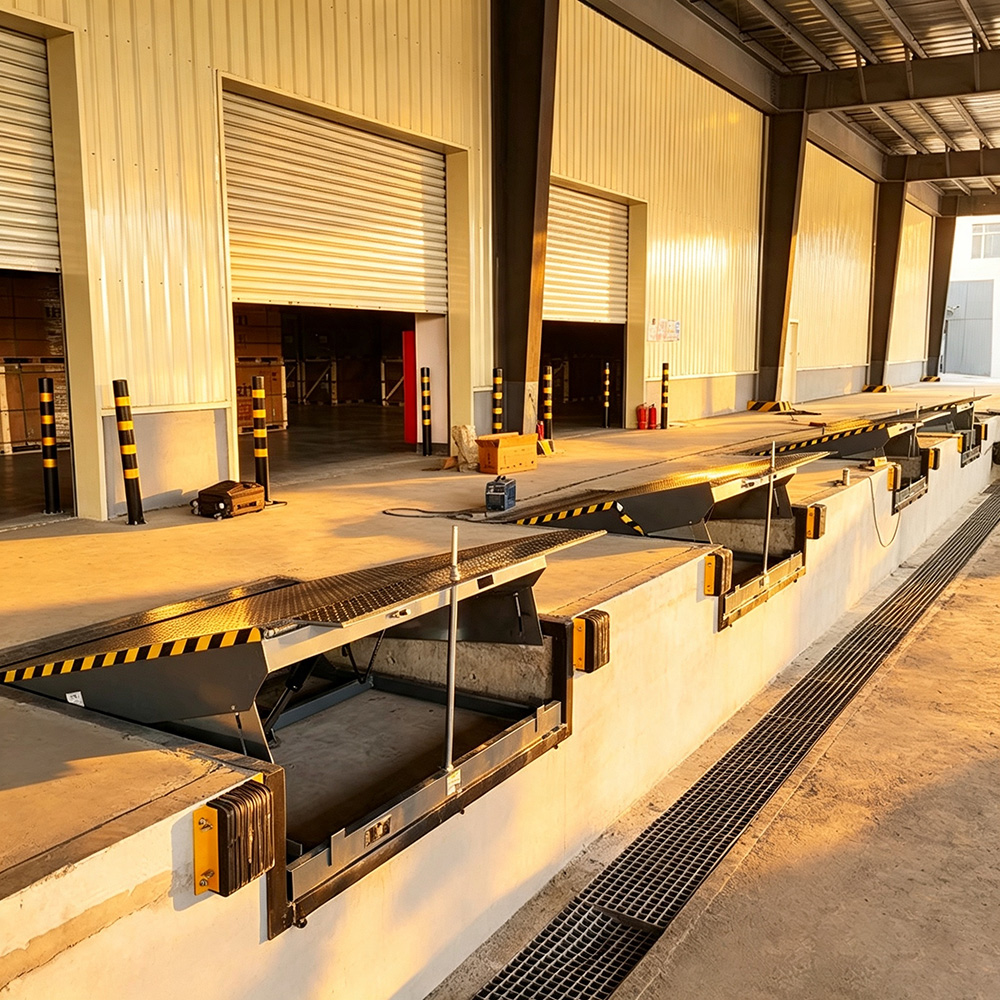
1. Hydraulic Dock Leveler Oil Viscosity Drops, Slowing Lift Response
A hydraulic dock leveler relies on hydraulic fluid to transmit power. The fluid drives the platform up, down, and extends the lip onto the trailer bed. Hydraulic oil viscosity is highly sensitive to temperature. As ambient and operating temperatures rise, viscosity drops and the fluid becomes noticeably thinner.
This shift may sound minor, but its effect is immediate. The generally accepted optimal operating range for hydraulic systems is roughly 38–54°C (100–130°F). Within that window, the pump, control valves, and cylinder maintain stable lubrication and sealing, and system response stays predictable. Once the actual fluid temperature climbs above that range, low viscosity allows internal leakage across the tight clearances inside the pump. Pressurized fluid that should be doing work instead bypasses back into the low-pressure side of the circuit. In practice, this shows up as a platform that lifts noticeably slower. It feels sluggish to operate and lags visibly under heavier loads, taking longer to reach position than it should.
Sustained overheating also accelerates oxidation of the oil itself, producing sludge and varnish-like deposits. These residues cling to valve spools, seal lips, and filter elements. They further degrade the precision of the hydraulic system’s movements. Over time this creates a self-reinforcing cycle: higher temperature degrades the fluid faster. Degraded fluid then reduces the system’s own cooling and lubrication performance.
For a fixed dock leveler cycling dozens or even hundreds of times a day, this heat buildup is especially noticeable during peak summer. It’s most visible at dock positions facing direct sun or lacking shade and ventilation improvements. Operators often notice the leveler working normally first thing in the morning. By mid-afternoon, lift speed noticeably changes as ambient temperature climbs and operating hours accumulate. This “gets slower as the day goes on” pattern is a direct symptom of rising oil temperature and falling viscosity. It’s not a sudden mechanical failure.
2. Cylinder Seals Age Faster, Leading to Leaks or Slow Platform Sinking
Heat quietly damages hydraulic cylinder seals more than almost any other component — and operators overlook this damage most often. Standard nitrile rubber (NBR) seals typically have a heat tolerance ceiling around 80–90°C. Once fluid temperature stays close to or above that threshold, the rubber gradually hardens and loses elasticity. It eventually develops fine cracks under repeated pressure cycling. The hydraulics industry calls this process “heat aging.” It is irreversible, and routine maintenance cannot reverse it.
Early-stage seal degradation is easy to miss because the symptoms are subtle. Two early warning signs stand out. The first is slight fluid seepage around the cylinder rod. The second is a platform that slowly sinks after operators raise it to position and leave it idle, rather than holding steady at the set height. This gradual sinking usually indicates internal bypass at the piston seal. Hydraulic fluid slowly leaks from the high-pressure side of the cylinder to the low-pressure side. If left unaddressed, the leak tends to worsen over time. It can eventually cause complete seal failure and contamination throughout the hydraulic system. In extreme cases, the platform can suddenly drop while under load, creating a serious safety hazard for workers on the dock.
Dock levelers operating in high-load, high-frequency environments face consistently elevated ambient temperatures. For these, the industry commonly recommends upgrading from standard nitrile to fluoroelastomer (FKM, often known as Viton) seals. These tolerate temperatures up to roughly 200°C, which substantially reduces heat-related aging and extends replacement intervals. It’s worth noting that seal degradation and leakage typically progress gradually. In the early stages they rarely interfere with normal operation. That’s exactly why the warning signs get ignored — until the leak becomes significant or the sinking is pronounced enough to affect loading operations. A routine visual inspection costs far less than dealing with the problem after it has already become one.
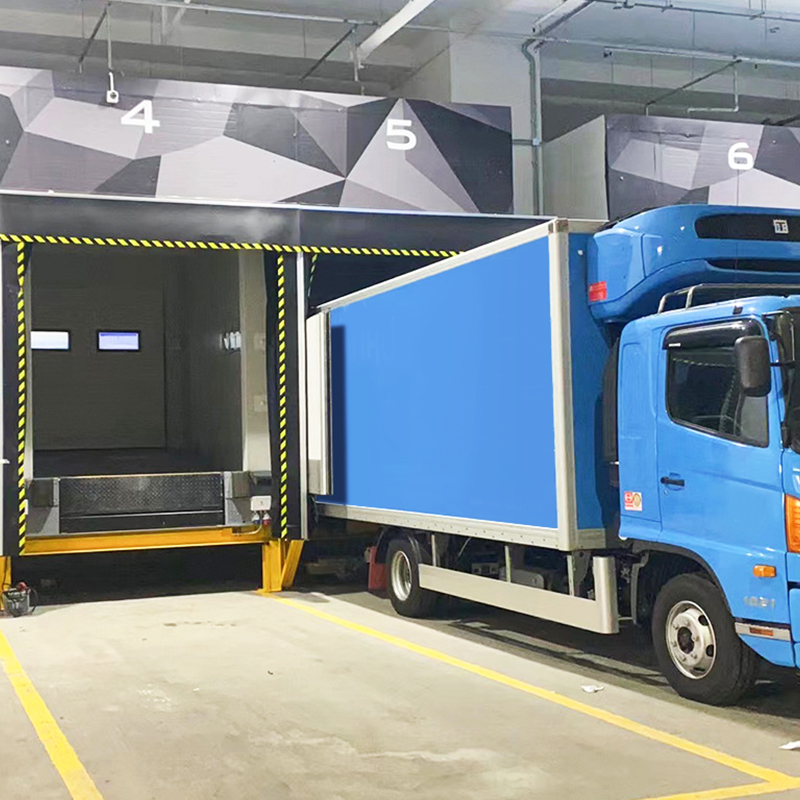
3. Steel Deck Plates Absorb Heat, Creating an “Oven Effect” Inside the Dock Pit
Most fixed dock levelers are pit-mounted, with a deck plate typically made from 6–8mm checkered steel to withstand repeated forklift traffic and heavy loads. Steel conducts heat quickly and offers little insulating value. Under direct summer sun, the deck surface temperature climbs rapidly. It continuously conducts absorbed heat downward into the relatively enclosed pit space beneath it.
Concrete and steel framing tightly surround the pit, so ventilation is typically limited. Heat has nowhere to dissipate the way it would in an open space. Measured temperatures inside the pit are often noticeably higher than elsewhere in the facility, creating a semi-enclosed, oven-like microenvironment. The hydraulic reservoir, cylinder body, hose fittings, and some electrical components usually sit directly inside or immediately adjacent to this pit. These parts must contend with heat the hydraulic system generates internally through its own operation. They also face the additional external heat load radiating from the pit environment itself.
This explains why many facilities report that “the same dock leveler, under similar usage intensity, fails noticeably more often in summer than in other seasons.” It’s often not a drop in equipment quality. Instead, the pit environment itself acts as a natural heat trap. It amplifies the viscosity and seal-aging issues described above, pushing components already near a failure threshold over the edge faster.
By comparison, some installations add shade covers over the dock position, or design pits with ventilation openings and drainage. These tend to report noticeably lower summer failure rates. This suggests pit ventilation design has a real impact on summer reliability — one that’s arguably just as significant as direct maintenance of the hydraulic system itself. Routine “maintenance” discussions often leave it out.
4. Motors and Control Systems Face Thermal Derating Risk
The hydraulic power unit on a dock leveler relies on an electric motor to drive the pump. This motor supplies pressure and flow to the entire hydraulic system. Industrial motors are typically rated for a maximum ambient temperature of 40°C — a widely used international reference standard. When actual operating temperatures consistently exceed that threshold, the motor’s internal winding cooling efficiency drops noticeably. Sustained operation under those conditions accelerates degradation of the winding insulation.
A widely cited rule of thumb in motor engineering holds that insulation life roughly halves for every 10°C of sustained overtemperature. In practical terms, a motor running continuously at around 50°C ambient sits 10°C above the standard 40°C design threshold. Its insulation life may be cut to roughly half of what the design intended, with failure and replacement cycles arriving correspondingly sooner.
Beyond winding insulation, contactors, breakers, and other electrical components inside the control box face similar thermal derating. The higher the surrounding temperature, the lower the current these components can safely carry. If the original component selection didn’t build in sufficient margin for summer heat, the high-temperature season brings a higher likelihood of nuisance tripping and control malfunctions.
Motors or control systems installed in poorly ventilated locations run a higher risk. So do units where cooling passages have accumulated dust without regular cleaning. Summer electrical fault rates tend to rise noticeably in these cases — a pattern well documented in real-world maintenance records. Fortunately, the inspection cost for this issue stays relatively low. In most cases, simply opening the enclosure to check the heat sink fins for dust and confirm the airflow path is clear catches problems early. This makes it one of the highest-value preventive checks available.
5. Peak-Season Frequency Compounds the Heat Effect on Hydraulic Dock Levelers
Summer also happens to be the peak shipping season for many logistics, retail distribution, and e-commerce fulfillment operations. This drives up the actual usage frequency of the hydraulic dock leveler. It also raises the number of lift cycles per unit of time. Every complete lift-and-lower cycle generates a certain amount of heat from internal friction and pressure fluctuation. In milder seasons, this heat typically dissipates naturally in the gap between operations. But when ambient temperature is already at its annual peak, the equipment often can’t fully shed heat from one cycle before the next lift begins. Heat keeps accumulating rather than settling back down.
This compounding effect between high-frequency use and high ambient temperature amplifies all four of the previous risk points simultaneously. Overall fluid temperature climbs faster and viscosity drops more noticeably. Seals endure more heat cycles per unit of time, accelerating aging. Heat buildup inside the pit becomes more severe. The power unit runs closer to full thermal load with little chance to cool down. Any component already sitting near a failure threshold is likely to fail first during this high-frequency stretch, causing sudden downtime.
This is also why summer dock leveler failures often seem to appear “out of nowhere.” In reality, the problem rarely forms overnight. Several smaller issues accumulate quietly over weeks or months. They surface together right as peak-season load hits its highest point. An inspection timed for when temperatures first start climbing — but before volume reaches its full peak — can often prevent a much costlier mid-season breakdown. That timing costs a fraction of dealing with a failure once it happens.
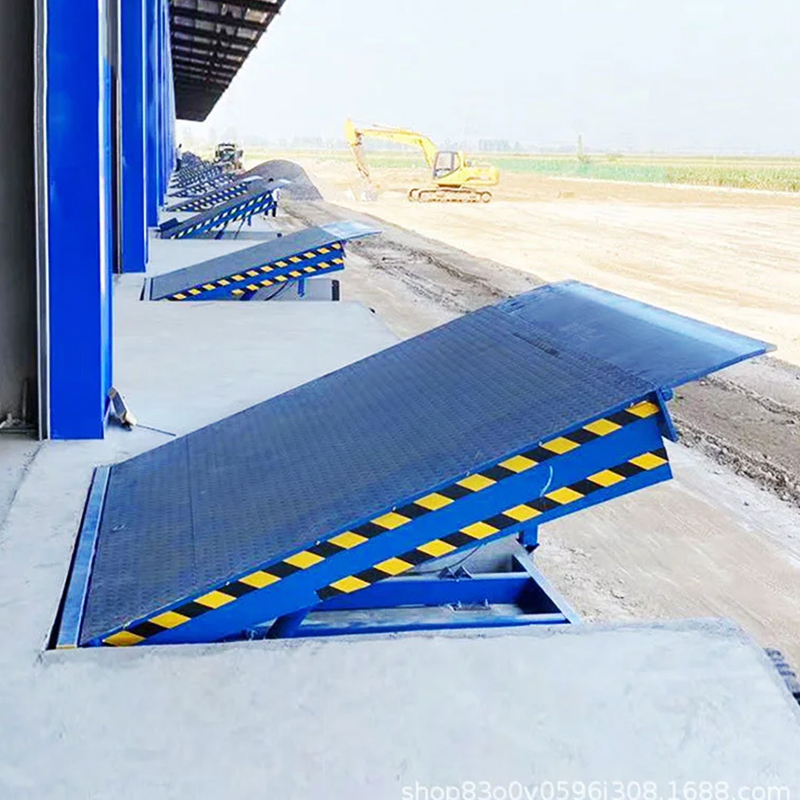
Pre-Summer Inspection Checklist
Understanding the mechanics behind these risks is only half the job. Turning that understanding into concrete, actionable checks is what actually prevents downtime. Catching these issues ahead of time costs far less time and money than dealing with equipment failure mid-operation. It also won’t disrupt the normal loading rhythm during peak season. Check the following items before summer volume hits its peak each year:
- Check hydraulic oil color and viscosity. Healthy fluid should appear clear to light amber. Fluid that has darkened, turned cloudy, or developed an unusual odor typically indicates oxidation and needs prompt flushing and replacement.
- Inspect the cylinder rod and seal areas. Look for signs of seepage. Test whether the platform sinks slowly after being raised to position — this is the most direct and reliable indicator of seal aging.
- Clear dust and debris from inside the pit. Keeping the ventilation path clear reduces ongoing heat buildup inside the enclosed space.
- Check motor operating temperature and cooling passages. Confirm the heat sink fins aren’t covered in dust or oil residue. Consider adding local ventilation or shade if needed.
- Test the control system’s actual response. Watch for unusual noise, sluggish movement, or frequent tripping — early signs of electrical components running into thermal derating.
- Pace equipment usage sensibly. During sustained high-load periods, build in brief cooling intervals between cycles to avoid compounding heat buildup from continuous high-frequency operation.
Summer heat itself can’t be avoided. But with the right preventive checks in place, most of the equipment failures it triggers on a hydraulic dock leveler can be avoided too. Building these items into a routine pre-summer maintenance schedule gives operations teams a real chance to keep equipment risk manageable before peak-season demand arrives.
Frequently Asked Questions
Q: Why do hydraulic dock levelers fail more often in summer?
A: Heat lowers hydraulic oil viscosity, ages cylinder seals faster, turns the dock pit into a semi-enclosed heat trap, pushes motors and control components toward thermal derating, and compounds all of that with peak-season cycle frequency. Any one of these can cause a slowdown or leak on its own; together they explain why failures cluster in the hottest months.
Q: What temperature range is safe for hydraulic dock leveler oil?
A: The generally accepted optimal operating range for hydraulic systems is roughly 38–54°C (100–130°F). Above that range, viscosity drops enough to allow internal leakage in the pump, which slows the platform’s lift response.
Q: How do I know if a dock leveler’s seals are heat-damaged?
A: The two earliest signs are slight fluid seepage around the cylinder rod and a platform that slowly sinks after being raised and left idle, rather than holding its set height. Both point to internal bypass at the piston seal from heat-related hardening (NBR seals typically tolerate up to 80–90°C before this starts).
Q: How often should a dock leveler be inspected before summer?
A: Once a year, timed for the window when temperatures first start climbing but volume hasn’t yet hit its full peak — that’s early enough to catch oil, seal, pit, and motor issues before the high-frequency stretch of peak season pushes a marginal component into failure.
Q: Can upgrading seal material reduce summer failures?
A: Yes. Standard nitrile (NBR) seals are the most heat-sensitive component in the system. Fluoroelastomer (FKM/Viton) seals tolerate temperatures up to roughly 200°C, which substantially reduces heat-related aging in high-load, high-frequency, high-ambient-temperature environments.
Trusted by Fleet Operators Across 60+ Countries
Stop Losing Time at the Loading Dock.
Get a Custom-Matched Tail Lift Quote in 24 Hours.
60
Countries Served
24h
Quote Turnaround
99.9
Field Uptime
5.0
Customer Rating
No Obligation
CE & UKCA Certified
Standard & Custom Builds
Worldwide Shipping