Having trouble submitting? Email us directly at nicole@beauway.com and we'll get back to you within 24 hours.











Three-Section Bumper Tail Lift: Who Needs It and Why
A Complete Guide to Three Section Bumper Tail Lifts
A three section bumper tail lift is a liftgate mounted on the rear of a truck or van. It works the same way as a standard tail lift. The real difference is a three-section bumper guard fitted underneath. This guard absorbs impact during a rear-end collision or low-speed impact, reducing the chance of shock transferring directly into the lift mechanism and causing a failure.
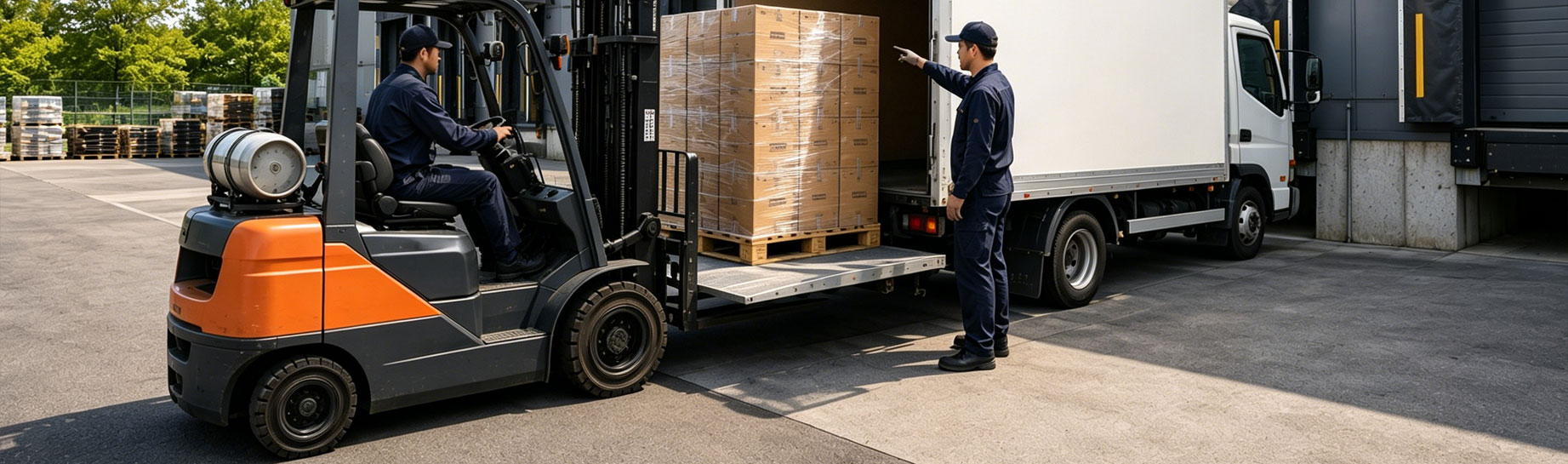
If you run a delivery fleet, a rental operation, or a distribution business, this liftgate solves a specific problem: how do you load and unload heavy pallets without a loading dock. Below, we explain how a three section bumper tail lift works, who needs one, and what to check before buying.
Core Features of a Three Section Bumper Tail Lift
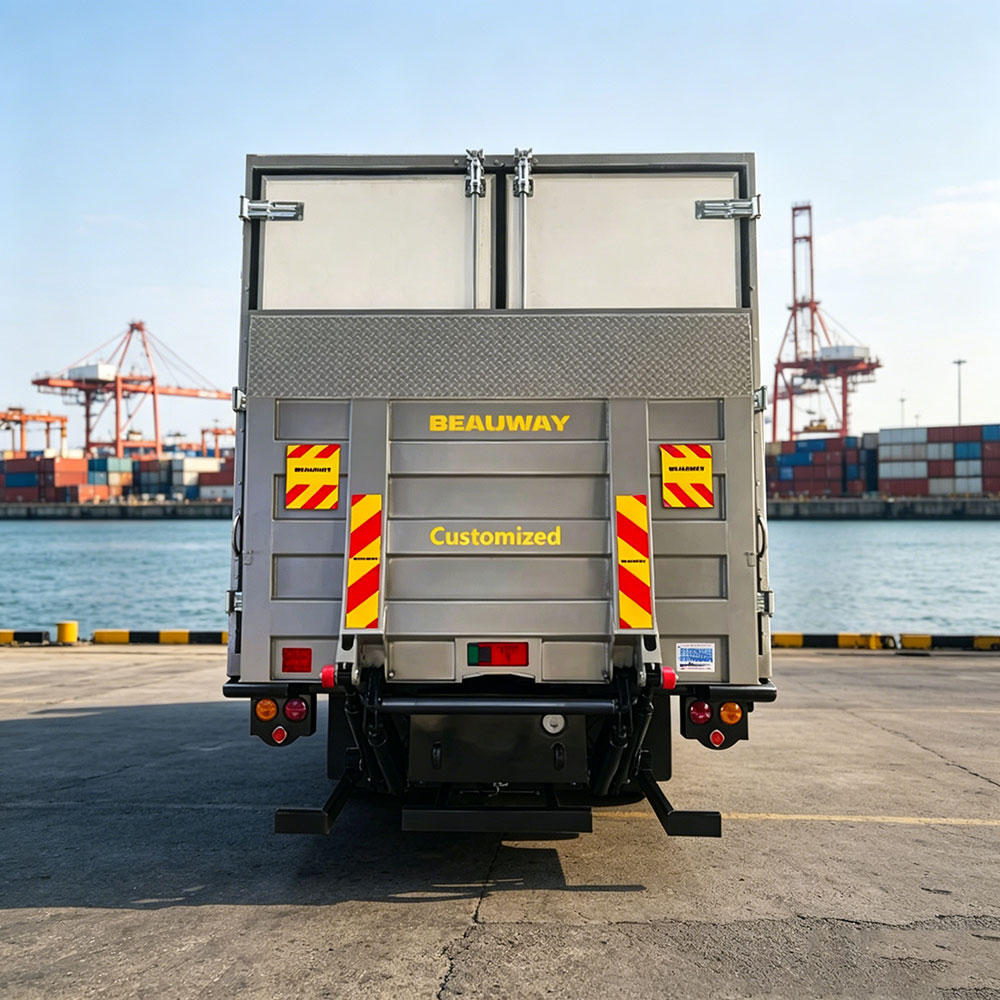
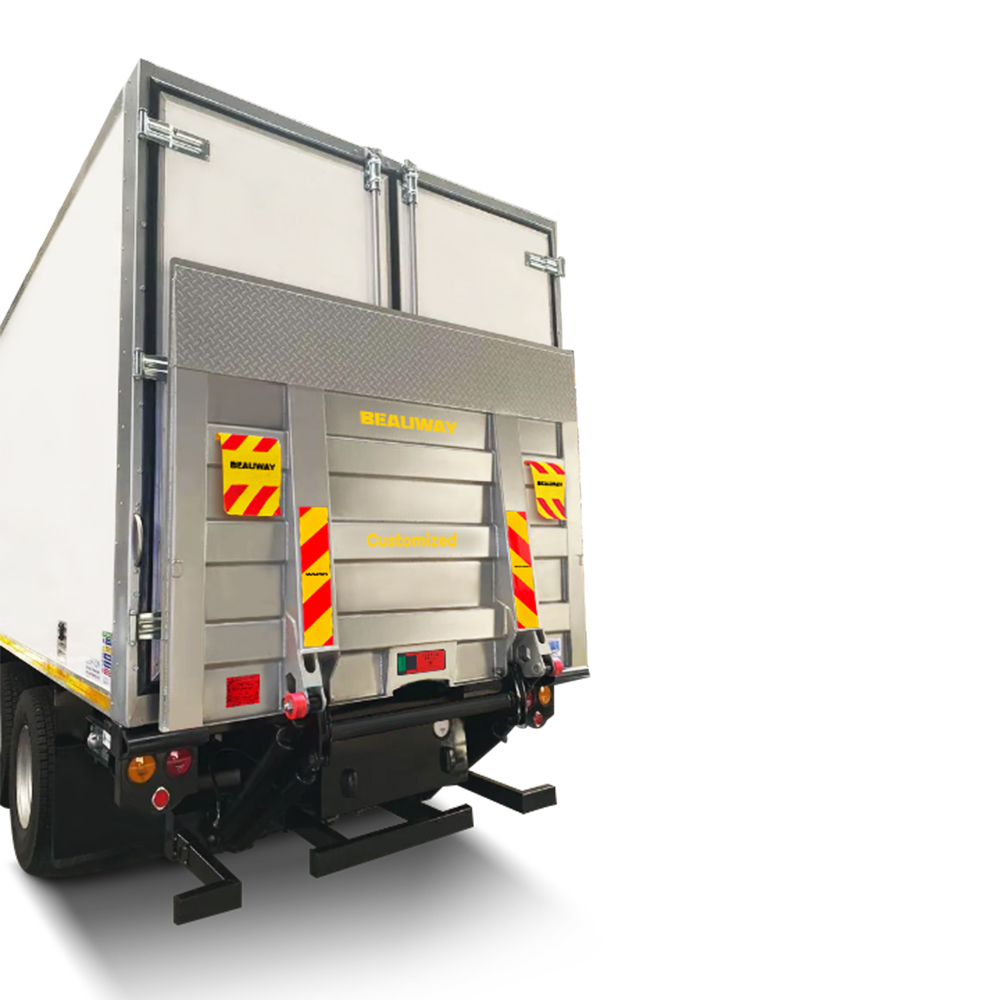
The lifting and loading operation of a three section bumper tail lift is no different from a standard tail lift. The one distinguishing feature is the three-section bumper guard mounted below the lift.
The guard’s main job is impact protection. During reversing or a rear-end collision, the lift mechanism itself carries some risk of impact damage. If the hydraulic cylinders, hinges, or platform structure take a direct hit, the lift can fail and become unusable. The three-section bumper guard adds a layer of cushioning below the lift, reducing the chance that an impact damages the lift’s core components directly.
I’ve spent time on-site with fleet technicians installing and maintaining these units. Technicians report that fleets which reverse frequently into tight loading areas, or operate in regions with higher rear-end collision rates, place more value on this guard. It directly affects the lift’s service life and repair frequency. For exact protection specifications and test data, refer to the manufacturer’s product documentation.
How the Hydraulic System Operates
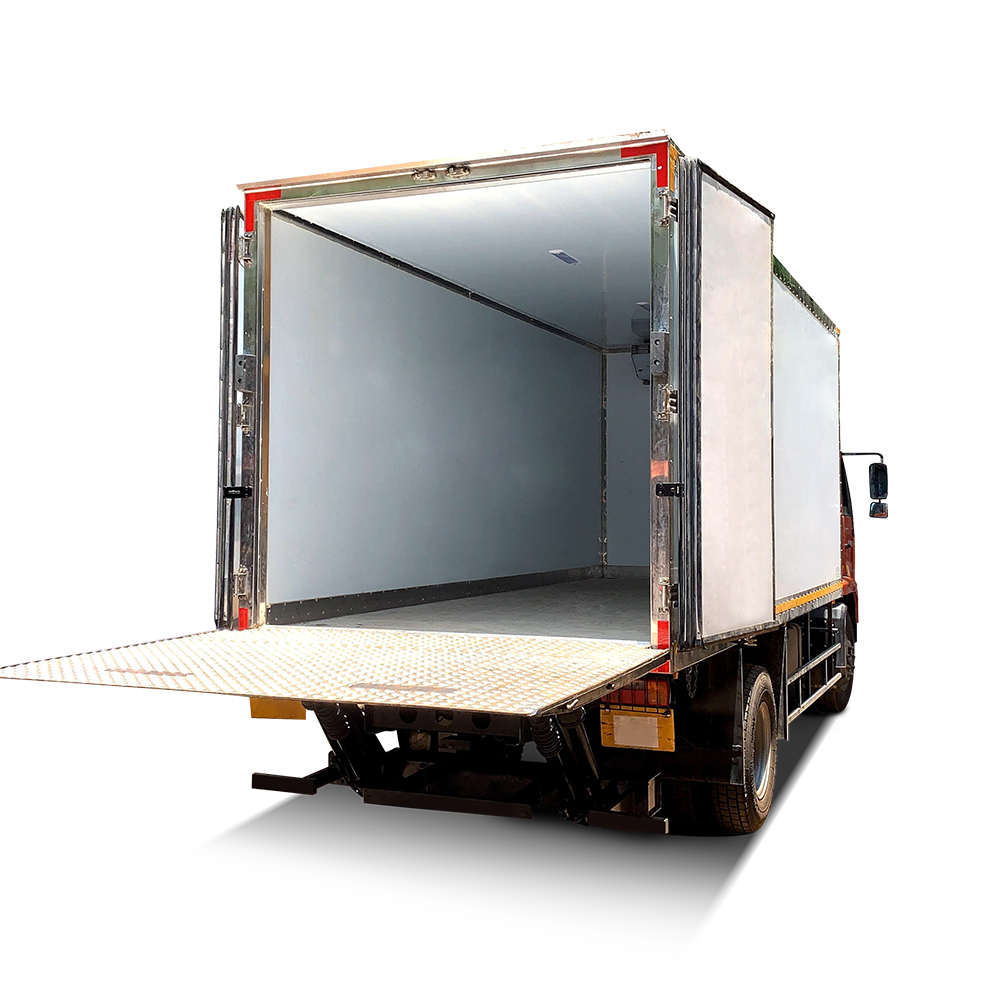
A three section bumper tail lift uses a hydraulic pump connected to the vehicle’s electrical system. The platform lowers to ground level, the operator loads the cargo, and the hydraulic cylinders raise it back to truck bed height. Compared with a manual ramp, this noticeably cuts pallet loading time. This matters most for single-driver operations.
Load capacity comes in several standard tiers, commonly 500 kg, 1,000 kg, 1,500 kg, and 2,000 kg. Custom capacity options are also available based on actual load requirements. Always confirm the exact rated capacity against the manufacturer’s plate before use, and check the vehicle’s axle load limits.
Who Actually Needs a Three Section Tail Lift
Not every fleet needs this configuration. However, certain operations benefit more than others.
- Last-mile delivery companies. Drivers deliver appliances, furniture, or heavy retail goods to homes without a loading dock. They rely on the lift for every stop.
- Cold chain and food distribution fleets. Frequent stops mean the lift runs dozens of times per shift. Reliability matters here.
- Rental and equipment companies. Loading generators, scaffolding, or machinery by hand is slow and risky. A tail lift speeds this up considerably.
- Municipal and waste services. These fleets reverse into tight urban spaces often, raising the risk of rear-end impacts. The three-section bumper guard’s protection is especially valuable here.
On the other hand, some fleets don’t need a liftgate at all. Dock-to-dock operations, where every stop happens at a loading bay, rarely require one. Very light delivery vans carrying parcels under 50 kg may prefer a simpler ramp instead.
A Quick Buyer Checklist
Before ordering, confirm the following:
- Rated load capacity matches your heaviest typical pallet or item. Common tiers are 500 kg, 1,000 kg, 1,500 kg, and 2,000 kg, with custom options available.
- Platform size fits your pallet dimensions, with margin for the operator to stand safely.
- Vehicle compatibility. An installer should verify rear clearance and chassis overhang.
- Certification. The unit should carry CE marking for the European market, confirming it meets EU machinery and safety requirements. For an overview, see the European Commission’s official page: CE marking – European Commission.
- After-sales support. Hydraulic components need periodic maintenance.
Installation and Maintenance Basics
Installation generally takes a full working day when a qualified technician handles it. The job involves mounting the lift and the three-section bumper guard, wiring the hydraulic pump into the vehicle’s power supply, and testing the lift cycle under load. Therefore, schedule installation during planned vehicle downtime rather than rushing it between delivery routes.
Maintenance is straightforward but shouldn’t be skipped. Check hydraulic fluid levels, hinge pins, bumper guard mounting bolts, and platform seals on a regular schedule. Many operators follow a quarterly inspection routine, with more frequent checks for units in heavy daily use. Drivers should also learn to listen for unusual hydraulic noise, which often signals an early seal or valve issue. In addition, if a vehicle has experienced a rear-end collision or reversing impact, it’s worth inspecting the bumper guard and lift mechanism even if there’s no visible damage.
For businesses exploring options, our three section tail lift product range covers several capacity tiers, and our team can help match a configuration to your actual load requirements.
Frequently Asked Questions
What is a three section bumper tail lift used for?
It’s used to load and unload heavy cargo at ground level without a dock, working the same way as a standard tail lift. The three-section bumper guard reduces the risk of the lift mechanism failing after a rear-end collision or reversing impact. Delivery trucks, cold chain vehicles, and rental fleets commonly use this design.
How much weight can a bumper tail lift carry?
Common capacity tiers are 500 kg, 1,000 kg, 1,500 kg, and 2,000 kg, with custom options available based on actual needs. Always check the manufacturer’s rated plate to confirm the capacity of a specific model.
Can a three section bumper tail lift be installed on any truck?
Not always. Compatibility depends on rear clearance, chassis overhang, and electrical capacity. A technician should confirm fit before installation.
Why choose a design with a three-section bumper guard?
The guard reduces the chance of impact force transferring directly to the hydraulic cylinders, hinges, and other core components during a rear-end or low-speed collision. This lowers the likelihood of lift failure and reduces repair frequency and downtime.
How often does a bumper tail lift need maintenance?
Most operators inspect hydraulic fluid, seals, hinges, and the bumper guard mounting every quarter. Lifts in daily heavy use need more frequent checks.
Final Thoughts
The core lifting function of a three section bumper tail lift is the same as a standard tail lift, so it isn’t a must-have upgrade for every fleet. However, for operations that do frequent ground-level loading in environments with higher rear-end or reversing collision risk, the three-section bumper guard can meaningfully reduce lift failure rates and repair costs. Before buying, match the rated capacity to your heaviest load, confirm CE certification, and plan for routine hydraulic maintenance from day one.
If you’re specifying a bumper tail lift for a new or existing fleet, reach out to our team. We’ll run a capacity and compatibility check and walk you through configurations based on your actual load requirements.
Trusted by Fleet Operators Across 60+ Countries
Stop Losing Time at the Loading Dock.
Get a Custom-Matched Tail Lift Quote in 24 Hours.
60
Countries Served
24h
Quote Turnaround
99.9
Field Uptime
5.0
Customer Rating
No Obligation
CE & UKCA Certified
Standard & Custom Builds
Worldwide Shipping