







Chile Construction Logistics Upgrade: How Tail Lifts Improve Safety and Efficiency in Site Freight
Chile Construction Logistics Upgrade: How Tail Lifts Make Site Freight Safer and More Efficient
Why the Chilean Construction Industry Cannot Do Without Tail Lifts
In Chile’s continuous infrastructure expansion, construction logistics efficiency is becoming one of the core variables affecting project delivery cycles and cost control. From commercial developments in the Santiago metropolitan area to mining-related projects around the Atacama Desert, the transport and on-site transfer of heavy construction materials still relies heavily on labor-intensive manual handling. The application of truck tail lift is gradually changing this situation, making the unloading process from truck to ground more controllable, safer, and more consistently efficient.
In procurement terms, more Chilean fleet operators are upgrading tail lift systems not only for efficiency, but also to reduce dependency on site equipment and avoid delivery delays caused by unavailable forklifts or unloading infrastructure.
Why the Chilean Construction Industry Cannot Do Without Tail Lifts
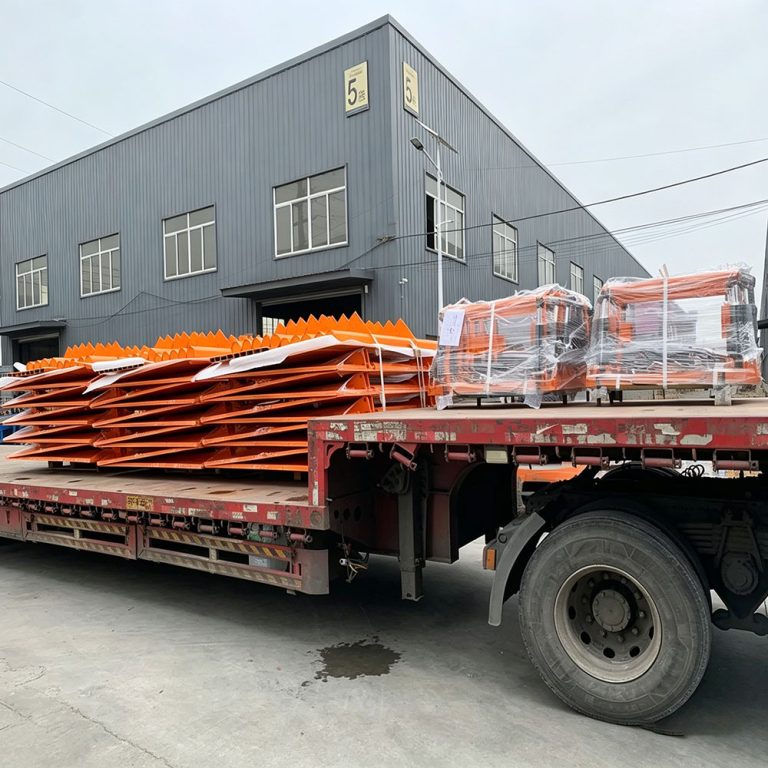
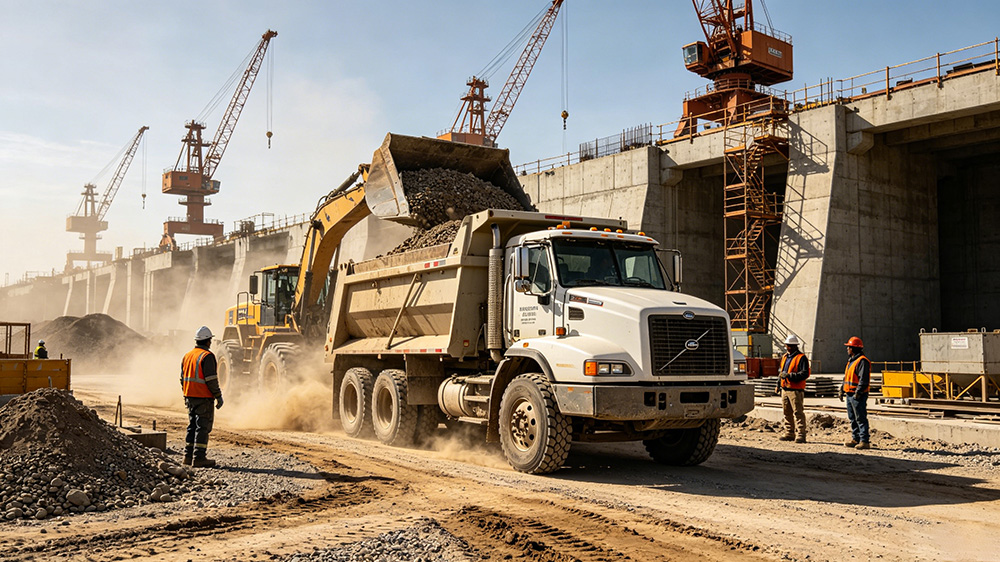
Construction materials inherently carry high-risk characteristics in logistics operations. Cement pallets, precast concrete components, steel structural pipes, large compressor units, and generators often weigh hundreds of kilograms. In some heavy load lifting platform scenarios, loads can even exceed one ton.
In practice, many construction sites in Chile still do not have reliable unloading infrastructure available at the time of delivery. Forklifts may be shared between multiple contractors or unavailable in remote areas. This creates a direct operational risk: trucks arrive but cannot unload on time.
This is where procurement decisions become critical.
Without construction site loading equipment, companies face:
- Delivery delays that increase project downtime cost
- Higher reliance on manual labor and safety risk exposure
- Cargo damage during uncontrolled unloading
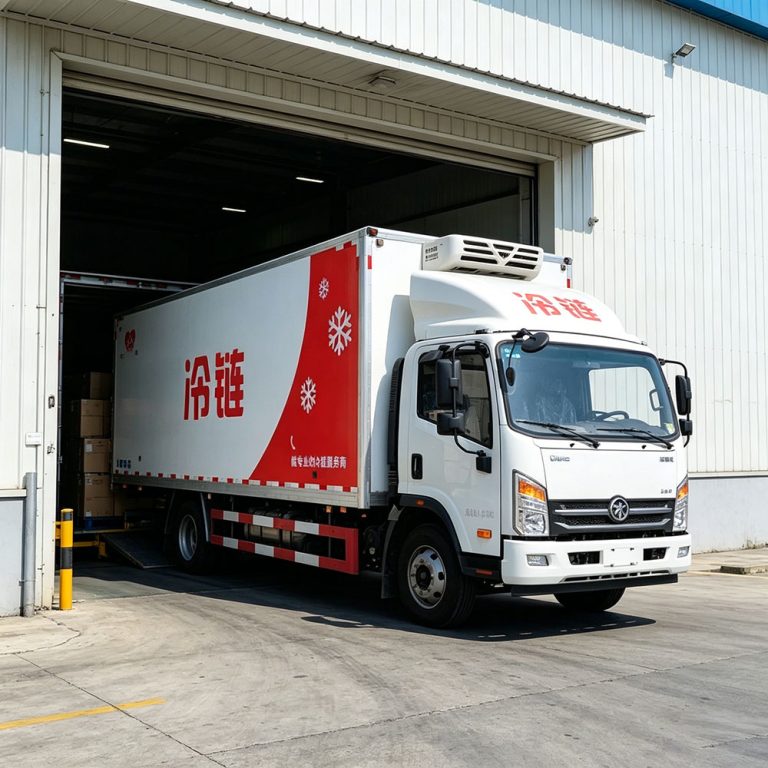
The adoption of vehicle mounted tail lift allows fleets to become self-sufficient in unloading operations, reducing dependency on external site conditions.
From a procurement perspective, this is no longer just an efficiency upgrade — it is a direct investment in logistics reliability and operational risk control.
How Beuaway Tail Lifts Improve Construction Site Safety
In engineering equipment procurement, safety performance is not optional — it directly affects liability exposure, insurance cost, and fleet operating stability.
A mature industrial tail lift system must be selected based on real operating conditions rather than specification sheets alone.
Chile presents highly variable environments, including coastal corrosion zones, high-altitude temperature drops, and mining-area dust exposure.
These conditions directly influence equipment lifespan and maintenance frequency.
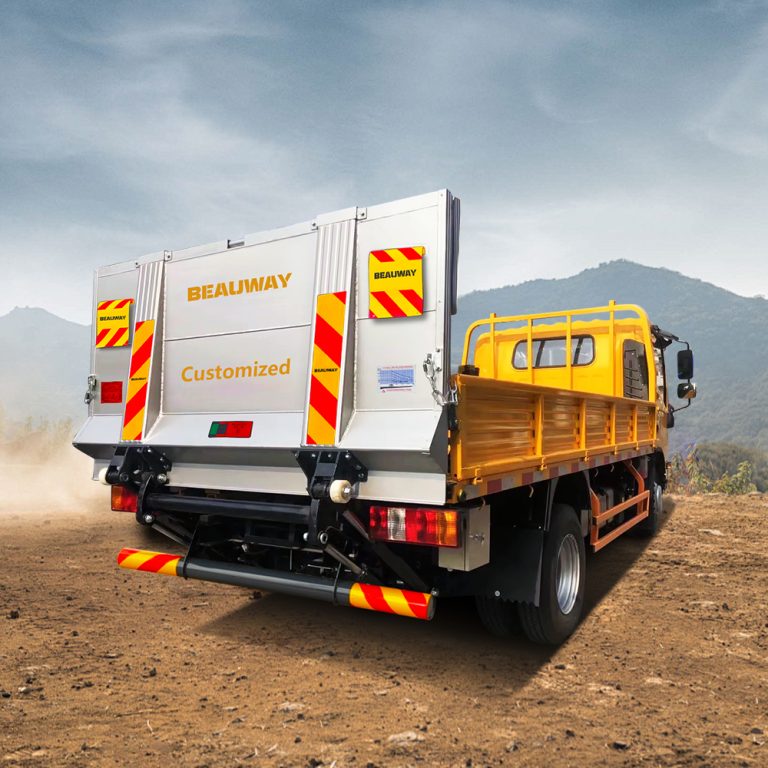
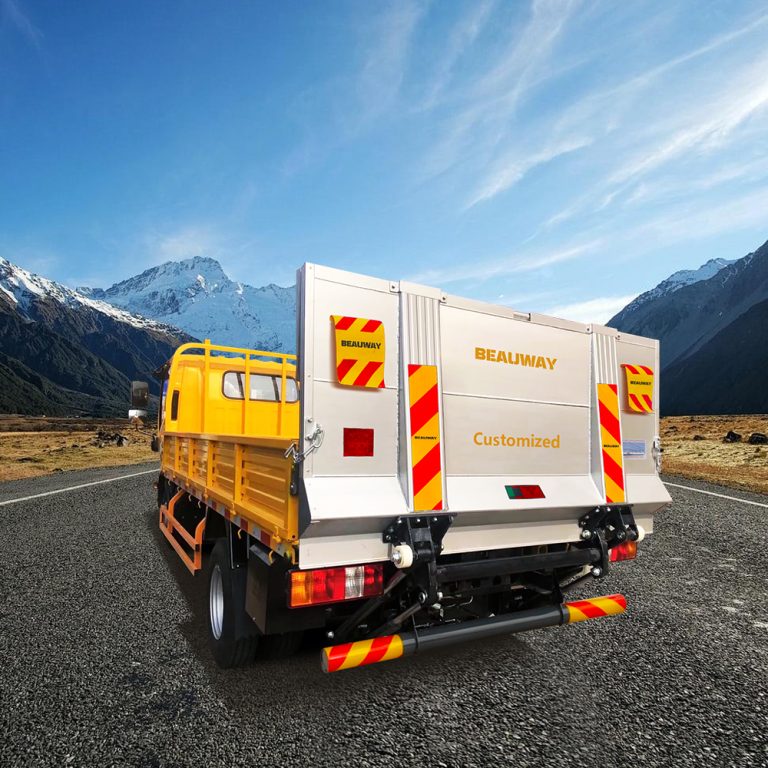
In practical deployment, Beuaway tail lift systems are designed to maintain stability under harsh environments through structural reliability and controlled operation behavior.
This includes:
- Stable loading performance on uneven ground
- Overload prevention mechanisms
- Consistent hydraulic operation under continuous cycles
Material treatments such as corrosion-resistant coating and reinforced structural joints extend service life in coastal and high-dust regions.
For procurement teams, these characteristics are not technical features — they represent predictable lifecycle cost and reduced downtime risk.
How to Select the Right Heavy-Duty Tail Lift for Engineering Vehicles
Selecting a heavy duty tail lift should be based on three procurement variables: load weight, unloading environment, and delivery frequency.
In construction logistics, palletized materials, steel structures, and machinery require different stability conditions under a pallet loading tail lift configuration.
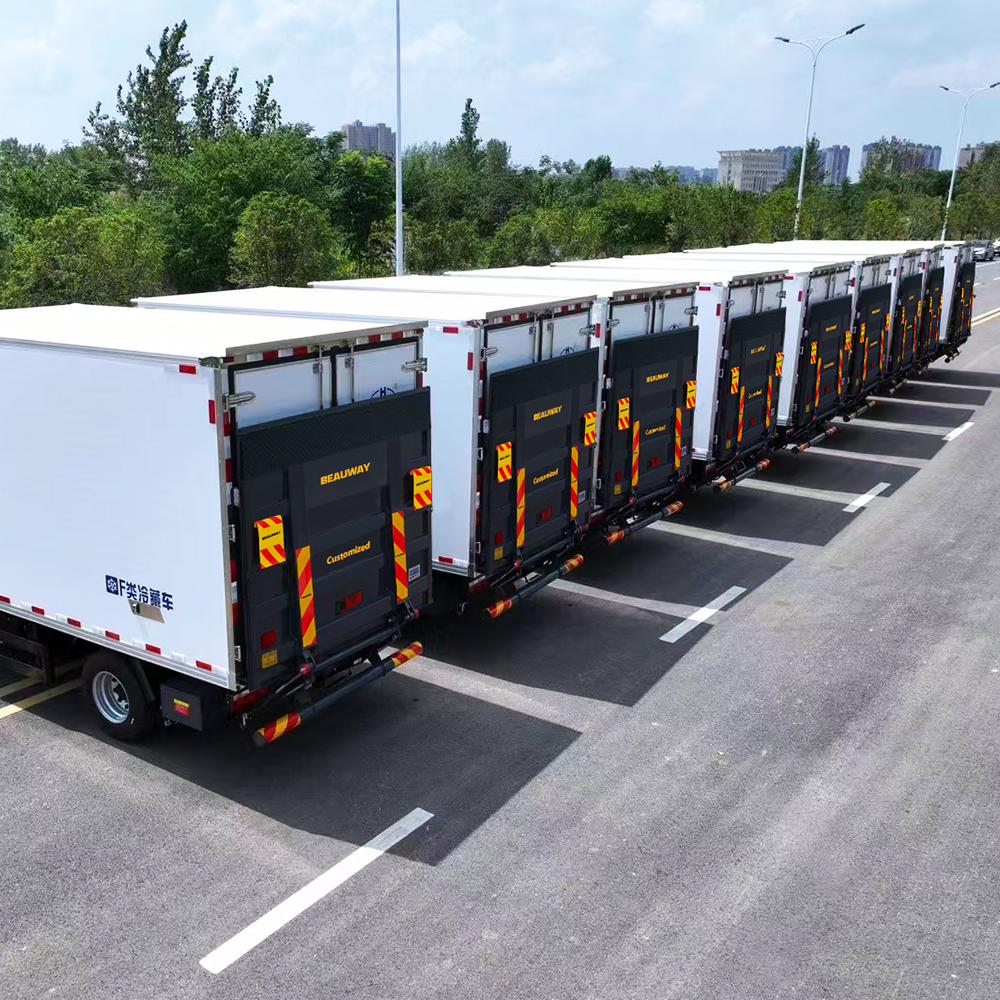
Beuaway provides four core structural options designed for different fleet requirements.
Cantilever Tail Lift
Suitable for unstable ground conditions or sloped construction sites where forklifts or fixed platforms are not available. It is widely used in remote and mountainous project environments where unloading conditions vary significantly.
Folding Tail Lift
Used in multi-purpose fleets that require operational flexibility between urban delivery and construction logistics tasks.
Vertical Tail Lift
Designed for heavy-duty vertical lifting operations in construction environments where precast components are frequently handled.
Concealed Tail Lift
Ideal for urban logistics fleets where vehicle appearance and rear clearance are important. The system is fully hidden when not in use.
A critical procurement factor is often overlooked:
Vehicle payload capacity and tail lift rated load operate as separate engineering systems.
Misalignment between these two parameters is one of the primary causes of premature equipment failure in fleet operations.
Tail Lift Maintenance Strategy in Dusty Construction Environments
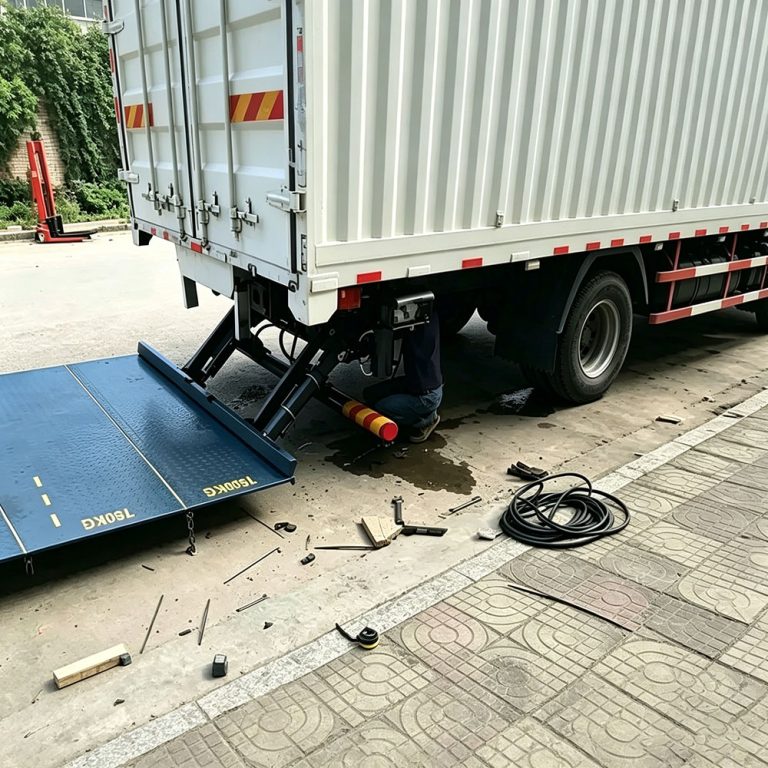
In Chile’s construction and mining logistics sector, freight unloading platform systems operate under significantly harsher conditions compared to standard urban delivery operations.
From a procurement standpoint, the most significant cost driver is not the initial equipment investment but the financial impact of operational downtime.
Typical failure risks include:
- Hydraulic leakage caused by dust intrusion
- Seal degradation under continuous heavy-duty cycling
- Structural fatigue resulting from uneven load distribution
To control total cost of ownership, fleet operators rely on preventive maintenance strategies rather than reactive repair models.
Maintenance practices focus on:
- Inspect hydraulic system for early leakage detection
- Monitor seal wear based on environmental exposure
- Test hydraulic oil quality stability
- Lubricate load-bearing joints
- Check structural integrity of platform and frame
- Verify safety system functionality
Key maintenance principles:
- Preventive maintenance reduces long-term operational cost
- High-dust environments require shorter inspection cycles
- Hydraulic stability directly determines fleet uptime
Efficiency Improvements in Construction Transport Enabled by Tail Lifts
In construction logistics systems, the efficiency of building materials transport directly affects overall project execution speed.
When a construction cargo unloading solution is integrated into fleet operations, delivery schedules become less dependent on external site equipment availability.
Mechanized unloading systems typically reduce unloading time by approximately 30%, improving:
- Daily fleet productivity
- Per-trip labor and fuel cost
- Schedule reliability under contract constraints
In Chile’s mixed terrain logistics environment — including urban roads, mountain routes, and unpaved construction access roads — vehicle mounted tail lift systems provide fleets with operational independence.
This independence is often a decisive factor in procurement decisions for contractors operating under penalty-driven timelines.
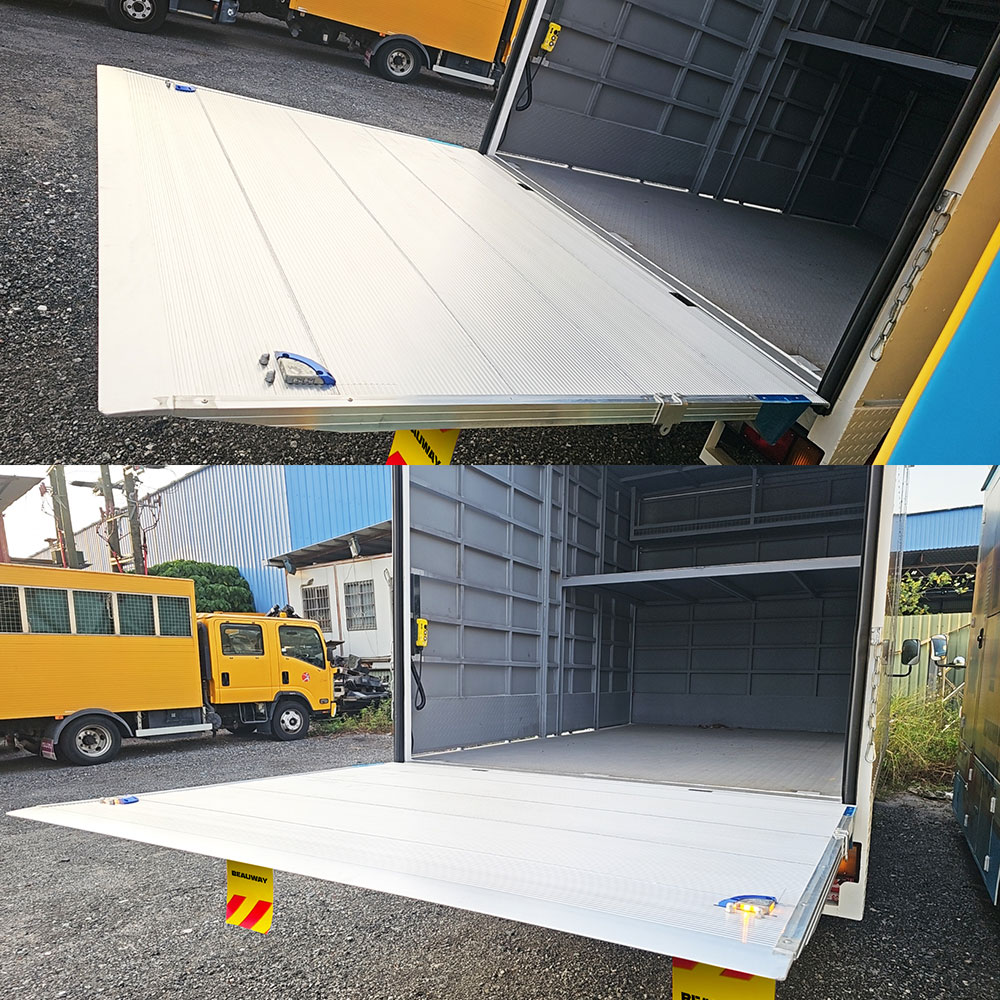
Choosing Beuaway: Full Lifecycle Support for Fleet Procurement
For procurement teams, selecting a tail lift installation service provider is not only a purchasing decision but a lifecycle cost strategy.
Beuaway supports fleet operators with end-to-end services:
- Application-based model selection
- Standardized installation and safety verification
- Scheduled tail lift maintenance service
- Emergency repair response
- Operator training for safe usage
When evaluating a tail lift manufacturer, procurement teams should prioritize:
- Multi-system compatibility
- Regional service capability
- Extreme environment customization ability
- Long-term spare parts support
These factors directly influence total fleet ROI, not just purchase price.
Conclusion: Procurement Decision for Construction Logistics Reliability
For Chilean construction companies, investing in a construction tail lift system is not only an equipment upgrade — it is a procurement strategy for logistics reliability and risk reduction.
It reduces dependency on external site infrastructure, stabilizes delivery schedules, and improves safety compliance across fleet operations.
Beuaway provides tailored tail lift solutions for engineering fleets, covering selection, installation, and lifecycle maintenance services.
For procurement teams, the key decision is no longer whether to adopt, but how quickly the system can be deployed across vehicles to reduce operational risk exposure.