Having trouble submitting? Email us directly at nicole@beaway.com and we'll get back to you within 24 hours.











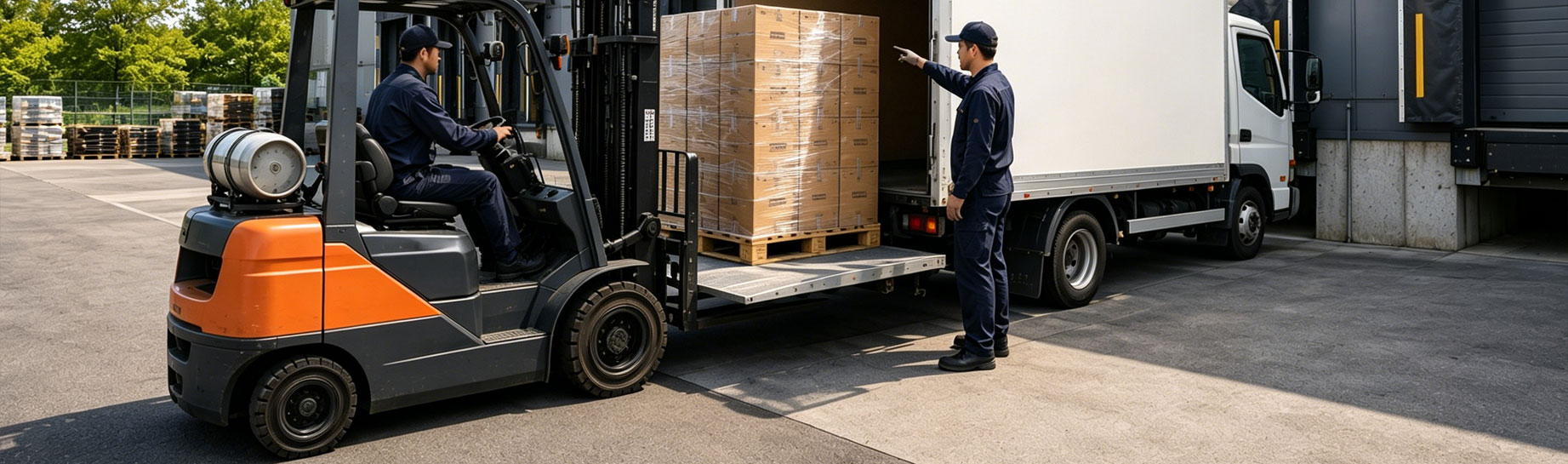
Cantilever Tail Lift vs. Concealed Tail Lift: Which One Belongs on Your Truck?
Spent a good chunk of my career dealing with tail lift repairs and helping people figure out what to spec on their vehicles. And the question that keeps coming up, without fail, is some version of: “Should I go cantilever or concealed — which one’s actually worth the money?”
There’s no clean universal answer to that. Both designs make sense under the right conditions. What I can do is walk you through how I think about it, based on what I’ve seen work and what I’ve seen go wrong out in the field.
Getting the Basics Straight
Before anything else, it helps to understand what separates these two types of Truck Tail Lift at a structural level — because the design difference isn’t cosmetic, it shapes everything about how you’ll use the equipment day to day.
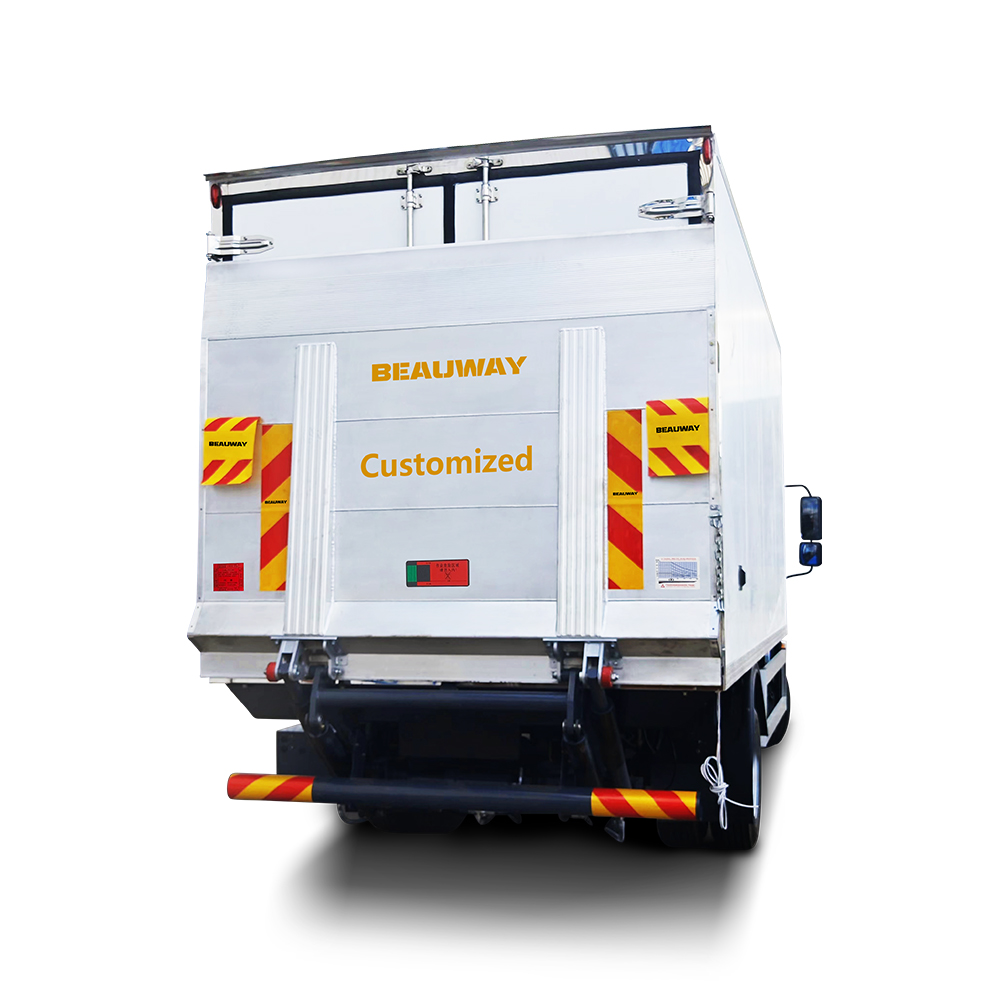
The Cantilever Tail Lift
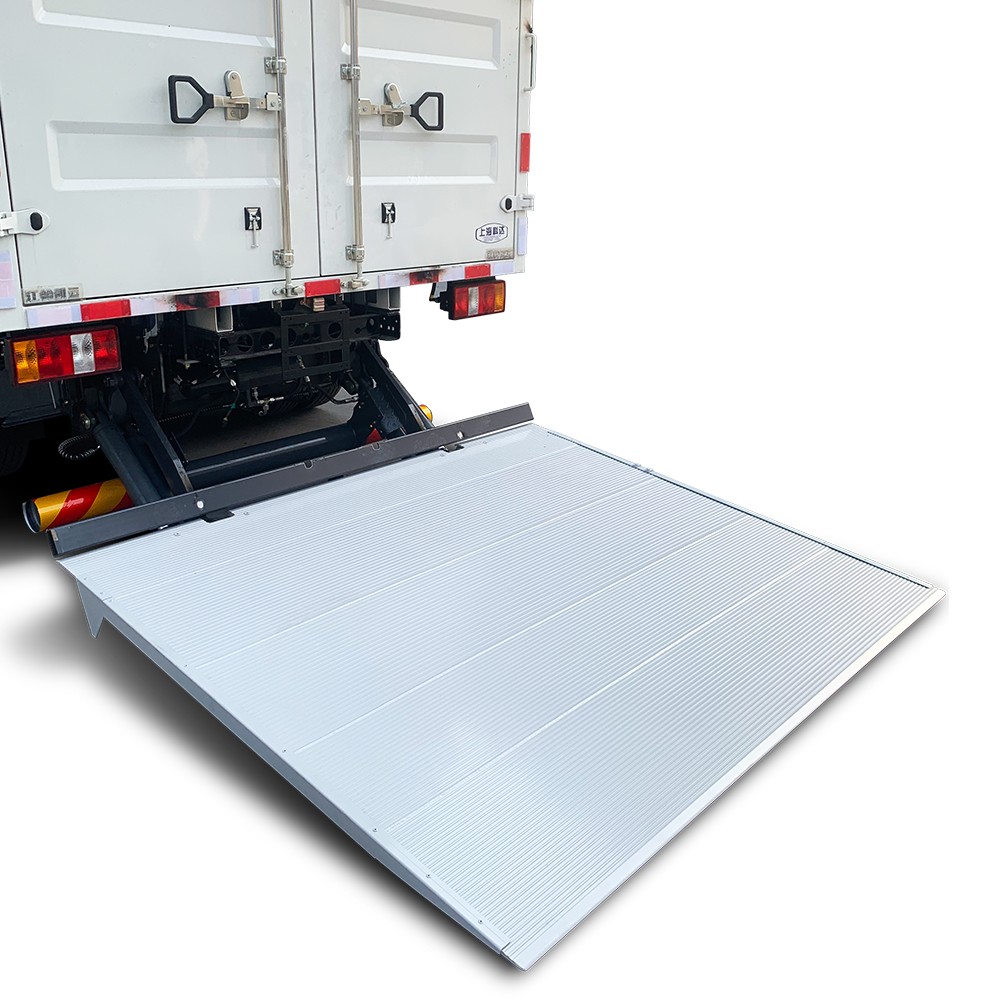
A cantilever tail lift is built around one central idea: the lifting platform and the rear door are the same thing. When you’re not using it, the platform folds up vertically against the back of the body. When you need it, the hydraulic system tilts the platform out and drops it to ground level, then raises it back up flush with the cargo floor.
The whole sequence runs on a Hydraulic Tail Lift system. Drivers don’t need to manually unfold anything or crouch under the vehicle — they work the controls and the machine does the rest. That’s a big part of why fleet operators running heavy freight tend to reach for the hydraulic cantilever tail lift. Less physical burden on the driver, faster turnaround at each stop.
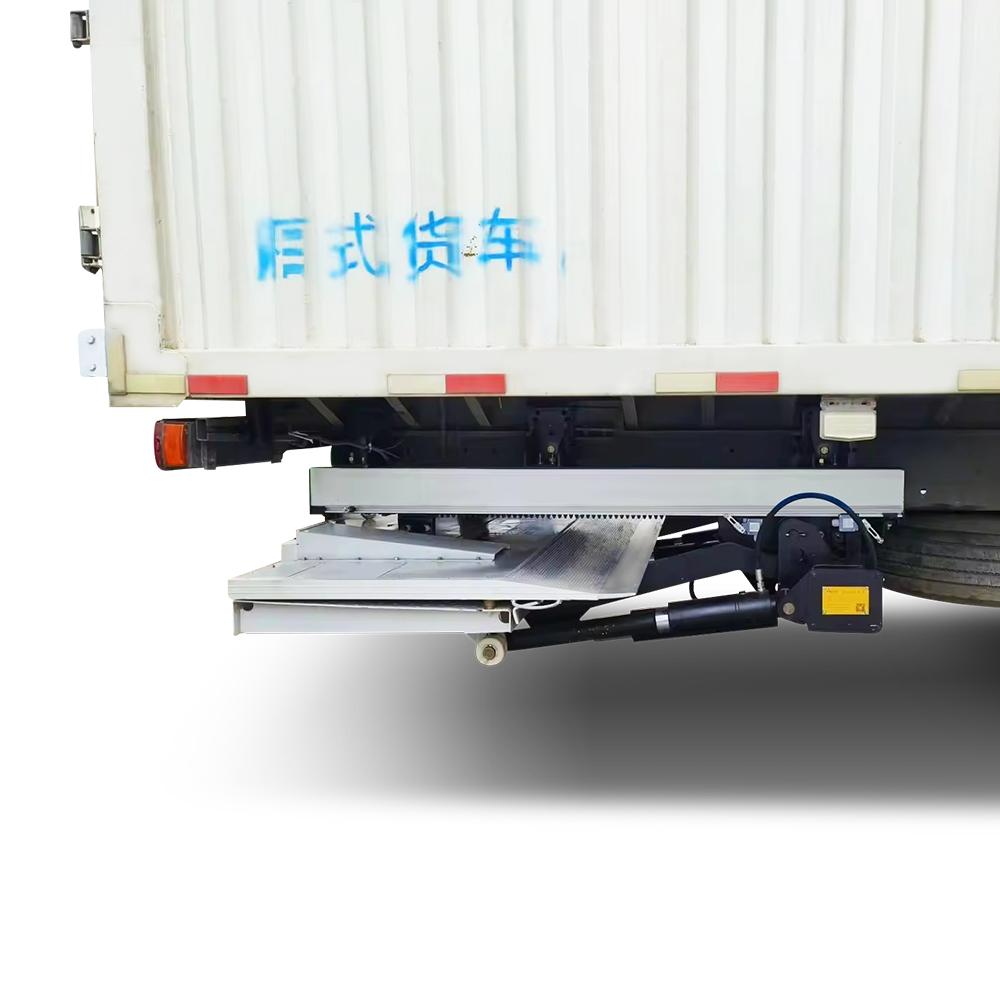
The Concealed Tail Lift
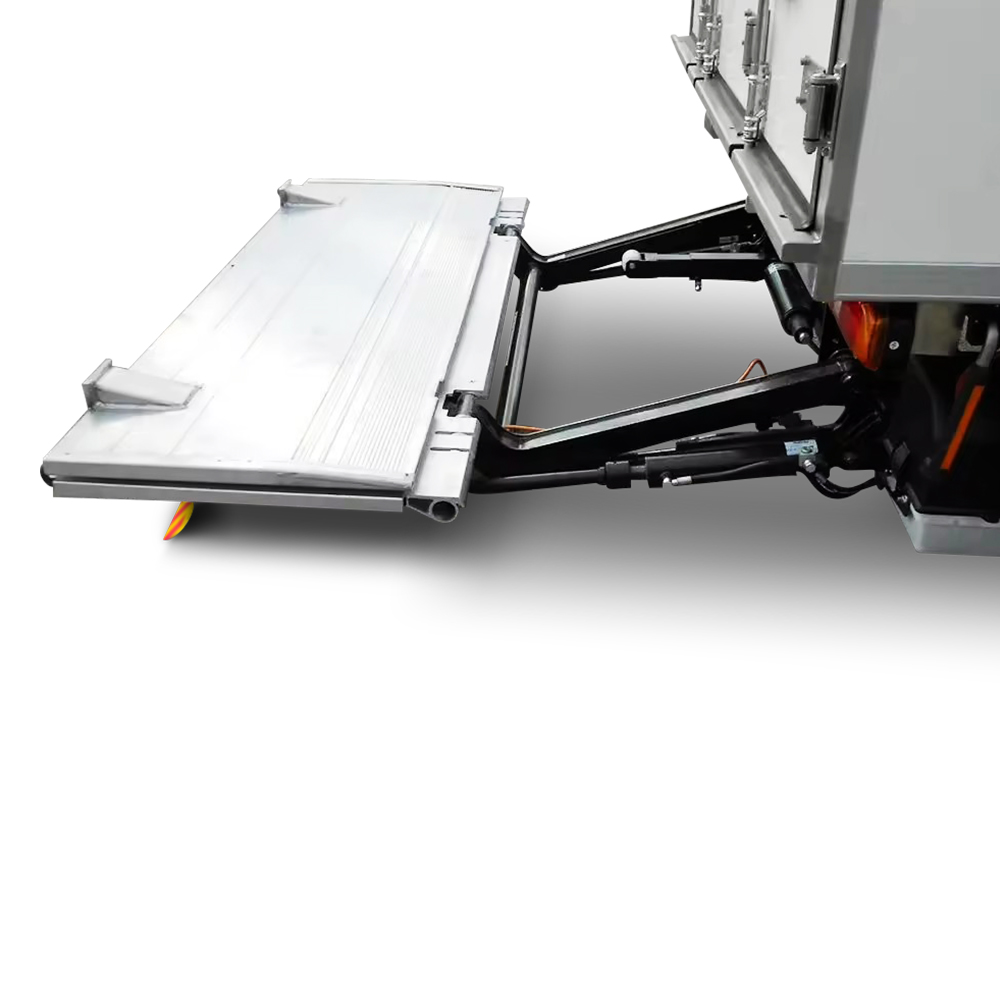
The concealed tail lift takes the opposite approach. The platform folds away underneath the rear chassis when it’s not in use, which means the rear doors operate completely independently — you can open and close them without touching the lift at all. To deploy, the driver manually unfolds the platform from under the chassis, and then the hydraulic mechanism brings it up to cargo height.
Because everything tucks away out of sight, this style of Truck Liftgate has a cleaner look and works particularly well in dock-facing operations where you need the rear doors to sit flush against a loading bay without the lift getting in the way.
Side by Side: What Actually Differs
A lot of buyers come to me having already read the spec sheets. The numbers don’t always tell the full story, so here’s a comparison drawn from actual operational experience rather than brochure language:
| Comparison Point | cantilever tail lift | concealed tail lift |
|---|---|---|
| Platform when stowed | Vertical, folded against rear door | Folded flat under chassis |
| Rear door function | Platform acts as the door | Door operates independently |
| How it deploys | Fully hydraulic, no manual steps | Manual unfold required first |
| Speed of deployment | Quicker | Takes longer |
| Ground clearance stowed | Higher | Lower — grounding risk on rough roads |
| Load handling | Heavy goods, full pallets | Light to medium freight |
| Dock compatibility | Limited | Well suited |
| Vehicle weight impact | Heavier | Lighter |
Load Capacity — Where the Real Difference Lives
This is the area where the two types diverge most significantly, and it’s where I see people make the most expensive mistakes.
What Cantilever Tail Lifts Bring to Heavy Freight
If you’re moving industrial equipment, full pallets, or anything on the heavier end of the scale, a hydraulic cantilever tail lift is typically the more appropriate tool. The load ratings on these units tend to run higher than their concealed counterparts, and the structural design is built to handle the stress that comes with that kind of regular use.
If you’re evaluating cantilever tail lift for sale listings from various sources, resist the temptation to filter purely by cantilever tail lift price. The hydraulic system specs and platform construction quality matter a lot more to your long-term cost of ownership than the sticker figure.
Where Concealed Tail Lifts Make More Sense
The concealed tail lift generally carries a lower load ceiling, which is a real limitation if your freight runs heavy. But flip that around — if your loads are lighter and your routes involve lots of stops, the fact that it’s lighter to begin with actually works in your favor. Less added weight means better fuel economy and more usable payload on every run.
It’s a point that often gets skipped over in procurement discussions: fitting a lighter concealed tail lift on a vehicle that’s already close to its payload limit can genuinely free up capacity that you’d otherwise be leaving on the table.
Safety and Physical Demand on Drivers
Fleet managers tend to underestimate this until something goes wrong.
With a cantilever tail lift, the driver stays on the curbside and operates the controls. The platform comes down automatically — no bending, no crawling under the vehicle, no awkward manual steps in a busy loading bay. The higher ground clearance when stowed also means less exposure to damage when the truck is moving through uneven terrain or tight site access roads.
The concealed tail lift asks more of the driver physically. Manually unfolding the platform before every deployment sounds minor, but across a full day’s worth of multi-drop deliveries, it accumulates. And the platform sitting low under the chassis creates a genuine grounding risk on anything steeper than a modest ramp.
Grounding damage is one of the more common repair jobs I’ve handled on concealed tail lifts — it comes up far more regularly than with cantilever units, especially on vehicles that mix motorway trunk runs with local delivery legs.
Matching Equipment to Operation Type
Heavy Industrial and Pallet Freight
Cantilever tail lifts are the natural fit here. For teams sourcing at volume, wholesale cantilever tail lift procurement is worth exploring — but go beyond the price list and have a direct conversation with the manufacturer about load ratings and hydraulic configurations. The catalogue spec doesn’t always reflect real-world performance.
Urban Multi-Drop Routes
Frequent stops, lighter loads, tight streets — this is where the concealed tail lift earns its place. The independent rear door is genuinely useful when you’re pulling up to a residential building or a small retail loading area and need to get in and out quickly without fussing with the lift every time.
When you’re comparing concealed tail lift price across different sources, don’t stop at the quote. Ask about lead times, spare parts availability, and after-sales support. A unit that looks cheap upfront from an unfamiliar concealed tail lift supplier can easily cost more over a three-year ownership period once you factor in downtime and service delays.
Dock-to-Dock Logistics
For operations where trucks regularly back up to a loading bay, the concealed tail lift adapts more readily. The platform tucked under the chassis lets the rear doors meet the dock face cleanly — something cantilever designs can’t replicate in this context.
If you’re sourcing from overseas, the china concealed tail lift manufacturing base has expanded significantly in recent years. Buyers who go direct to a concealed tail lift factory tend to get more flexibility on specifications and lead times compared to working through a local distributor.
Working With Tighter Budgets
The concealed tail lift for sale market tends to offer lower entry-level price points than comparable cantilever configurations. Some operators also look at used cantilever tail lifts when capital budgets are tight — there’s genuine value to be found, but the inspection process matters. Pay close attention to hydraulic seals and hinge point wear before committing to anything.
For fleet buyers with consistent annual volume, reaching out directly to a concealed tail lift manufacturer about wholesale concealed tail lift arrangements is often more cost-effective than going through intermediaries.
Maintenance and Total Cost of Ownership
People ask what is a cantilever tail lift expecting a one-line answer, and fair enough — but the more useful question is usually what it costs to run one over time.
Cantilever Tail Lift Maintenance
Cantilever tail lifts carry more complex hydraulic systems. Fluid levels, seals, and the condition of hinge and pivot points all need scheduled attention. If you’re sourcing units from a china cantilever tail lift supplier, make sure spare parts are readily available in your region — that’s a detail that trips up a lot of buyers after the fact.
Concealed Tail Lift Maintenance
Concealed tail lifts are mechanically simpler on the whole, and day-to-day servicing tends to be less involved. That said, the manual unfolding mechanism isn’t maintenance-free — linkage components need regular lubrication and inspection to stay reliable over time.
Neither type is low-maintenance by nature. The difference is in where the attention needs to go, and what it costs when something eventually does need fixing.
A Few Questions Worth Sitting With Before You Decide
- What’s the typical weight and nature of the freight you’re handling?
- Are your routes heavy-haul industrial, urban multi-drop, or a mix of both?
- How often are you working with loading docks?
- What’s the realistic physical capacity of your drivers across a full shift?
- How much payload headroom does your vehicle actually have?
- Is there reliable local service and parts supply for whichever type you choose?
Work through those honestly and the right direction tends to become fairly clear.
The short version of everything above: there’s no objectively better tail lift, only a better fit for a given operation. Cantilever tail lifts have the edge on raw load capacity and ease of operation. Concealed tail lifts win on weight, dock flexibility, and rear door independence. The mistake is treating it as a general preference question when it’s really a workflow question.
Hope the field experience laid out here saves you some of the avoidable calls I’ve had to help people work through after the fact.
With an ongoing commitment to quality and customer service, Beauway is dedicated to providing every client with a lifting solution that truly fits their operational needs. Reach out to the Beauway team today for tailored tail lift selection advice and full product documentation!
Trusted by Fleet Operators Across 60+ Countries
Stop Losing Time at the Loading Dock.
Get a Custom-Matched Tail Lift Quote in 24 Hours.
60
Countries Served
24h
Quote Turnaround
99.9
Field Uptime
5.0
Customer Rating
No Obligation
CE & UKCA Certified
Standard & Custom Builds
Worldwide Shipping