Having trouble submitting? Email us directly at nicole@beauway.com and we'll get back to you within 24 hours.



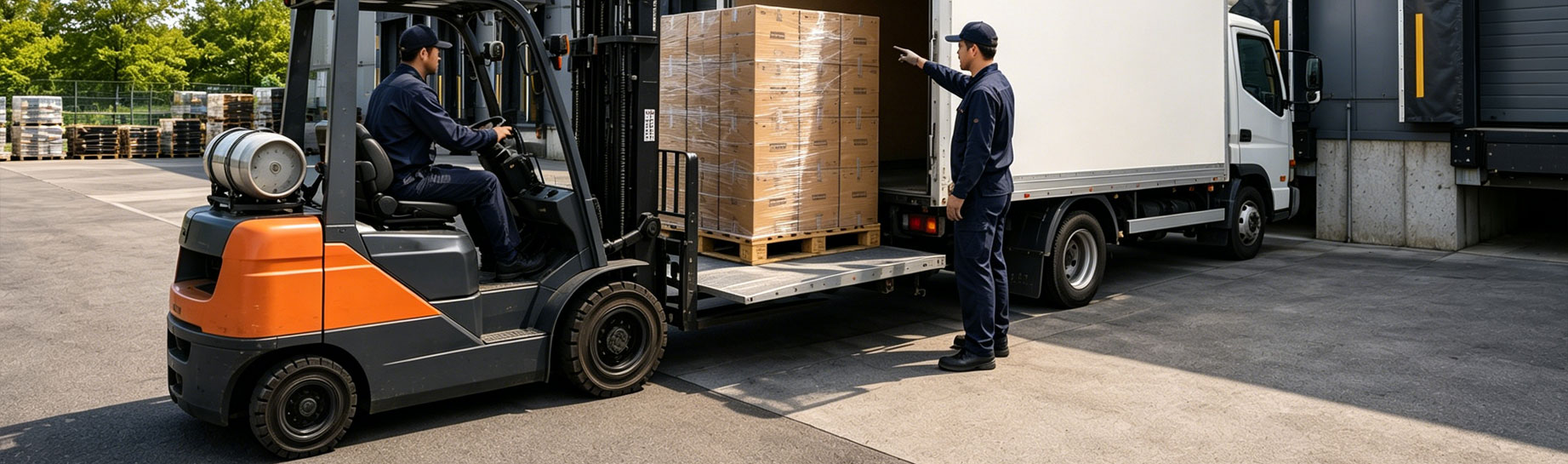
Beyond Repair Costs: How Tail Lift Breakdowns Disrupt Multi-Stop Delivery Routes
Introduction
A delivery truck arrives at a customer’s site on schedule, but the tail lift will not operate. The vehicle may still be roadworthy, the goods secure, and the driver ready to unload, yet the failure can stop the delivery. If the site has no suitable alternative handling equipment, the driver cannot safely complete the job. This is where tail lift breakdowns become a distribution problem rather than just a workshop issue.
In a multi-stop fleet, one tail lift breakdown can affect later deliveries by consuming time, reducing the driver’s availability, and disrupting the planned route. A delay at one stop can leave less time for subsequent appointments. Depending on the route, the dispatcher may need to contact customers, change the stop sequence, arrange technical assistance, or transfer deliveries to another vehicle.
The consequences vary between fleets. A flexible schedule and nearby service support may limit the disruption, while a time-sensitive route with little spare capacity can leave dispatchers struggling to recover the schedule. The key question is therefore not simply what the repair costs, but which resources and commitments the breakdown affects while the equipment remains out of service.
This article explains how tail lift breakdowns affect multi-stop routes, how to distinguish repair expenditure from wider operational costs, and how fleets can improve their response to these incidents.

When a Tail Lift Fails Mid-Route
The Immediate Impact at the Delivery Point
A tail lift allows operators to raise or lower suitable goods between the vehicle bed and ground level. When the lift stops working, the driver’s ability to complete a delivery depends on the cargo, the receiving site, the available equipment, and the safety of any alternative method.
For example, if a customer has no suitable dock or handling equipment, the driver may have to stop unloading and ask the dispatcher for guidance. The dispatcher then needs to confirm the fault and review the remaining deliveries.
The immediate consequences may include waiting time, a missed receiving slot, or a longer vehicle turnaround. Record when the driver reported the fault, which operational decision the dispatcher made, and when the equipment returned to service.
Why a Roadworthy Truck May Still Be Unable to Deliver
A truck that can travel on the road cannot necessarily complete its assigned deliveries. The vehicle, lifting equipment, cargo, staff, and receiving-site conditions together determine whether the team can finish the job safely. A truck tail lift failure can therefore prevent a planned delivery even when the engine, brakes, and other road-going systems continue to function normally.
The dispatcher should not assume that staff can transfer the goods using an improvised method. Any alternative must suit the load and location, use appropriate equipment, and involve competent personnel.
Depending on the circumstances, the team may need to arrange a repair, find a safe alternative unloading method, or reassign the delivery.
How One Breakdown Disrupts a Multi-Stop Delivery Route
Missed Delivery Windows at Subsequent Stops
A multi-stop route involves more than distance between locations. Each stop carries a service commitment, and one delay can leave less time for later deliveries. Tail lift breakdowns create particular difficulties when customers impose specific receiving windows.
Routes with little schedule flexibility are more vulnerable to disruption. A short interruption may have limited consequences when later appointments remain flexible and travel distances are short. The same delay can cause a much larger problem when customers accept deliveries only during defined periods or when subsequent stops also depend on the unavailable lifting equipment.
A breakdown can therefore lead to tail lift delivery delays. Dispatchers should review the remaining stops, identify customers with limited receiving windows, and communicate revised arrival estimates as early as possible. Early communication cannot remove the delay, but it helps customers and drivers plan around it.
Driver Hours and Scheduling Constraints
Time spent diagnosing a fault, coordinating technical assistance, or arranging an alternative delivery consumes part of the driver’s working day. After an interruption, the driver may have less time for the remaining stops, breaks, paperwork, and return-to-depot duties.
Dispatchers must still comply with applicable driving-time, working-time, and rest requirements when adjusting the route. If the driver cannot complete the route within those limits, the team may need to reschedule some deliveries.
Route records can help fleet managers determine whether the schedule allows enough recovery time for normal unloading delays and unexpected interruptions.
Vehicle Reallocation and Route Changes
Transferring some deliveries to another vehicle may protect urgent customer commitments. However, the replacement vehicle must suit the cargo and receiving-site conditions. It also needs enough capacity and available time to take on extra work without creating another problem elsewhere in the fleet.
A tail lift failure can turn vehicle reassignment into a second routing problem. Before changing the allocation, dispatchers should consider the replacement vehicle’s location, existing cargo, receiving hours, and additional charges. Otherwise, the new plan may simply shift the disruption to later stops.

The Hidden Costs Beyond Repair
Direct Repair Costs Versus Downtime Costs
Tail lift breakdowns create direct expenses. Tail lift repair costs may include diagnostics, technician labour, travel, replacement components, and applicable emergency service charges. Actual charges depend on the fault, service agreement, equipment design, and whether a technician can complete the repair on site. A quote for one repair does not establish a universal price for a particular type of breakdown.
Tail lift downtime costs cover the operational resources that a business commits or loses while the equipment remains out of service. Depending on the circumstances, these costs may include paid waiting time, a vehicle that cannot complete its planned work, lost productive capacity, or the expense of arranging an alternative. Managers should not equate downtime automatically with lost revenue because the business may recover some deliveries later or continue operating with other vehicles.
The repair invoice shows what the business paid to restore the equipment. Separate downtime records help managers understand how the failure affected deliveries, labour, and vehicle availability. Combining these figures without explaining their different purposes can make incident comparisons unreliable.
How Delivery Delays Increase Operating Costs
Tail lift breakdown costs can extend well beyond the workshop. Depending on the incident, a fleet may incur additional expenses such as:
- Labour and waiting time: Drivers or depot staff may spend extra time waiting, reporting the issue, or coordinating a revised plan.
- Replacement transport: The fleet may need a suitable backup vehicle or external carrier to complete urgent deliveries.
- Route recovery: Dispatchers may need to change stop sequences, reassign tasks, and update customers.
- Additional handling: A safe and suitable alternative may require extra labour or equipment, creating additional charges.
- Customer-related charges: A missed delivery appointment may trigger redelivery costs, service credits, or contractual charges where the agreement provides for them.
Not every incident creates all these costs. Managers should record actual expenditure separately from estimates and costs that the business avoided.
Visible Expenses and Hidden Operational Costs
Fleet managers can underestimate tail lift operational costs when staff record an incident only as a maintenance job. The workshop may track parts and labour, the transport team may record extra driver hours, and customer service may handle complaints or rescheduling. When these teams keep their records separate, management may never connect the wider operational impact to the original equipment failure.
Managers should record the report time, vehicle and route, fault description, repair expenditure, downtime, affected deliveries, recovery action, and any verified extra charges.
Reviewing these records alongside repair bills gives fleet managers a clearer view of recurring problems. This information can help them decide whether to adjust maintenance, service arrangements, route planning, or equipment specifications.

Managing the Disruption: Repair, Reroute, or Reassign
When On-Site Repair Is Appropriate
An on-site repair may be the most practical option when a qualified technician can reach the vehicle, complete the work safely, and respond within a timeframe that suits the operational situation. Ask for a realistic repair estimate, distinguish provisional timing from a confirmed completion time, and compare the expected delay with the cost of moving deliveries.
If a fault may involve hydraulic, electrical, structural, or safety-related components, the operator should not continue using the equipment simply to protect the schedule. Stop using the lift if its safe condition is in doubt and ask an appropriately qualified person to assess the problem. Drivers should follow the equipment instructions and the company’s fault-reporting procedure rather than attempt an improvised repair.
When to Reroute or Reassign Deliveries
If a technician cannot complete the repair within a suitable timeframe, dispatchers may need to reroute the vehicle or transfer outstanding stops to another vehicle. Base the decision on achievable customer commitments rather than trying to keep every delivery with its original vehicle.
Before changing the plan, check receiving hours, cargo dimensions and weight, vehicle capacity, unloading arrangements, route distance, and the replacement vehicle’s existing commitments. A vehicle without suitable handling equipment will not solve a tail lift service disruption.
Assign clear responsibility for contacting customers, monitoring repair progress, and approving additional expenditure.
Balancing Recovery Speed and Cost
The fastest response is not always the least expensive, and the cheapest immediate option may not protect customer service. Fleet managers should compare expected repair time, the urgency of the remaining deliveries, available capacity, safety, and likely additional expenses.
In some cases, waiting briefly for a confirmed repair may be reasonable. In others, transferring a time-critical delivery to another vehicle may prevent a larger disruption.
Record why the dispatch team selected each recovery option and whether it worked. Reviewing these outcomes across multiple routes can help managers improve future decisions.
How Fleets Can Reduce the Impact of Tail Lift Breakdowns
Use Preventive Maintenance Based on Operating Conditions
Preventive maintenance cannot prevent every fault, but it may reveal deterioration before a defect interrupts a route. Maintenance teams should follow the manufacturer’s instructions, consider actual operating conditions, and meet applicable legal requirements when setting inspection tasks and service intervals.
Checks should cover the components listed in the maintenance documentation. Depending on the equipment, these may include visible structural parts, hinges, accessible hydraulic components, controls, electrical connections, and safety devices. Drivers should report damage, leakage, abnormal movement, or inconsistent operation so maintenance personnel can investigate.
Recognise Warning Signs and Report Defects Early
Unusual noise, hesitant movement, visible hydraulic fluid leakage, damaged cables, inconsistent controls, or changes in lifting performance may indicate a problem that needs attention. These symptoms do not identify the failed component on their own, but they signal that the team should arrange an appropriate assessment rather than continue treating the equipment as normal.
Drivers should know how to report symptoms clearly and when to stop operating the lift. They should not dismantle components, open pressurised hydraulic lines, bypass safety devices, or continue using equipment when they cannot confirm its safe condition. Early reporting gives maintenance personnel better information and may help them address a developing defect before it affects a demanding route.
For UK operations, the Health and Safety Executive includes vehicle tail lifts among the examples in its guidance on safe lifting. Businesses should check which requirements apply to their equipment and circumstances, including relevant duties under LOLER and PUWER. Other jurisdictions may impose different requirements. See the HSE’s safe-lifting guidance for details.
Track Failure Frequency and Recovery Time
Maintenance records become more valuable when they support fleet decisions as well as workshop administration. Managers can monitor unplanned failure frequency, repair expenditure, the time equipment spends out of service, recurring defects, and the number of delivery tasks affected by failures.
Use consistent definitions when tracking these measures. The time a driver reports an incident does not necessarily mark the moment the vehicle becomes unavailable. Neither time automatically reflects the delay to the last affected delivery. Recording each measure separately allows managers to make meaningful comparisons across routes and vehicles.
Patterns in these records may reveal a need for a technical review, better parts availability, stronger service coverage, or more time for route recovery. Managers should confirm these patterns through consistent records rather than draw conclusions from a single incident.
Prepare a Practical Contingency Plan
A contingency plan should identify who receives a fault report, who decides whether the equipment can remain in service, who arranges technical assistance, and who communicates changes to customers. It should also specify the information the dispatcher needs: the vehicle’s location, affected cargo, visible symptoms, remaining delivery stops, site constraints, and any immediate safety concern.
If the fleet has backup vehicles or access to alternative handling equipment, the plan should explain how staff verify suitability before using those resources. The goal is not to promise that tail lift breakdowns will never happen. A practical plan helps the team respond faster and more consistently, with less reliance on improvised decisions under pressure.
Why Tail Lift Reliability and Service Support Matter
Look Beyond the Purchase Price
Choose equipment that suits the vehicle, intended loads, delivery environment, operating frequency, and manufacturer’s limits. Capacity, platform dimensions, installation compatibility, and maintenance requirements must all fit the application.
Purchase price alone does not provide a reliable measure of operating value. Assess equipment suitability and service support across its expected service life.
Consider Parts Availability and Technical Support
Access to suitable replacement parts and qualified assistance can influence how quickly a fleet resolves a fault. Buyers should understand the supplier’s support arrangements, warranty conditions, parts identification, and service-request process. They should also confirm response capabilities for the fleet’s actual operating locations rather than rely on general promises.
These considerations matter particularly on routes where vehicle availability and customer receiving windows leave little room for delay. A thorough supplier evaluation should therefore consider technical documentation and support processes alongside equipment suitability.
Evaluate Reliability Through Fleet Performance
Managers should evaluate tail lift reliability by reviewing equipment condition, maintenance history, recurring defects, service response, and real-world availability. One successful test or isolated incident cannot establish long-term performance.
Performance reviews help managers identify recurring problems linked to operating conditions, maintenance, or delayed technical support. Managers can use these findings to improve future purchasing and service decisions, although no product can eliminate every failure. Beauway’s separate guide to tail lift reliability covers reliability considerations in more detail.
Conclusion
Tail lift breakdowns can affect far more than the cost of replacing a component or arranging a repair. In a multi-stop operation, a problem at one delivery point can change the timing and feasibility of subsequent stops, increase coordination demands, and create extra labour or transport expenses.
The impact depends on the fault, the remaining route, customer requirements, and available recovery options. Fleet managers should separate confirmed repair expenditure from downtime and delivery-recovery costs to understand the full operational effect.
Preventive maintenance, prompt defect reporting, accurate service records, suitable technical support, and a practical contingency plan can help reduce avoidable disruption. When a problem occurs, managers should prioritise safety and compare on-site repair, rerouting, and reassignment against the actual circumstances.
By examining operational impact alongside repair expenditure, fleets can make better decisions about equipment availability, service support, and route planning. The goal is to limit the consequences of failure, not to promise zero failures.
Frequently Asked Questions
Can a truck continue its route if the tail lift stops working?
It depends on the cargo, remaining delivery requirements, available handling equipment, and whether the team can use an alternative safely. A truck may remain roadworthy but still lack the equipment needed to complete certain deliveries. The operator and dispatcher should assess the situation before deciding whether to continue, reroute, or reassign the work.
What Costs Should Fleet Managers Include When Evaluating a Tail Lift Failure?
Include repair expenses and verified additional costs such as waiting time, extra labour, replacement transport, redelivery, and applicable customer charges. Keep potential costs separate from actual spending.
How Can Tail Lift Route Disruption Affect Multi-Stop Deliveries?
Tail lift route disruption can delay unloading at the affected stop and reduce the time available for later appointments. Depending on customer receiving hours and route flexibility, the fleet may need to change the stop sequence, reassign deliveries, or arrange another vehicle. The scale of the disruption varies by operating conditions.
How Can Fleet Managers Reduce Tail Lift Downtime Costs?
Managers can follow the manufacturer’s maintenance instructions, encourage prompt fault reporting, maintain accurate repair records, and plan how to obtain technical support. Reviewing incident frequency and recovery time can help identify recurring problems. These measures support better decisions but cannot guarantee that failures will never occur.
Trusted by Fleet Operators Across 60+ Countries
Stop Losing Time at the Loading Dock.
Get a Custom-Matched Tail Lift Quote in 24 Hours.
60
Countries Served
24h
Quote Turnaround
99.9
Field Uptime
5.0
Customer Rating
No Obligation
CE & UKCA Certified
Standard & Custom Builds
Worldwide Shipping