Having trouble submitting? Email us directly at nicole@beaway.com and we'll get back to you within 24 hours.











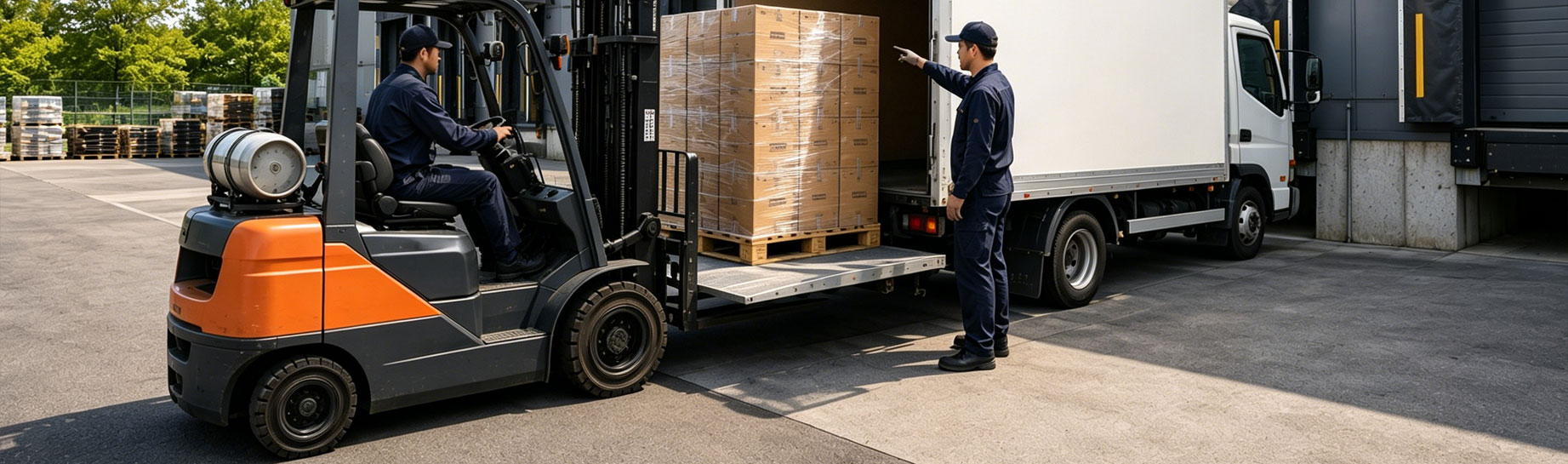
Tail Lift vs Dock Leveler: Which Solution Do You Need?
Tail Lift vs Dock Leveller: Which Loading Solution Does Your Operation Actually Need?
If you are equipping a new facility or expanding a fleet, the choice between a tail lift vs dock leveller is not always obvious. Both move goods between ground level and a loading platform. However, they solve different problems. They suit different operations. They also carry very different total costs of ownership.
Getting this decision wrong means buying equipment that underperforms from day one. In some cases, it sits idle because it doesn’t fit how your operation actually runs. This guide breaks down the key differences — by vehicle type, facility setup, load frequency, and budget — so you can make the right call before you commit.
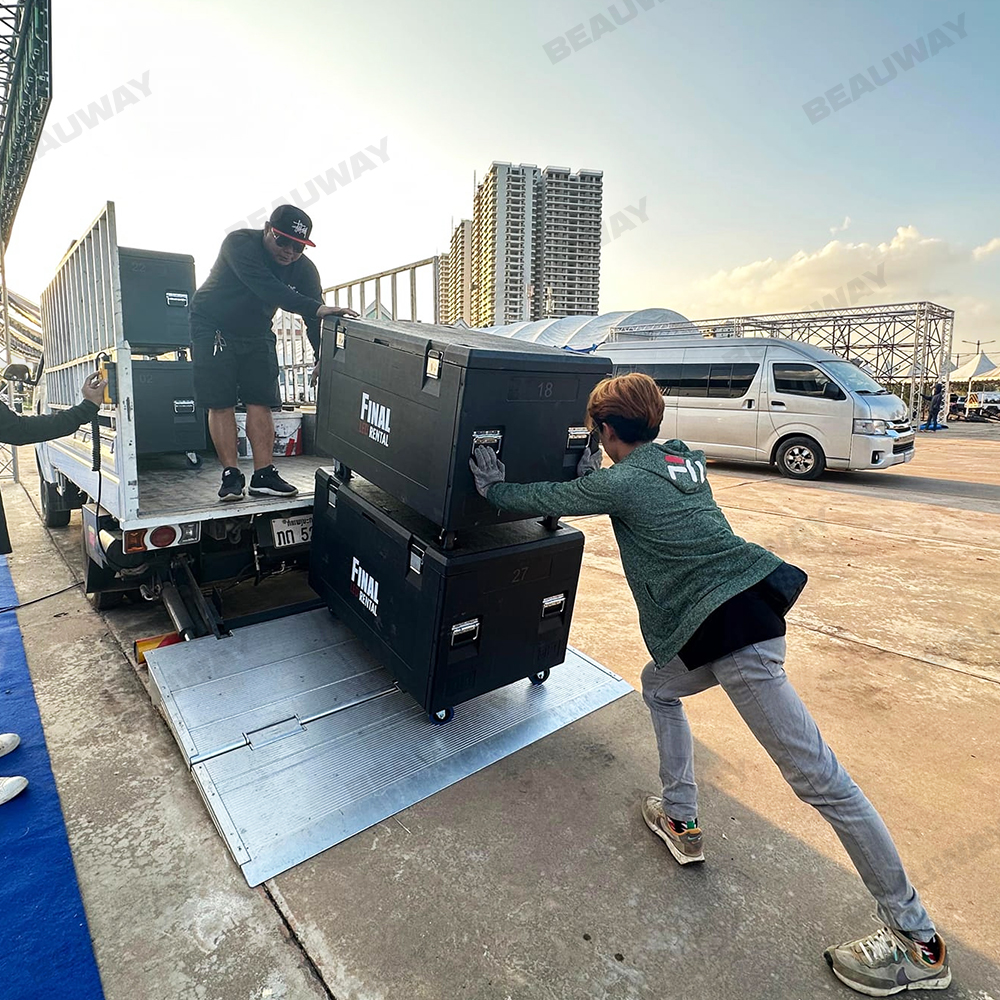
Tail Lift vs Dock Leveller: Understanding the Core Difference
A tail lift travels with the vehicle. A dock leveller stays fixed to a building. That single distinction drives every other difference in cost, application, and operational fit. Therefore, defining your operation type is the first step — not comparing price lists.
What Is a Tail Lift and When Does It Make Sense
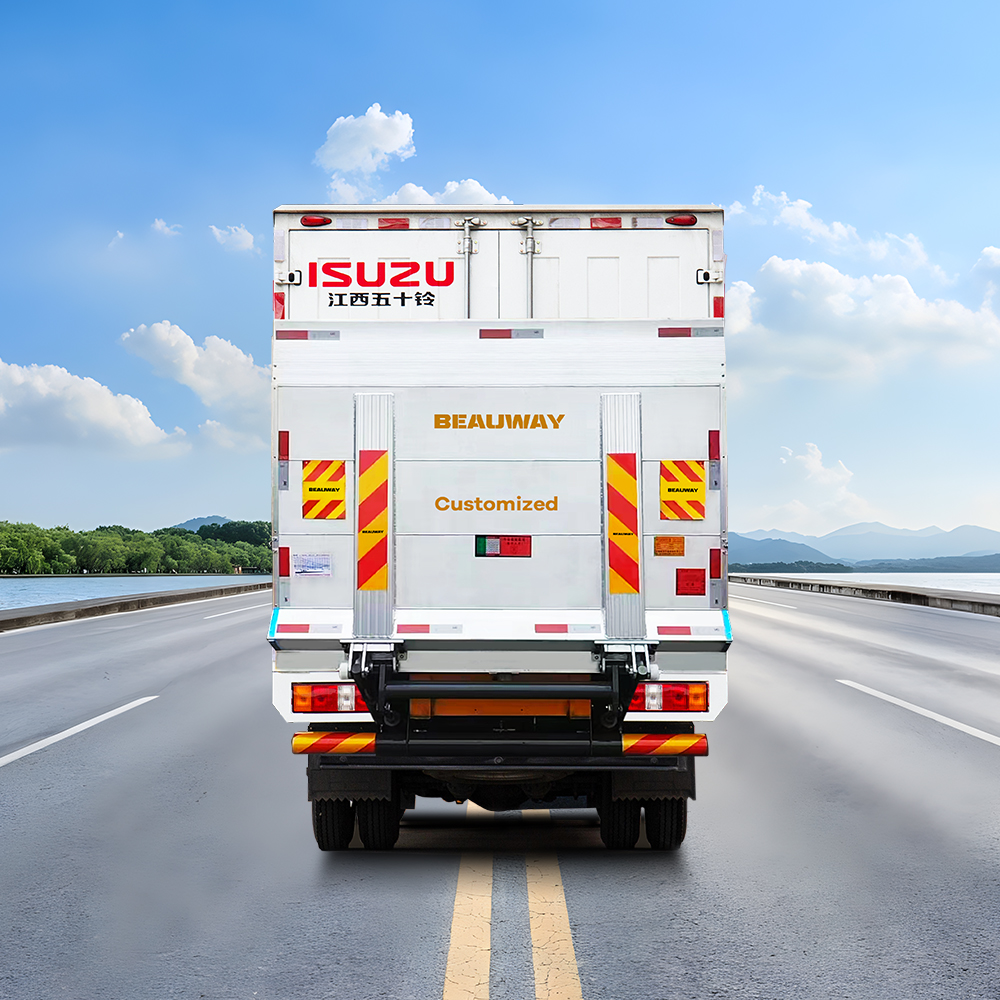
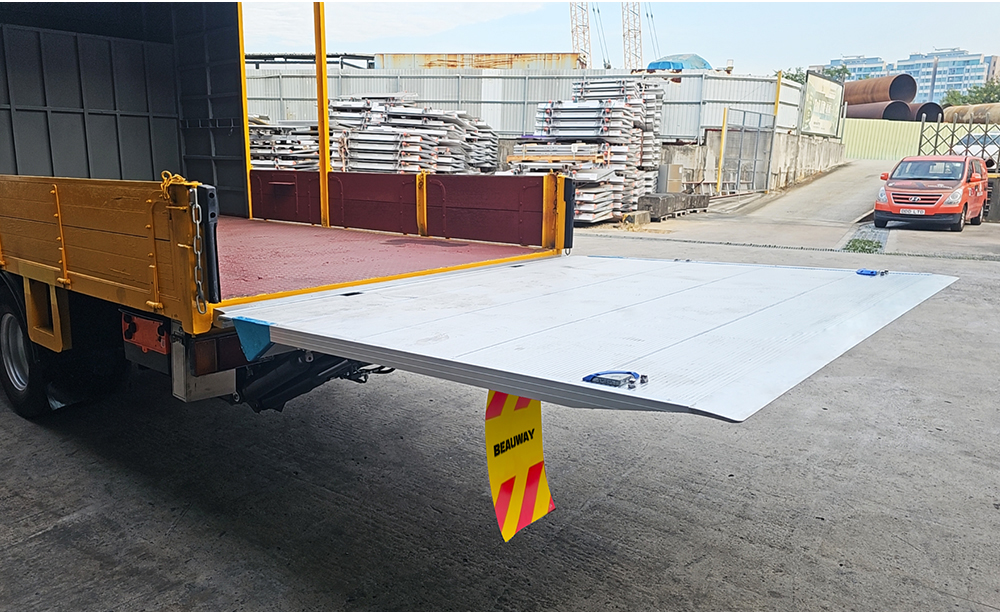
A tail lift is a hydraulic loading platform mounted to the rear of a truck or van. It raises and lowers goods between the vehicle floor and ground level. It operates wherever the vehicle stops — no fixed infrastructure required.
Where Tail Lifts Work Best
A hydraulic tail lift is the right choice when:
- Your deliveries happen at multiple locations without fixed loading bays
- You operate a last mile delivery fleet in urban environments
- You run refrigerated trucks or cold chain vehicles that load and unload at customer sites
- Your vehicles service locations — hospitals, retail units, construction sites — with no dock access
- You need a tail lift for box trucks operating across mixed terrain
For example, a van tail lift suits smaller commercial vehicles making frequent stops. A heavy duty tail lift suits engineering and construction transport. A cantilever tail lift or folding tail lift suits operations where platform storage position matters.
Tail Lift Capacity Requirements to Define First
Before selecting a model, define your tail lift capacity requirements:
- Maximum single load weight
- Whether load applies across the full platform or as a concentrated point load
- Daily cycle count per vehicle
- Operating environment — temperature range, ground conditions, moisture exposure
In addition, tail lift payload capacity should carry a safety margin. Selecting at the edge of rated capacity shortens service life. It also increases hydraulic component wear.
What Is a Dock Leveller and When Does It Make Sense
A dock leveller is a fixed piece of loading bay equipment. It installs at a warehouse or distribution centre. It bridges the gap between the building’s loading dock floor and the bed of an arriving vehicle. As a result, forklifts and pallet trucks drive directly between the two.
Where Dock Levellers Work Best
A dock leveller is the right choice when:
- You operate a fixed warehouse or distribution facility with dedicated loading bays
- Vehicles arrive and depart at the same location repeatedly
- You need forklift access directly into vehicle trailers
- Load volume is high and speed of loading matters more than flexibility
- You need a portable dock leveller for variable vehicle heights
A fixed dock leveller handles the highest throughput. It suits operations where vehicle types are consistent. A portable dock leveller suits facilities where bay configuration changes. Dock leveller types vary by actuation method — mechanical, hydraulic, and air-powered — each with different maintenance profiles and installation costs.
Tail Lift vs Dock Leveller: Key Differences Compared
However, understanding the core distinctions helps match equipment to operation. The table below compares both solutions directly.
| Factor | Tail Lift | Dock Leveller |
|---|---|---|
| Location flexibility | Travels with the vehicle | Fixed to building infrastructure |
| Infrastructure required | None | Loading bay, pit or surface mount |
| Suitable vehicle types | Trucks, vans, refrigerated vehicles | Trailers, large trucks |
| Load method | Hydraulic lift, operator-controlled | Forklift or pallet truck drive-over |
| Installation | Mounted to vehicle chassis | Built into loading bay floor or wall |
| Best for | Multi-stop, urban, cold chain, last mile | High-volume fixed facility throughput |
Therefore, the fundamental choice is mobility versus throughput. A tail lift for logistics gives flexibility across every delivery point. A dock leveller gives speed and forklift access at a fixed location.
Which One Is Right for Your Operation
The answer depends on four factors. Work through each one before comparing prices.
Factor 1: Fixed or Variable Delivery Locations?
If vehicles return to the same loading bay every run, a dock leveller handles throughput more efficiently. However, if vehicles deliver to customer sites or construction addresses without a fixed dock, a tail lift for trucks is the only viable option. No dock leveller follows a vehicle to a job site.
Factor 2: What Is Your Daily Load Cycle Count?
A dock leveller handles high-frequency loading at a fixed point with lower per-cycle wear. A tail lift for urban delivery may cycle thirty or more times per day. At that frequency, hydraulic component specification matters significantly. For example, a tail lift for cold chain adds temperature stress on top of cycle frequency. Seal material, pump grade, and switch rating all affect service life.
Factor 3: Do You Need Forklift Access Inside the Vehicle?
A dock leveller allows a forklift to drive directly into a trailer. A tail lift does not. It raises loads to vehicle floor height, but the platform does not support forklift entry. Therefore, if your loading process requires a forklift inside the vehicle, a dock leveller is the only solution.
Factor 4: What Is Your Facility Setup?
Loading equipment for small warehouse operations often cannot accommodate a full dock leveller pit installation. Civil works, floor reinforcement, and bay geometry all affect feasibility. A portable dock leveller reduces installation requirements. A hydraulic loading platform on the vehicle eliminates facility dependency entirely.
Total Cost of Ownership: Tail Lift vs Dock Leveller
Purchase price is the least reliable indicator of total cost. In addition, the factors that drive long-term cost rarely appear in a quotation document.
Tail Lift Return on Investment
A correctly specified tail lift for logistics running the right cycle count delivers years of low-maintenance operation. However, the cost drivers that erode ROI are:
- Undersized hydraulic components selected to hit a lower purchase price
- Non-standard seal dimensions that create parts availability problems in the field
- No local service coverage — repairs wait on parts shipped from the factory
- Tail lift operating cost rising from avoidable wear caused by overloading
A reputable tail lift manufacturer provides full hydraulic schematics and ISO-standard seal dimensions. They also maintain a named local service network. As a result, total operating cost stays significantly lower than a cheaper unit with no parts traceability.
Dock Leveller Total Cost Factors
Dock leveller installation cost includes civil works. These often exceed the equipment price itself. However, ongoing cost is low per cycle at high volume. Mechanical dock levellers require regular lip and hinge inspection. Hydraulic dock leveller types carry pump and seal maintenance requirements similar to tail lifts.
For high-volume fixed facilities, the dock leveller total cost over five years is typically lower per loading cycle. For multi-stop or variable-location operations, the comparison does not apply. A dock leveller cannot do the job at all.
Final Checklist Before You Decide
Work through these questions before committing to either solution.
Operation Type
- Do vehicles deliver to fixed bays or variable customer locations?
- Is forklift access inside the vehicle required?
Load Profile
- What is the maximum single load weight?
- What is the daily cycle count per vehicle or per bay?
- Is cold chain or temperature-controlled transport involved?
Facility Setup
- Is a loading bay pit installation feasible?
- Is a portable dock leveller a viable interim solution?
- What is the available vehicle chassis specification for tail lift installation?
Total Cost
- What is the five-year operating cost, not just the purchase price?
- Do hydraulic components come from named manufacturers with local parts availability?
- Is a service network with defined response times available in your region?
The right answer is rarely the cheapest unit in either category. A tail lift vs dock leveller decision comes down to one question: does your operation need mobility or fixed throughput? A tail lift for last mile delivery, cold chain, or urban fleet gives you flexibility no fixed equipment can match. A dock leveller gives you throughput and forklift access that no vehicle-mounted lift can replicate. Define your operation first. The equipment choice follows from that.
Beauway supplies hydraulic tail lifts across the full capacity range — from van tail lifts for urban delivery to heavy duty tail lifts for engineering transport. For specification guidance matched to your vehicle type and operating conditions, contact the Beauway team directly.
Trusted by Fleet Operators Across 60+ Countries
Stop Losing Time at the Loading Dock.
Get a Custom-Matched Tail Lift Quote in 24 Hours.
60
Countries Served
24h
Quote Turnaround
99.9
Field Uptime
5.0
Customer Rating
No Obligation
CE & UKCA Certified
Standard & Custom Builds
Worldwide Shipping