Having trouble submitting? Email us directly at nicole@beaway.com and we'll get back to you within 24 hours.











Tail Lift Manufacturer China: Complete Import & Sourcing Guide
Tail Lift Manufacturer China: Complete Import & Sourcing Guide 2026
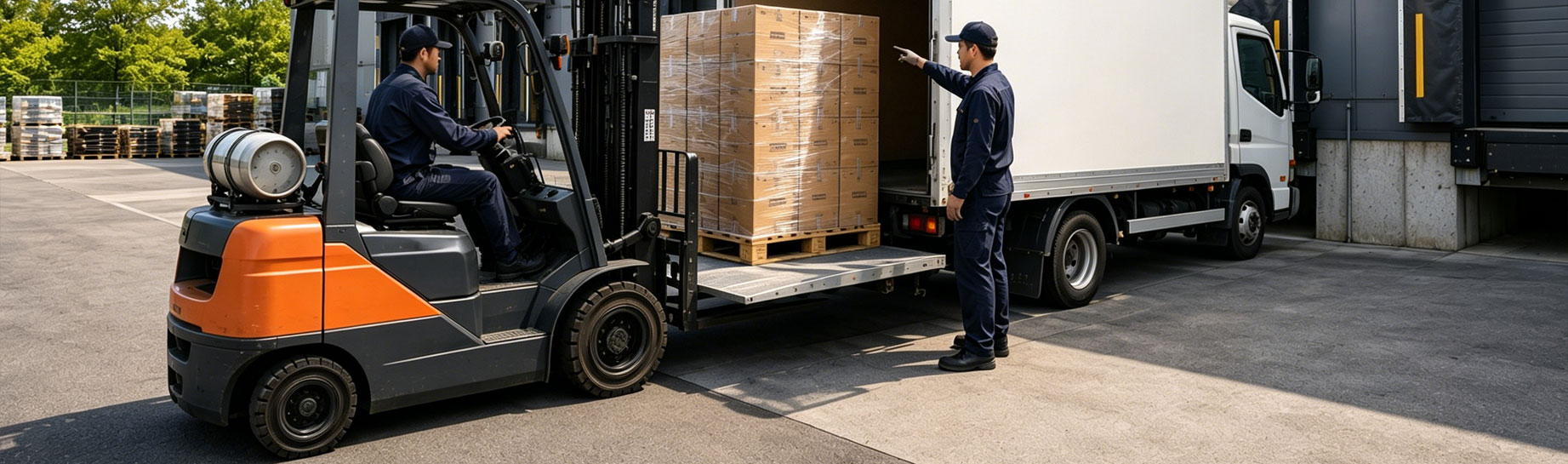
If you’re evaluating a tail lift manufacturer in China for the first time — or reconsidering your current supply chain — this guide covers everything you need to make an informed decision. From product specs and supplier vetting, to import duties and OEM agreements, it’s built around actual export practice rather than generic procurement theory.
Sourcing tail lifts directly from a Chinese manufacturer has become standard practice for logistics equipment distributors across Europe, North America, Australia, and Southeast Asia. The cost advantage is real — FOB prices from CE-certified Chinese factories typically run 30% to 55% below equivalent European or North American procurement. But price alone doesn’t make a sourcing decision. This guide walks through the full picture.
1. Why Source a Hydraulic Tail Lift Directly from China
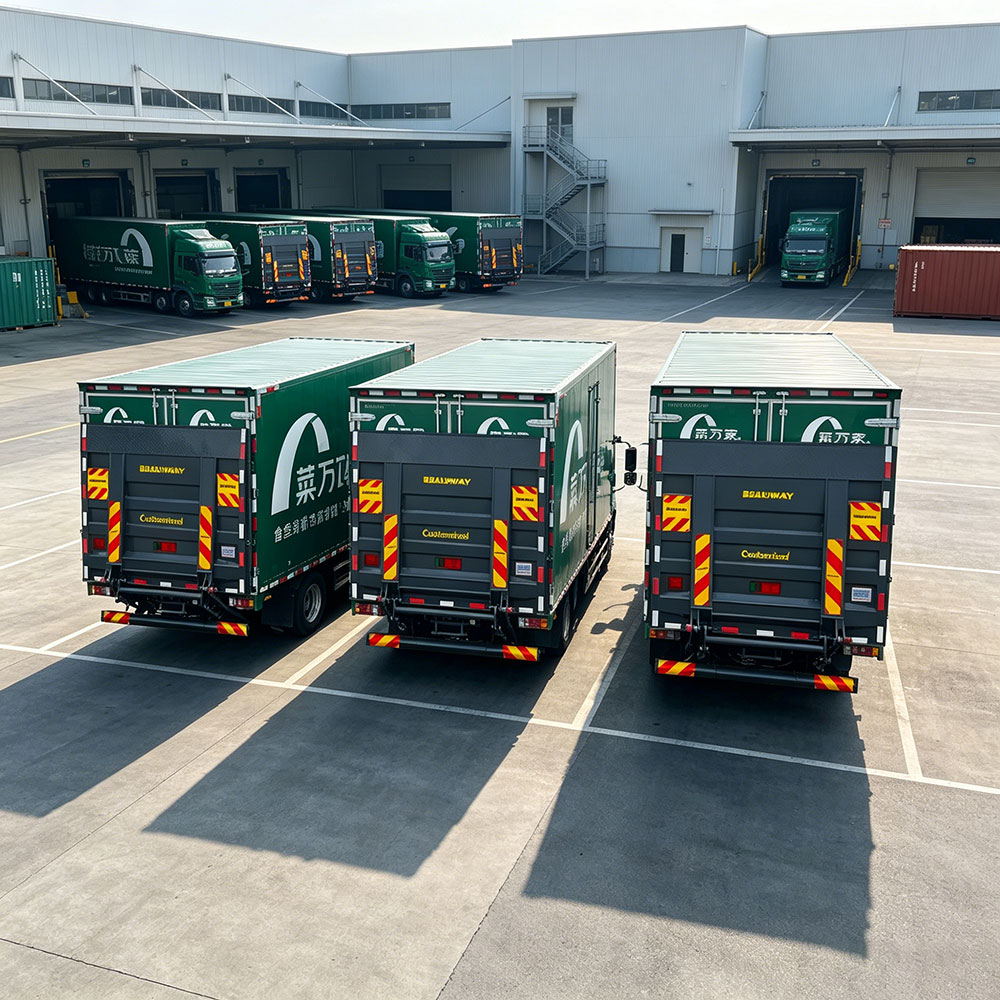
The cost case for working with a hydraulic tail lift manufacturer in China is straightforward. A 1,500 kg folding hydraulic tail lift retails across European markets in the €2,800–€4,500 range. FOB price from a CE-certified Chinese factory on the same spec typically lands between $900 and $1,800 USD. That’s a gap large enough to build real margin or pass savings on to end customers.
The more durable advantage is supply chain depth. China’s hydraulic tail lift manufacturing ecosystem is highly vertically integrated — steel stamping, hydraulic cylinder machining, electrical control assembly, and final testing all happen within tight geographic clusters. Manufacturers with genuine in-house capability can hold tighter tolerances on both quality and lead time than assemblers sourcing components piecemeal.
OEM customization is the third factor. Factories with real capability can handle private labeling, control interface localization, voltage configuration (12V/24V DC), and installation bracket adaptation — not as a premium add-on, but as routine production.
For more on Beauway’s product range, see our Tail Lift Products page.
2. Tail Lift Types: Choosing the Right Product for Your Market
Before approaching any tail lift supplier, get your technical requirements on paper. A vague inquiry produces a vague quote, and comparing quotes built on different specs wastes everyone’s time.
Cantilever tail lifts — the global volume leader. Load ratings from 500 kg to 2,000 kg, strong structural rigidity, suited to medium and heavy box trucks. Most buyers start here.
Folding tail lifts — platform folds upward when not in use. The practical choice for urban distribution and retail logistics where dock heights vary.
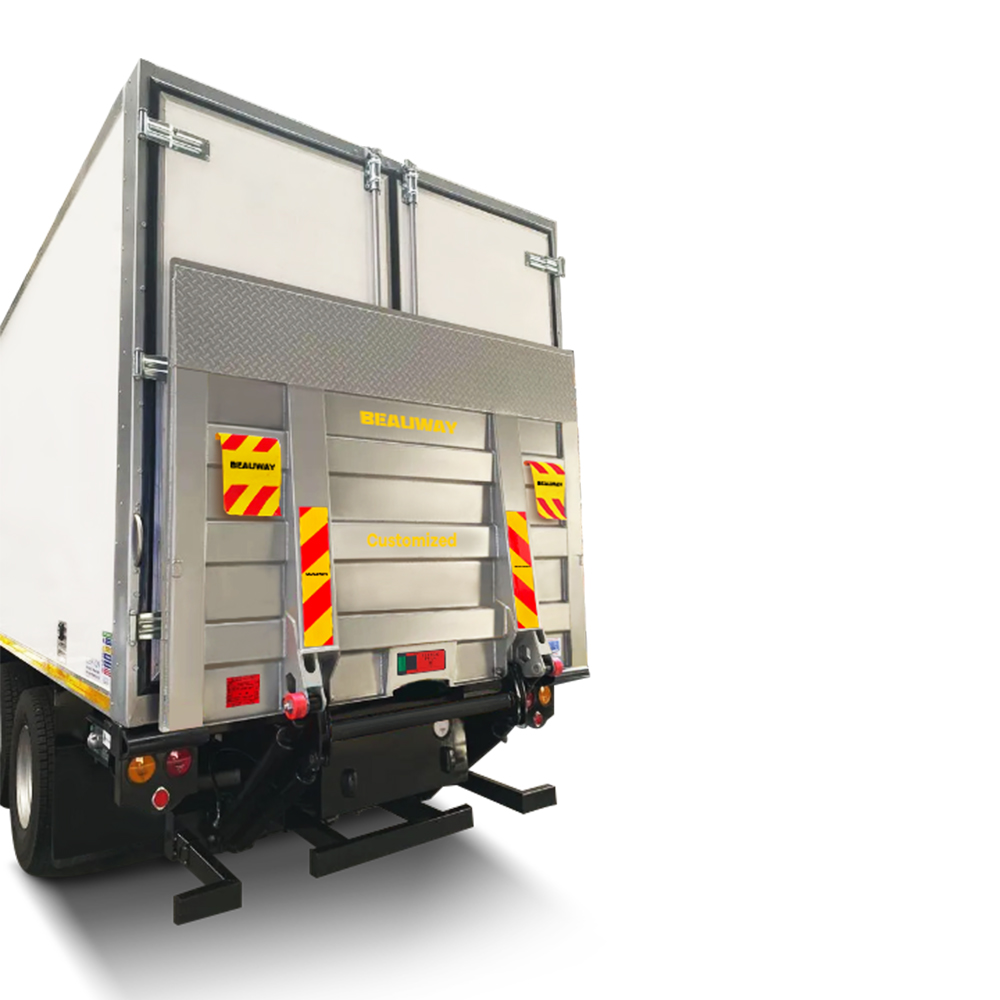
Built-in tail lifts — integrated within the vehicle rear structure, no external profile change when stowed. Right for cold chain and commercial fleets where vehicle aesthetics matter.
Slider tail lifts — platform extends horizontally before lifting. Useful when cargo compartment depth or dock geometry constrains a standard cantilever.
Vertical tail lifts — vertical guide rail travel, load ratings up to 2,000 kg. Common in industrial material handling and warehouse environments.
Once you’ve identified the type, the parameters to specify: rated load (kg), platform dimensions (L × W in mm), compartment floor height (mm), operating voltage (12V or 24V DC), platform material (Q700 high-strength steel or aluminum alloy), and required certification (CE, UKCA, DOT, or a combination).
For a full specification comparison, see our Tail Lift Specifications Guide.
3. How to Evaluate a Tail Lift Manufacturer: Key Criteria
The Chinese tail lift manufacturer market includes genuine factories, trading companies presenting as manufacturers, and everything in between. Here’s what separates one from the other.
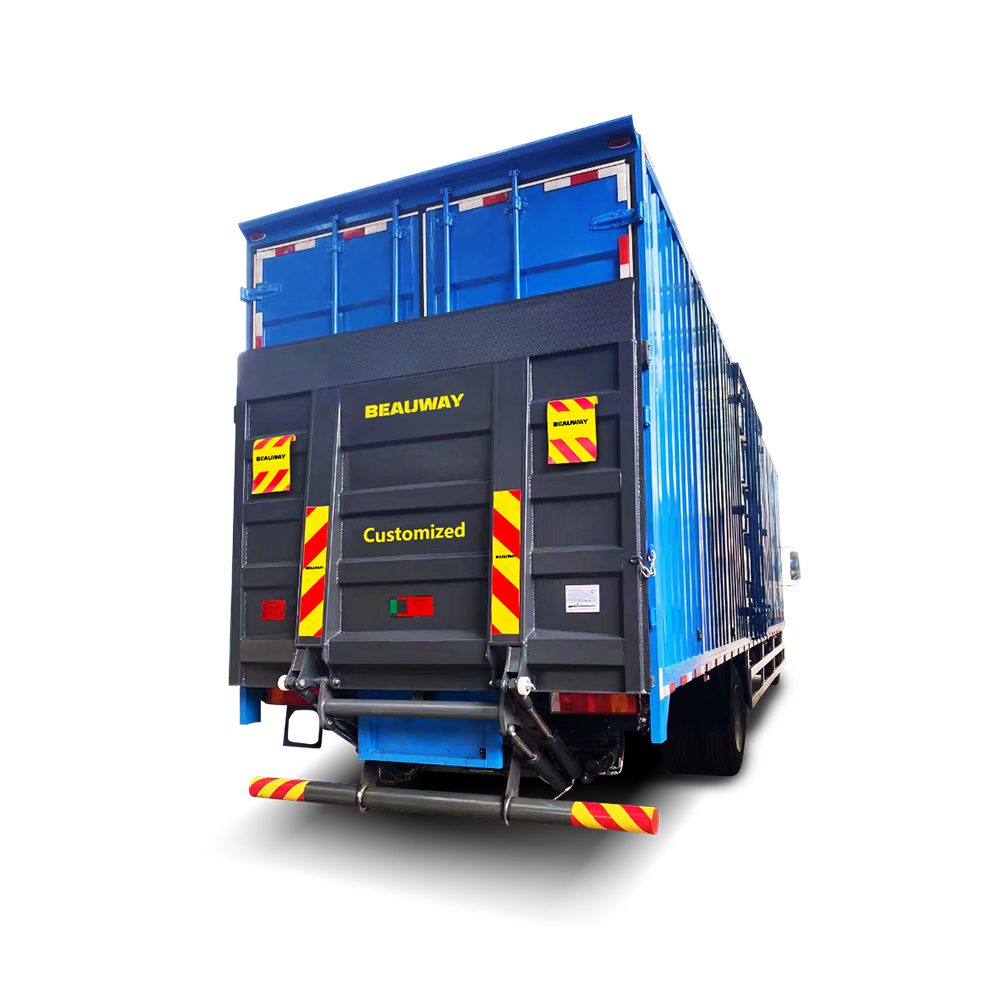
Factory scale and self-manufacturing depth. A real manufacturer has its own facility, its own CNC equipment, and does core fabrication in-house. Beauway operates a facility exceeding 20,000 m² with annual capacity above 16,000 units, covering structural welding, precision machining, and hydraulic assembly. Ask any candidate for facility photos, production line video, and equipment lists — then ask follow-up questions. Middlemen get vague quickly.
Certifications — verify, don’t assume. CE and ISO 9001 are the baseline for most Western markets. Certificates can be expired, borrowed, or fabricated. Ask for the certificate number and cross-check it on the issuing body’s website. Beauway products have been tested by SGS and TÜV Rheinland, with key models certified under ECE, UKCA, and DOT/FMVSS.
Hydraulic tail lift China lead time — get it in writing. Quoted lead times in this industry range from optimistic to fictional. Beauway’s standard is within 20 days of deposit receipt. When evaluating other suppliers, ask what happens when production is at capacity, and what the contractual remedy is for delays.
OEM capability depth. Ask specifically about multi-language control interfaces, remote frequency options (433 MHz / 915 MHz), and what the tail lift China MOQ factory threshold is for custom configurations. Beauway’s MOQ is 2 units — low enough to test a custom configuration before committing to volume.
4. Sending a Tail Lift Quote Request: What to Include
A proper liftgate manufacturer China quote request should include: product type and full technical spec, target quantity (single order and annual), target port and trade terms (FOB or CIF), required certifications, delivery deadline, OEM requirements if applicable, and whether a sample unit is needed.
On samples: tail lift sample order China supplier arrangements are standard practice. Given that this product goes onto commercial vehicles and bears load, testing a physical unit before scaling up is worth the lead time and cost.
When comparing quotes, don’t evaluate on price alone. Check whether FOB/CIF breakdowns are transparent, whether certifications are current and verifiable, and what the warranty terms are. Twelve months is the industry floor; stronger suppliers go longer. The standard payment structure is 30% deposit, 70% against bill of lading — be cautious of requests significantly above that upfront.
A note on intermediaries: some buyers engage a tail lift sourcing agent China side to manage local vetting and quality control. This adds cost but makes sense for first-time importers or buyers managing high-volume tail lift China wholesale procurement across multiple product lines. If you go this route, confirm that the agent’s audit standards are documented and their fee structure is transparent.
5. Trade Terms for Tail Lift Import: FOB, CIF, and EXW
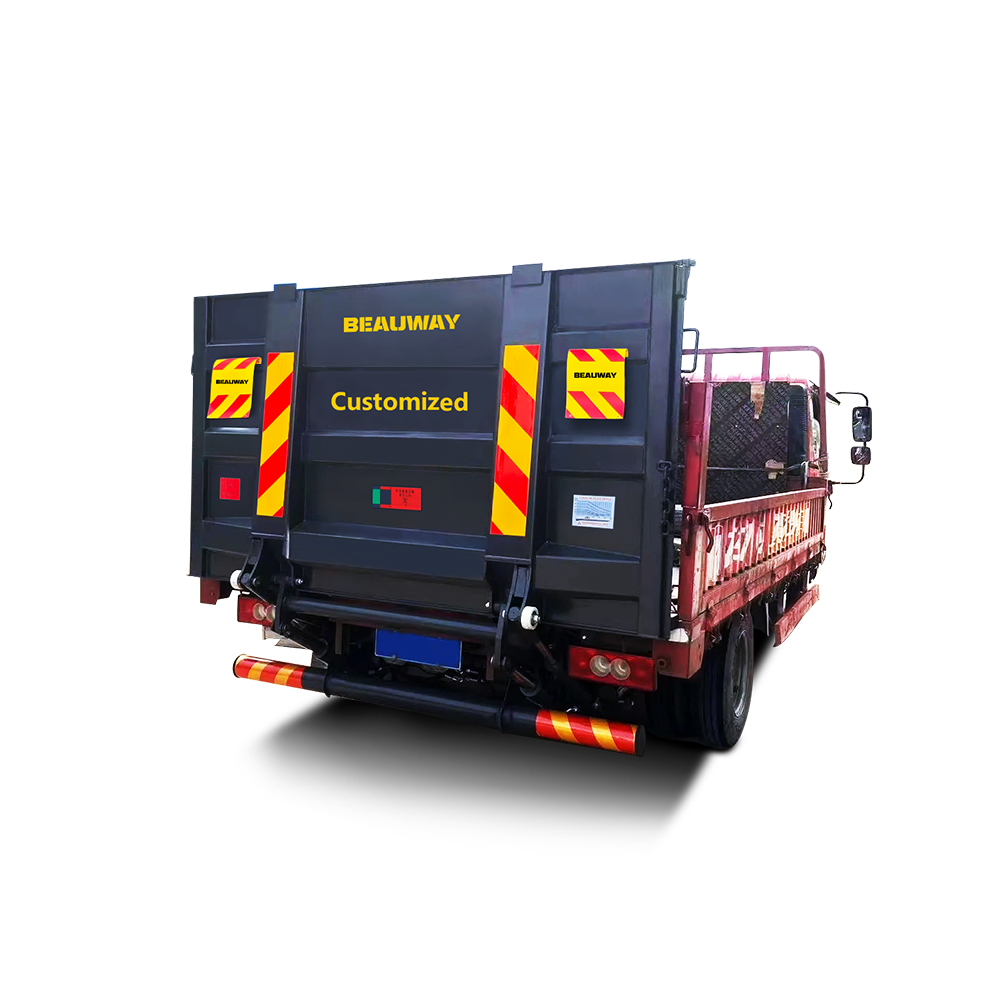
Tail lift trade terms China FOB CIF decisions define where risk and cost transfer between buyer and seller. Settle this before signing anything.
FOB (Free On Board): Risk transfers once goods are on the vessel. You arrange freight, insurance, and destination clearance. Tail lift supplier China FOB price is the industry standard quotation basis and gives you control over shipping costs. The right choice if you have an established freight forwarding relationship.
CIF (Cost, Insurance and Freight): Seller handles freight and insurance to destination port; risk transfers on arrival. Simpler for first-time importers, though total landed cost is typically higher than a well-arranged FOB shipment.
EXW (Ex Works): All transportation responsibility falls on the buyer from the factory gate. Only practical if you have in-country logistics infrastructure in China or a consolidation agent handling the move.
FOB is the right default for most buyers. Maintain your own freight visibility and don’t embed the seller’s logistics margin in your cost structure.
6. Tail Lift Factory Audit China: How to Do It Right
For any first-time supplier or high-value order, a tail lift factory audit China is non-negotiable due diligence. Three areas to cover:
Corporate compliance: Business license, export authorization, tax registration, product certifications — all verified against primary sources, not supplier-provided copies.
Production capability: Actual monthly output versus claimed capacity, equipment condition, and the proportion of critical components (hydraulic cylinders, pump units) manufactured in-house versus sourced. Higher in-house ratio typically means tighter process control.
Quality system: How the ISO 9001 system runs day-to-day — incoming material inspection records, welding procedure documentation, surface treatment process, and pre-shipment test protocols. Ask for nonconformance logs, not just the certificate.
If an in-person tail lift factory visit China sourcing trip isn’t feasible, commission SGS, Bureau Veritas, or Intertek for an independent audit and Pre-Shipment Inspection. The report provides documented grounds for payment and dispute decisions.
7. Import Duties for Tail Lifts: Market-by-Market Guide 2026
This section serves as a working import tail lift China customs guide for the four main destination markets. Confirm current rates with a licensed broker before any first shipment.
European Union: Standard duty rate 2.7% (HS Code 8716.80 or 8431.49). CE certification under the EU Machinery Directive 2006/42/EC is mandatory, along with a Technical File and Declaration of Conformity. Missing either document means clearance delays — factor that in when evaluating a new tail lift exporter China distributor relationship.
United States: Section 301 tariffs apply. Combined rate in 2026 is approximately 27.5%–32.5% (standard MFN ~2.5% plus additional duties). Verify with CBP before committing. Engage a licensed US customs broker for HTS classification.
Australia: ChAFTA preferential rate is 0% for compliant Chinese-origin goods, with a Certificate of Origin (Form F) required. Products must comply with applicable Australian Design Rules.
United Kingdom: UK Global Tariff rate ~2.7%, UKCA certification required. Beauway products carry UKCA certification — that compliance step is handled for UK-bound orders.
For Beauway’s full certification documentation, see our Certifications page.
8. Tail Lift OEM China Wholesale: Building Your Own Brand
For distributors and equipment integrators building a product line, tail lift OEM China wholesale sourcing through a hydraulic tail lift China factory direct manufacturer changes the commercial model significantly. Beauway’s OEM service covers:
Appearance: Brand nameplates and logo embossing, platform color per RAL standards, control box labeling.
Electrical: Control interface language versions (English, French, German, Spanish, Arabic, others available), remote control frequency by market (433 MHz Europe / 915 MHz North America & Australia).
Structural: Platform dimensions, mounting bracket configuration by chassis type, hydraulic line routing and quick-connect specs.
Documentation and packaging: Neutral or buyer-branded packaging, multi-language operation and maintenance manuals.
On the legal side: OEM agreements must include explicit IP ownership clauses and an NDA. Nail down tooling ownership and design file usage limits before the relationship starts, not after something goes wrong.
9. Bulk Order Logistics: Sourcing Tail Lifts from China at Scale
For sourcing tail lift China bulk orders, FCL ocean freight is the standard approach.
A 20-foot GP container holds approximately 8 to 12 folding tail lifts depending on platform dimensions. A 40-foot high cube takes 18 to 25 units — the cost-efficient choice for regular tail lift China wholesale procurement. For orders in the 2–8 unit range, LCL shipment billed by actual volume keeps per-unit logistics cost under control without paying for unused container space.
Before sealing the container: hydraulic fluid drained, wiring harnesses secured, platform locks engaged. Confirm your forwarder has the full document set — packing list, commercial invoice, certificate of origin, and certification documents — before the vessel departs.
10. Industry Standards Every Tail Lift Buyer Should Know
EN 1756-1:2021 — the core European safety standard for tail lifts, covering design, manufacturing, testing, and marking. The primary reference in EU CE certification. If a supplier’s CE documentation doesn’t cite EN 1756-1, ask why.
LOLER 1998 — UK regulation governing lifting equipment in service. Mandatory inspection intervals (6 months for equipment lifting persons, 12 months for other lifting equipment), operator competency requirements, and recordkeeping obligations. Relevant beyond the import transaction — buyers supplying UK fleets need to understand this.
ECE R13 — UN/ECE vehicle braking requirements with indirect compliance implications for vehicles fitted with tail lifts. Relevant for vehicle modifiers and upfitters in applicable markets.
ISO 9001:2015 — quality management standard. Value in supplier evaluation comes from what audits reveal about actual factory process control, not the certificate itself. Ask for nonconformance records and corrective action logs. Beauway holds ISO 9001 certification with full documentation available.
Final Note
When the groundwork is in place — clear specifications, verified supplier credentials, confirmed certifications, a competent freight forwarder — hydraulic tail lift China buy direct procurement is straightforward and cost-effective. When any of those elements are missing, it isn’t.
Beauway is a CE / ISO 9001 / UKCA / DOT certified tail lift manufacturer with a 20,000 m² facility, annual capacity above 16,000 units, and full OEM capability. MOQ is 2 units. Standard lead time is within 20 days of deposit.
Contact us for a 2026 hydraulic liftgate China price list and a quote built to your spec. See also: How to Request a Sample Tail Lift from China.
Trusted by Fleet Operators Across 60+ Countries
Stop Losing Time at the Loading Dock.
Get a Custom-Matched Tail Lift Quote in 24 Hours.
60
Countries Served
24h
Quote Turnaround
99.9
Field Uptime
5.0
Customer Rating
No Obligation
CE & UKCA Certified
Standard & Custom Builds
Worldwide Shipping