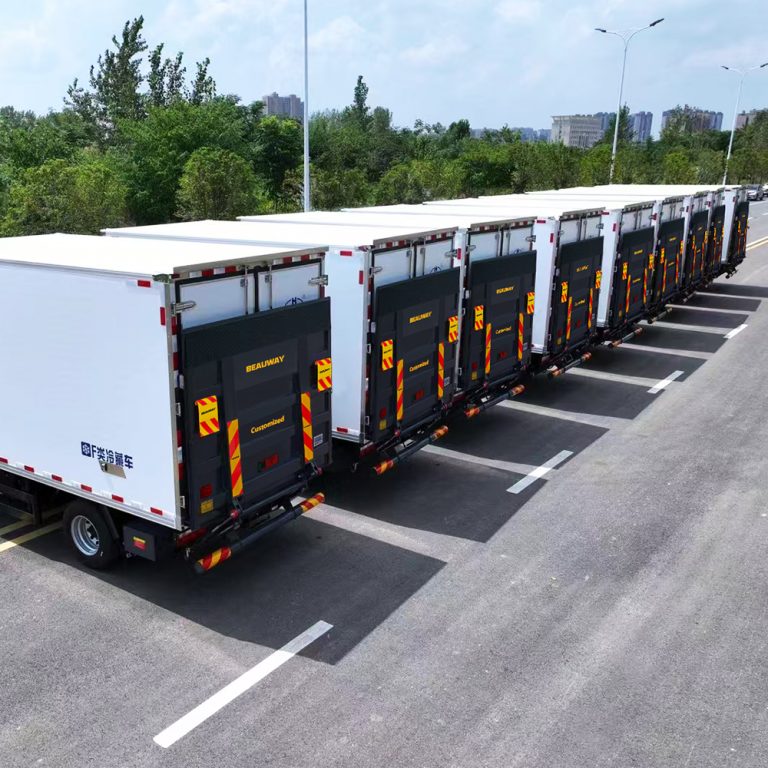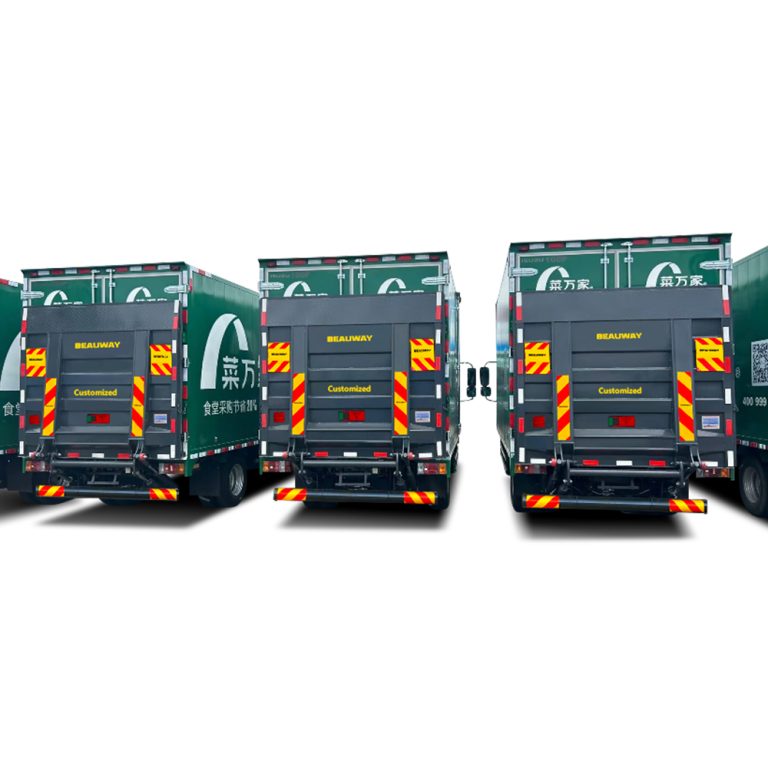







Liftgate Buyer’s Guide for Last-Mile Delivery Fleets
Tail Lift for Last-Mile Delivery Fleets: A Buyer’s Guide
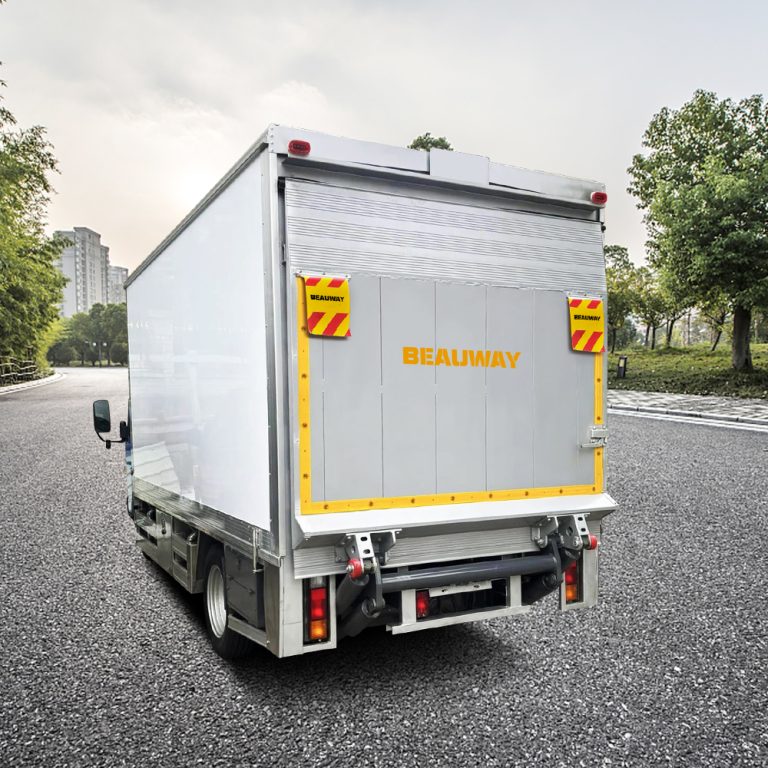
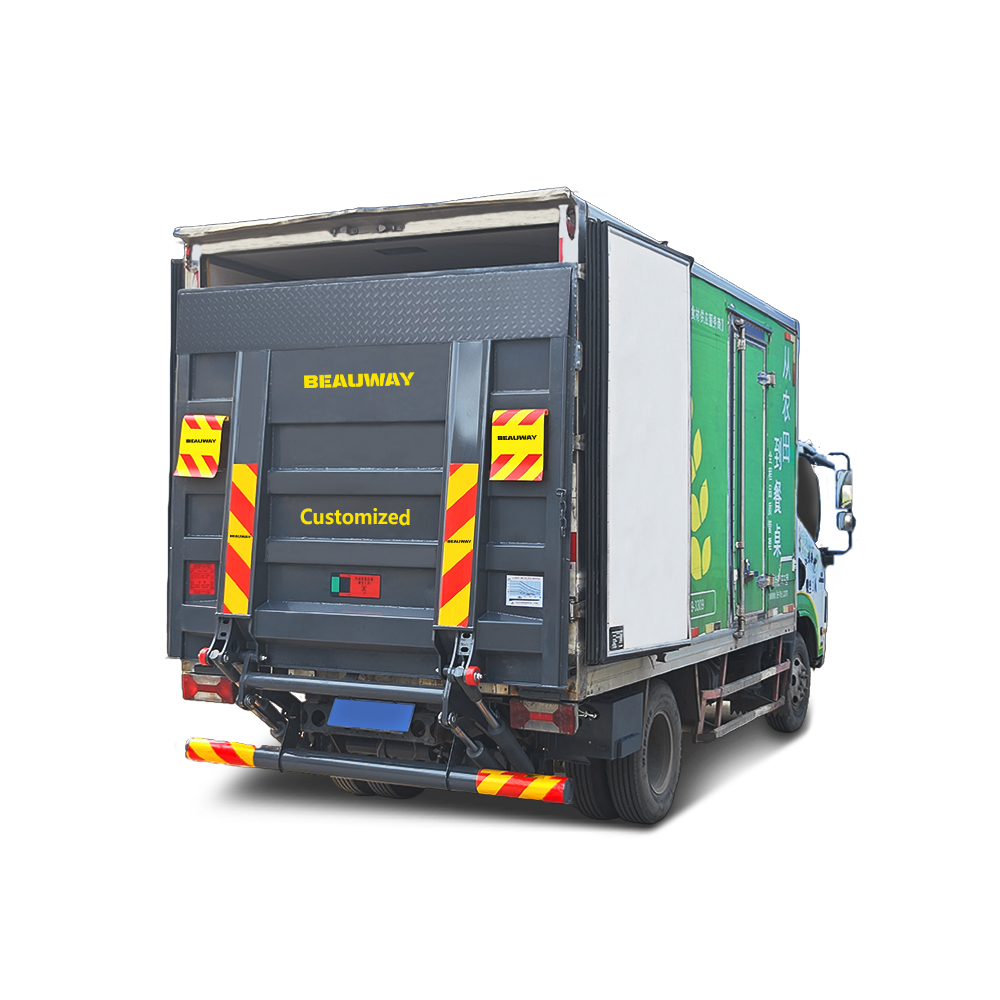
A tail lift is a hydraulic platform mounted at the rear of a delivery van or truck that raises and lowers cargo between ground level and the load bed. For last-mile delivery operators, this single piece of equipment often decides how fast a route gets completed and how few injuries a depot reports each year. In this guide, I’ll walk through what fleet managers actually need to know before they buy.
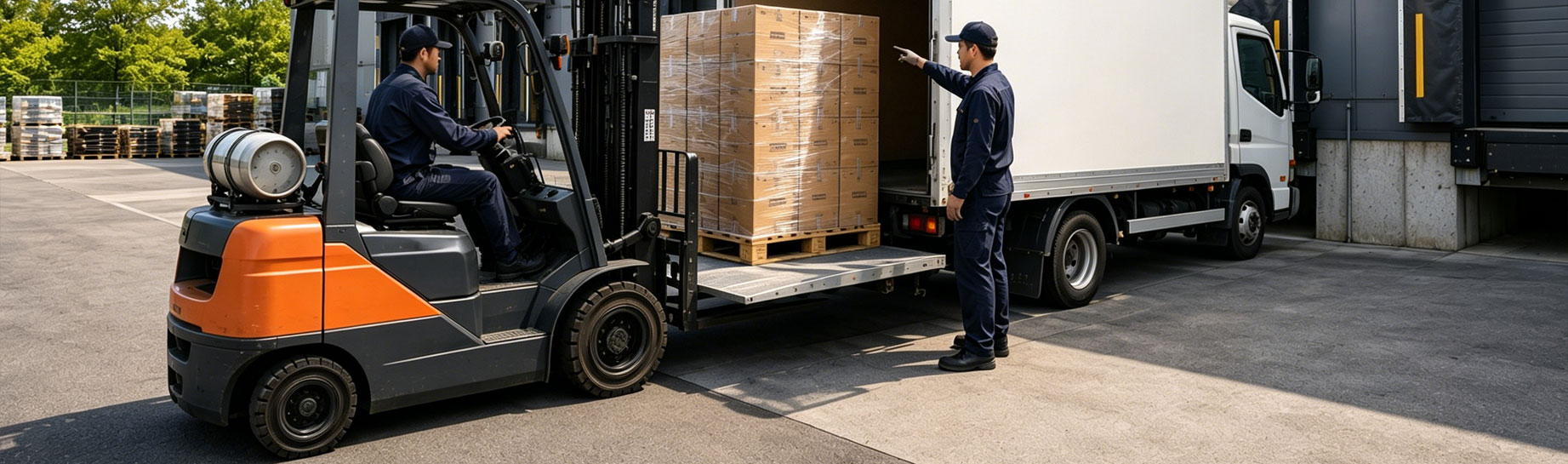
Why Last-Mile Fleets Can’t Skip a Liftgate
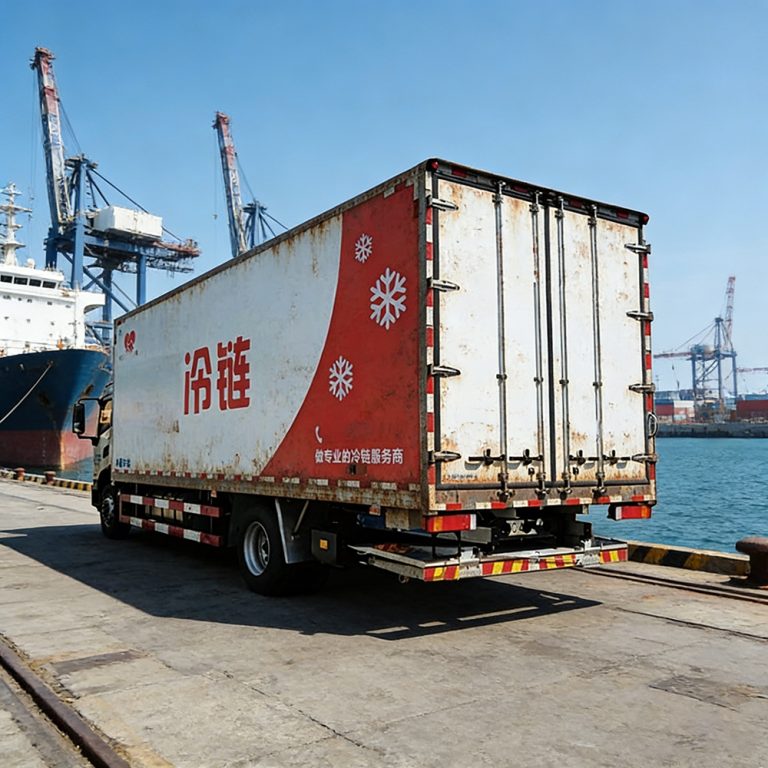
Same-day and next-day delivery has pushed driver headcount down and parcel weight up. A driver handling appliances, furniture, or palletized goods without a liftgate is doing manual lifting on every stop. Dispatchers consistently report faster stop times after switching from manual ramps to a powered liftgate. That efficiency gain compounds across a full route.
Beyond speed, there’s liability. Manual lifting injuries are one of the most common workers’ comp claims in logistics. A properly specified hydraulic tailgate removes that risk almost entirely.
What “Properly Specified” Actually Means
Not every liftgate suits every van. Specification depends on:
- Payload per stop — average parcel or pallet weight
- Vehicle GVW — gross vehicle weight rating, which limits how much liftgate weight the chassis can carry
- Platform size — needs to match pallet dimensions or roll cage footprint
- Duty cycle — how many lift cycles per day the unit will see
Types of Tail Lifts on the Market
Most delivery fleets choose from three liftgate families.
Column Lift
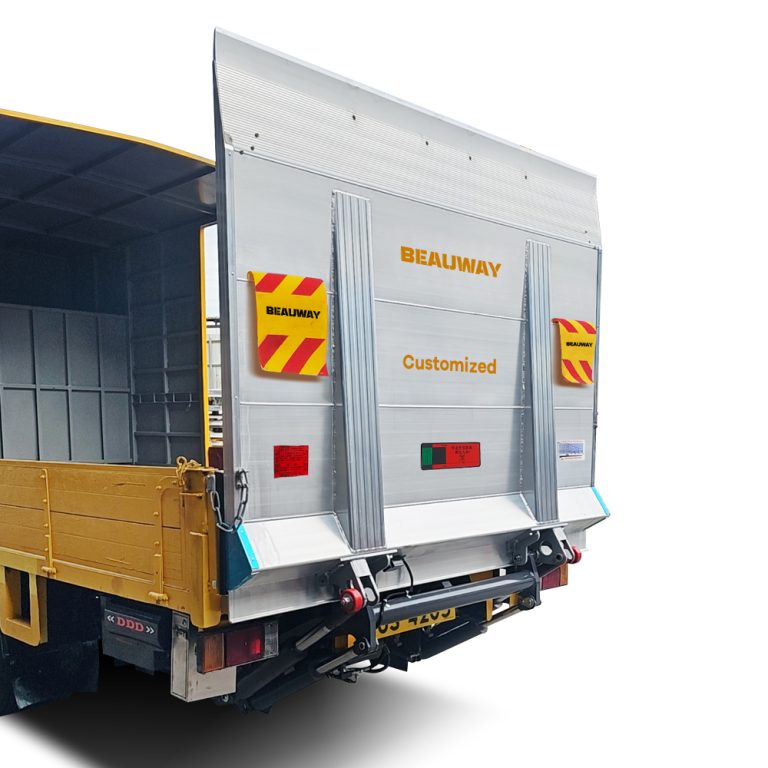
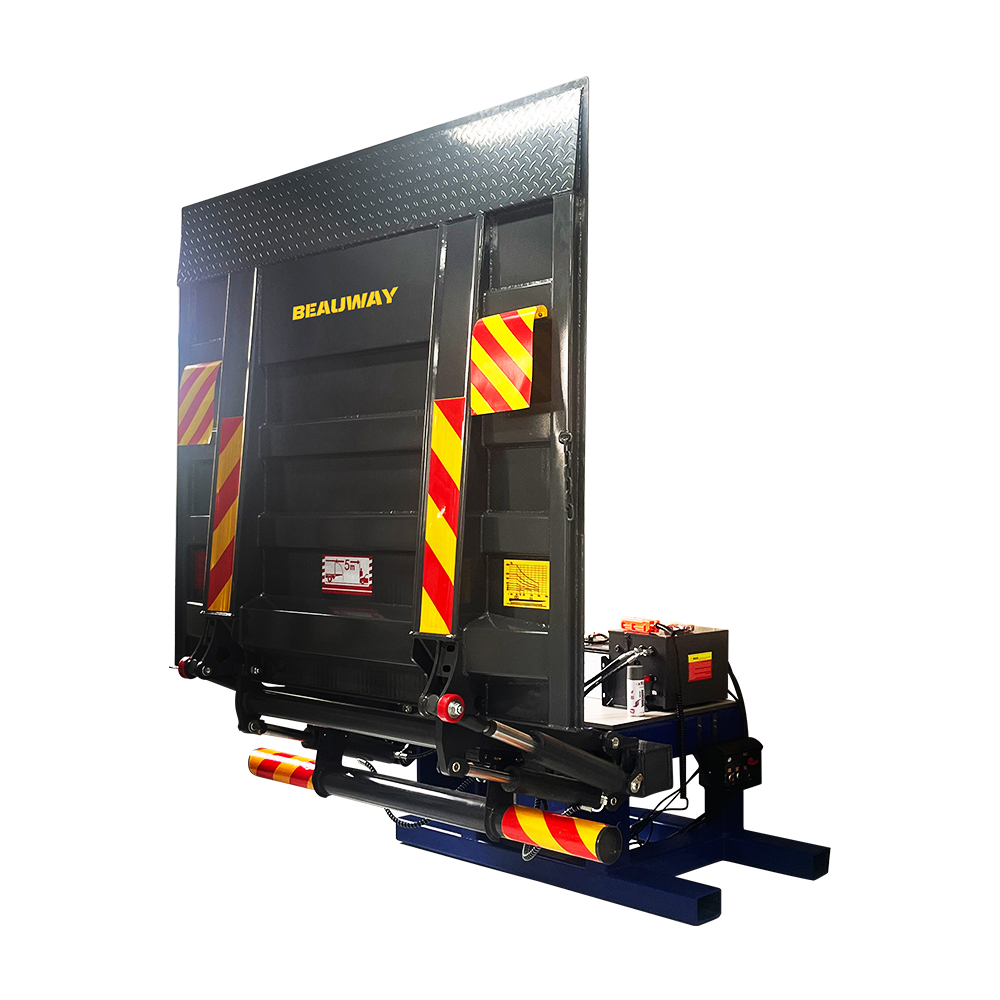
A column lift uses vertical columns mounted at the truck rear. The platform slides straight up and down along these columns. Typical capacity runs from roughly 500 to 1,500 kg, depending on the column size selected.
Tuckaway Lift
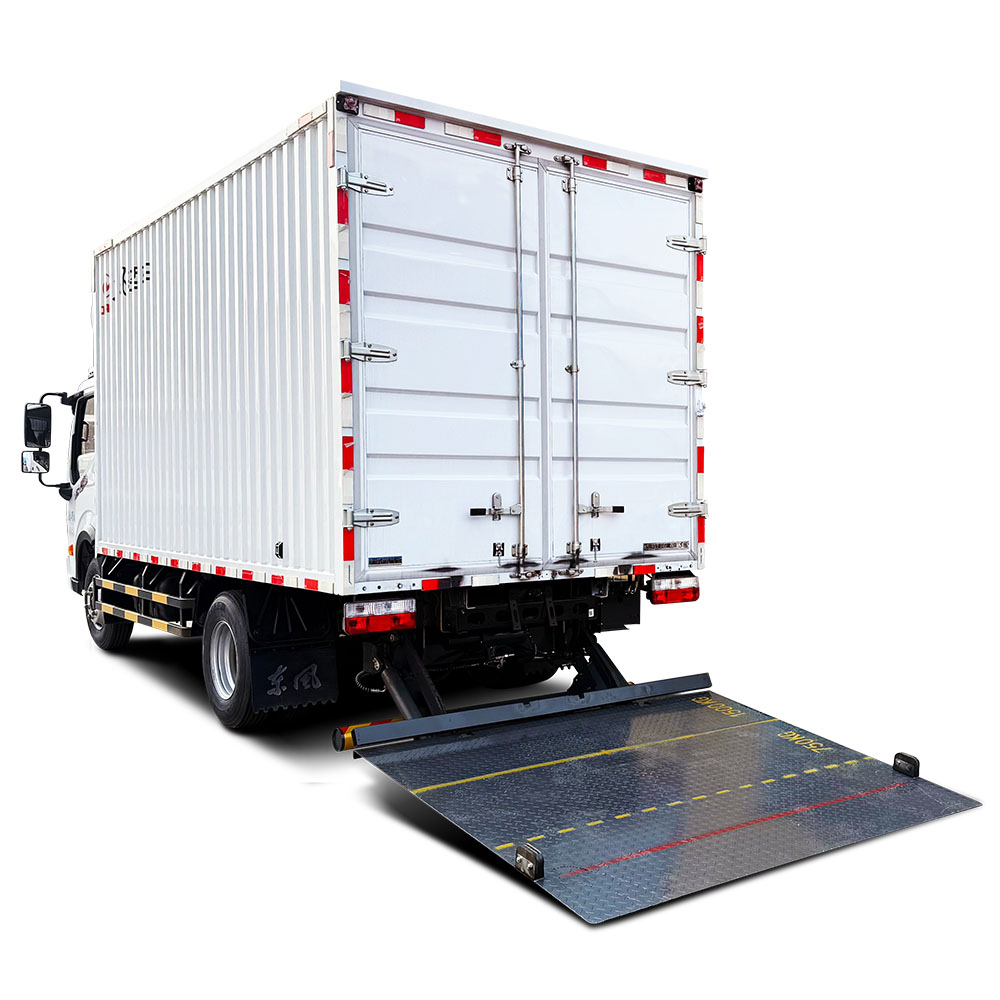
A tuckaway liftgate folds the platform flat and tucks it under the chassis when not in use. It doesn’t reduce load bed length, making it a popular choice on urban delivery vans with frequent stops.
Cantilever Lift
A cantilever liftgate folds vertically against the rear doors. It’s lighter and cheaper than a column lift and is generally suited to lighter loads, typically up to 1,000 kg or more depending on the model.
Slider/Underrun Lift
This style slides fully under the vehicle bed when stowed, preserving maximum load length. It’s the choice for fleets running mixed pallet and parcel loads where every centimeter of bed space counts.
Hydraulic Tailgate Specifications That Matter
When I sit down with a fleet buyer, the conversation always comes back to four numbers.
- Load capacity — confirm it against your heaviest realistic load, not your average load
- Platform dimensions — match to your largest pallet or cage
- Lift cycle time — how many seconds from ground to bed level
- Certification — does the unit meet the standards your market requires
On certification specifically: liftgates sold into the EU market should comply with the relevant EN 1756 lifting platform standard and carry CE marking, while UK-registered fleets now require UKCA marking following Brexit transition rules. For more detail on the underlying machinery directive requirements, the European Commission publishes guidance directly on its official EUR-Lex portal, which is the authoritative source rather than a reseller’s summary page.
Don’t Skip the Duty Cycle Number
A liftgate rated for occasional use will wear out fast on a route doing 80–120 stops a day. Ask any supplier for the rated duty cycle, not just the static load rating — these are different specifications and salespeople sometimes blur the line.
Tail Lift Supplier China vs. Established European Brands
Fleet buyers researching a tail lift supplier China option are usually comparing landed cost against brands like Dhollandia, Zepro, Bär Cargolift, Anteo, or Palfinger. These European names carry strong brand recognition and long service networks in Western Europe. Chinese manufacturers, including Beauway, have spent the last decade closing the engineering gap while offering meaningfully lower FOB pricing and shorter lead times for export orders.
The trade-off buyers should weigh:
- Price — Chinese liftgate FOB price typically runs lower per unit, even after freight
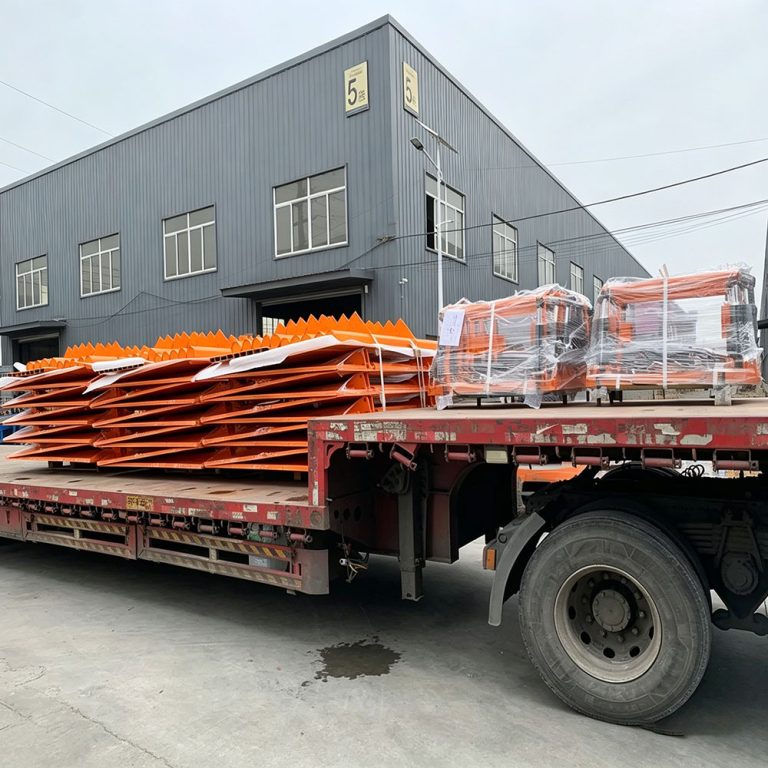
- Lead time — tail lift lead time China factories quote usually ranges from a few weeks to a couple of months depending on order volume and customization
- After-sales support — confirm your supplier has spare parts logistics and technical documentation in your language before signing
Buying Process: From Inquiry to Bulk Order
For fleets placing a delivery truck liftgate bulk order, the typical procurement sequence looks like this:
- Submit vehicle specs (model, GVW, chassis cab-to-axle measurement)
- Supplier proposes liftgate model and platform size
- Request a liftgate FOB price quote with full spec sheet
- Confirm certification documents (CE, ISO 9001 manufacturing certificate)
- Place a sample order or factory inspection before full bulk commitment
I always tell first-time buyers: request the liftgate manufacturer quote in writing with itemized freight, not just an FOB number, since door-to-door cost is what actually determines total fleet cost per unit.
Maintenance Expectations After Installation
Once installed, a hydraulic lifting platform requires scheduled hydraulic fluid checks and hinge lubrication. Maintenance intervals vary by model and duty cycle — consult your supplier’s documentation for the recommended schedule. In practice, the liftgates that fail early are almost always the ones running past their rated cycle count without a maintenance log. A simple inspection checklist extends working life considerably.
Frequently Asked Questions
What is a tail lift used for?
A tail lift is a powered platform that raises and lowers cargo at the rear of a vehicle, removing the need for manual lifting during loading and unloading on delivery routes.
How much weight can a truck tail lift hold?
Capacity varies by model, generally from around 500 kg on light cantilever units up to 2,000 kg or more on heavy-duty column and slider liftgates.
Is a Chinese tail lift supplier reliable for export orders?
Reliability depends on the individual manufacturer’s certification, quality control, and after-sales support rather than country of origin alone, so always request documentation and references.
How long does a hydraulic tailgate last?
A well-maintained liftgate can deliver many years of reliable service when operated within its rated duty cycle.
Final Thoughts
Choosing the right liftgate manufacturer comes down to matching specifications to your actual route conditions, not just comparing sticker price. If you’re scoping a fleet upgrade, our tail lift product range outlines current platform sizes and capacities, and our hydraulic tailgate maintenance guide covers upkeep in more depth.
If you’d like a liftgate manufacturer quote for your fleet’s specific vehicle list, reach out to our export sales team and we’ll put together a spec sheet within 24 hours.