Having trouble submitting? Email us directly at nicole@beauway.com and we'll get back to you within 24 hours.











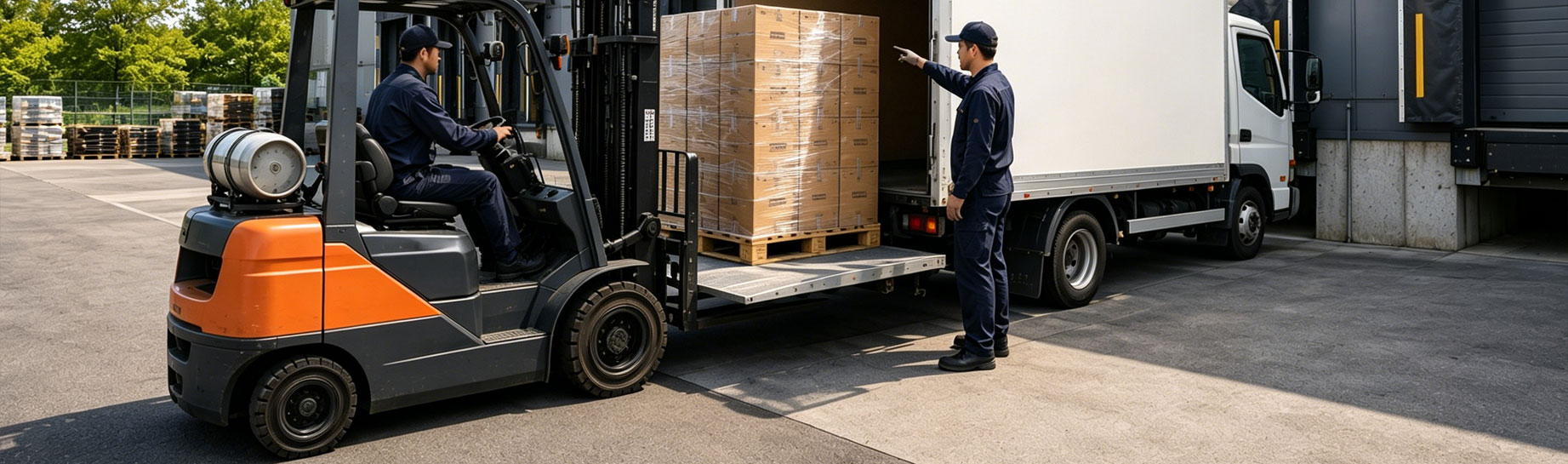
Ignoring These Details Could Be Costing Your Pit Dock Leveler Money
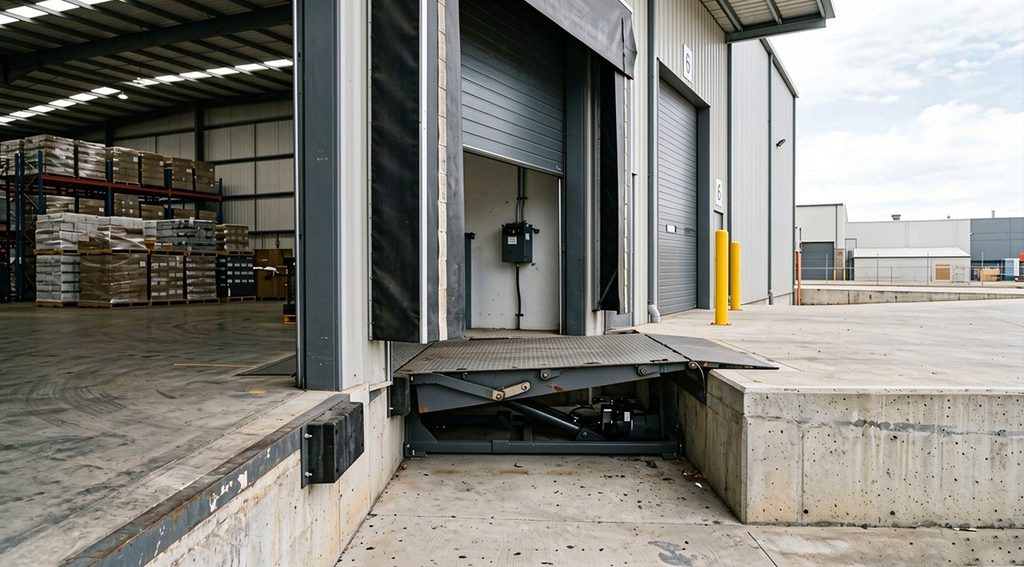
Pit dock leveler maintenance helps warehouses operate safely, reduce repair costs, and avoid unnecessary downtime. In the fast-paced environment of modern warehousing and logistics, facility managers constantly track complex performance metrics such as energy consumption, labor allocation, and throughput. Yet, one of the most critical physical links in the entire supply chain often remains a blind spot: the loading dock. A key component of the loading dock is the heavy-duty pit dock leveler, which bridges the gap between the warehouse floor and the truck trailer.
Despite handling immense daily workloads under punishing conditions—enduring heavy forklift traffic shift after shift—these essential systems often suffer from deferred upkeep. A prevailing misconception in many warehouse operations is that if a machine is still running, it requires no attention. However, relying on reactive repair strategies—waiting for equipment to break down completely before taking action—leads to ongoing financial losses. A systematic preventive maintenance program helps control operating costs, improve workplace safety, and extend equipment service life.
The Financial Impact: Where Your Money Is Going
When warehouse operators choose to ignore minor mechanical issues, sluggish operation, or unusual noises, they inevitably invite more expensive repairs. Emergency industrial repairs are notoriously expensive. Expedited parts, after-hours service calls, and unexpected downtime can significantly increase maintenance costs. Effective pit dock leveler care directly targets these vulnerabilities, transforming unpredictable emergency expenditures into manageable, planned operational budgets.
Escalating Expenses and Lost Capital
When minor mechanical issues remain unaddressed, they worsen over time. A sticking lip mechanism, worn hinge pins, or a sluggish hydraulic cylinder places abnormal stress on the entire superstructure, leading directly to inflated dock leveler repair costs. When heavy-duty equipment fails in the middle of a shift, trucks are forced to idle, trailers get backed up, and shipments miss critical dispatch windows. By keeping up with regular care, facilities unlock substantial loading dock cost savings, reducing the heavy financial penalties associated with unexpected equipment failure.
Protecting Asset Value and Productivity
Warehousing assets represent significant capital investments. Without regular maintenance, heavy forklift traffic can accelerate structural fatigue, cause cracking in steel components, and increase component wear. Prioritizing dock equipment longevity ensures that your capital investments reach their maximum service life, delaying costly premature replacements. Furthermore, smooth-running systems directly enhance operational efficiency, allowing material handlers to transition pallet loads seamlessly from warehouse bays into trailers without bottlenecks.
To protect these gains, facility directors must understand that every pit dock leveler operates under immense dynamic load stress. Without ongoing maintenance, components degrade rapidly, directly impacting daily operational efficiency and driving up unnecessary dock leveler repair costs.
The Unseen Risks: Safety Hazards and Regulatory Exposure
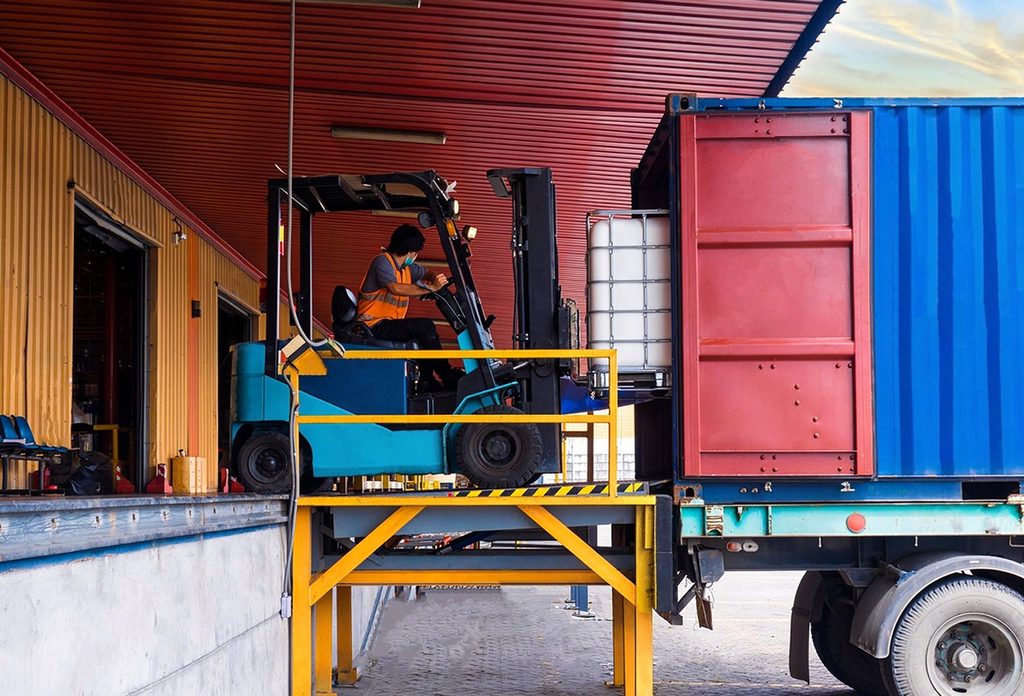
Financial losses extend far beyond inflated repair bills and delayed shipments. Neglected loading dock infrastructure introduces severe physical risks to warehouse personnel.
- Worn-out safety chains and faulty lip latches increase the risk of trailer creep during active loading operations.
- Hydraulic pressure loss can cause heavy steel platforms to drop unexpectedly under maximum forklift loads.
- Proper installation and maintenance of any standard pit dock leveler are essential to prevent hazardous drop-offs.
- Uneven transition plates and warped deck plates create tripping hazards and destabilize material handling equipment.
Maintaining a pit dock leveler properly is paramount for ensuring loading dock safety. According to industry safety benchmarks and OSHA guidelines, equipment malfunction is a leading contributor to material handling injuries. Ignoring routine upkeep exposes workers to hazards such as dock drop-offs, slips, and forklift tip-overs, and exposes the facility to regulatory fines and legal liabilities.
Following the manufacturer’s maintenance instructions and applicable safety regulations helps keep dock levelers in safe operating condition, which supports comprehensive preventive maintenance.
Actionable Maintenance Strategies: Critical Focus Areas
To protect your capital investment and ensure seamless warehouse operations, engineering teams must transition from reactive repairs to structured execution. Focusing on specific technical areas helps ensure that each component operates reliably.
1. Systematic Structural Evaluation
Regular assessment forms the backbone of any reliable upkeep schedule. Implementing a detailed dock leveler inspection protocol allows technicians to catch hairline fractures before they expand.
- Examine main frame welds, hinge points, and structural gussets for signs of stress or separation.
- Check front and rear hinge assemblies for excessive lateral play or mechanical binding.
- Inspect rubber dock bumpers for severe wear, tearing, or displacement that could compromise truck alignment.
- Conduct a thorough dock leveler inspection during every quarterly review to preserve overall dock equipment longevity.
2. Specialized Hydraulic Care
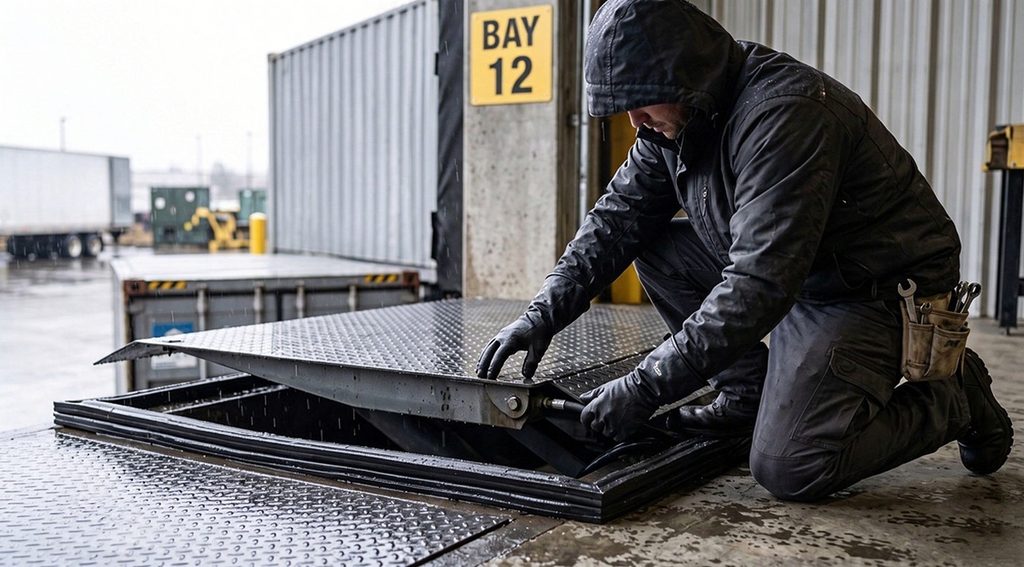
For modern high-performance systems, the hydraulic power unit dictates overall reliability. Routine hydraulic dock leveler care helps prevent pressure loss, erratic lifting, and fluid contamination.
- Monitor fluid levels in the reservoir regularly and replace the fluid according to the manufacturer’s recommendations and its condition.
- Inspect piston rods and cylinder seals for micro-leaks or scoring caused by abrasive debris.
- Test velocity fuses and emergency descent-blocking valves to verify that safety lockouts engage instantly in the event of rapid fluid flow loss.
- Proper hydraulic dock leveler care is essential when evaluating total dock leveler repair costs over the equipment’s lifespan.
3. Environmental Sanitation and Component Lubrication
Loading docks are exposed to dirt, packaging debris, moisture, and changing weather conditions, all of which can affect moving components. Consistent dock leveler lubrication & cleaning keeps moving parts functioning smoothly with minimal friction.
- Clear the pit floor completely of accumulated cardboard dust, strapping bands, and packaging debris that can obstruct mechanism travel.
- Apply high-grade, extreme-pressure grease to all grease fittings, pivot pins, roller bearings, and hinge knuckles at recommended intervals.
- Ensure drainage channels within the pit remain unobstructed to prevent standing water and subsequent rust formation.
- Routine dock leveler lubrication & cleaning directly supports loading dock cost savings by eliminating premature component wear.
4. Safety Mechanism Verification
Mechanical interlocks and safety lips must be tested under simulated working conditions. Verifying toe guards, automatic mechanical stops, and lip extension locks helps ensure that fail-safes function properly when emergency intervention is required.
Frequently Asked Questions (FAQ)
Q1: How often should a pit dock leveler undergo routine inspection and professional servicing?
Facilities with high daily traffic should perform regular visual inspections and schedule professional servicing at intervals recommended by the manufacturer to evaluate hydraulic integrity and structural alignment.
Q2: What are the primary warning signs that a hydraulic dock leveler requires immediate repair?
Key indicators include sluggish platform elevation, unusual motor straining noises, visible fluid pools beneath the pit, or a lip mechanism that fails to extend or retract smoothly during operation.
Q3: How does preventive maintenance directly reduce long-term repair costs?
By identifying component wear and lubrication problems early, preventive maintenance helps prevent minor issues from developing into costly failures and reduces the likelihood of emergency repairs.
Q4: What is the most frequently overlooked detail during routine dock upkeep?
Facility teams often neglect to clear debris from the pit floor and omit regular hinge lubrication, which causes excessive friction, accelerated wear, and premature mechanical binding.
Q5: Can proper upkeep extend the operational lifespan of older dock equipment?
Yes. Adhering to structured equipment care reduces cyclic stress fatigue, ensuring that aging assets achieve maximum service life without requiring premature capital replacement.
Conclusion
Neglecting warehouse loading infrastructure is a silent drain on corporate profitability. A proactive maintenance program helps reduce unexpected downtime, control repair costs, and maintain safer loading dock operations. By embedding rigorous pit dock leveler care into your daily and weekly operational workflows, you safeguard your investments, protect your workforce, and secure long-term operational excellence. Shifting from reactive repairs to proactive maintenance is a key strategic advantage for modern warehouses.
Trusted by Fleet Operators Across 60+ Countries
Stop Losing Time at the Loading Dock.
Get a Custom-Matched Tail Lift Quote in 24 Hours.
60
Countries Served
24h
Quote Turnaround
99.9
Field Uptime
5.0
Customer Rating
No Obligation
CE & UKCA Certified
Standard & Custom Builds
Worldwide Shipping