Having trouble submitting? Email us directly at nicole@beaway.com and we'll get back to you within 24 hours.











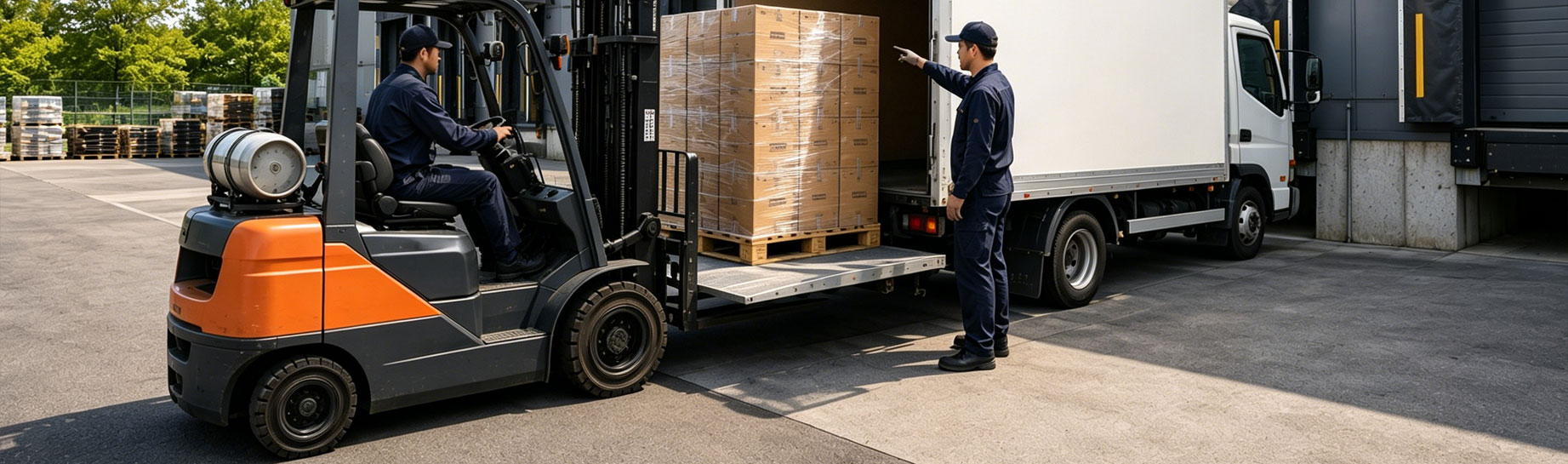
Hydraulic Tail Lift Price in 2026: Cost Breakdown & Buying Guide
Spend enough time around loading dock equipment and the same question keeps coming up: what does a hydraulic tail lift actually cost? No clean answer exists. Price swings are wide — a basic Cantilever Tail Lift can come in under $1,100, while a heavy-spec Concealed Tail Lift pushes past $3,000 — and the gap between those numbers is driven by factors most buyers haven’t fully mapped out before they start getting quotes. What follows is a practical breakdown built from real fleet retrofits, workshop observations, and maintenance records accumulated across multiple markets.
Before You Quote: Tail Lift Types and Why the Distinction Matters
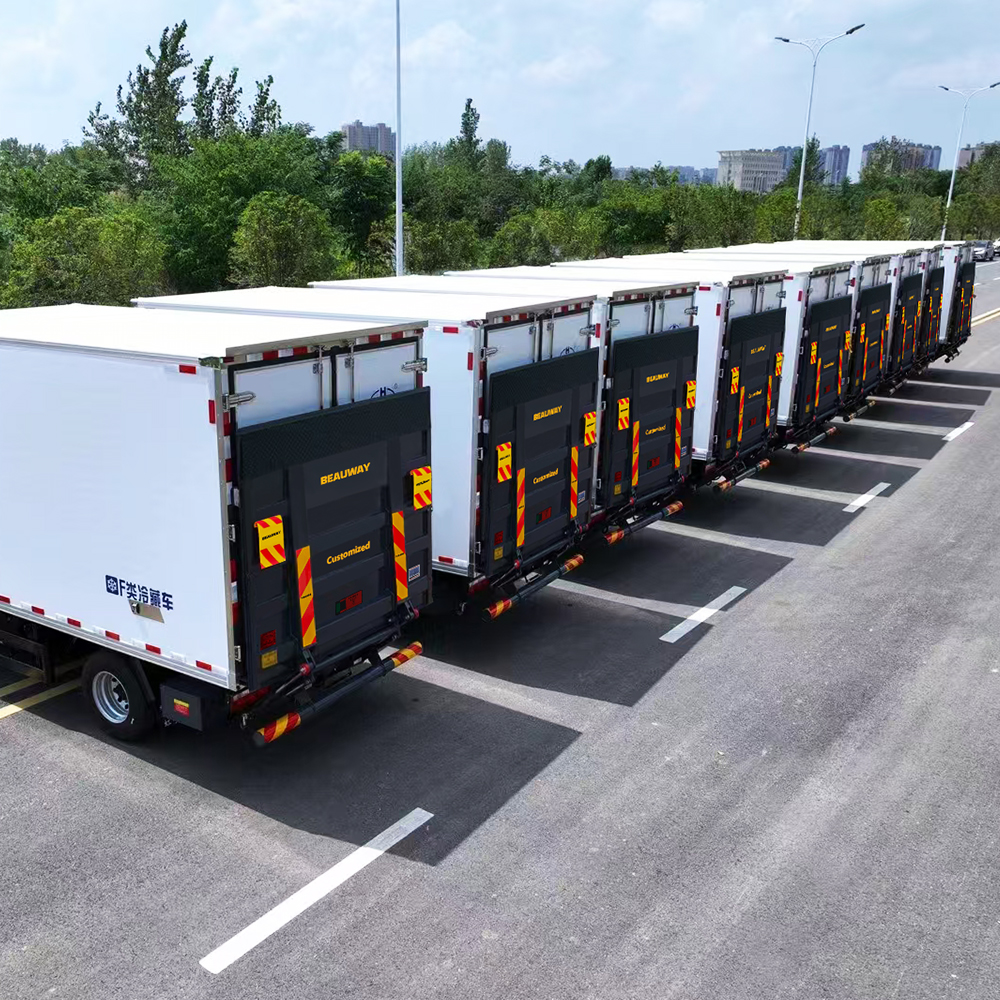
Jumping straight to tail lift price without settling on configuration first is a reliable way to get the wrong unit on the wrong truck. Five platform types dominate the market: Cantilever Tail Lift, Folding Tail Lift, Built-in Tail Lifts, Vertical Tail Lift, and Concealed Tail Lift. The hydraulic architecture behind each one differs enough to make direct price comparison meaningless without knowing which type fits the application.
Folding Tail Lift units account for the largest share of installations on commercial freight vehicles. The platform retracts flush to the vehicle rear, road clearance stays clean, and the hydraulic power unit tucks into the subframe cavity. Platform deck sizes typically fall between 1,500mm×2,000mm and 2,000mm×2,500mm. Tail lift capacity on most Folding units runs 500kg to 2,000kg, which covers the bulk of urban commercial vehicle equipment work without over-specifying.
Cantilever Tail Lift designs trade some payload ceiling for a lighter structure and more ground clearance flexibility — useful on routes where kerb heights and road surfaces are inconsistent. At the other end of the complexity scale, Built-in Tail Lifts and Concealed Tail Lift units bury the tail lift cylinder arrangement — typically dual or quad cylinder — inside the chassis floor or side rails. The result looks clean, but getting hands on the hydraulics for service takes considerably more effort. Vertical Tail Lift configurations offer lift travel beyond 1.4 meters and show up most often on refrigerated box trucks and specialist vehicles where the cargo loading system has to handle consistent heavy loads across long service cycles.
One thing worth flagging early: two units with identical platform ratings can perform very differently over time depending on hydraulic component tolerances, control valve quality, and seal material specifications. Those differences rarely show up in the first year.
2026 Tail Lift Pricing: Where the Money Actually Goes
The sticker price covers only part of what a tail lift actually costs to put into service.
Unit Cost
Current 2026 market pricing across the five main configurations:
| Type | Price Range | Load Capacity |
|---|---|---|
| Cantilever Tail Lift | $1,029 – $1,471 | 500–2,000 kg |
| Folding Tail Lift | $1,029 – $1,618 | 500–2,000 kg |
| Built-in Tail Lifts | $2,353 – $2,941 | 500–2,000 kg |
| Vertical Tail Lift | $2,206 – $2,941 | 500–2,000 kg |
| Concealed Tail Lift | $2,353 – $3,088 | 500–2,000 kg |
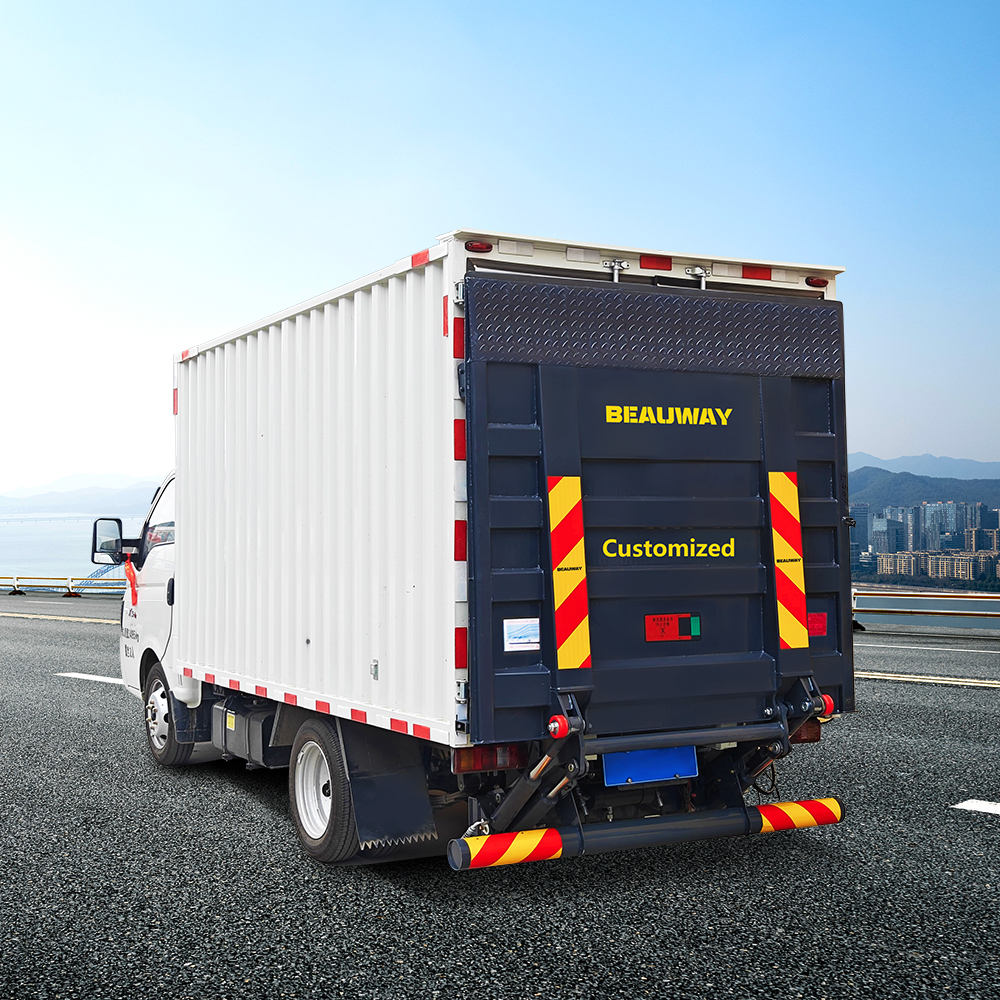
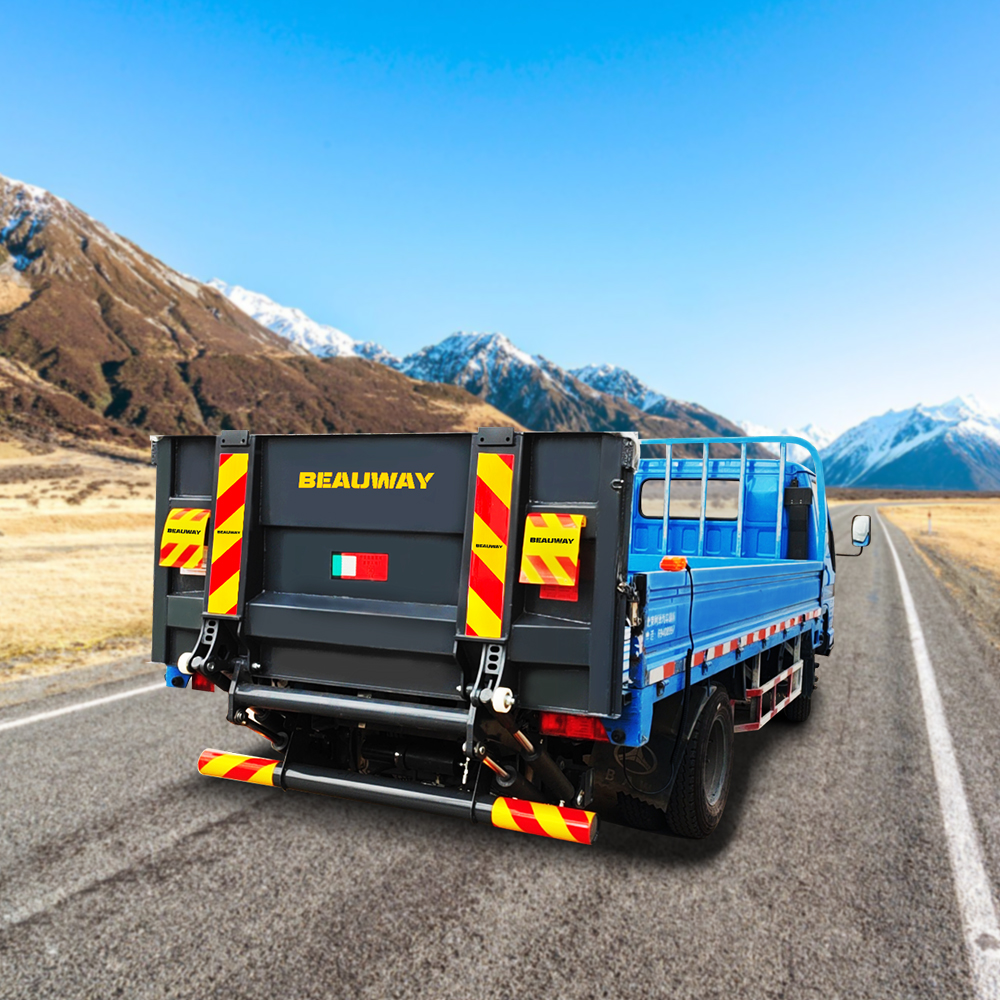
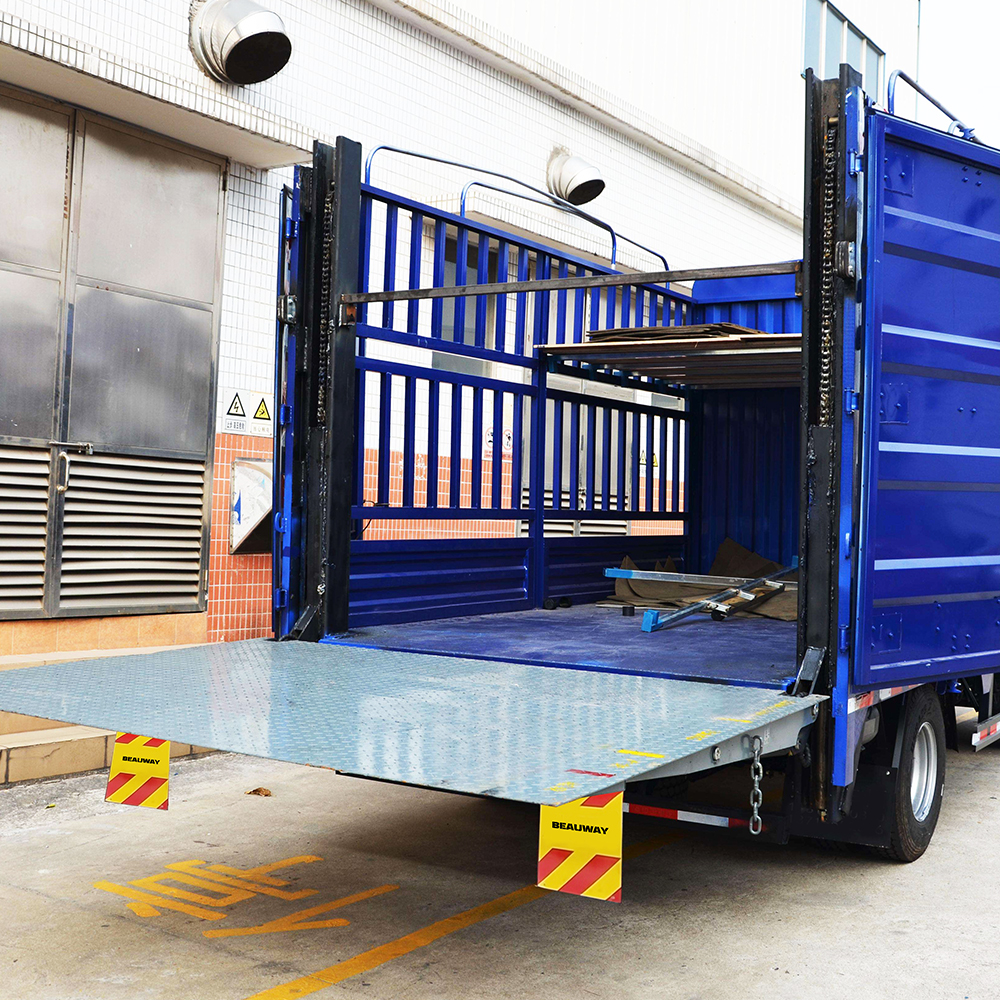
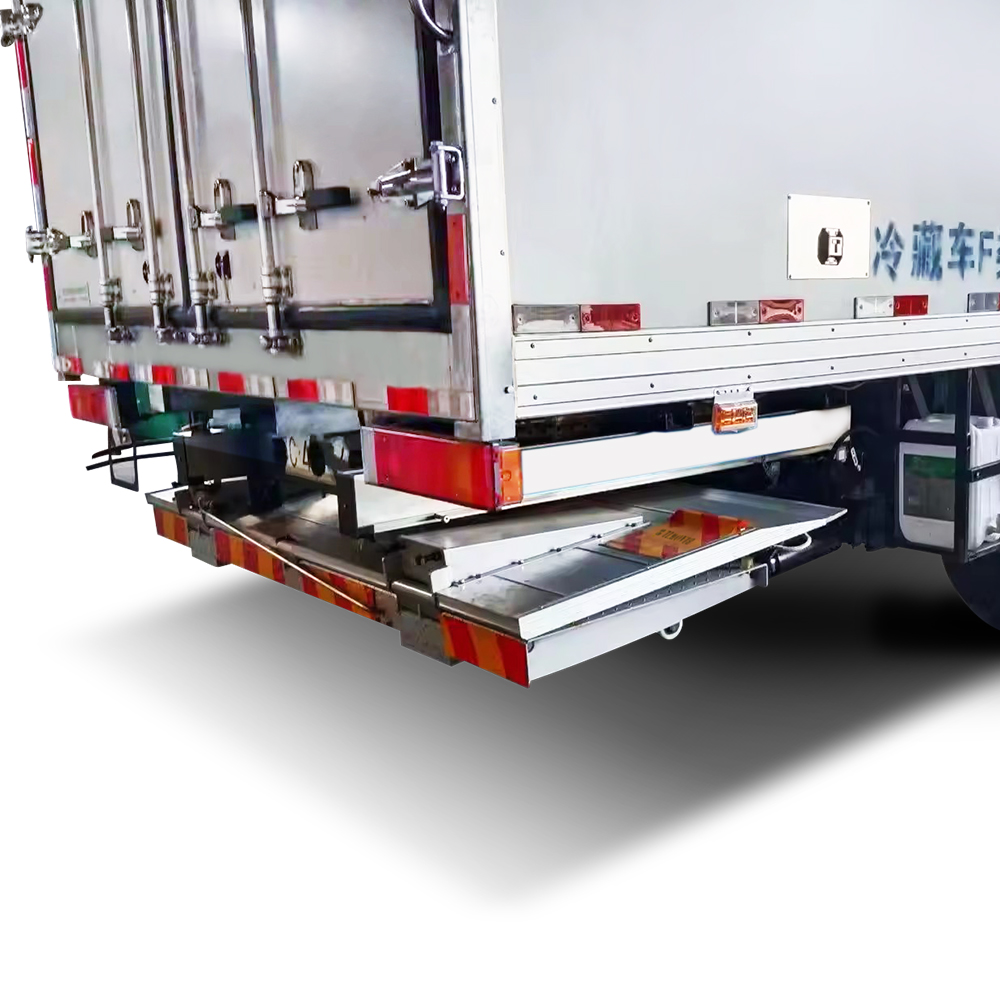
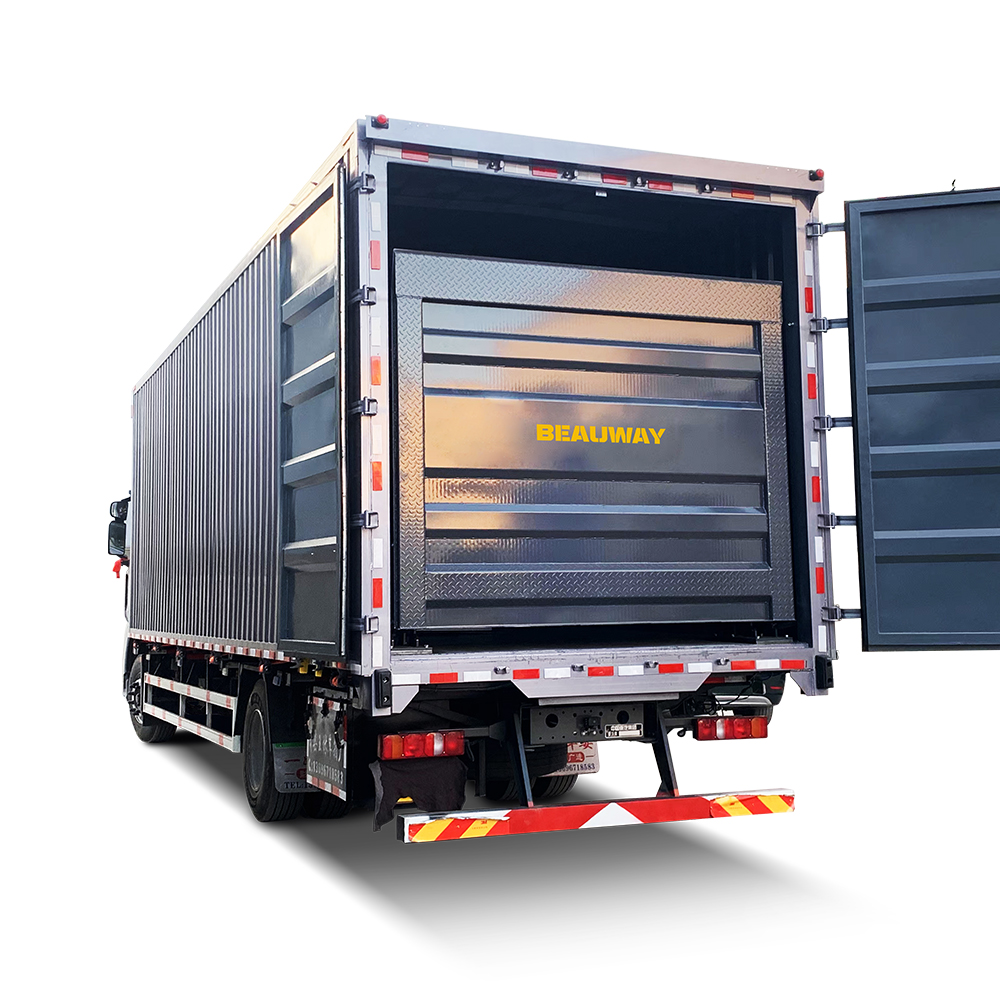
Capacity scaling doesn’t follow a straight line. Moving from 500kg to 2,000kg tail lift weight limit typically adds 35% to 60% to the base unit cost — the tail lift cylinder bore steps up, the platform steel spec increases, and the subframe mounting points need to be heavier. Concealed Tail Lift units carry the highest ceiling because the chassis work required to house them cleanly is genuinely involved.
Tail Lift Installation Cost
A line item that regularly gets underestimated or left off the budget entirely. Fitting a tail lift is not a bolt-on job — chassis modification, hydraulic line runs, electrical integration, and bracket fabrication all need to happen before the unit is operational. Folding Tail Lift and Cantilever Tail Lift installations on standard commercial vehicles generally land between $410 and $810 in labor. Built-in Tail Lifts and Concealed Tail Lift work, which requires cutting into the chassis structure and fabricating custom mounting, routinely exceeds $1,760.
Hydraulic Components
The hydraulic power unit drives everything else in the cargo loading system. Motor ratings between 1.5kW and 3kW cover most applications. European-brand power units — Bosch Rexroth, Parker — can run three to four times the cost of equivalent-rated alternatives. The tail lift control valve is another component where the cost difference between mid-range and budget options shows up in service records rather than on delivery day. It’s not a place to cut the quote down.
Tail Lift Safety Device
A complete tail lift safety device package covers overload relief, mechanical drop-prevention lock, anti-slip deck surface, emergency stop, and travel limit switches. Budget $118 to $368 for a full kit. European-specification units ship with this included. Some lower-tier models do not — worth confirming in writing before the order goes through.
EN 1756-1:2001+A1:2008 is explicit on this point: vehicle-mounted platforms rated above 500kg must carry an independent mechanical safety lock. Hydraulic retention alone does not satisfy the standard.
Project Case: 25-Vehicle Fleet Retrofit in Melbourne, Australia
September 2024. A third-party logistics company operating out of Melbourne ran a mixed fleet of around 25 Mercedes-Benz Sprinter and Fuso Canter box trucks on supermarket fresh food and general merchandise last-mile routes. Manual unloading had become both a cost problem and a compliance problem — WorkSafe Victoria sets a 23kg single-item limit for manual handling, and the fleet was regularly working above it. The decision to retrofit tail gate lift units fleet-wide wasn’t complicated once the numbers were on the table:
“We’ve had three injury claims in two years from manual unloading. The insurance cost alone justifies the investment.”
How the Selection Played Out:
- Three configurations were assessed: Cantilever Tail Lift, Folding Tail Lift, and Vertical Tail Lift. The Concealed Tail Lift was ruled out early — neither vehicle platform had enough chassis real estate for the modification work
- Available axle load margin on the Fuso Canter knocked the Vertical Tail Lift out of contention. The spec landed on a 1,000kg tail lift capacity Folding Tail Lift
- Local distributor quotes came in for Zepro (Sweden), Dhollandia (Belgium), and an Asian OEM option. Parts lead times and service network density in the Melbourne metro area tilted the decision toward the Dhollandia DH-ML 1000 series
Per-Vehicle Cost Breakdown (Australian GST included):
- Folding Tail Lift unit: AUD $4,200 (approx. $2,730 USD)
- Tail lift installation cost — chassis reinforcement, hydraulic lines, electrical: AUD $1,100 (approx. $715 USD)
- VSB6 compliance certification: AUD $380 (approx. $247 USD)
- 3-month tail lift maintenance check: AUD $160 (approx. $104 USD)
- Per-vehicle total: approx. AUD $5,840 (approx. $3,796 USD). Full fleet: approx. AUD $146,000
Eight Months Later:
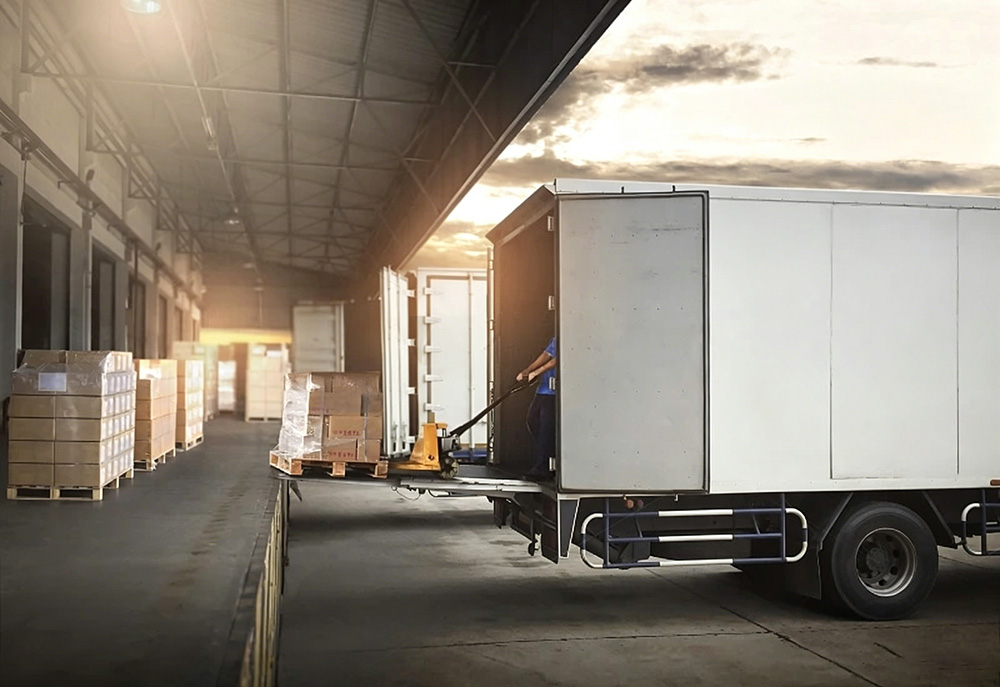
Average unloading time per stop dropped from 52 minutes to 21 minutes. Injury claims: zero. Tail lift repair cost for the year was negligible — one tail lift seal kit at AUD $95, one tail lift motor brush set at AUD $340 across the entire fleet.
What wasn’t in the original budget: three vehicles needed rear crossmember reinforcement during installation. All three had covered more than 80,000 kilometers, and the pre-installation check flagged chassis deformation that had to be addressed before the mounting could go ahead. That ran AUD $420 per vehicle. The pre-installation structural inspection is not optional — skipping it just moves the cost further down the timeline and adds complexity.
Maintenance Costs: The Number Most Budgets Miss
The purchase price gets attention. Tail lift maintenance cost over the service life is what actually determines whether the total investment made sense.
Routine service intervals and typical costs:
- Every 3 months: hydraulic fluid check, tail lift cylinder rod inspection and wipe-down, limit switch test — labor runs $22 to $44
- Every 6 months: hydraulic fluid change (8 to 15 liters per unit, ISO VG 46 anti-wear grade), tail lift control valve flush, hinge lubrication — parts and labor $74 to $132
- Annually: full inspection covering tail lift safety device function test and structural weld check — $118 to $221
Where tail lift repair cost tends to concentrate:
- Tail lift cylinder seal failure — internal leak or external weep: tail lift seal kit swap runs $41 to $118. Scored bore means full cylinder replacement at $221 to $662
- Hydraulic power unit motor burnout: standard replacement $88 to $176; European OEM parts start around $515
- Tail lift motor wear: comes up often on refrigerated vehicles cycling the motor repeatedly in cold conditions — parts $59 to $265
- Hinge failure from overloading or impact: weld repair $74 to $176, replacement $118 to $324
Risk factors worth assessing before the purchase decision:
- Sub-zero operating environments need a low-temperature hydraulic fluid specification — standard fluid thickens, strains the motor on cold starts, and chews through seals faster
- Running consistently above the rated tail lift weight limit pushes the hydraulic circuit into over-pressure territory and takes time off the tail lift cylinder service life
- Putting off tail lift seal kit replacement is one of the more reliable ways to turn a minor leak into a structural repair bill
- Unauthorized changes to loading dock equipment configuration break hydraulic circuit balance in ways that aren’t always immediately obvious
- Concealed Tail Lift and Built-in Tail Lifts hide their plumbing well enough that early-stage weeping at seals gets missed on routine walkarounds
The view that holds across most of the industry: the cheap unit isn’t necessarily the problem — skipping maintenance is where the real cost lands. Over a 10-year service life, maintenance expenditure on a hydraulic tail lift typically accounts for 40% to 55% of total ownership cost.
Specification Checklist: What to Confirm Before Committing
Working through these in sequence catches the majority of specification errors before they become installation problems:
- Pull the axle load data for the target vehicle and confirm that adding a truck tail lift keeps the loaded axle weights inside local road regulation limits
- Nail down the actual maximum single-lift payload — then select a tail lift capacity rating with 15% to 20% headroom above that number
- Match the configuration to the work: Cantilever Tail Lift and Folding Tail Lift for high-cycle urban delivery; Vertical Tail Lift for heavy refrigerated freight; Built-in Tail Lifts and Concealed Tail Lift where fleet branding requires a clean vehicle profile
- Check the tail lift safety device package against the applicable standard — EN 1756 in the EU, VSB6 in Australia, FMCSA in the US
- Identify the hydraulic power unit and tail lift control valve manufacturers and verify that replacement parts are stocked locally, not on a 6-week import lead time
- Get the tail lift seal kit part numbers and the manufacturer’s recommended replacement interval in writing — build those into the maintenance budget from day one
When a Hydraulic Tail Lift Is the Wrong Tool
A few scenarios where the specification doesn’t hold up:
- Monthly lift cycles below 50 often make fixed loading dock equipment at a dedicated dock more cost-effective than a vehicle mounted lift — the capital and installation cost of the on-vehicle unit doesn’t get recovered
- Light commercial chassis have real torsional stiffness limits. Hanging a heavy Vertical Tail Lift off a platform that wasn’t designed for it affects how the whole vehicle handles, not just the rear end
- Sub-500kg parcel delivery work is well within Cantilever Tail Lift or light Folding Tail Lift territory — specifying Built-in Tail Lifts or Concealed Tail Lift on that duty cycle adds fabrication cost and future service complexity for no operational gain
- Concealed Tail Lift looks the part, but when a tail lift cylinder or tail lift motor needs attention, getting to it runs 60% to 80% more in labor hours than the same job on a standard Folding Tail Lift
Tail lift price levels in 2026 are running 8% to 12% above 2024 across all categories, reflecting raw material cost increases and international freight. The Folding Tail Lift and Cantilever Tail Lift hold their position as the default specification for small and mid-sized commercial vehicle equipment fleets — mature supply chains, broad parts availability, and straightforward service access keep the total ownership cost in check.
This guide has mapped the full procurement picture for hydraulic tail lift selection — configuration logic, 2026 unit pricing, real fleet project data, and long-term maintenance cost modeling across all five platform types. For specification support matched to a specific vehicle and duty cycle, technical comparison data, or a customized sourcing consultation, reach out to our team directly.
Get a Custom Quote for Your Fleet
Every vehicle and operation is different. Tell us your truck model, typical load weight, and delivery routes — we’ll recommend the right tail lift configuration and send you a detailed quote within 24 hours.
Or contact us directly:
- Email: Nicole@beauway.com
- WhatsApp: (+86) 190-1604-8953
- Live Chat: Available on beauway.com
Related Reading
Trusted by Fleet Operators Across 60+ Countries
Stop Losing Time at the Loading Dock.
Get a Custom-Matched Tail Lift Quote in 24 Hours.
60
Countries Served
24h
Quote Turnaround
99.9
Field Uptime
5.0
Customer Rating
No Obligation
CE & UKCA Certified
Standard & Custom Builds
Worldwide Shipping