Having trouble submitting? Email us directly at nicole@beauway.com and we'll get back to you within 24 hours.











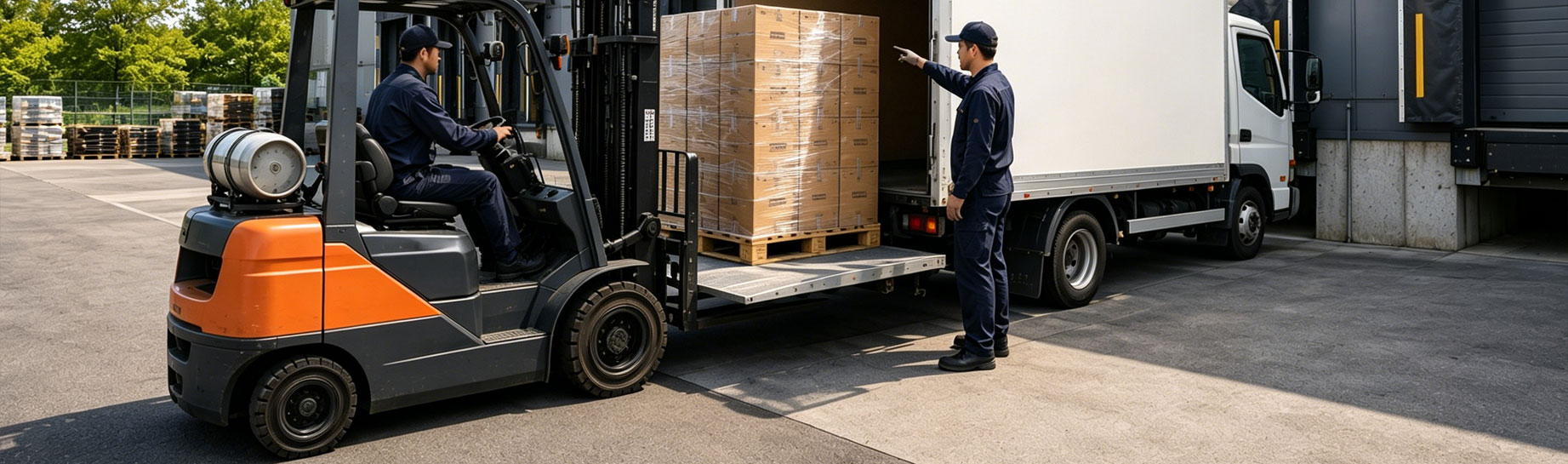
Tail Lift Quote Checklist: What Information You Need Before a Price
Tail Lift Quote Checklist: What Information You Need Before Requesting a Price
An incomplete inquiry usually causes tail lift quote delays. It also causes prices that vary wildly from expectations. A fleet manager calls a supplier and says, “I need a tail lift quote.” The supplier then has very little to work with. A proper tail lift quote checklist fixes this. Prepare it before your first call. Then the first quote you receive already sits close to the real price. You won’t need three rounds of follow-up questions.
A common scenario looks like this. A fleet operator adds a new box van to the fleet. They decide to fit a tail lift. They contact a few suppliers for quotes. But they don’t have vehicle details, load requirements, or installation context ready. The quotes that come back vary widely. Most suppliers mark them “estimate only, subject to site survey.” This pattern shows up constantly in logistics and rental operations. Incomplete information at the inquiry stage causes it, not inconsistent supplier pricing.
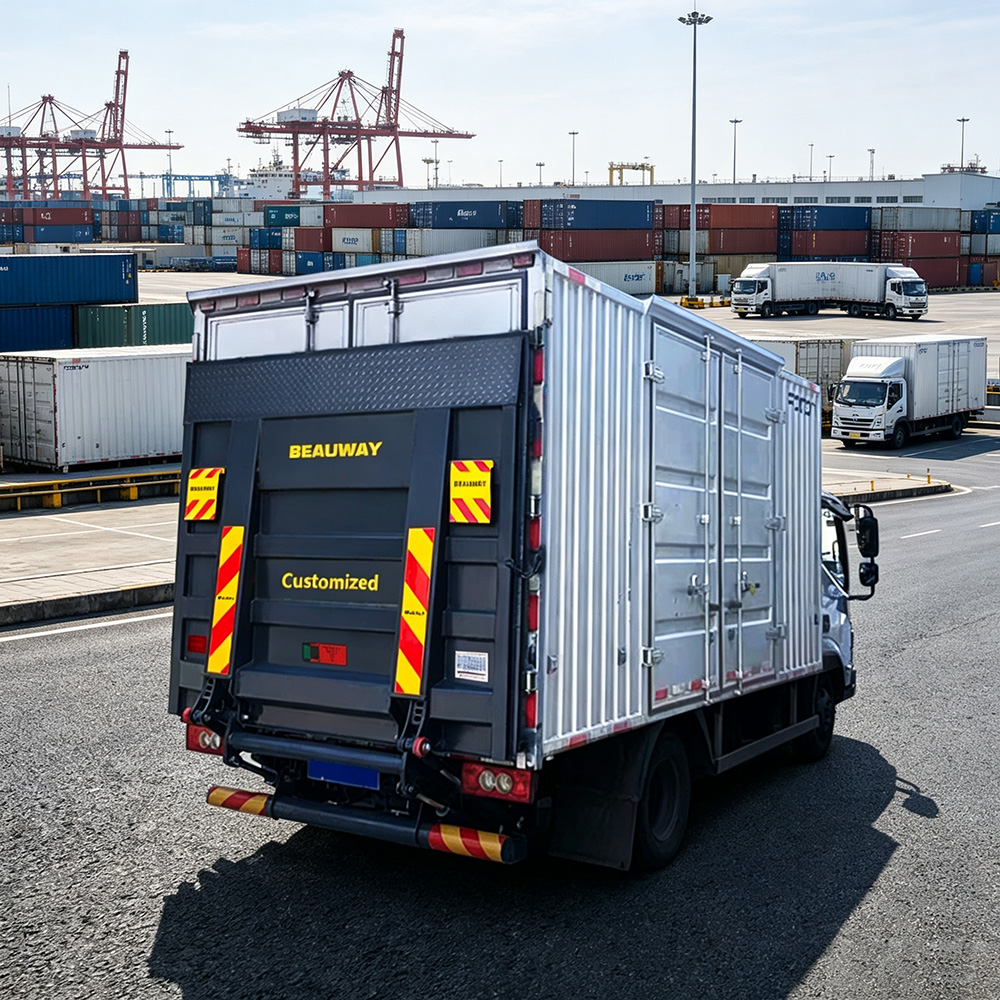
Why a Tail Lift Quote Checklist Matters Before You Ask for a Price
A tail lift isn’t an off-the-shelf product. Its price depends on vehicle match, load capacity, installation method, and certification needs. Suppliers must confirm these variables before they quote. Otherwise, they give an overly cautious number. Or they revise it significantly after a site inspection. Preparing this information in advance does the supplier’s first round of technical verification for you. That shortens the whole process.
Vehicle Details for an Accurate Tail Lift Quote
Vehicle information forms the most basic part of any tail lift quote checklist. Suppliers need to know the chassis type: box van, flatbed, or refrigerated truck. They also need the gross vehicle weight (GVW), rear overhang dimensions, and platform-to-ground clearance. Different vehicle types call for different tail lift configurations. A hydraulic tail lift for a panel van won’t match the specification a Luton box van or heavy-duty truck needs.
If the vehicle is already in service, provide photos of the existing tail lift or rear door area. These help the supplier judge whether installation space is limited. Note the rear light positions and reversing sensor locations too. This prevents the new tail lift from interfering with existing components.
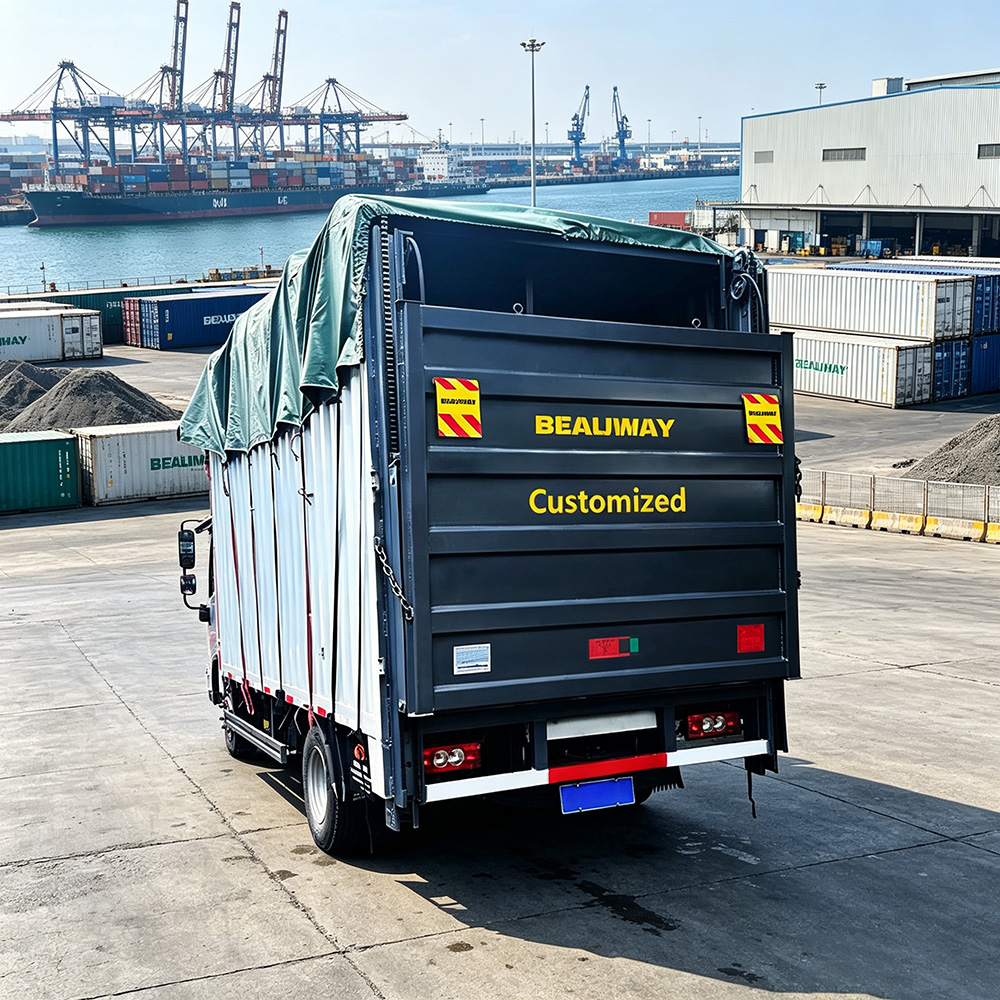
Load and Operating Information for Your Tail Lift Price Request
The second information category covers how you’ll actually use the tail lift. Suppliers typically ask a few questions. What is the maximum single load weight? What shape does the cargo take: pallets, cartons, or loose freight? What platform size do you need for the largest load?
Operating frequency affects both product selection and price. A vehicle running multiple high-frequency loading cycles a day usually needs a cantilever tail lift. Its platform strength and duty cycle handle repeated use well. A vehicle used less often may suit a column tail lift or a folding design better. Storage space tends to matter more here. Clarifying your use case upfront helps a supplier narrow down the right product category. Otherwise, you’ll only get a broad price range.
Certification Requirements Before You Request a Tail Lift Quote
People often overlook the third category. Yet it directly affects whether a quote stays compliant: installation environment and certification. In the EU, tail lifts for goods transport must meet EN 1756-1:2021. This standard covers platform load ratings, entrapment protection, and operating safety devices.
The US has no federal safety standard written specifically for cargo tail lifts. The Federal Motor Carrier Safety Administration’s 49 CFR Part 393 does apply, though. It covers parts and accessories necessary for safe commercial vehicle operation. Section 392.9 requires operators to secure the tailgate, tailboard, and other equipment before driving. Still, confirm requirements for your fleet or state with the relevant motor vehicle authority.
Fitting a tail lift generally counts as a modification to a vehicle’s technical specifications and appearance. Some jurisdictions require a registration update after the work finishes. Buyers often miss this compliance cost. But suppliers need to factor it in at the quoting stage.
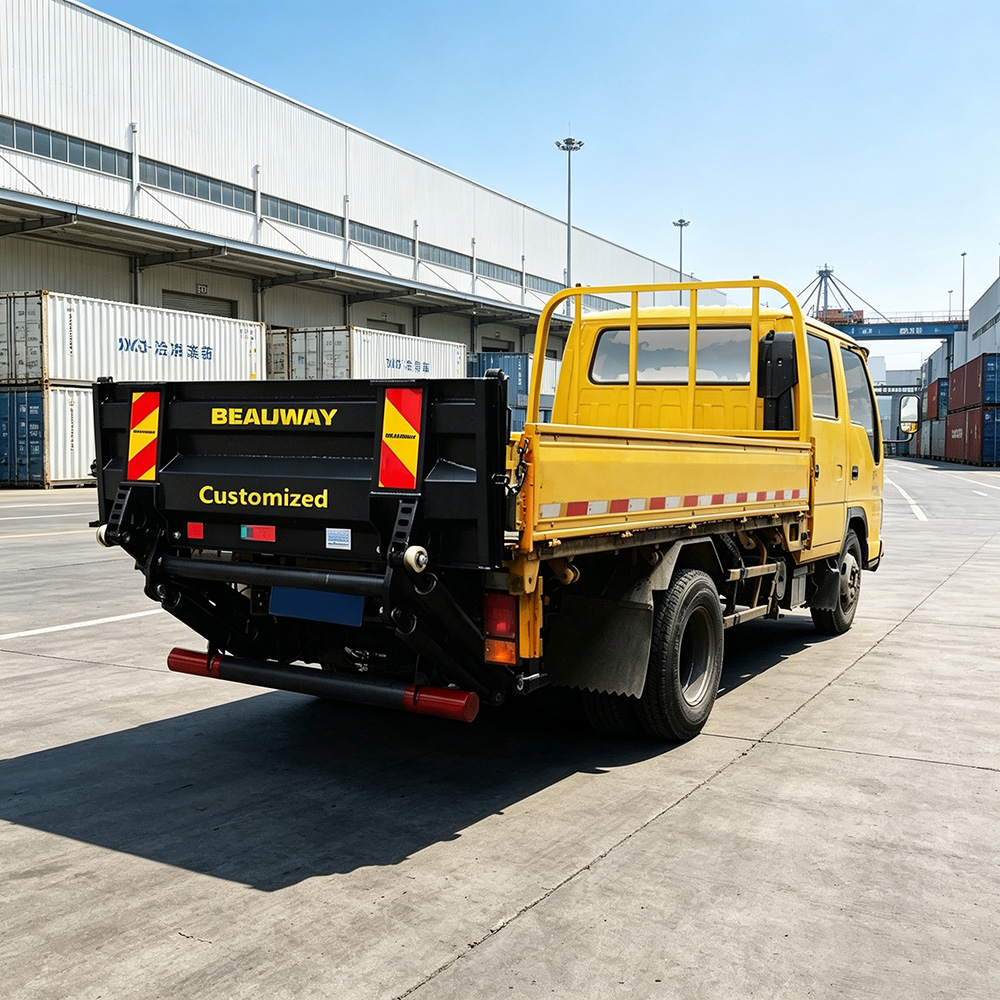
Tail Lift Quote Checklist at a Glance
Use this short checklist before you contact any supplier.
Vehicle model and chassis type: it determines whether the tail lift structure and mounting method fit. Example: box van, flatbed, refrigerated truck.
Gross vehicle weight (GVW) and rear overhang: it affects the tail lift’s load limit and mounting position. Example: 3.5-tonne or 7.5-tonne class.
Maximum single load and cargo shape: it determines platform size and structural strength. Example: palletized goods, loose cartons.
Usage frequency and operating scenario: it affects structure type, such as cantilever or column. Example: multiple daily cycles versus occasional use.
Installation environment and existing components: it avoids conflicts with sensors and lighting. Example: photos of the current rear door area.
Target market certification requirements: it ensures compliance and avoids rework. Example: EN 1756-1, local vehicle registration rules.
FAQ
Why do tail lift quotes from different suppliers vary so much?
Incomplete inquiry information usually causes the difference. If vehicle specs, load requirements, or installation details are missing, a supplier can only estimate. They can’t quote against an actual match.
Does fitting a tail lift require re-registering the vehicle?
In many jurisdictions, adding a tail lift counts as a modification to the vehicle’s technical data and appearance. This may require a registration update. Local rules set the specific requirements.
Should I choose a cantilever or column tail lift?
Cantilever designs generally suit frequent, high-load cycles where platform strength matters most. Column or folding designs tend to suit lower-frequency use where storage space matters more. Your vehicle’s chassis and rear structure still decide the right choice.
Once a supplier has complete information, they can usually provide a reference price range. They base it on your vehicle and load match. Then they confirm the final specification through a site visit or video survey. Prepare your vehicle, load, and certification details ahead of time. This is the most direct way to shorten that process.
Trusted by Fleet Operators Across 60+ Countries
Stop Losing Time at the Loading Dock.
Get a Custom-Matched Tail Lift Quote in 24 Hours.
60
Countries Served
24h
Quote Turnaround
99.9
Field Uptime
5.0
Customer Rating
No Obligation
CE & UKCA Certified
Standard & Custom Builds
Worldwide Shipping