Having trouble submitting? Email us directly at nicole@beauway.com and we'll get back to you within 24 hours.











Smart Tail Lift Safety: Anti-Pinch Systems, Visibility and Hydraulic Protection
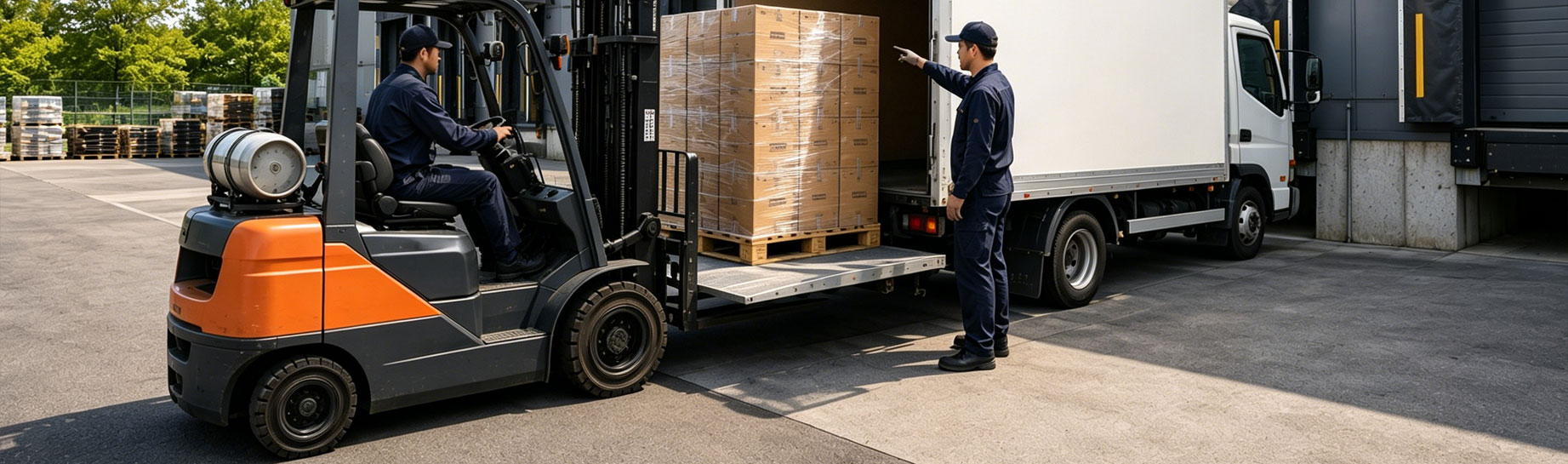
The logistics and freight transport industry relies on efficient loading and unloading to keep goods moving through modern supply chains. Tail Lift Safety is essential for commercial vehicle operators who handle frequent deliveries in warehouses, retail centers, and residential areas. Although tail lifts improve loading efficiency, moving platforms, pinch points, poor visibility, and hydraulic faults can create operational hazards.
Understanding anti-pinch protection, high-visibility features, and hydraulic safeguards helps fleet operators manage these risks, protect personnel, and maintain reliable delivery operations.
Key takeaway: Effective tail lift safety combines suitable engineering safeguards, regular equipment inspections, and correct operating procedures. No single safety feature can eliminate every loading hazard.
1. Tail Lift Safety Risks During Loading and Unloading
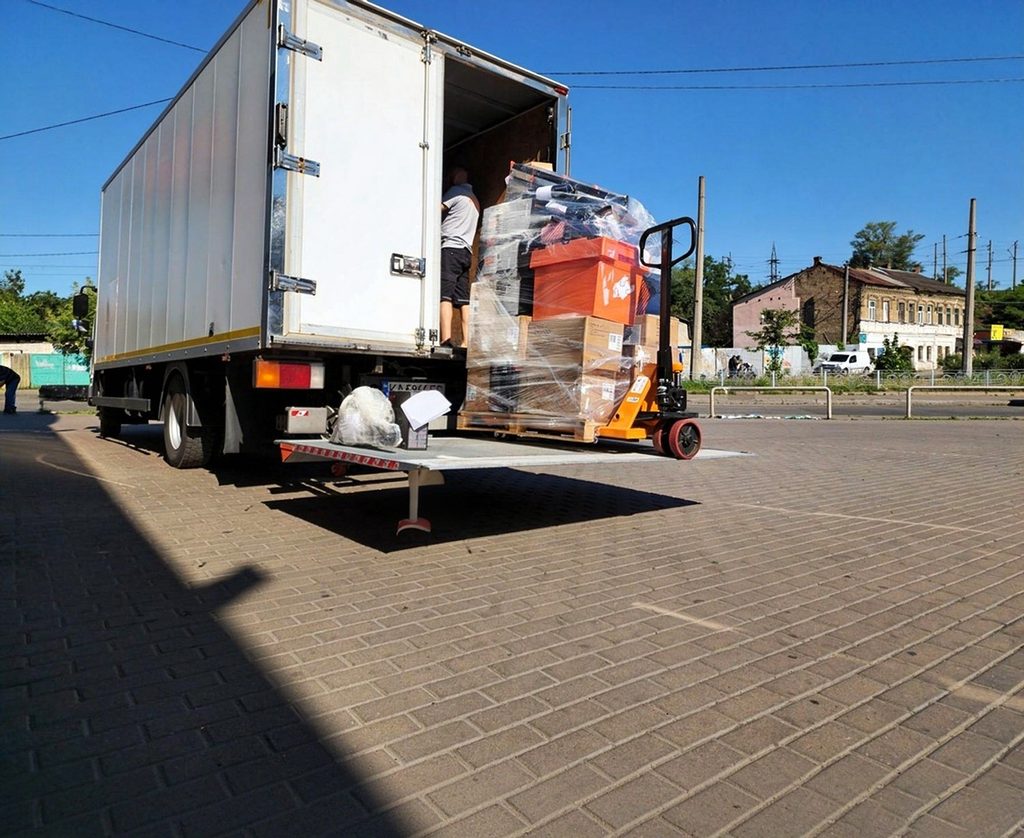
Vehicle-mounted loading systems operate in dynamic environments. Freight drivers and warehouse personnel may work along crowded urban curbsides, poorly illuminated loading areas, and sloped driveways. These conditions require operators to remain alert throughout each loading cycle.
The main risks generally involve mechanical movement and limited visibility.
Mechanical Pinch and Crush Points
When operators raise, lower, fold, or unfold a platform, their hands and feet may enter hazardous areas around hinges, lifting arms, and other moving components.
Common risk factors include:
- Standing too close to moving mechanisms.
- Reaching beneath or between moving components.
- Allowing other workers to enter the operating area.
- Operating equipment with damaged guards or malfunctioning safety devices.
An anti-pinch design can help protect designated hazard areas, but operators must still keep clear of moving components.
Reduced Visibility During Deliveries
A deployed tail lift may extend beyond the rear of a parked vehicle. In low-light conditions, pedestrians, cyclists, and approaching drivers may struggle to recognize the platform’s position and boundaries.
Rain, dirt, mud, and road spray can further reduce the effectiveness of reflective markings.
For this reason, high-visibility features and safe vehicle positioning are important considerations for night delivery operations.
2. Anti-Pinch Tail Lift Systems and Obstacle Detection
An anti-pinch tail lift may incorporate physical guards, pressure-sensitive edges, safety switches, or electronic sensors to help protect designated hazardous areas. The actual level of protection depends on the equipment configuration and the areas being monitored.
Some devices detect physical contact, while other sensors identify obstructions within a specified detection area. When sensors detect an obstruction, the control system may stop movement, prevent further operation, or trigger another programmed response.
Automatic reversal is not a universal feature and should only be expected when the equipment specifically supports it.
How Smart Tail Lift Sensors Work
Smart tail lift sensors can support tail lift obstacle detection by monitoring particular areas around the platform or mechanism. Depending on the design, these sensors may help identify obstructions before or during certain movements.
When evaluating a sensor-based protection system, fleet operators should consider the following factors:
- Detection coverage: Which areas and movement directions do the sensors monitor?
- System response: Does the control system stop movement, inhibit operation, or trigger another response?
- Installation position: Do the sensors cover the intended hazard areas?
- Maintenance requirements: What inspection and testing procedures does the manufacturer specify?
- Operating limitations: Which hazards remain outside the system’s detection capabilities?
Electronic detection can support tail lift injury prevention, but it cannot eliminate every pinch or crush hazard. Operators must keep their hands and feet clear of moving components and avoid standing between the platform and fixed vehicle structures.
Never bypass protective devices to speed up loading. If a sensor, safety switch, or other protective component appears damaged or fails to operate as specified, follow the manufacturer’s fault procedure before resuming normal operation.
3. High-Visibility Tail Lifts for Night Deliveries
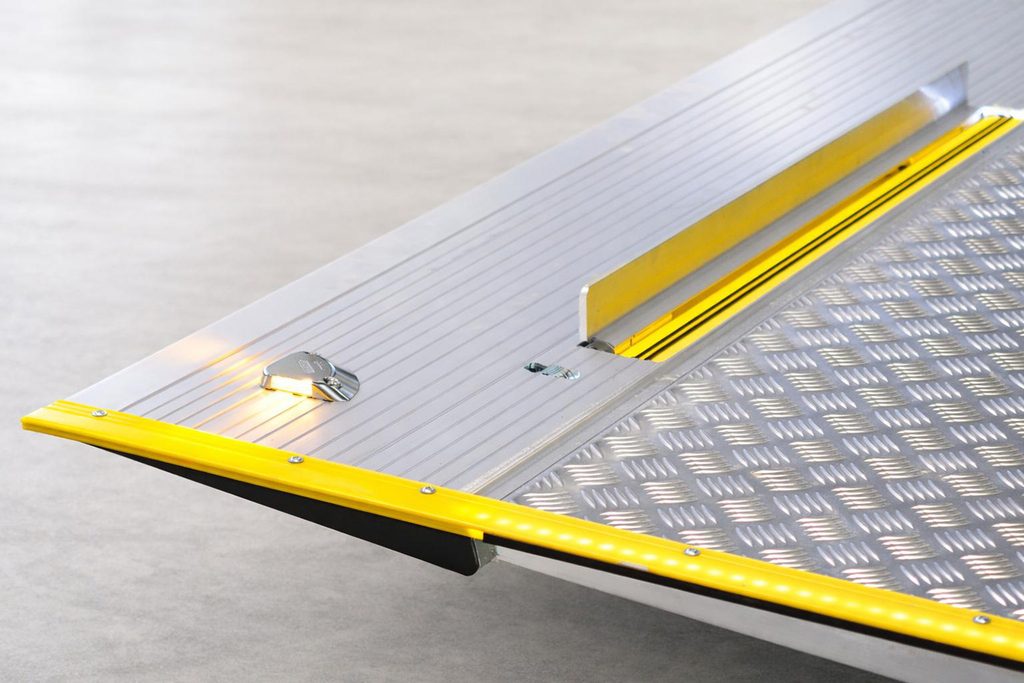
A high-visibility tail lift helps people identify a deployed platform in low-light environments. This feature is particularly relevant to night deliveries, when vehicles may stop on urban streets, in shared loading areas, or at customer premises with limited external lighting.
When a platform extends behind a parked vehicle, approaching road users may struggle to see its position and edges. Effective visibility features help make the platform more noticeable, although their performance depends on the design and surrounding conditions.
Common Visibility Features
Manufacturers may incorporate several features, depending on the tail lift model:
- Warning lights: Alert nearby people to the deployed platform.
- Platform-edge lighting: Improve visibility of platform boundaries where fitted.
- Reflective markings: Help people recognize the platform when external light illuminates it.
- Protected light mounting: Reduce exposure to impact damage where the design provides suitable protection.
| Visibility Feature | Primary Purpose |
|---|---|
| Warning lights | Draw attention to the deployed platform |
| Platform-edge lighting | Improve platform boundary visibility |
| Reflective markings | Increase visibility under external illumination |
| Protected light mounting | Help protect lighting components from impact |
Some designs use position or tilt switches to activate warning lights when the platform moves away from its stowed position. However, operators should verify this function against the actual equipment specifications rather than assume every tail lift provides automatic activation.
Improving Safety During Night Deliveries
Lighting alone cannot guarantee that road users will notice a deployed platform. Drivers should also:
- Choose a suitable stopping location whenever possible.
- Assess nearby traffic and pedestrian movement before operating the lift.
- Keep the working area clear of unnecessary personnel.
- Check warning lights and reflective markings before low-light operations.
- Provide additional work-area illumination when necessary.
Important: High-visibility features improve awareness, but they do not replace safe vehicle positioning, operator vigilance, or appropriate warning procedures.
4. Hydraulic Tail Lift Safety and Controlled Movement
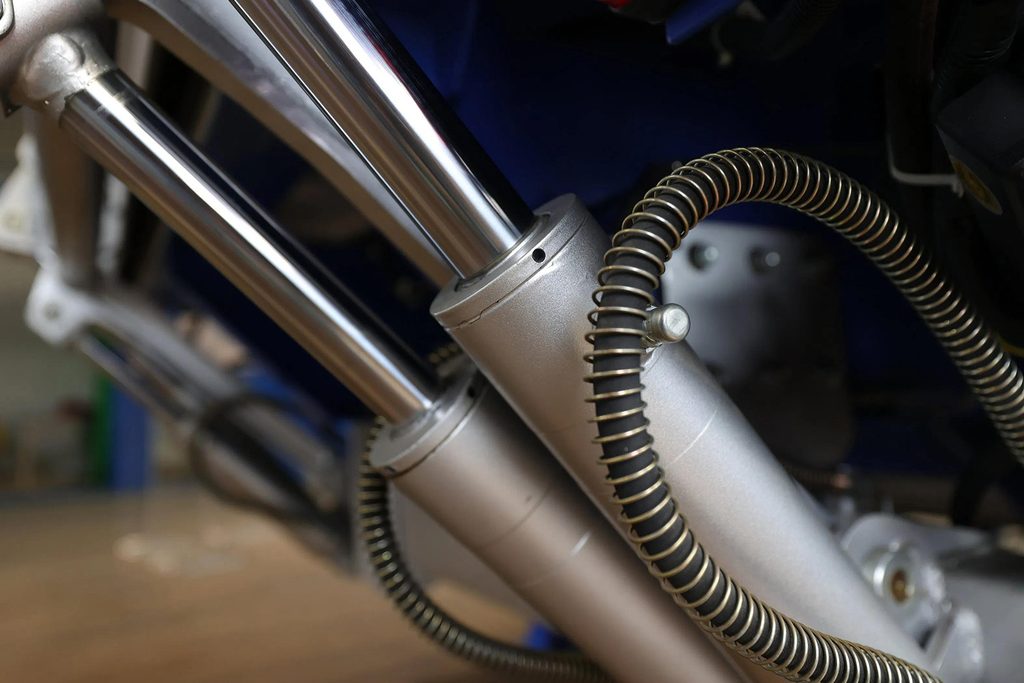
Hydraulic tail lift safety depends on the correct operation and maintenance of hydraulic circuits, lifting cylinders, mechanical linkages, and associated control components. Because hydraulic systems operate under pressure, faults involving hoses, connections, valves, or cylinders can affect platform movement and load control.
Manufacturers may incorporate protective components to manage specific hydraulic risks. Each component serves a defined purpose, and its effectiveness depends on the equipment design and operating conditions.
Hydraulic Flow Protection
A velocity fuse restricts fluid flow when the flow rate exceeds its specified operating threshold. Depending on its installation and circuit configuration, it may help limit uncontrolled movement following certain hydraulic line failures.
However, a velocity fuse cannot prevent every possible hydraulic failure or serve as a universal solution to platform descent hazards.
Other systems may use load-holding valves or related devices to help control platform movement under specified conditions. Fleet operators should consult the equipment documentation to confirm the function of each component.
Controlled Hydraulic Movement
Some hydraulic systems use proportional valves to regulate fluid flow more precisely. Where manufacturers incorporate this configuration, it can support controlled platform movement and help manage acceleration and deceleration.
Proportional control does not come standard on every tail lift. Its presence alone also does not establish that a system provides a particular safety function. Control logic, hydraulic circuit design, mechanical condition, and the load being handled all influence performance.
| Hydraulic Component | Function | Important Consideration |
|---|---|---|
| Velocity fuse | Restricts flow under specified abnormal flow conditions | Does not address every possible hydraulic failure |
| Load-holding valve | Helps control movement under specified conditions | Depends on correct installation and circuit design |
| Proportional valve | Regulates hydraulic flow in compatible systems | Not fitted to every tail lift and not a complete safety system by itself |
Hydraulic protection must match the equipment’s actual design. Fleet operators should verify the installed valves, sensors, and motion-control functions instead of assuming every tail lift uses the same configuration.
5. Tail Lift Safety Checks for Fleet Operators
Even when manufacturers install suitable safety features, regular inspections remain important for reliable operation. A consistent inspection routine helps operators identify visible damage, malfunctioning protective devices, and maintenance issues before these problems create additional risks.
Operators should follow the manufacturer’s inspection procedures and consider the operating environment, usage frequency, and equipment configuration.
Daily Inspection Checklist
1. Platform and structural components
Inspect the platform, pivot points, mounting brackets, and accessible structural components for cracks, deformation, loose fasteners, or other visible damage. Arrange an appropriate inspection before returning equipment with suspected structural defects to service.
2. Safety devices
Check installed safety switches, contact sensors, guards, and emergency stop controls according to the manufacturer’s instructions. Never improvise test methods or place body parts in hazardous areas to check whether a protective device works.
3. Lighting and visibility
Confirm that installed warning lights operate correctly and that reflective markings remain clean and visible. During night deliveries, assess whether the surrounding work area provides sufficient illumination.
4. Hydraulic components
Look for visible fluid leaks, damaged hoses, loose connections, and abnormal platform movement. Check fluid levels and service intervals according to the manufacturer’s maintenance requirements. Appropriately qualified personnel should inspect and repair suspected hydraulic faults.
5. Controls and surrounding area
Check fixed controls and remote-control units for visible damage and expected operation. Before moving the platform, make sure the surrounding area is clear and the vehicle is positioned appropriately for the loading task.
Fleet managers can use inspection records to track recurring defects, maintenance work, and equipment condition. Consistent records also improve communication between drivers, maintenance personnel, and fleet supervisors.
6. Choosing the Right Tail Lift Safety Features
The most suitable safety configuration depends on the vehicle, delivery environment, cargo type, operating frequency, and applicable requirements. A vehicle used mainly for daytime deliveries may have different visibility needs from one operating at night, while frequent multi-stop routes may require greater attention to inspection routines and component durability.
When evaluating a commercial vehicle tail lift, buyers should review several considerations.
Anti-pinch protection: Confirm which hazardous areas the system protects and how it responds when it detects an obstruction.
Obstacle detection: Determine the detection range, monitored areas, and operating limitations of installed sensors.
Visibility features: Assess whether warning lights, platform illumination, and reflective markings suit the intended working environment.
Hydraulic protection: Review the rated load capacity, hydraulic safeguards, and maintenance requirements.
Service and technical support: Check the availability of operating instructions, replacement parts, and qualified maintenance services.
Buyers should verify every feature against the actual equipment specifications. Not every tail lift uses the same sensing technology, lighting configuration, or hydraulic control arrangement.
Conclusion
Tail Lift Safety relies on suitable engineering safeguards, reliable equipment maintenance, and correct operating procedures. Anti-pinch systems can help address specific hazards around moving components, high-visibility features can improve awareness during night deliveries, and appropriately designed hydraulic protection can help control movement under specified conditions.
Fleet operators should understand each safety feature’s purpose and follow the manufacturer’s inspection and maintenance guidance. By matching equipment features to real operating conditions, businesses can better manage loading risks and support dependable commercial vehicle operations.
Trusted by Fleet Operators Across 60+ Countries
Stop Losing Time at the Loading Dock.
Get a Custom-Matched Tail Lift Quote in 24 Hours.
60
Countries Served
24h
Quote Turnaround
99.9
Field Uptime
5.0
Customer Rating
No Obligation
CE & UKCA Certified
Standard & Custom Builds
Worldwide Shipping