Having trouble submitting? Email us directly at nicole@beauway.com and we'll get back to you within 24 hours.











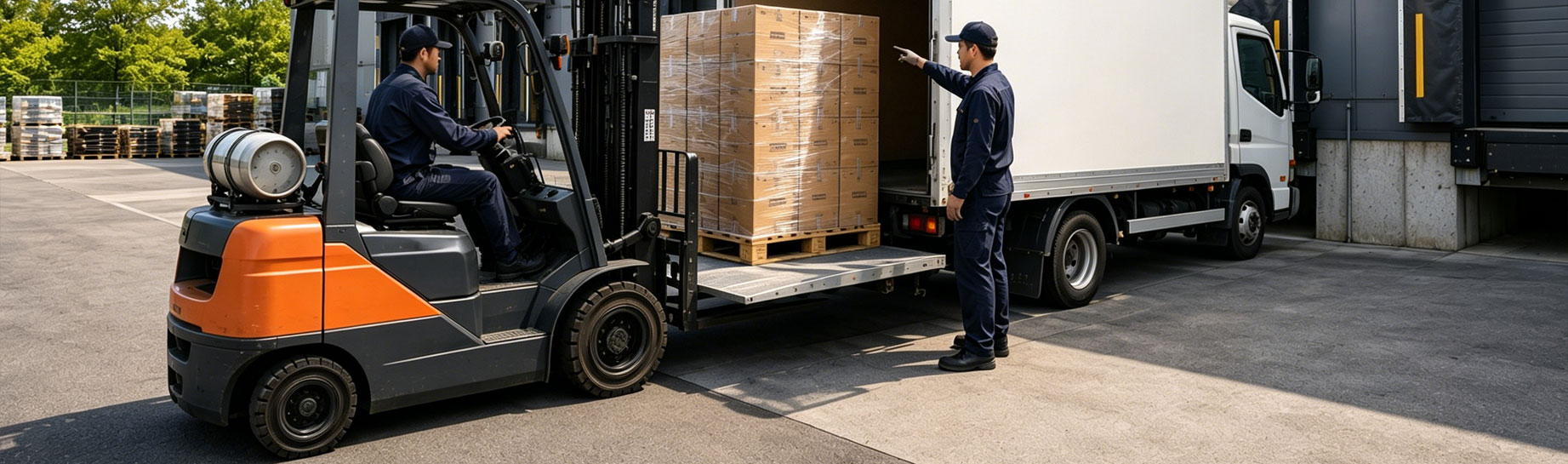
Single Wing vs Double Wing Van Trucks: How They Work & What Breaks First
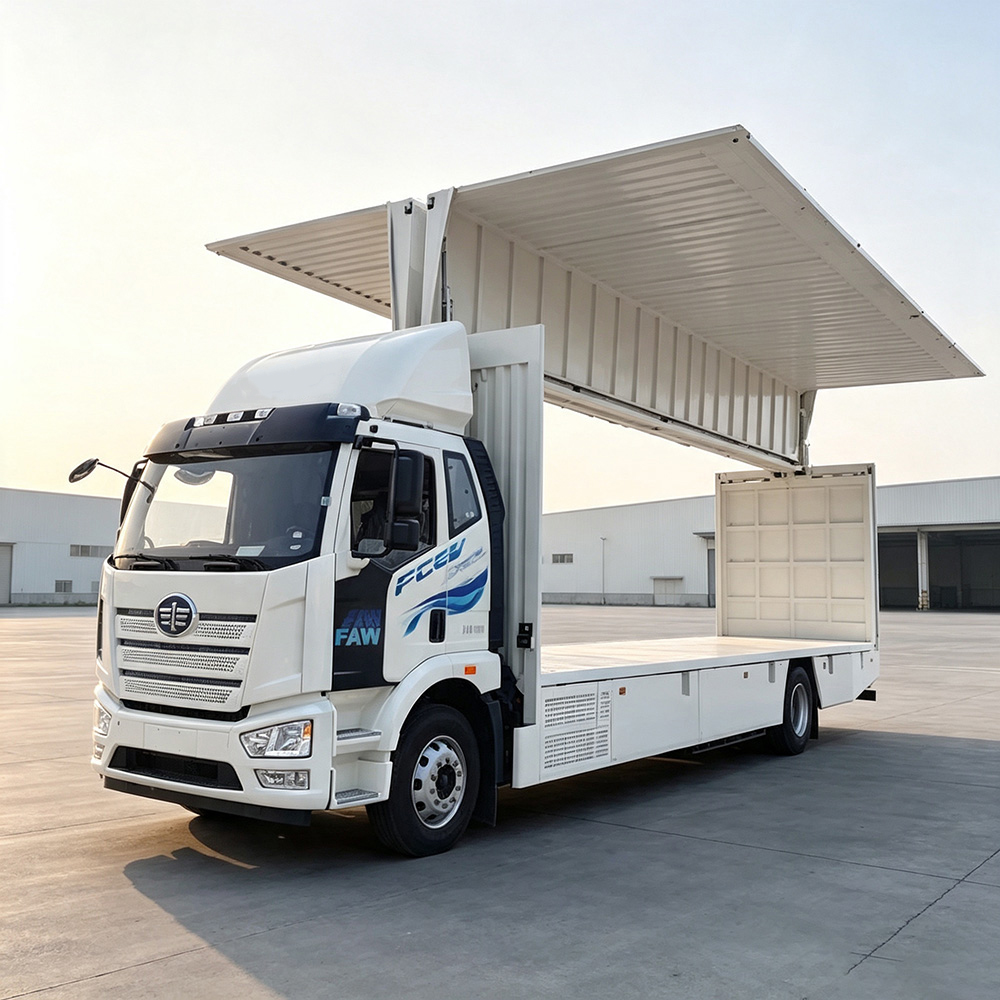
A wing van truck is a box-body commercial vehicle whose side panels lift open like a pair of wings. This gives full-width access to the cargo area instead of relying on a single rear door. Fleet buyers weighing single wing van vs double wing van trucks quickly run into the same question: should the truck open on one side only, or on both? The answer depends less on preference and more on how cargo is loaded. It directly shapes how the vehicle performs, and eventually fails, in daily use.
A common situation in logistics and distribution fleets is a mismatch between the wing van a company already owns and the cargo it now handles. A single wing van bought for palletized deliveries may struggle once the customer mix shifts toward oversized crates that need access from both sides. In other cases, an operator troubleshooting a wing that opens slowly, or won’t lift past a certain angle, is really dealing with a hydraulic fault rather than a structural one. Without understanding how the power unit and cylinders behave, it’s easy to misdiagnose the problem and take the vehicle out of service longer than necessary.
What Is a Wing Van Truck?
A wing van truck shares the same chassis and cargo-box concept as a standard box truck. It has one structural difference: some or all of the side panelling hinges at roof level, so it lifts outward instead of opening only at the rear.
Enclosed cargo bodies in road freight generally fall into three categories:
- Fully enclosed box body — only a rear door opens; the roof and sides stay sealed. Vehicles that handle customs-bonded transport or general parcel delivery commonly use this style, since side access isn’t required.
- Single wing van — one side of the cargo box lifts open along its full length, while the opposite side stays fixed or has a smaller mid-body door. This keeps hydraulic complexity and cost down while still allowing side loading.
- Double wing van — both sides of the cargo box lift open, effectively removing two full walls at once. Most people in freight and logistics circles mean this configuration when they say “wing van.”
Single Wing Van vs Double Wing Van: Which Layout Fits Which Cargo
The double wing layout suits palletized and boxed freight particularly well. It also suits cargo that is sensitive to moisture or direct sun exposure, since the roof stays in place and only the side walls swing outward. The opening spans the full width of the body — wider than the roughly 2.4-metre door opening typical of a standard box van’s rear or side doors. This width also simplifies handling oversized or irregularly shaped loads, which rear-only access would otherwise limit. For freight like this, the single wing van vs double wing van decision usually tips toward the double wing configuration. The extra side access typically outweighs the added hydraulic hardware.
The choice between these three layouts is rarely about preference alone. It usually comes down to how the cargo moves — by forklift from the side, or by hand from the rear — and how much weather protection the load needs during transfer.
Single Wing Van vs Double Wing Van: How They Compare
Choosing between a single wing van and a double wing van comes down to a handful of operational factors. No single option wins in every case. The table below summarizes the main trade-offs fleet planners typically weigh.
| Factor | Single Wing Van | Double Wing Van |
|---|---|---|
| Side access | One side only | Both sides |
| Hydraulic components involved | Cylinders and power unit serving one side | Cylinders and power unit serving both sides |
| Best suited for | Mixed loads, routes with one-side dock access | Palletized or boxed freight, two-sided loading yards |
| Weather exposure during loading | Lower — the opposite wall stays closed | Higher — both walls open at once |
| Relative hydraulic complexity | Lower | Higher |
| Typical inspection points | Fewer cylinders, hoses, and seals | More cylinders, hoses, and locking points |
A single wing van tends to suit operations where loading only ever happens from one side, such as a dock with a fixed unloading bay. It also suits operations that value simplicity and fewer hydraulic components over two-sided access. A double wing van earns its higher component count when forklifts load from both sides, when dock turnaround time matters, or when cargo needs shielding from rain and sun until the moment crews lift it out.
Neither layout changes the vehicle’s underlying payload rating. The difference lies entirely in how the cargo area opens up, and how many hydraulic circuits control it. In practice, fleets running mixed freight sometimes standardize their whole lineup on double wing vans. This avoids maintaining two different loading procedures across the fleet.
Inside the Hydraulic System: Single-Acting vs Double-Acting Cylinders
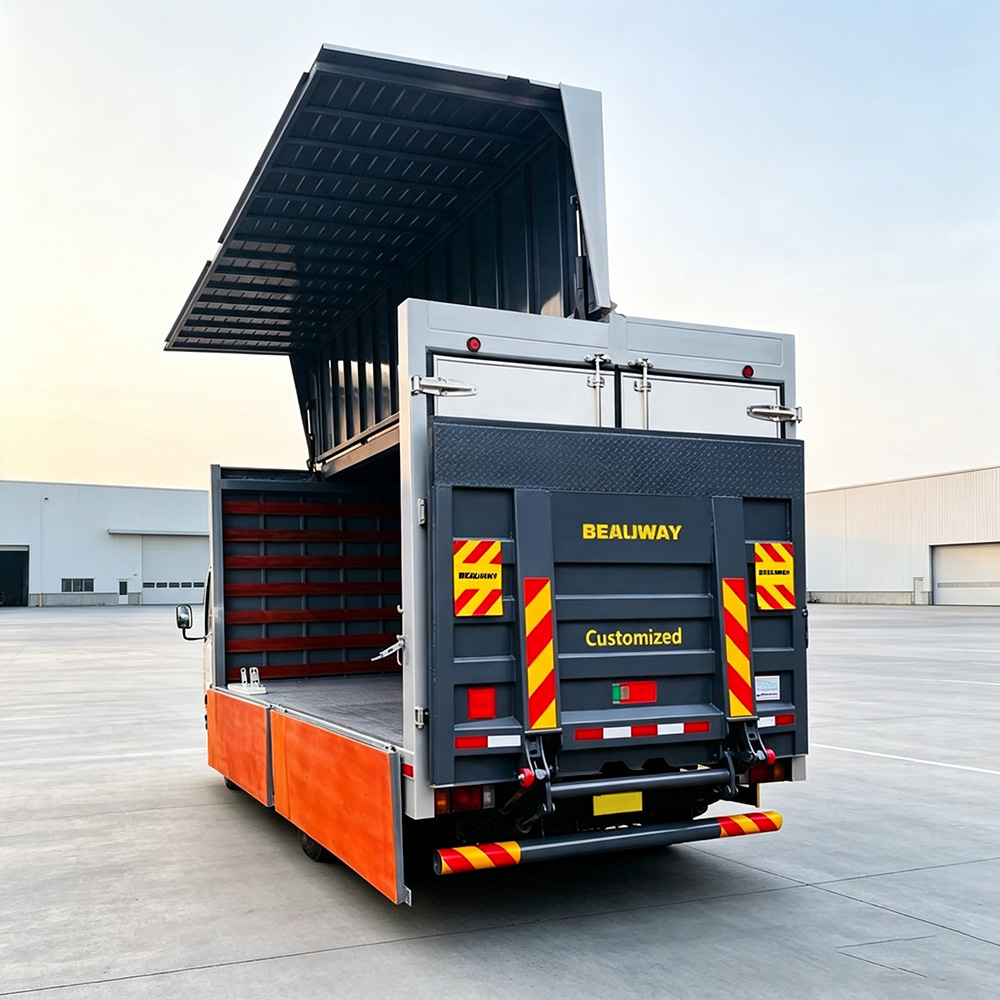
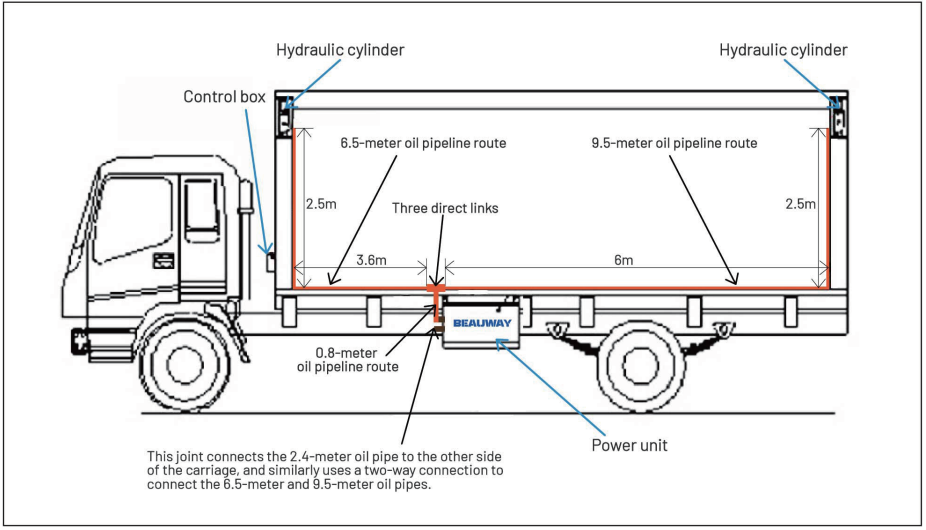
Both single wing and double wing van trucks rely on a hydraulic power unit and one or more cylinders to lift and lower the wing panels. Understanding how these cylinders work explains most of what can go wrong with them later.
A hydraulic cylinder converts fluid pressure into linear motion. Pressurized oil enters a sealed chamber and drives a piston, and the piston rod extends or retracts accordingly. Wing van systems typically use two distinct types of cylinder for this job.
How Single-Acting Cylinders Work
Single-acting cylinders apply pressure to only one side of the piston. Hydraulic pressure can drive them in one direction only. An external force handles the return stroke instead — commonly the weight of the panel itself, or a spring built into the cylinder. This is why a single-acting cylinder that has lost pressure will often let a wing panel drop under its own weight instead of holding it in place.
How Double-Acting Cylinders Work
Double-acting cylinders have pressure ports on both sides of the piston, so oil can flow to either chamber. This lets the cylinder actively push in both directions: it extends to open the wing and retracts to close and lock it, rather than depending on gravity for one half of the cycle. Locking mechanisms on wing van doors typically use double-acting cylinders for this reason. The system needs positive control over both closing and reopening the lock, not just letting it fall shut.
Matching the Power Unit to the Cylinders
In practice, a wing van’s power unit has to match whichever cylinder arrangement the body uses. That power unit is the electric motor, pump, and control valves that generate and direct hydraulic pressure. Manufacturers commonly build these systems around 12V or 24V DC electric motors, matching standard truck electrical architecture. The valve block then determines whether both wings can raise independently or only together.
A locking cylinder that stays double-acting even when the lift cylinder is single-acting reflects a deliberate safety choice, not an inconsistency. It lets hydraulic pressure force the panel back into a locked, closed position even if the lift side loses pressure.
On a double wing van, the valve block generally does one of two things. It either drives both sides through a shared circuit, so both wings rise and fall together, or it isolates each side so an operator can run one wing independently. The second arrangement adds cost and components, but it helps where the two sides of the vehicle load at different times. For instance, one side may load against a fixed dock while the other loads from ground level with a forklift. A single wing van avoids this decision entirely, since there’s only one side to control — part of why its hydraulic layout stays comparatively simple.
Single Wing Van vs Double Wing Van: What Breaks First
The wing-opening mechanism concentrates several hydraulic components in a small, exposed space. Because of this, wear tends to show up here first on an otherwise healthy truck body — whether the fleet runs single wing vans, double wing vans, or a mix of both. The table below outlines the failure patterns technicians most commonly report.
| Symptom | Likely Cause | Action |
|---|---|---|
| Wing opens slowly or won’t reach full angle | Low hydraulic fluid, air trapped in the circuit, or a worn pump | Check fluid level first; bleed air from the circuit if the panel moves in small jerks |
| Wing drops on its own after opening | Failing seal on a single-acting cylinder, or a stuck relief valve | Inspect cylinder seals for oil residue along the rod; test relief valve function |
| Wing won’t lock or unlock | Fault in the double-acting locking cylinder or its control valve | Check valve wiring and the locking cylinder’s opposite-side pressure port |
| No response when the control switch is pressed | Electrical fault — battery, contactor, or control box wiring | Test power supply to the control box before assuming a hydraulic fault |
| Visible oil around a cylinder rod | Worn or damaged seal, or a scored piston rod surface | Replace the seal; inspect the rod for corrosion or pitting before reinstalling |
First-Response Checklist
A wing van that isn’t operating correctly typically calls for this order of checks:
- Confirm the power unit has electrical supply and the control box responds.
- Check hydraulic fluid level and look for visible leaks around hoses and cylinder fittings.
- Listen for the pump running when you press the switch. If it runs but the wing doesn’t move, the fault likely sits downstream in the valves or cylinders rather than the pump.
- Inspect cylinder rods for oil film, corrosion, or scoring. These point to seal wear.
- Treat an intermittent fault as an electrical or valve issue before assuming a mechanical failure.
Preventing Failures Before They Start
Corrosion at the cylinder rod ranks among the more common long-term issues on wing van systems that run outdoors year-round. Every time the wing opens, the rod meets moisture and road contaminants directly. Seal quality and rod surface finish directly affect how long a cylinder runs before it needs resealing.
Most of these faults are also preventable through routine attention rather than reactive repair. Fleet maintenance programs that cover wing van bodies typically include:
- Checking hydraulic fluid level and condition on a fixed schedule, not only when a fault appears.
- Wiping down and visually inspecting exposed cylinder rods after routes that involve rain, snow, or road salt.
- Cycling the wing panels fully during routine servicing, rather than only partway, to catch a slow-developing fault before it becomes a breakdown.
- Keeping electrical connectors and control box seals free of corrosion. Technicians often mistake electrical faults on these systems for hydraulic ones.
Frequently Asked Questions
Single wing van vs double wing van: what’s the actual difference? A single wing van opens on one side of the cargo box, while a double wing van opens on both sides at once. The core difference is loading access. Double wing vans let forklifts load from either side at the same time, while single wing vans keep one wall fixed. That cuts hydraulic complexity and cost.
Why does a wing van’s hydraulic system use both single-acting and double-acting cylinders? Lift cylinders are often single-acting, since gravity can safely bring the panel back down. Locking cylinders are typically double-acting for a different reason: the mechanism needs active control in both directions to close and reopen reliably. It can’t rely on the panel’s own weight to seat the lock.
Can a wing van open if the hydraulic pump loses power? Generally, no. Most systems need pump pressure to lift the wing panel. Some designs let a single-acting locking cylinder release under spring force without power. The lift function itself, though, typically depends on the electric-hydraulic power unit running.
How often should wing van hydraulic cylinders be inspected? There’s no universal interval, since it depends on cycle frequency and operating environment. Vehicles that open and close daily, especially outdoors, generally warrant more frequent visual checks of seals, rod surfaces, and fluid levels than lower-use vehicles.
The Bottom Line
Choosing between single wing van vs double wing van ultimately comes down to how cargo moves through the yard, not just how it’s stored. A two-sided loading yard justifies the extra hydraulic complexity of a double wing van, while a single fixed dock rarely does. Most operating problems on any wing van truck trace back to the same small set of hydraulic fundamentals: fluid condition, seal integrity, and whether a given cylinder is meant to be single-acting or double-acting in the first place. Fleet operators evaluating a wing van truck should check these fundamentals against the vehicle’s own service documentation, whether they’re specifying a new body or diagnosing an existing one.
Trusted by Fleet Operators Across 60+ Countries
Stop Losing Time at the Loading Dock.
Get a Custom-Matched Tail Lift Quote in 24 Hours.
60
Countries Served
24h
Quote Turnaround
99.9
Field Uptime
5.0
Customer Rating
No Obligation
CE & UKCA Certified
Standard & Custom Builds
Worldwide Shipping