Having trouble submitting? Email us directly at nicole@beaway.com and we'll get back to you within 24 hours.











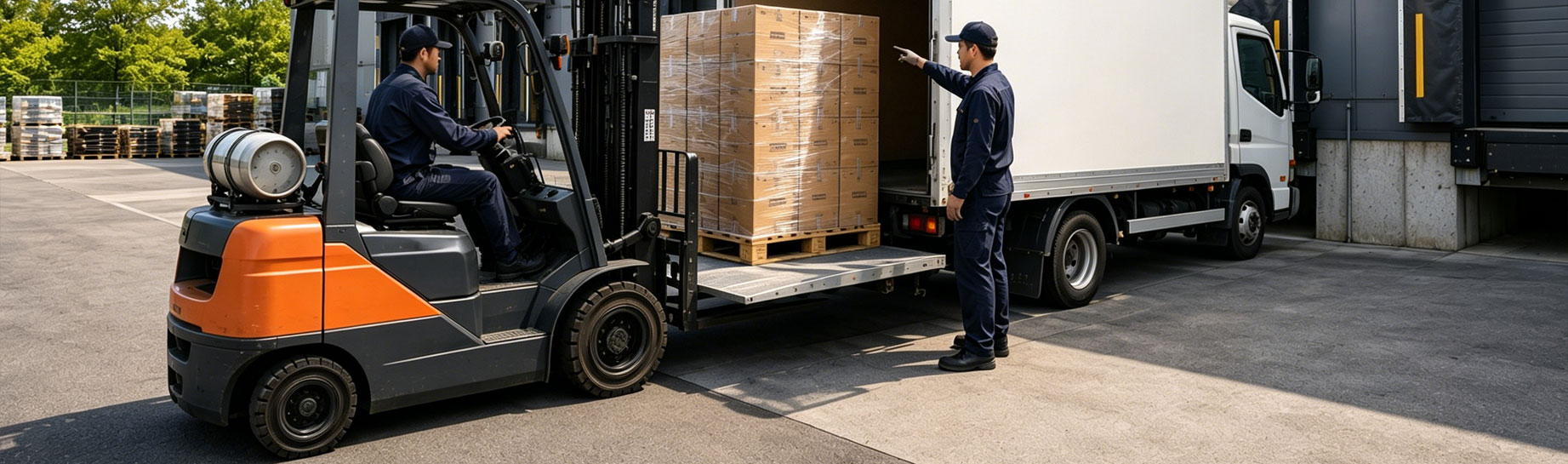
Most Tail Lift Breakdowns Happen in the First Week of Winter
Fleet managers see it every year. It’s almost like clockwork. Temperatures stay mild for weeks. Tail lifts across the fleet run without complaint. Then the first genuine cold snap arrives. Within days — sometimes hours — service calls spike. A tail lift breakdown that seemed impossible to predict suddenly looks entirely predictable, once you know where to look.
This isn’t bad luck. It isn’t a coincidence of timing either. It’s the result of small, slow-building weaknesses that mild weather had been quietly hiding all along. Cold doesn’t create these problems on its own. It exposes them, all at once, in the same narrow window. That’s exactly why the failures feel so sudden and so widespread when they finally show up.
Understanding why this window exists makes all the difference. It’s the gap between reacting to a tail lift breakdown and preventing most of them before the first frost arrives. It also matters financially. A lift that fails mid-route doesn’t just cost the price of a repair. It costs the delivery slot, the driver’s idle time, and often a same-day call-out fee. All of that would have been avoidable with a check completed weeks earlier. Fleets that treat the first cold week as predictable, rather than bad luck, spend less on emergency repairs over the winter as a whole.
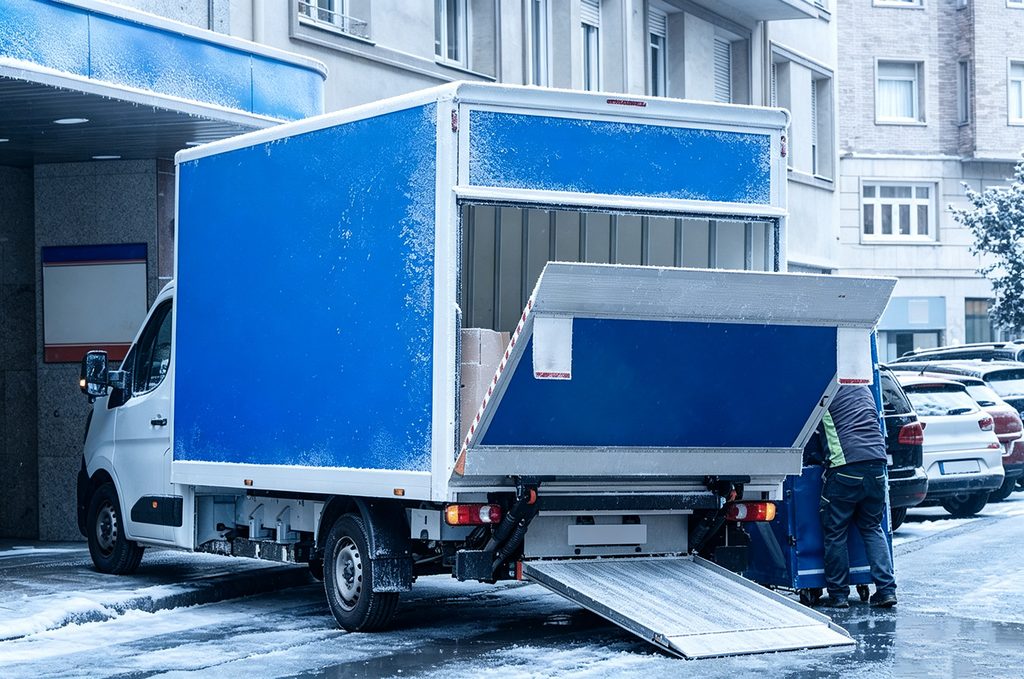
The Pattern Nobody Notices Until It’s Too Late
Ask most operators why a lift failed. The answer usually points to a single part: a dead battery, a stuck valve, a cracked seal. That’s not wrong, but it misses the bigger picture. The real story is timing, not any single component. A part running at seventy percent of its original capacity can still get the job done for months. It keeps working right up until the first hard freeze demands the other thirty percent it no longer has.
Three Things Converge at Once
Three things tend to converge in that first cold week:
- Hydraulic fluid that had already thickened past its ideal range, just not enough to notice in mild weather
- A battery or electrical system already running with reduced margin, masked by warmer temperatures
- Structural or mechanical components fatigued by months of normal use, with cold acting as the final trigger
None of these show obvious symptoms in October. All three tend to fail in the same week once the temperature drops sharply enough. That’s why breakdown call volumes rise so predictably at the start of winter, rather than spreading evenly across the season. It’s also why tail lift maintenance programs built around one annual date consistently miss the problem. They check the equipment at the wrong point in the cycle.
The frustrating part is that each issue is easy to catch on its own. A hydraulic oil sample takes minutes to assess. A battery load test takes even less time. A structural check fits comfortably into a routine walk-around. The difficulty isn’t technical. It’s timing the check to happen before the cold snap, not after it. That’s a scheduling habit more than a mechanical one.
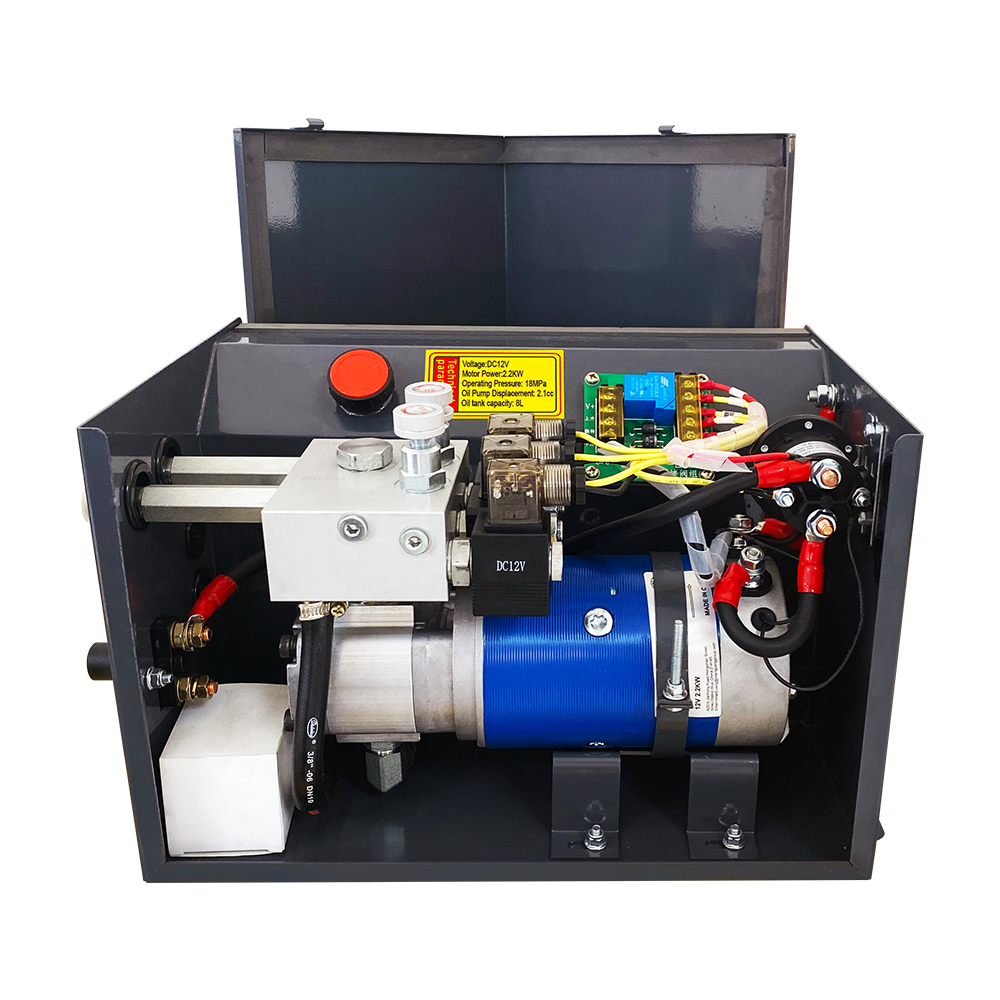
Three Weak Points Cold Weather Exposes
Think of these three weak points as separate systems that happen to share the same trigger. A hydraulic issue, an electrical issue, and a mechanical issue rarely relate to one another in normal operation. They only start behaving like a single problem once temperature becomes the common stressor. Treating a tail lift breakdown as one mystery, rather than three separate systems, is usually what slows diagnosis down in the field.
A Hydraulic System That Was Already Running on Borrowed Time
Every hydraulic tail lift depends on oil holding a specific viscosity range. That range keeps fluid moving efficiently through the pump, valves, and cylinders. Choosing the correct tail lift hydraulic oil type matters more than most checklists suggest. It’s one of the most overlooked variables going into winter. Standard mineral hydraulic oil, typically rated around ISO VG46, performs reliably across a moderate temperature band. Once temperatures fall well below freezing, that same oil thickens. It slows the pump’s ability to draw fluid efficiently. Several manufacturers recommend switching to a lower-viscosity option, such as ISO VG32, specifically for sub-zero operation.
Most fleets never make that switch until after something has gone wrong. Oil in service since spring has also had months to pick up moisture and particulate contamination. Water in the system is barely noticeable in warm weather. It simply mixes with the oil and causes no visible symptoms. Once temperatures drop, that moisture can freeze into small ice crystals inside valves and seals. It’s a slow-building issue that only becomes visible in the cold, often as sluggish or inconsistent lift movement.
A lift that “worked fine yesterday” often had oil quality issues building for weeks beforehand. The freeze doesn’t cause the failure. It simply removes the last bit of tolerance the system had left.
Why “Check the Oil” Isn’t One Step
“Check the oil” is often treated as a single step. It’s really three separate ones:
- Check the level in the reservoir
- Check the grade against the season
- Check the condition for contamination
A reservoir topped up to the correct level can still run the wrong grade for the temperature. It might also carry enough dissolved moisture to cause problems the moment it drops below freezing. Skipping any one of the three still leaves the system exposed, even if the other two look fine.
The Motor Isn’t Usually the Real Problem
When a lift stops responding, the tail lift motor is almost always the first suspect. It’s a reasonable assumption. But in most winter cases, the motor itself is perfectly healthy. What’s actually failing is everything feeding into it.
Cold weather reduces battery output significantly. A fully charged battery can lose a large share of its effective capacity once temperatures drop well below freezing. At the same time, thickened hydraulic oil increases the load the motor pushes against. The combined effect looks exactly like motor failure: sluggish response, stalling under load, or no response at all. Replacing the motor in these cases solves nothing. The underlying issue was voltage delivery and fluid resistance, not the motor itself.
A short sequence of checks usually separates a genuine motor fault from a cold-weather symptom:
- Test battery voltage under load, not just at rest — a battery can read normal voltage and still fail under demand
- Inspect terminals and ground connections for corrosion, which raises resistance in cold, damp conditions
- Confirm the hydraulic oil matches the temperature range the vehicle is operating in
- Only move on to motor diagnostics once power supply and fluid condition are ruled out
Skipping straight to motor replacement is one of the most common mistakes in winter tail lift repairs. It’s usually the most expensive one too. A replacement motor typically costs several times more than a battery test and a fluid check combined.
Platform and Structural Fatigue That Cold Just Finishes Off
Mechanical components rarely fail without warning. They fail after a long period of gradual weakening that finally reaches a breaking point. Torsion bars and structural supports on the tail lift platform are a good example. Metal fatigue builds with every loading cycle across the year. By late autumn, many components already sit close to their limit. The wear stays invisible day to day.
Cold weather doesn’t cause this fatigue, but it makes metal more brittle. A weakened bar absorbs sudden stress far less easily once temperatures drop. A torsion bar that had been weakening since summer is far more likely to snap in the first cold week than on a mild afternoon carrying the same load. The failure looks sudden from the outside. The cause, in almost every case, was months in the making.
This weak point is also the easiest to miss during a visual check. A fatigued component usually still looks intact right up until it isn’t. A bolt or bracket under repeated stress can look normal while carrying hairline fractures underneath. Those fractures only reveal themselves under cold and load together. That’s why structural checks need a physical load test, not just a visual scan.
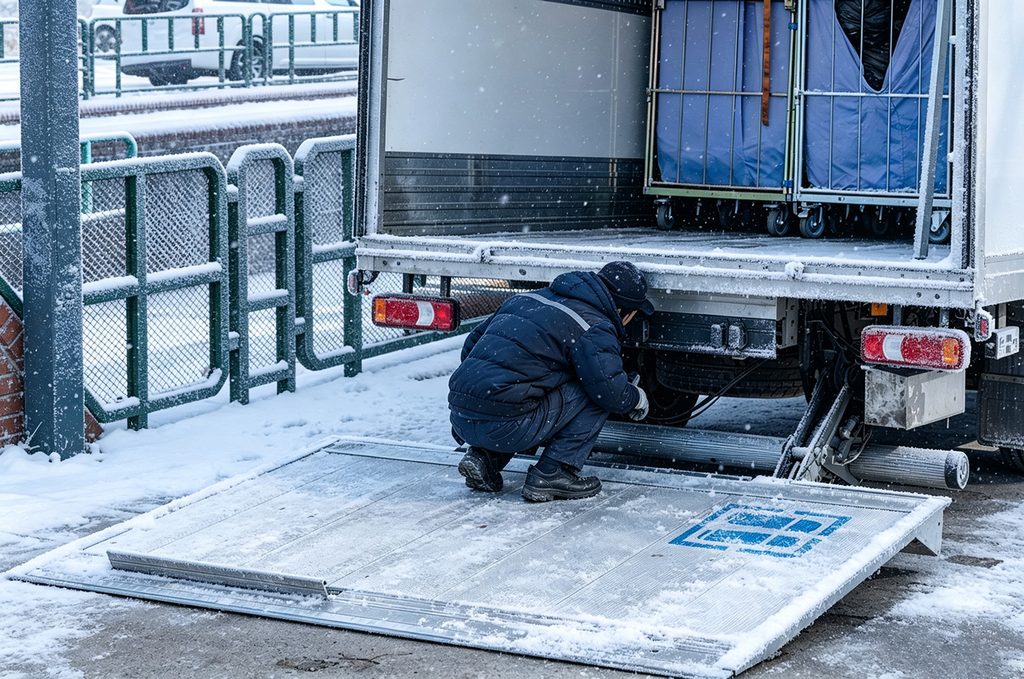
The Inspection Window Most Fleets Miss
All three failure points build up gradually. The most effective tail lift inspection isn’t the one that happens after a breakdown. It’s the one scheduled before the first cold snap arrives. Waiting for the annual service date means inspecting the equipment well after the weak points have already formed.
Timing the Check to Your Climate
Timing this correctly means working backward from your local climate, not from the calendar. A fleet in a region that drops below freezing by mid-November should finish this inspection in early October. Don’t wait for the vehicle’s existing service date to roll around naturally. The goal is simple: finish the oil, battery, and structural checks before the temperature swing happens, not after it.
A Six-Step Pre-Winter Checklist
A pre-winter inspection should follow a consistent sequence, not an informal walk-around:
- Check hydraulic oil condition and color; cloudy or milky oil signals water contamination
- Confirm the oil grade matches the expected operating temperature, and switch to a lower-viscosity option if needed
- Test battery voltage under load and inspect all electrical connections for corrosion
- Inspect torsion bars, hinges, and structural supports for wear or unusual flex under load
- Verify warning lights and reflective markings are intact for darker winter mornings
- Confirm the lift’s most recent statutory inspection and load test are current and documented
Warning Signs Worth Acting On
Several signs suggest a lift is heading toward this kind of seasonal failure. Act on any of them right away, rather than waiting for the scheduled service date:
- Oil that has gone cloudy, discolored, or noticeably thicker than usual
- A platform that feels heavier to operate than it did a few months earlier
- Slower-than-normal lift or lower cycles, even in mild weather
- Visible corrosion on battery terminals, connectors, or junction boxes
- Any recent instance of the lift “acting up” that resolved itself without explanation
None of these are emergencies on their own. Together, they form a reliable early warning. They point toward the same failure window that catches so many other lifts in the exact same week each year.
Turning Tail Lift Maintenance Into a Seasonal Rhythm
Most tail lift service schedules follow a single annual date, often tied to a statutory inspection requirement. That approach works well for catching long-term wear and meeting compliance obligations. It isn’t designed, though, to catch problems triggered by a sudden seasonal temperature swing.
Two Checkpoints a Year Instead of One
A more effective approach treats tail lift maintenance as a rhythm. It uses at least two checkpoints a year, rather than a single once-a-year event:
- A pre-winter check focused on hydraulic oil grade, battery condition, and structural fatigue, completed four to six weeks before sharp temperature drops
- A standard annual service that continues to cover the broader statutory, mechanical, and safety requirements
This doesn’t require more paperwork or a heavier service contract. In most cases, it means moving one existing inspection earlier in the calendar. Add a short, targeted checklist focused only on cold-weather risk factors. It also helps to keep a brief written record of oil grade changes and battery test results year over year. Patterns invisible in a single season often become obvious once you compare this autumn’s readings against last autumn’s.
Why Timing the Service Saves Money
There’s a scheduling advantage here too. Booking a tail lift service in the quieter weeks before winter usually means shorter lead times with technicians. It also tends to cost less than an emergency call placed during the first cold snap, when every fleet nearby is calling for the same reason at once. Spreading the work out ahead of the seasonal spike benefits both the budget and the schedule.
When a Breakdown Still Happens
No maintenance schedule eliminates every failure. That’s worth planning for, not ignoring. When a lift stops working despite reasonable preparation, the priority shifts from prevention to fast diagnosis. Structured tail lift troubleshooting resolves most cases without a full emergency call-out. Start with power supply, then hydraulic pressure, then mechanical obstruction, in that order.
If a lift is genuinely tail lift not working and the basic checks above haven’t found the cause, two guides can help. Our article on why a tail lift won’t lower walks through the seven most common culprits. Our breakdown of hydraulic tail lift components is also worth reviewing before booking a technician.
The pattern behind a seasonal tail lift breakdown isn’t complicated once it’s laid out. Mild weather hides small weaknesses. The first hard freeze removes the margin those weaknesses were hiding in. Three unrelated systems fail in the same narrow window as a result. None of that requires guesswork to prevent. It just requires a pre-winter check that looks for these three specific issues, on a schedule set weeks ahead of the cold.
Treat the first cold week as a known event on the calendar, not a surprise. Most of the breakdowns associated with it simply stop happening. The fleets still getting caught out each year aren’t unlucky. They’re the ones still checking their lifts on the same schedule they’d use if the seasons never changed at all.
Trusted by Fleet Operators Across 60+ Countries
Stop Losing Time at the Loading Dock.
Get a Custom-Matched Tail Lift Quote in 24 Hours.
60
Countries Served
24h
Quote Turnaround
99.9
Field Uptime
5.0
Customer Rating
No Obligation
CE & UKCA Certified
Standard & Custom Builds
Worldwide Shipping