Having trouble submitting? Email us directly at nicole@beauway.com and we'll get back to you within 24 hours.











What Are Dock Leveler Seals? A Practical Guide for Warehouse Buyers
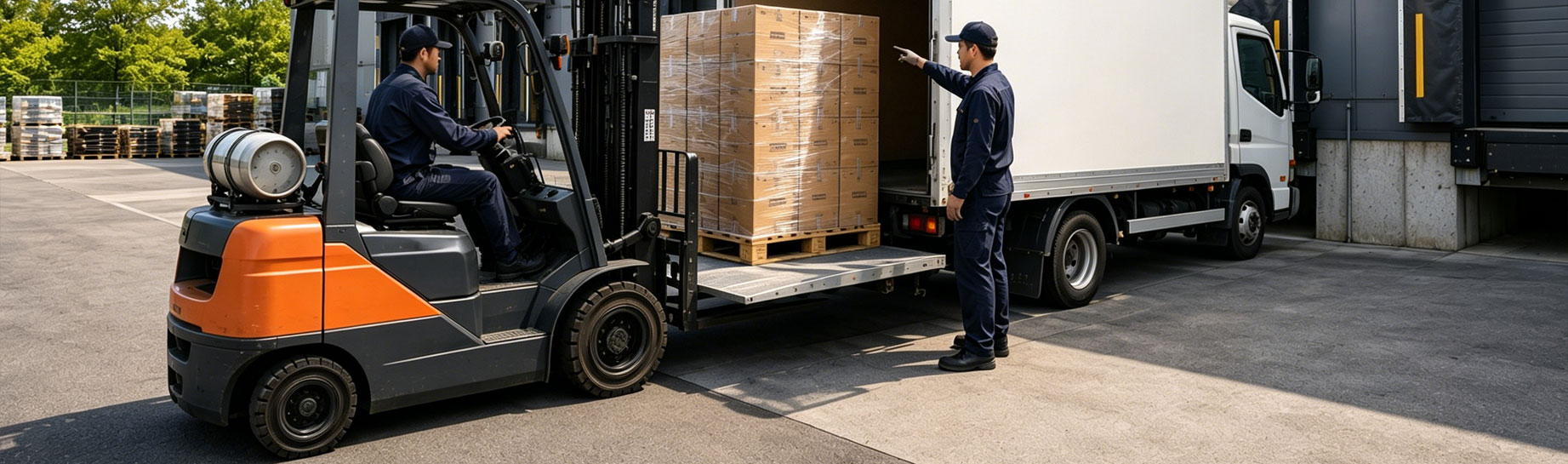
A dock leveler is the hinged steel platform that bridges the gap between a warehouse floor and a truck bed. It lets forklifts and pallet jacks move safely between the two. Most buyers understand this part. What they often miss: the leveler only solves the height problem. It doesn’t close the gaps around it. That’s the job of dock leveler seals — a category of accessories that seal off the space between the platform, the pit, and the trailer.
Warehouses that have run for a few years often hit the same situation. The leveler still works fine. But debris keeps collecting inside the pit. A draft creeps in near the dock door, even with the door shut. Nobody quite remembers whether seals were part of the original order. This usually isn’t an equipment failure. It’s a gap in the original spec, and it’s easy to fix once you spot it.
The moment often comes during a routine inspection. A facility manager walks the dock and notices debris that shouldn’t be there. They ask whether this is a leveler problem or a seal problem. In most cases, it’s the seal. The leveler met its load and cycle requirements just fine. Sealing simply never came up in that original conversation. That happens often enough that it deserves a standard follow-up question, not an afterthought.
What Dock Leveler Seals Are and Where They Go
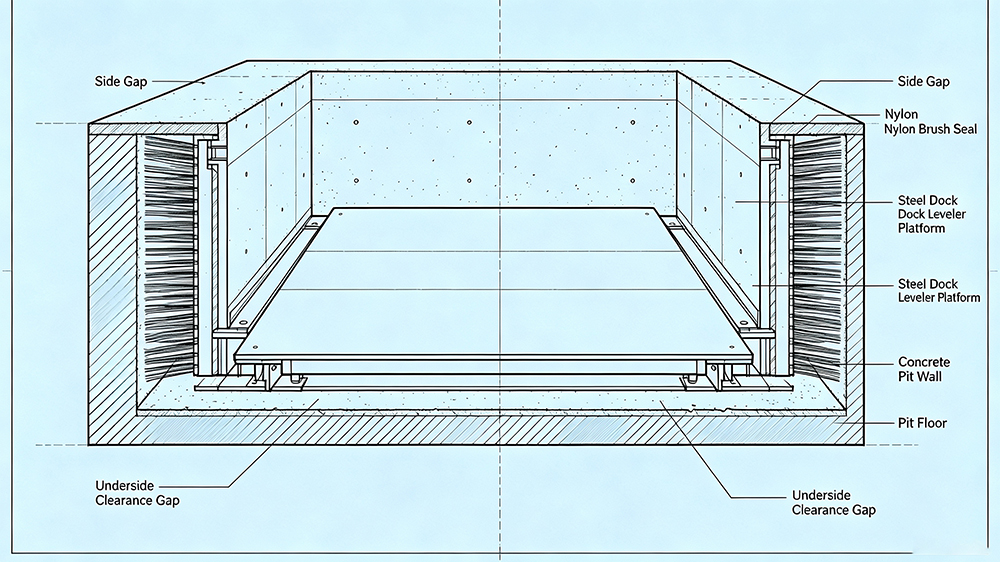
Dock leveler seals sit outside the leveler’s structural assembly. They’re separate accessories. They fit around the edges of the platform and pit to close gaps the design requires. A dock leveler can’t function without clearance. The platform has to pivot. The lip has to swing out. The pit has to allow that movement without binding. That clearance is exactly what a dock leveler seal closes off.
This clearance shows up in two locations, and each one uses a different type of seal:
- Dock leveler side seals run along the two long edges of the platform. They close the gap between the steel deck and the pit wall. Left open, this gap lets debris, dust, and small pests slip into the pit mechanism.
- Under-leveler seals (sometimes called under-dock seals) sit beneath the platform itself. They close the space between the bottom of the deck and the pit floor. This position matters most for pest control and fine particulate. An under leveler dock seal blocks the one entry point side seals don’t reach.
Neither type ships with every leveler by default. Both count as add-ons. Whether a given installation needs one, both, or neither depends on the operating environment. The sections below cover that in more detail.
Why the Gap Exists in the First Place
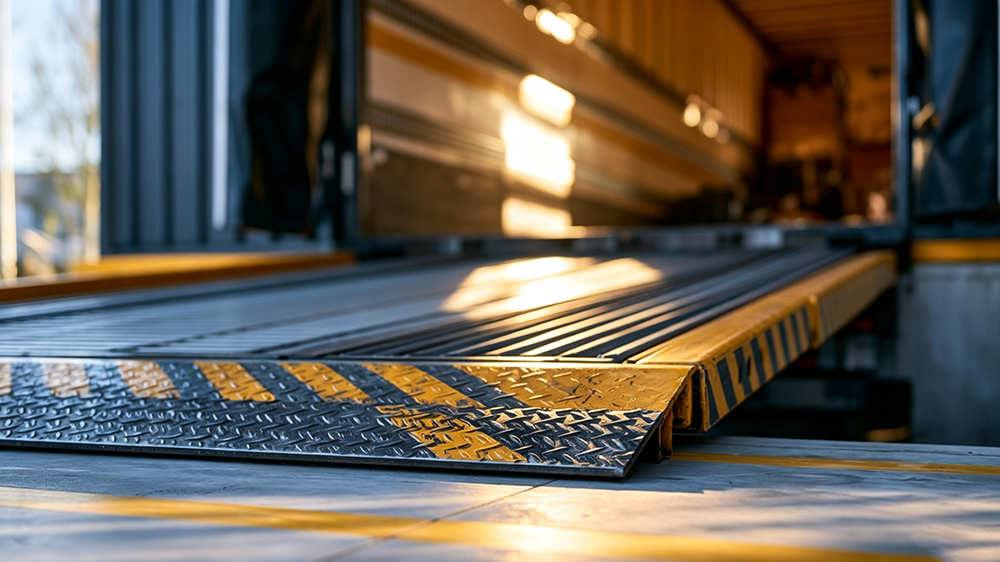
This isn’t a manufacturing shortfall. It’s a structural necessity. A pit-mounted dock leveler needs clearance on every side. That clearance lets the platform travel through its full working range without the frame binding against the concrete. As a general rule across the industry, pit width equals the platform’s width plus a manufacturer-specified clearance allowance on each side. That allowance commonly runs in the tens of millimeters. Pit depth follows similar logic, based on the leveler’s subframe height and travel range.
That clearance keeps the leveler working correctly through years of thermal expansion, minor settling, and repeated cycling. But it’s also, by definition, an opening to the outside. Dock leveler seals close that opening after the mechanical design has already created it. They don’t compensate for a flaw.
It helps to separate this from the leveler’s structural spec sheet. That sheet typically lists deck thickness, lip thickness, static and dynamic load rating, and hydraulic operating voltage. None of those numbers touch on sealing. A leveler can hit its full rated capacity and cycle correctly for its entire service life without ever having seals installed. Seals solve a separate, adjacent problem. They control what passes through the gap the structural design requires — not how much weight the platform can carry.
What Dock Leveler Seals Actually Protect Against
Loading dock leveler seals earn their place on the spec sheet for a short list of concrete, observable problems, not abstract efficiency claims:
- Debris accumulation. Loose packaging material, pallet fragments, and general floor debris fall into an open pit gap over time. Once inside, debris can jam hinge movement and speed up wear on moving parts.
- Pest entry. An unsealed under-leveler gap gives rodents and insects a documented way in. This is a real concern for food, beverage, and pharmaceutical facilities that run routine sanitation audits.
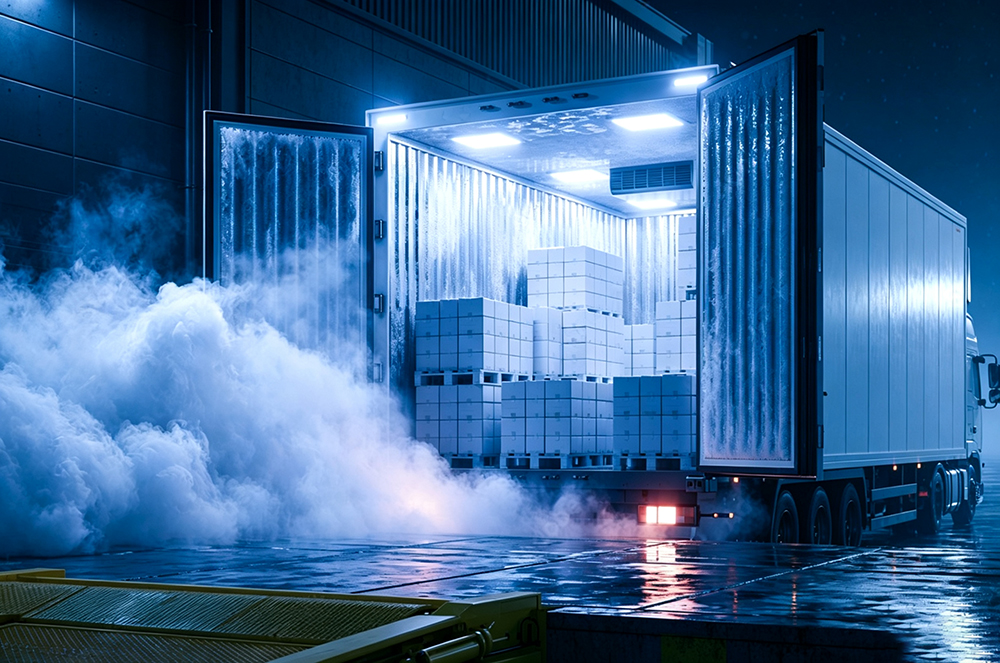
- Draft and moisture intrusion. Outside air moves through an open pit gap whenever the dock door opens. Over time, this shows up as a noticeable draft near the dock. It can also lead to condensation on nearby metal surfaces. Facilities holding any temperature-sensitive product tend to notice this first, though the issue isn’t limited to refrigerated or freezer environments.
- Housekeeping and inspection friction. A pit that collects debris takes longer to clean and inspect. That extra time adds up across a facility’s maintenance schedule more than it seems at first glance.
None of these count as dramatic failure modes on their own. That’s part of why facilities often skip seals in the original spec. They tend to become a priority only after one of the issues above has already shown up.
Brush Seals vs. Weather Seals: Choosing the Right Type
Dock leveler seals come in different builds. The two most common types serve different purposes.
Dock leveler brush seals use dense rows of flexible nylon or polypropylene bristles mounted along a metal or plastic strip. The bristle design lets the platform keep moving past the seal line. That’s exactly what a side location needs, since the deck constantly shifts position as the leveler cycles. Brush seals flex with the movement instead of resisting it. That’s why installers use them as the standard choice for side and under-leveler positions on active equipment.
Dock leveler weather seals use a denser rubber or foam gasket material instead. They suit edges that see less repeated flexing. They close a mostly static gap rather than accommodate continuous motion. That makes them a reasonable fit for the perimeter areas around the pit frame, away from the moving deck’s direct path.
As a general guide:
- Identify which gap needs closing — side, under-leveler, or perimeter.
- Match brush-style seals to any location the platform or lip passes across during normal cycling.
- Reserve weather-seal gasket material for fixed edges that don’t see repeated mechanical movement.
- Confirm bristle or gasket dimensions against the specific leveler model’s deck width and pit clearance before ordering. Seals fit the equipment. They don’t come in one universal size.
Signs a Dock Leveler Could Use a Seal Upgrade
A few practical indicators tend to show up before a facility adds or replaces seals:
- Visible debris or standing dust inside the pit during routine inspection
- A noticeable draft at the dock door even when the leveler is stored and the door is shut
- Evidence of pest activity near the dock — droppings, gnaw marks, or nesting material
- A recent sanitation audit flag in a food, beverage, or pharmaceutical facility
- A leveler installed without seals in the original order, now several years into service
No single sign on this list points to a serious problem by itself. Together, though, they’re a reasonable trigger. They’re worth using to check whether the current setup includes seals at all, and whether any existing seals still fit properly against the deck.
What a Dock Leveler Seal Kit Typically Includes
Once a facility decides to move forward, most buyers order seals as a dock leveler seal kit rather than as individual pieces. Facilities typically replace or install side and under-leveler positions together. Buying them as a matched set avoids mismatched wear cycles down the line.
A standard kit generally covers:
- Two side seal strips, cut to the platform’s length
- One under-leveler seal strip, cut to the platform’s width
- Mounting hardware (screws, backing rail, or adhesive strip, depending on the seal design)
- A fitting reference sheet noting the deck width and pit clearance the kit was cut for
Here’s the detail that matters most when ordering: dock leveler seal kits come cut to a specific deck width and pit clearance. They aren’t a one-size-fits-all product. Order against the wrong dimensions, and the kit either leaves a residual gap or binds against the moving deck. Either way, it defeats the purpose of adding it. Before ordering, confirm three numbers against the equipment nameplate or the original installation drawing:
- Platform (deck) width — the dimension the side seals are cut to
- Pit clearance on each side — the gap the side seals need to close without restricting deck movement
- Under-deck clearance at the lowest point of travel — the gap the under-leveler seal needs to span
No installation drawing on hand? Measure the installed platform directly. Or request the specification sheet from the leveler’s manufacturer using the model number on the equipment nameplate.
Frequently Asked Questions
What are dock leveler seals used for?
A: They close the structural gaps around a leveler’s platform and pit. This is the clearance the deck and lip need to move. Leave those gaps open, and debris, pests, and drafts find their way in.
Are dock leveler seals included with a new leveler by default?
A: Not always. Sellers commonly offer seals as separate accessories or as part of a dock leveler seal kit. Buyers add them at installation, or retrofit them later based on the facility’s operating environment.
Where do dock leveler seals go?
A: Mainly in two places: along the sides of the platform (side seals) and beneath the deck (under-leveler seals). Some facilities also add perimeter weather seals around the pit frame.
Can dock leveler seals be added to an existing leveler?
A: Yes. Most pit-mounted levelers accept retrofit seals. The replacement or new seal just needs to match the exact deck width and pit clearance of the installed model.
How often do dock leveler seals need to be replaced?
A: There’s no fixed universal interval. Brush bristles wear down with cycling frequency. Rubber gaskets degrade with age and exposure. A visual check during routine leveler inspection catches wear before it turns back into a gap.
Dock leveler seals aren’t a mechanical requirement. The platform cycles correctly with or without them. What decides whether they’re worth adding is what’s actually moving through that gap during day-to-day operation — debris, pests, drafts, or nothing worth worrying about. Facilities evaluating a new hydraulic dock leveler installation, or reviewing an existing one, should match the seal type and position to the actual gap. Don’t assume one universal fit. That’s the detail that determines whether the investment holds up over years of use.
Trusted by Fleet Operators Across 60+ Countries
Stop Losing Time at the Loading Dock.
Get a Custom-Matched Tail Lift Quote in 24 Hours.
60
Countries Served
24h
Quote Turnaround
99.9
Field Uptime
5.0
Customer Rating
No Obligation
CE & UKCA Certified
Standard & Custom Builds
Worldwide Shipping