Having trouble submitting? Email us directly at nicole@beaway.com and we'll get back to you within 24 hours.











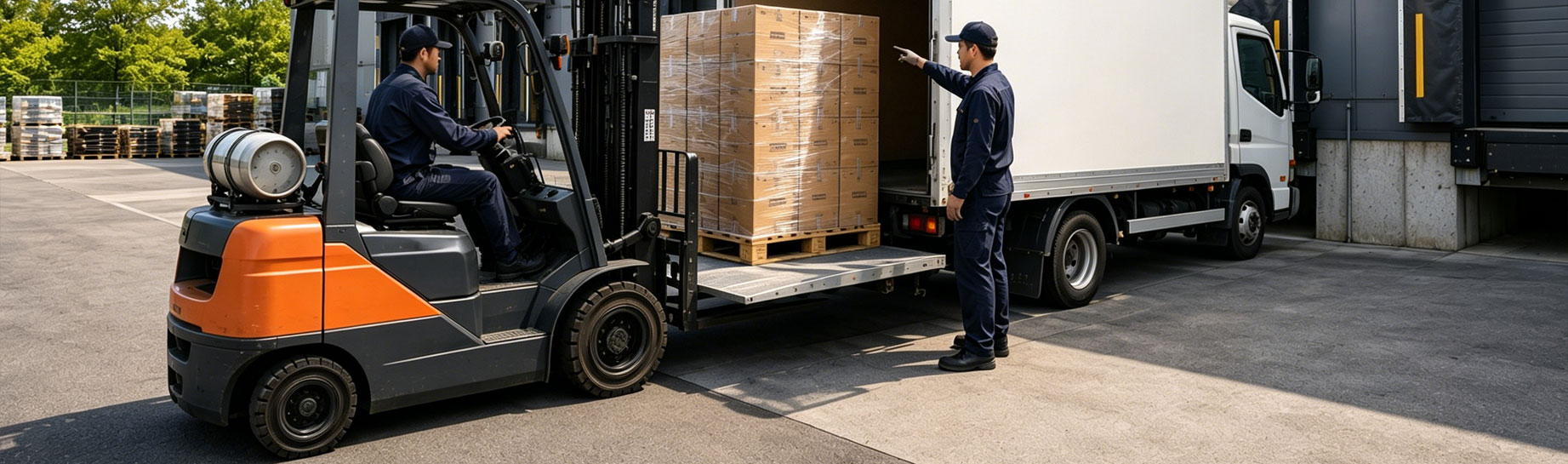
Tail Lift Warranty Guide: Coverage, Claims & How to Protect Your Investment
A tail lift is one of the most heavily used pieces of equipment on any delivery vehicle. That’s exactly why understanding your warranty matters long before something breaks down. Warranty terms vary from manufacturer to manufacturer. The fine print often gets ignored until a claim is denied. This guide covers what’s typically covered, what commonly voids coverage, and how to protect your investment over the life of the equipment.
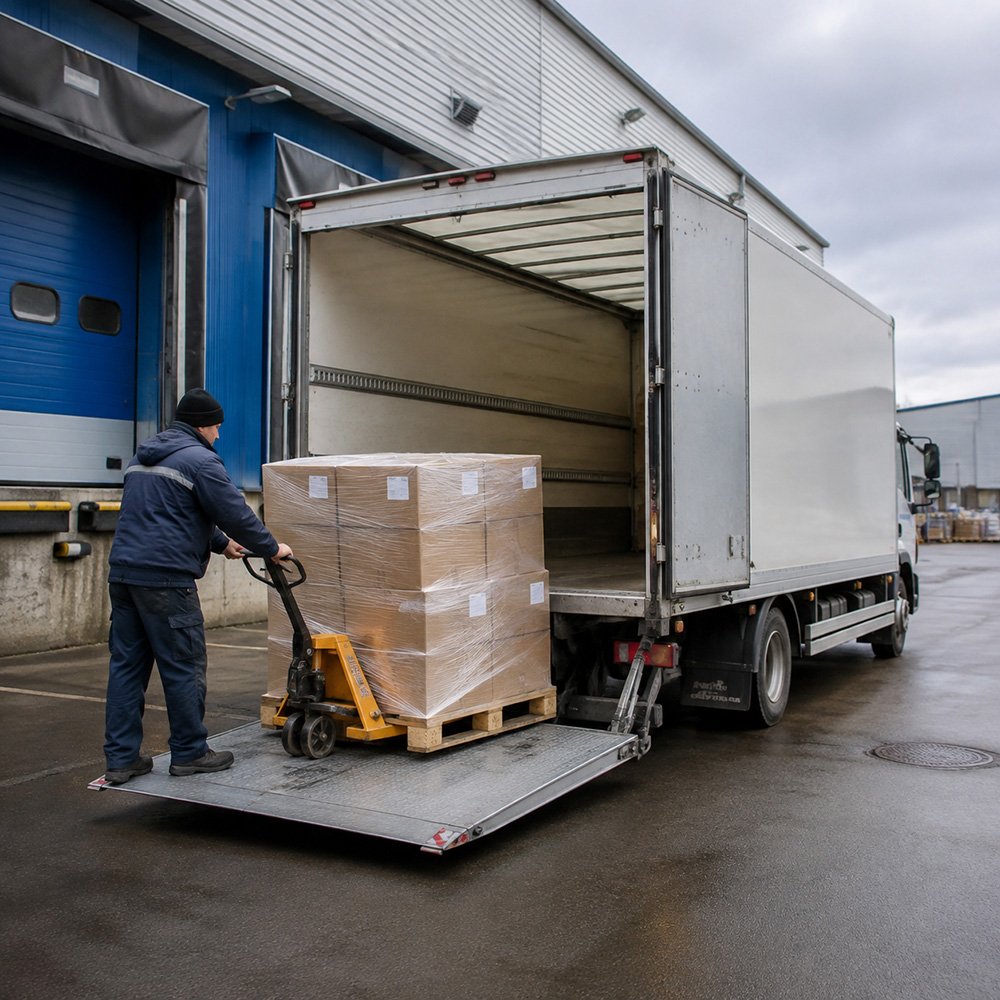
What Does a Tail Lift Warranty Cover?
Manufacturers usually break down tail lift warranty coverage by component category rather than apply a single blanket policy. Understanding this structure helps you read your own contract more accurately.
- Structural components — Manufacturers typically cover the platform, frame, and mounting brackets against manufacturing defects for around 1 year from the date of purchase. Some manufacturers extend this to closer to 2 years as a premium feature.
- Hydraulic systems — Cylinders, pumps, and hoses usually fall under the same 1-year baseline as the rest of the unit, since they count as part of the core mechanism rather than a wear item.
- Electrical and control components — Switches, relays, and control panels commonly share the same standard 1-year coverage window as the structural and hydraulic components.
- Paint and surface finishing — Coating and corrosion protection often carry a much shorter coverage period than the rest of the unit, sometimes as little as 90 days.
- Wear parts — Standard tail lift manufacturer warranty terms frequently exclude seals, rollers, and other consumables altogether, since these parts are expected to degrade with regular use.
Knowing what does a tail lift warranty cover at this level of detail is the first step to avoiding a denied claim. Many disputes happen simply because a buyer assumed a wear part was included when it wasn’t. Always request an itemized breakdown of tail lift parts warranty coverage before signing off on a purchase.
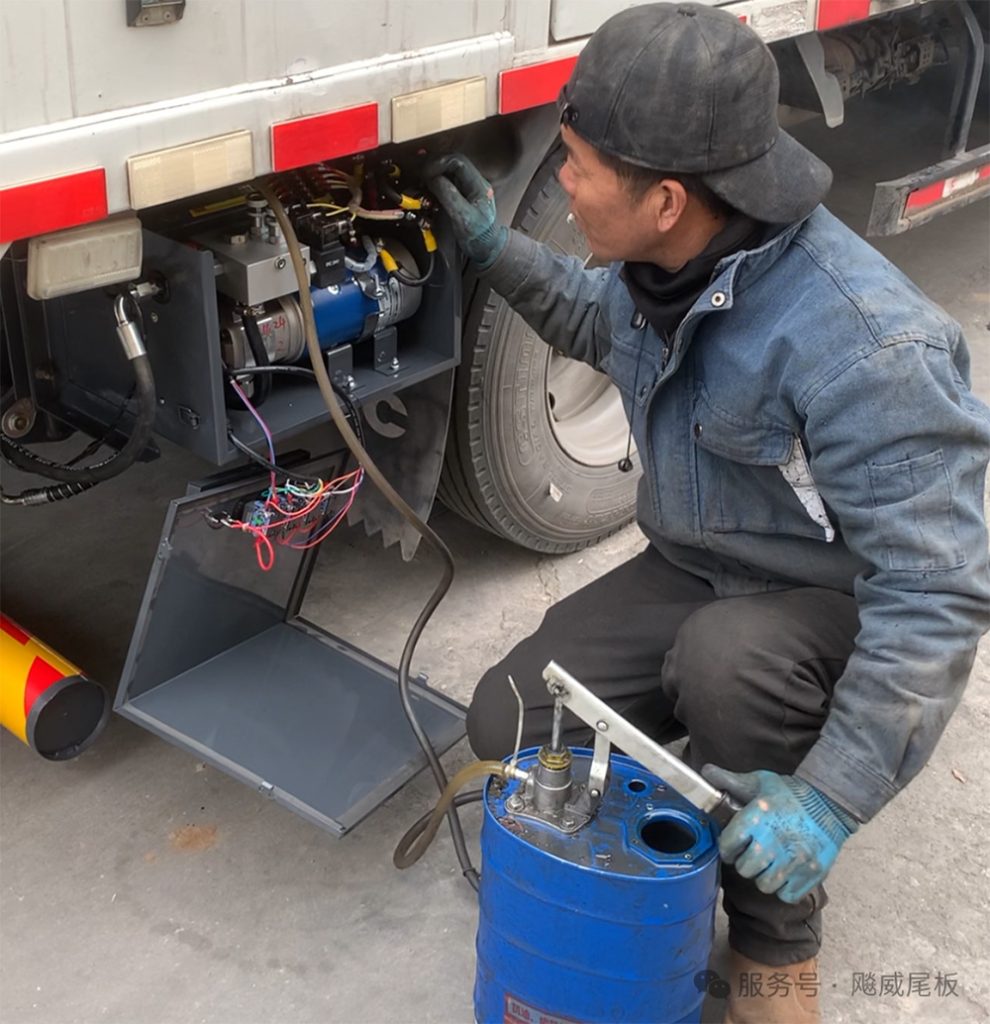
How Long Is a Tail Lift Warranty?
The tail lift warranty period varies by manufacturer. Across the industry, 1 year from the date of purchase is the most common baseline, covering the unit as a whole against defects in materials and workmanship. A small number of manufacturers offer closer to 2 years on core components as a differentiator, but they tend to market this as an above-average benefit rather than the norm. Paint and surface finishing usually carry a much shorter coverage window — sometimes as little as 90 days. Wear parts often fall outside the standard term entirely.
These tail lift warranty terms describe general industry patterns, not guarantees. Always confirm the exact tail lift warranty period in your own purchase agreement, since terms can shift based on usage class (light commercial vs. heavy-duty) and region.
What Voids a Tail Lift Warranty
Read this section carefully, because these are the conditions you can actually control. Tail lift warranty void conditions most commonly include:
1. Non-genuine or aftermarket parts Using non-original components is one of the most frequent causes of a denied claim. It doesn’t just affect the warranty. It can also invalidate CE certification, since certification ties directly to the original build specification of the lift. If a failure traces back to a non-genuine part, manufacturers typically reject the claim outright — even if that specific part isn’t the one that failed.
2. Operating beyond rated capacity Repeated overloading accelerates wear on hydraulic and structural components, and inspectors usually spot this kind of wear easily. Most tail lift warranty exclusions explicitly rule out damage caused by exceeding rated load capacity.
3. Unauthorized modifications or repairs Letting an unauthorized technician perform repairs, or modifying the lift outside of manufacturer specifications, counts as a near-universal exclusion across the industry.
4. Missing or incomplete maintenance records A missing service record can sink even a legitimate defect claim. Without documentation showing the unit was serviced on schedule, manufacturers have grounds to deny it. Maintenance logs often decide the outcome of a disputed claim.
5. Misuse or improper operation Almost every warranty program excludes damage from operator error, as opposed to a manufacturing defect.
Understanding what voids a tail lift warranty before it happens is far more valuable than disputing a claim after the fact.
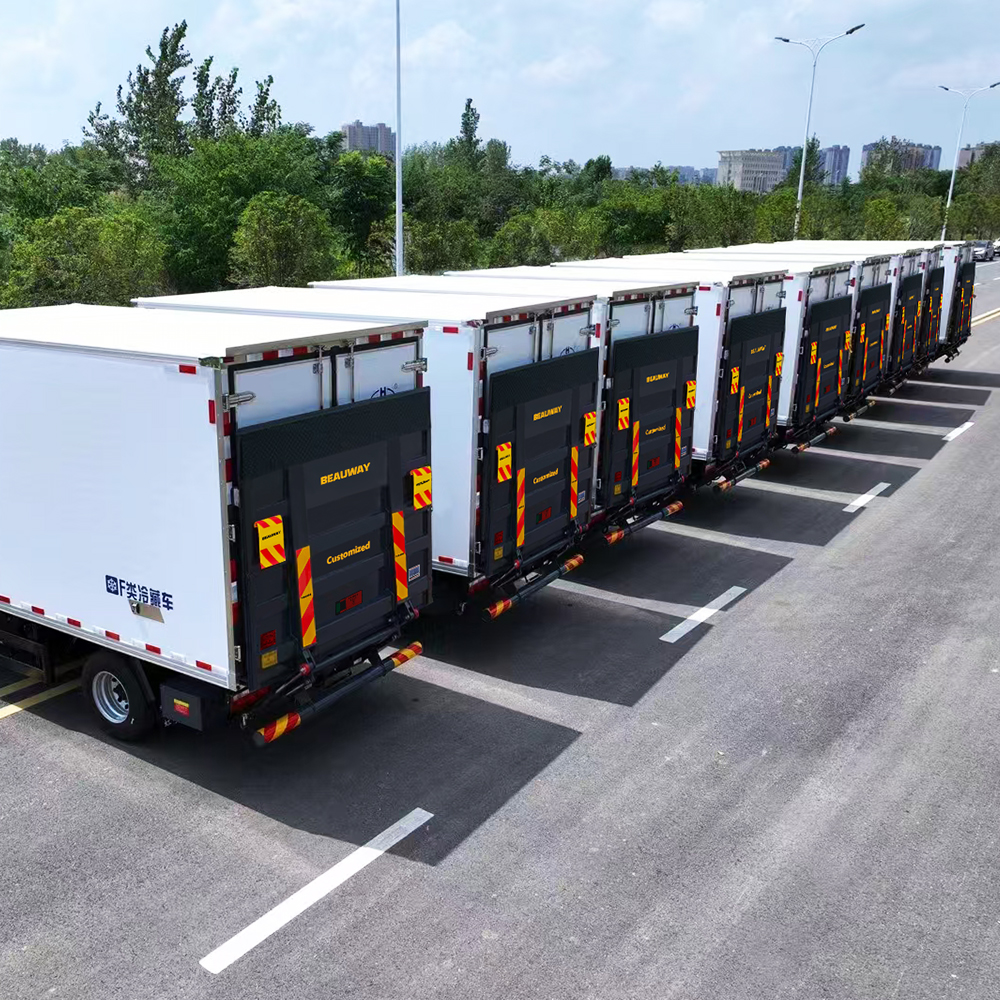
How to Protect Your Investment
Once you understand the exclusions above, protecting your coverage comes down to a handful of consistent habits:
- Keep a maintenance log. Record every service date, part replaced, and inspection outcome. This single habit resolves more warranty disputes than any other factor.
- Use only genuine or manufacturer-approved parts. Aftermarket alternatives may look like a cost saving, but the risk to your tail lift parts warranty almost always outweighs the short-term savings.
- Schedule regular inspections with an authorized technician. Don’t wait for a visible fault to appear.
- Consider a tail lift extended warranty if the unit will see heavy daily use. This matters most in food distribution, general freight, or other high-cycle applications, where the standard warranty window may not match realistic wear patterns.
These steps form the practical core of any strategy to protect your investment. They cost little compared to the price of a denied claim or an unplanned replacement.
How to File a Tail Lift Warranty Claim
The exact tail lift warranty claim process differs by manufacturer, but the general sequence looks like this:
- Contact your dealer or manufacturer as soon as a fault is identified. Delays can complicate the claim.
- Provide proof of purchase along with the unit’s serial number.
- Submit maintenance records showing the unit has been serviced on schedule.
- Describe the fault in detail. Note when it occurred and under what operating conditions.
- Allow for inspection or assessment. Manufacturers may handle this remotely or in person, depending on the issue.
- Receive a resolution. This usually means repair or part replacement, though a full unit replacement is possible in rare cases.
Organize your documentation before you file a tail lift warranty claim. It significantly shortens the process and reduces the chance of a dispute.
Tail Lift Warranty for Commercial Fleet Operators
Fleet operators face a different set of considerations than single-vehicle buyers. A few extra practices help when managing a tail lift warranty for commercial fleet operations:
- Centralize maintenance records across the fleet instead of leaving logs with individual drivers or depots. This makes it far easier to support a claim on any single unit.
- Standardize inspection schedules across all units, even ones from different purchase batches, to avoid gaps in documentation.
- Compare service network coverage, not just warranty length, when evaluating suppliers. A shorter warranty backed by fast regional service response can reduce downtime more than a longer warranty with limited support infrastructure.
- Track warranty expiration dates per unit. This lets you decide on extended coverage before the standard period lapses, not after.
Final Thoughts
Your warranty is only as useful as the practices that support it. Understanding your coverage, knowing exactly what voids a claim, and keeping consistent maintenance records will do more to protect your investment than any single clause in the contract. When in doubt, review your specific purchase agreement. The general patterns in this guide are a starting point, not a substitute for your manufacturer’s exact terms.
If you have questions about warranty coverage on your equipment, reach out to your supplier’s service team before an issue arises. It’s far easier to clarify terms in advance than to resolve a dispute after a claim has already been filed.
Trusted by Fleet Operators Across 60+ Countries
Stop Losing Time at the Loading Dock.
Get a Custom-Matched Tail Lift Quote in 24 Hours.
60
Countries Served
24h
Quote Turnaround
99.9
Field Uptime
5.0
Customer Rating
No Obligation
CE & UKCA Certified
Standard & Custom Builds
Worldwide Shipping